
Cardiff, the Bannau and Swansea
- Cardiff — the castle, the free museums and a waterbus to the Bay
- Bannau Brycheiniog — Brecon, a waterfall walk or Pen y Fan
- Swansea and Gower — the market and Mumbles, then Rhossili Bay
Three national parks, a capital on the coast, castles from Conwy to Pembroke and a long Atlantic shoreline
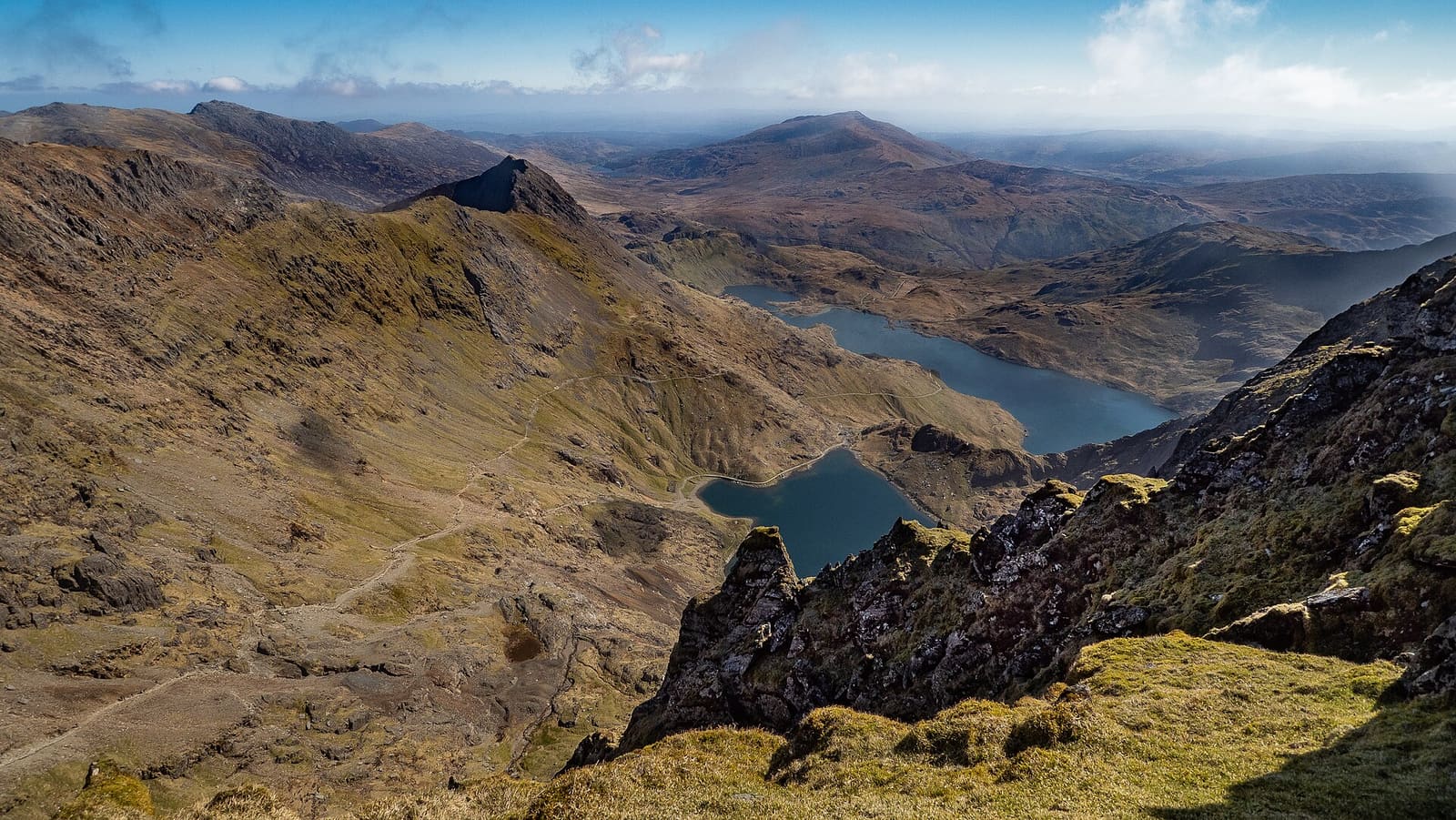
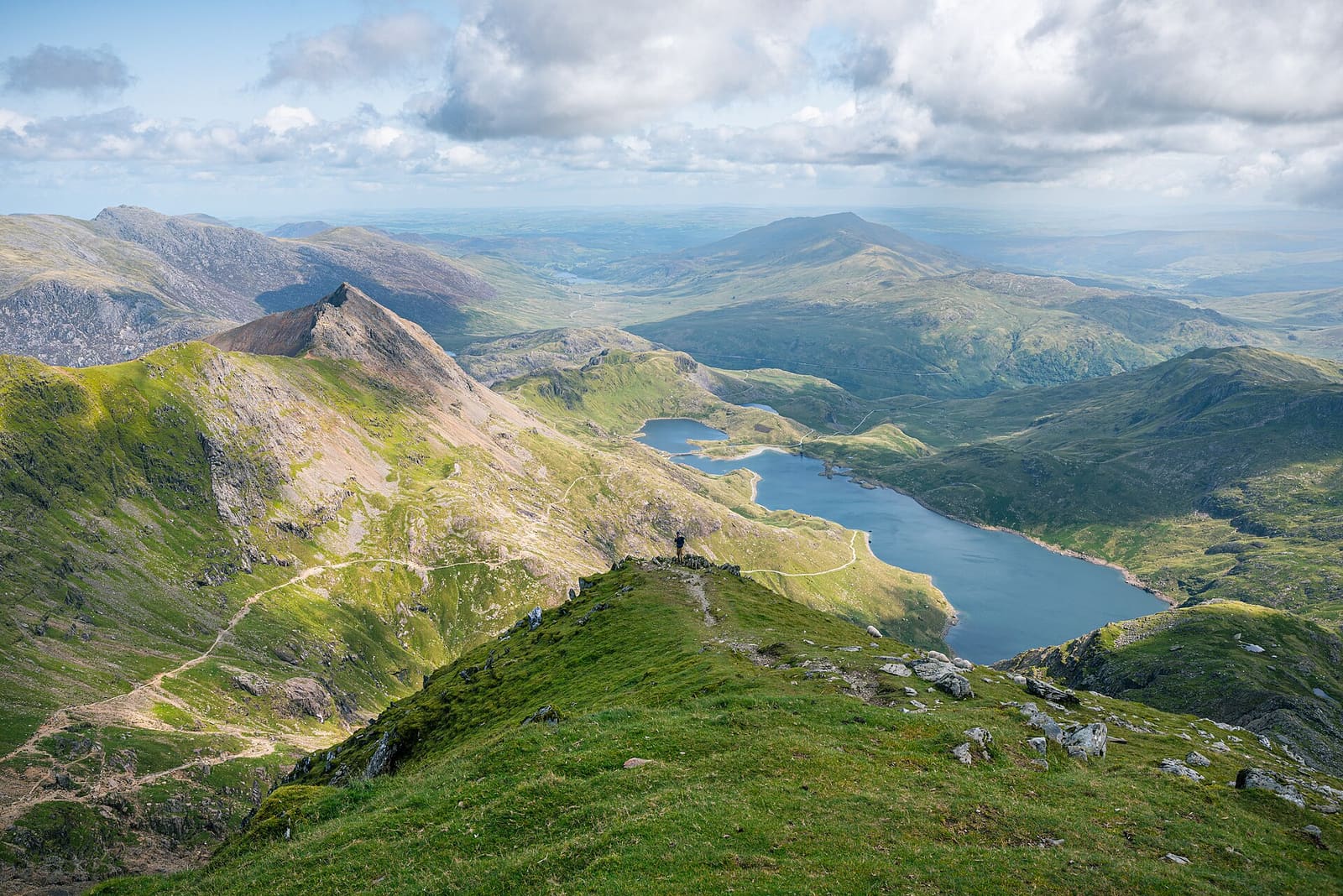
Wales packs a capital city, three national parks and a long coast into a country that can be crossed by road in a few hours. Cardiff (Caerdydd) has a castle in its center and a redeveloped bay, Eryri (Snowdonia) holds Yr Wyddfa, the highest mountain in Wales, and Bannau Brycheiniog (the Brecon Beacons) has Pen y Fan, the highest peak in South Wales.
The north coast has Edward I's castles at Conwy, Beaumaris and Caernarfon and the Victorian resort of Llandudno. Pembrokeshire has a 186-mile coast path, St Davids and Tenby, and Swansea (Abertawe) is the gateway to the Gower Peninsula, the first Area of Outstanding Natural Beauty in the UK. This guide covers six of these areas; the places are far apart, so plan one or two bases.
Areas
Each area has its own mini guide with 95 sights, places to eat and drink, and where to stay across the city.
A compact capital: a castle in the city center, free museums and a redeveloped bay
Open the mini guide →
Yr Wyddfa, mountain railways and slate heritage in the first national park in Wales
Open the mini guide →
A walled medieval town, a Victorian seaside resort and Edward I's coastal castles
Open the mini guide →
Cliff paths, sandy bays, a cathedral city and a walled seaside town
Open the mini guide →
The highest mountains in South Wales, market towns, castles and waterfalls
Open the mini guide →
A waterfront city, Mumbles and the first Area of Outstanding Natural Beauty in the UK
Open the mini guide →Sights
A sight from each area. Every area guide lists the rest, with directions and official links.
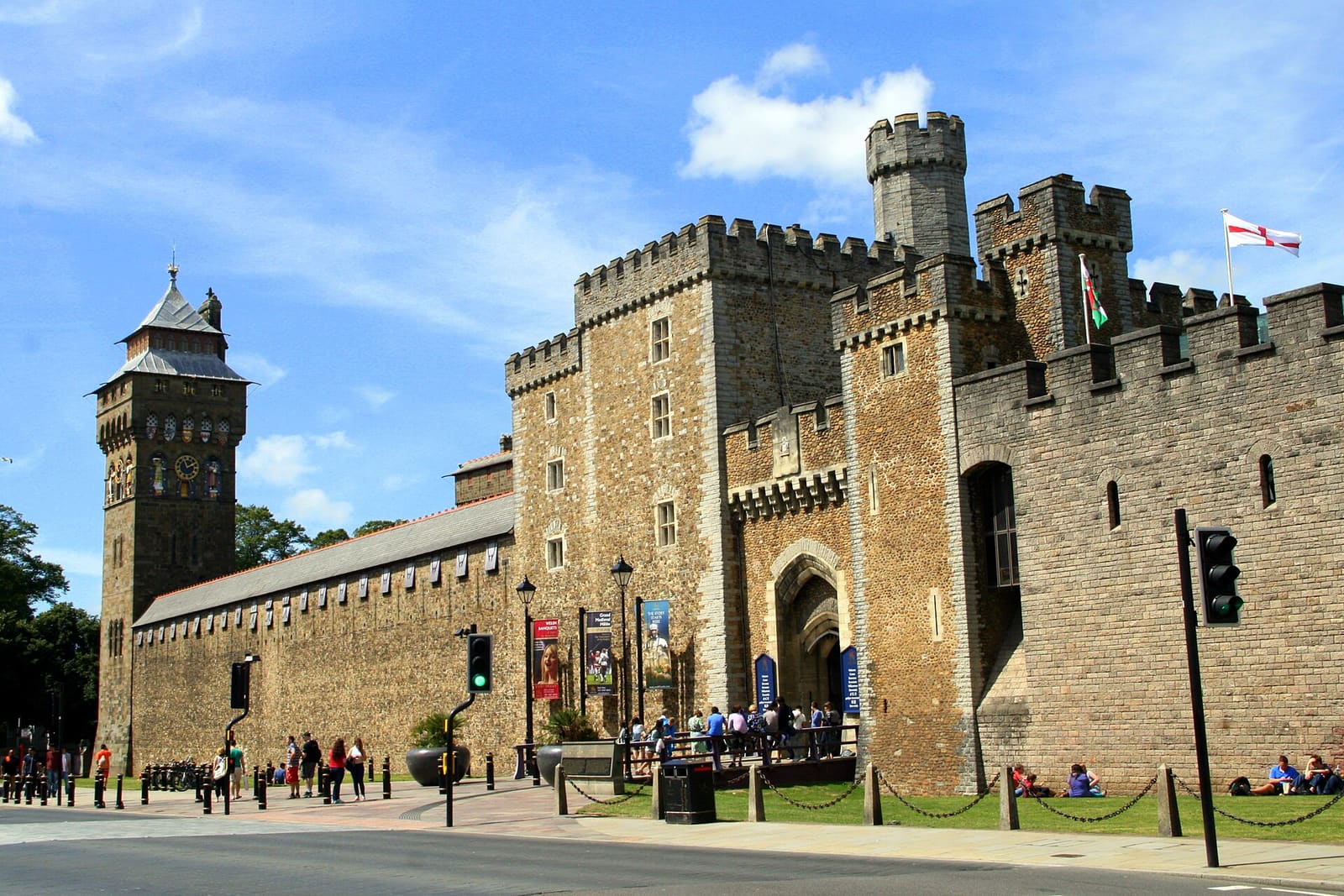
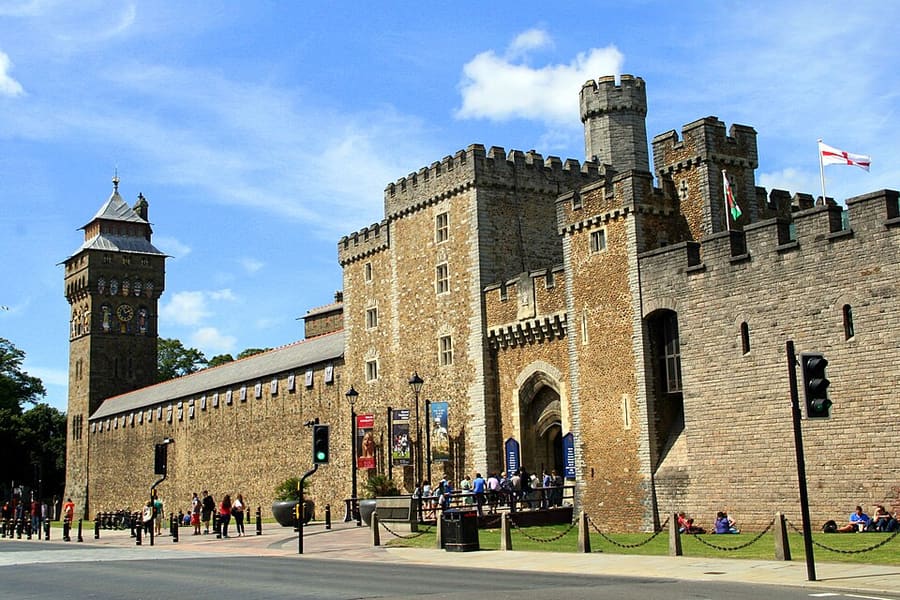
Roman walls, a Norman keep and Victorian interiors in the city center; the castle site describes 2,000 years of history.
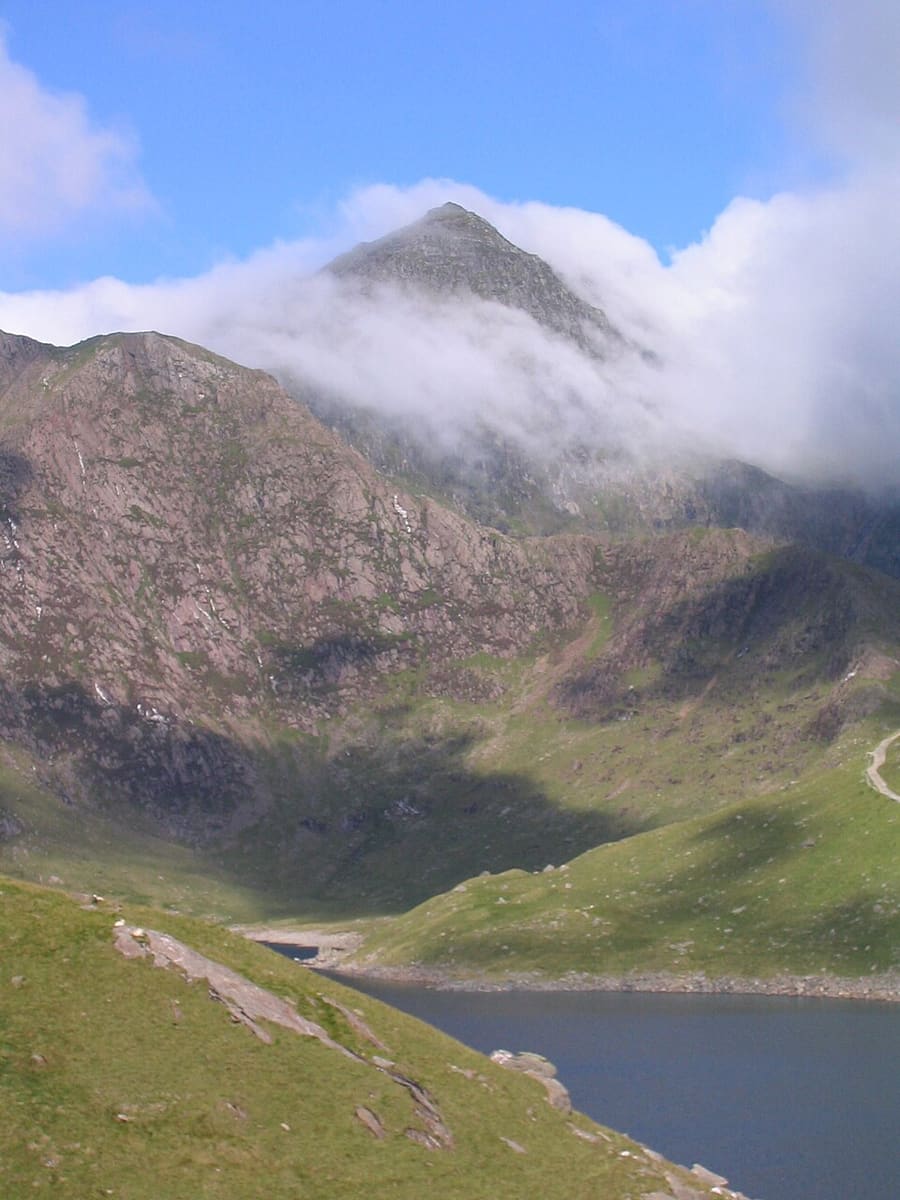
Highest mountain in Wales at 1,085 meters (3,560 ft); the park authority says more than 600,000 people hike it every year.
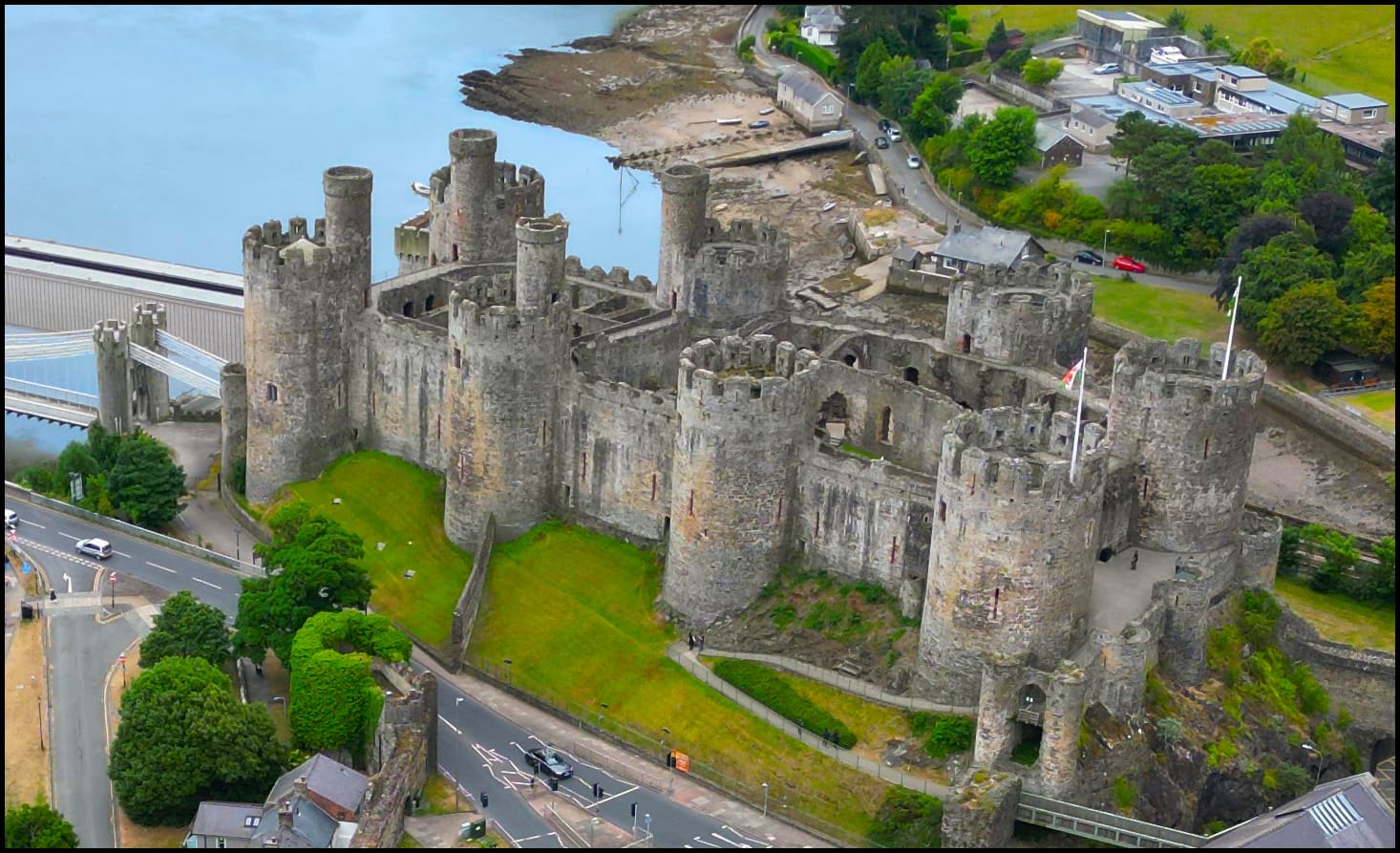
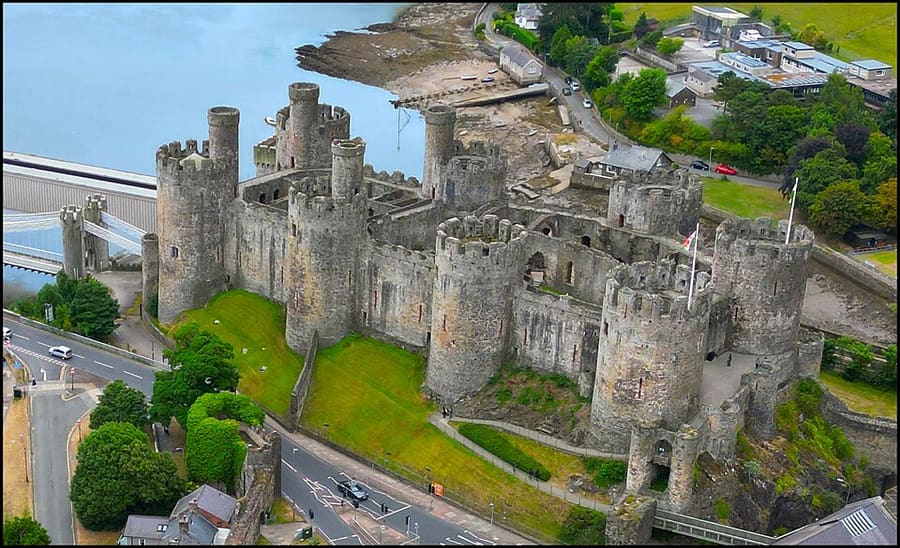
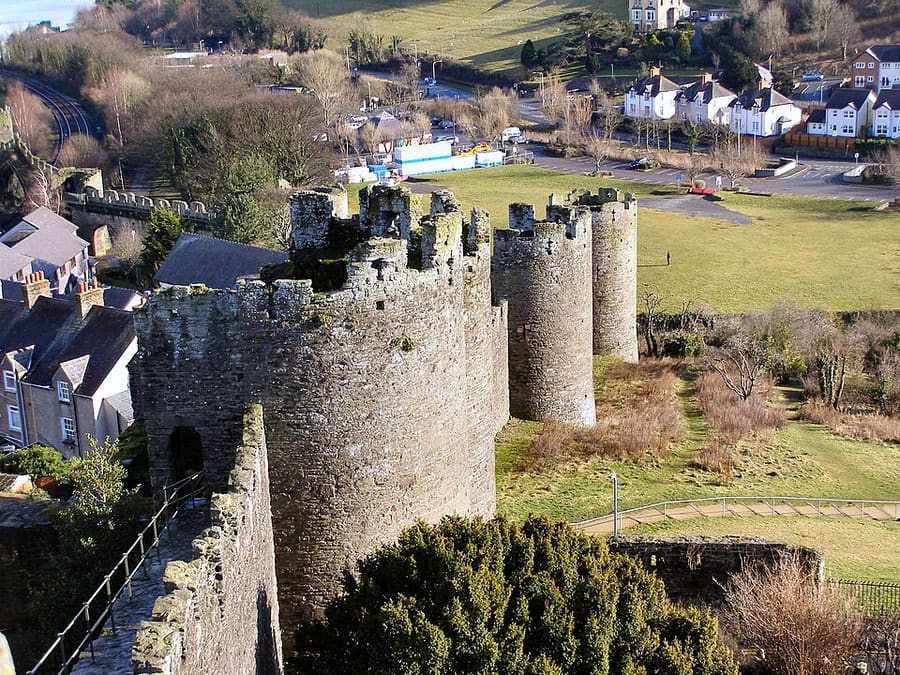
Fortress built for Edward I between 1283 and 1287; Cadw says restored staircases let visitors walk the battlements.
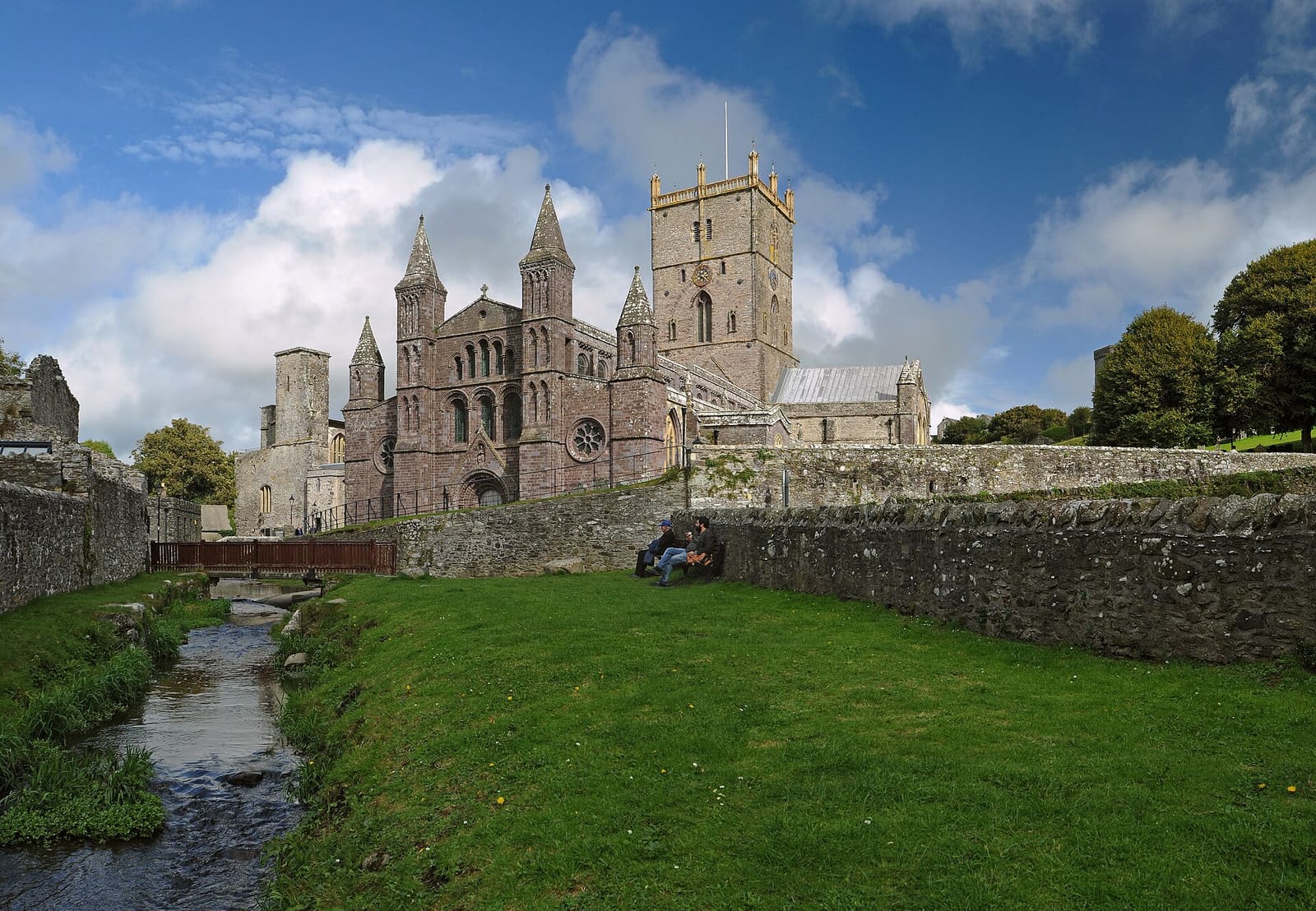
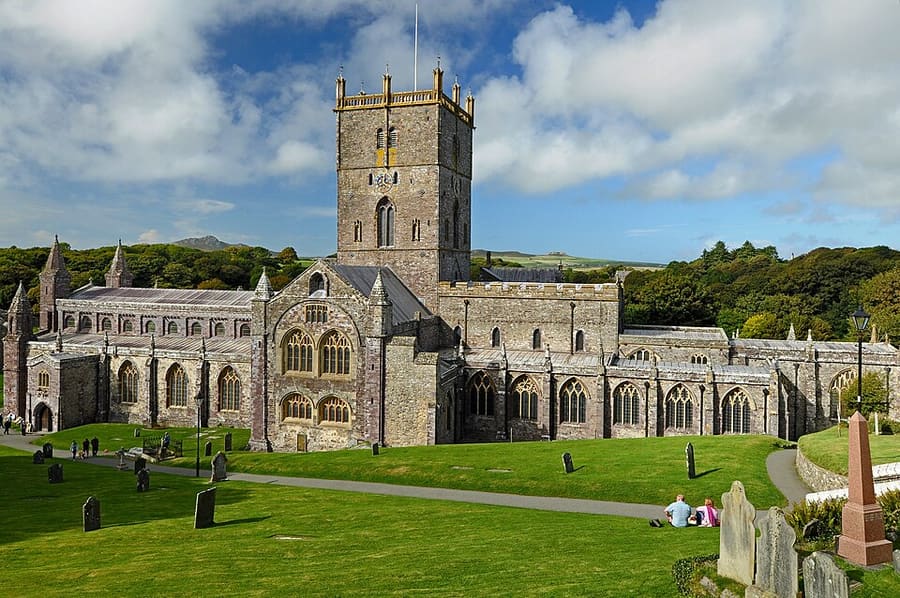
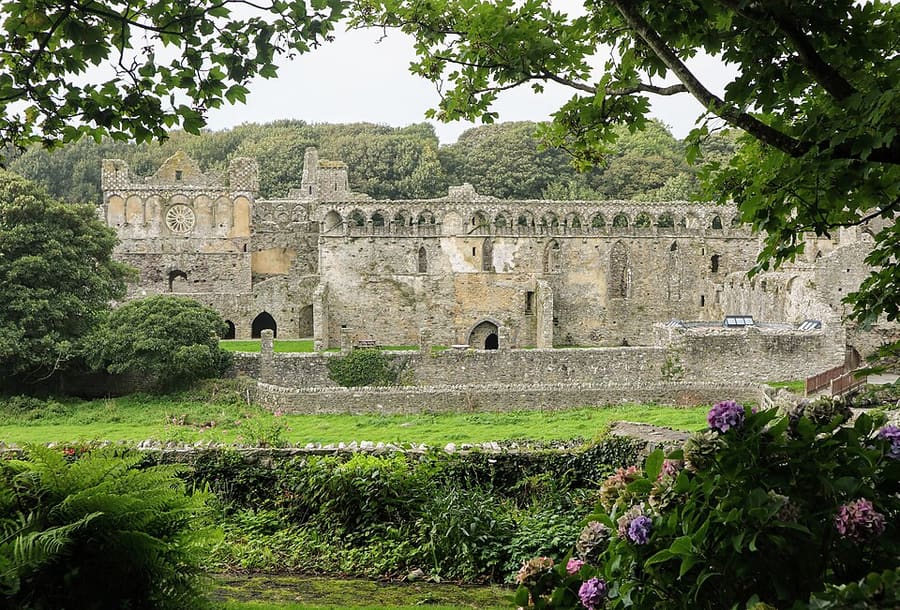
Church in Wales cathedral in St Davids, the resting place of Saint David, the patron saint of Wales.
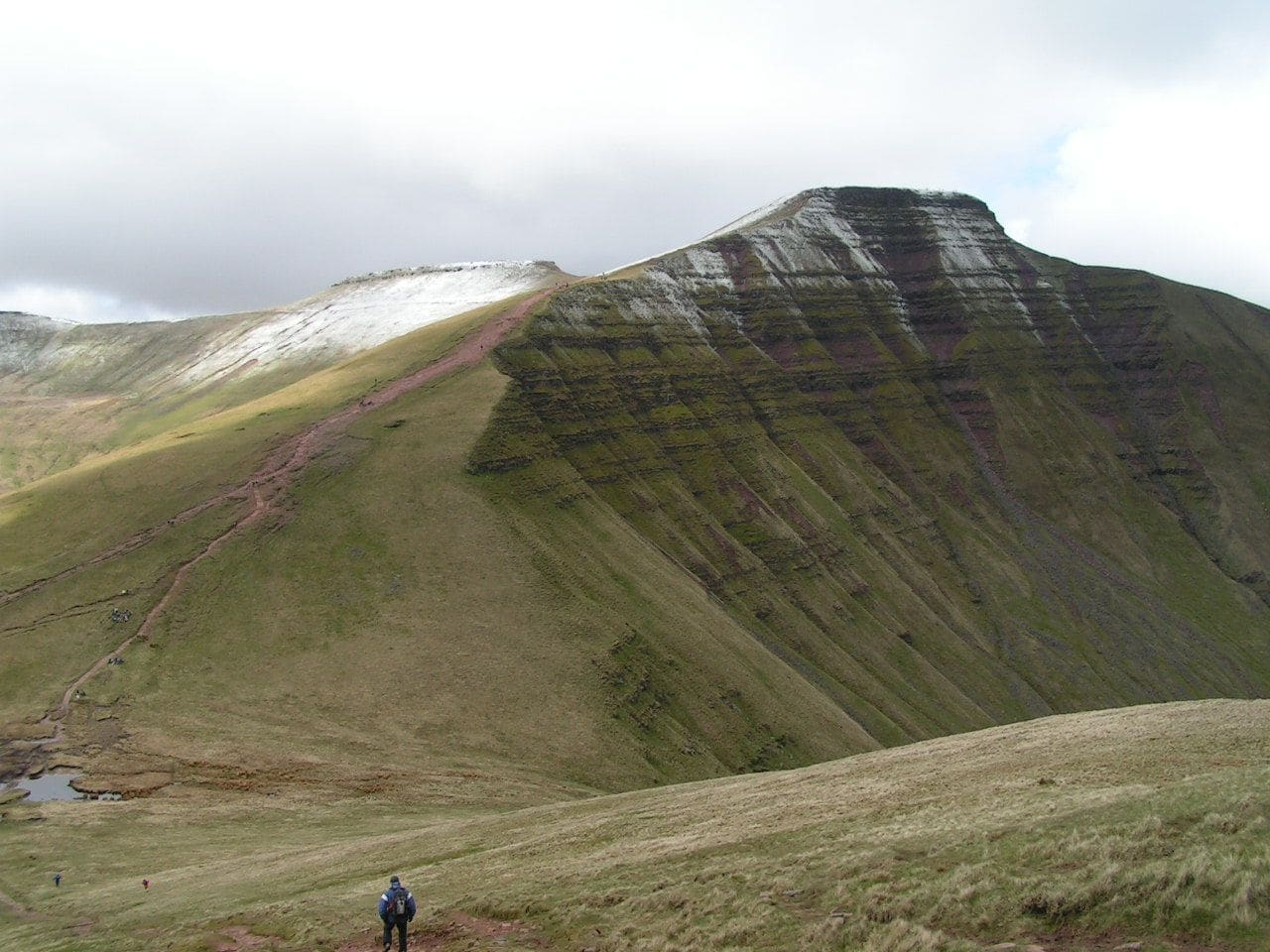
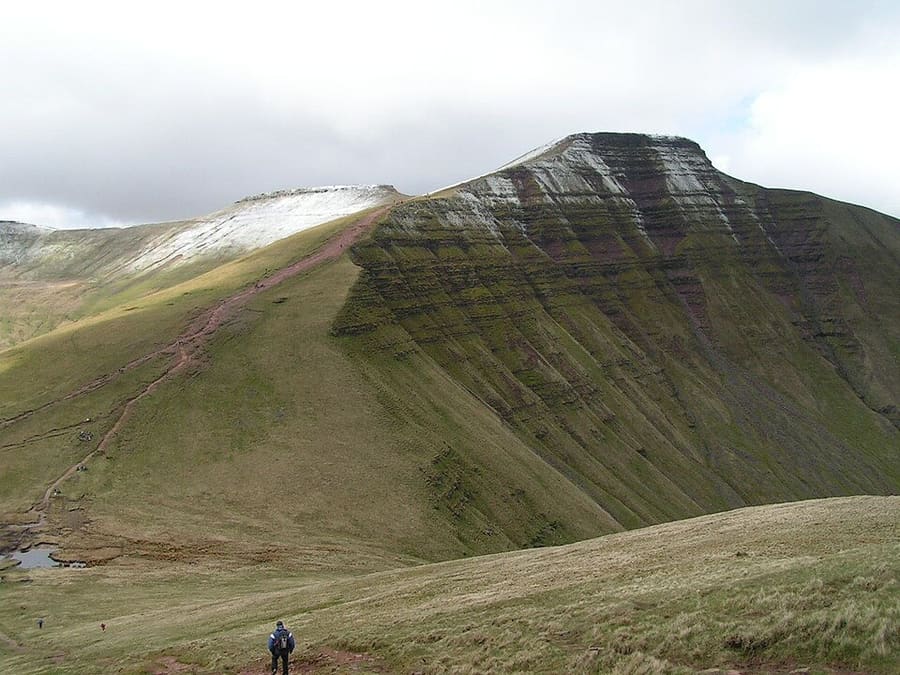
Highest peak in South Wales at 886 meters (2,907 ft), with the twin summit of Corn Du 1804 feet (550 meters) to the south-west.
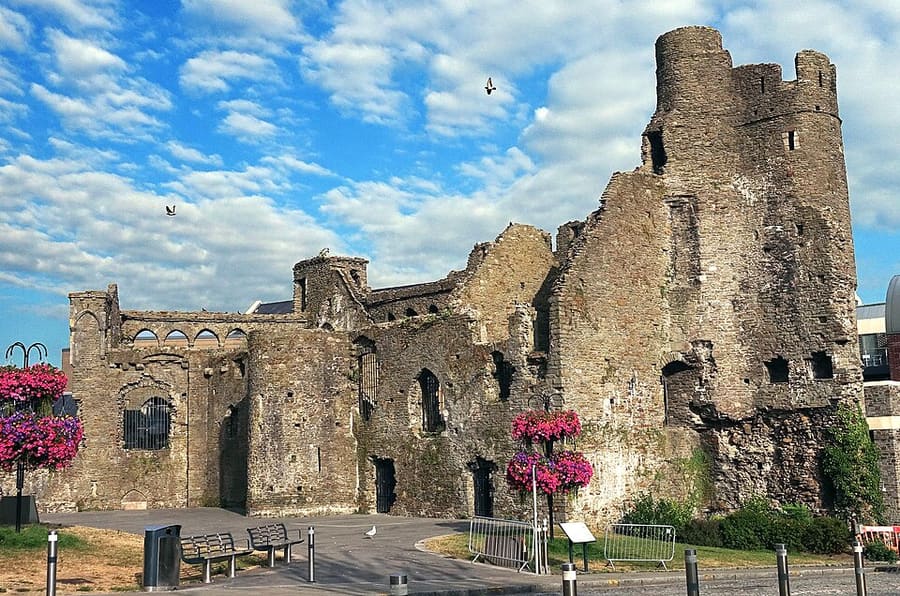
Ruined castle founded in 1107, now surrounded by the city center and cared for by Cadw.
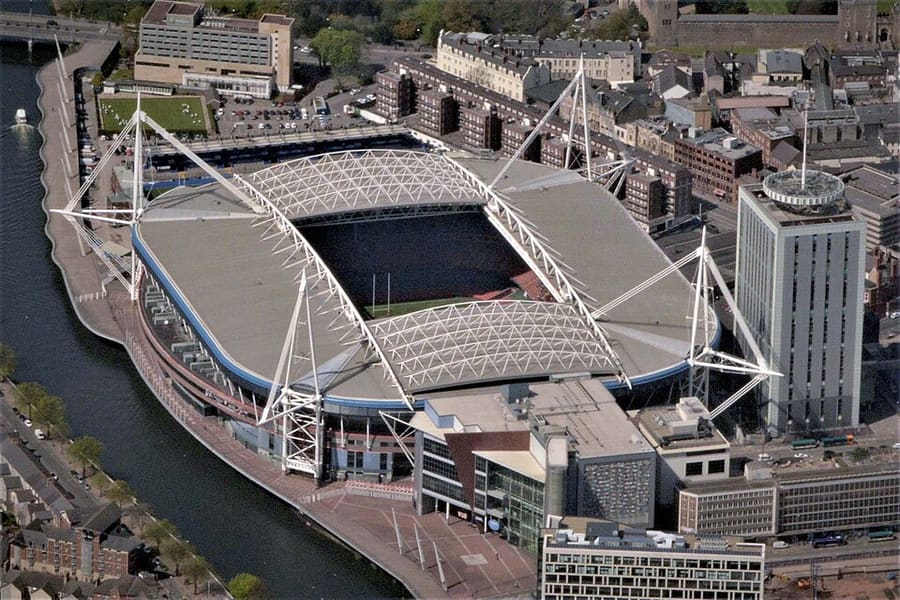
National stadium of Wales, with a retractable roof and a usual capacity of 73,931, a short walk from Cardiff Central.
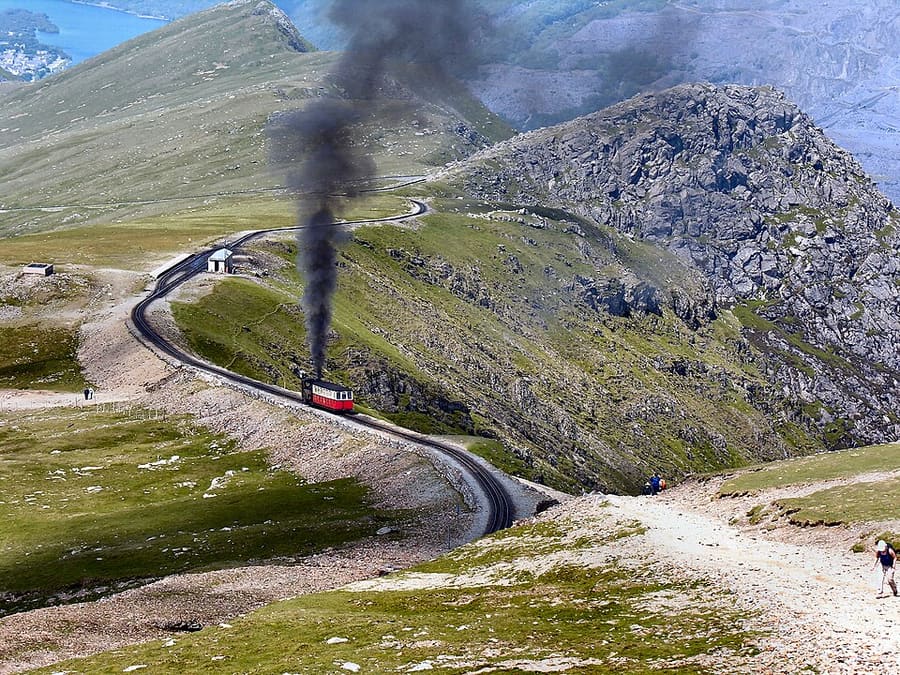
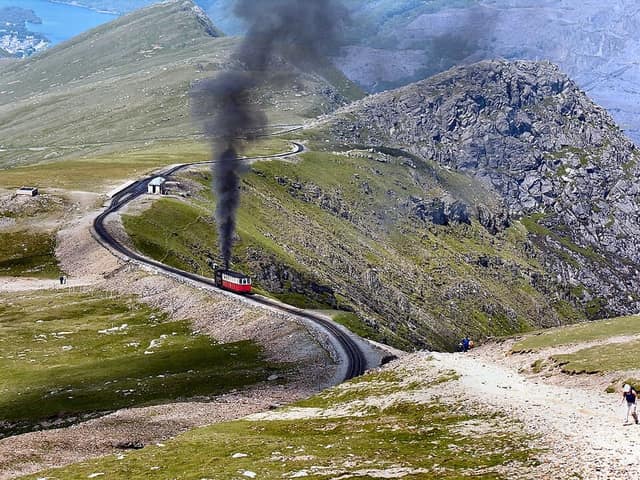
Narrow gauge rack-and-pinion railway of 4.7 miles (7.6 km) from Llanberis to the summit, with heritage steam and diesel trains.
1 / 12Animal attractions, railways, science centres, beaches and caves from our Wales guide, grouped by type. We hold no age ratings or child prices: check each place’s own site for age limits, height rules and family tickets.
Snowdon Mountain Railway (Rheilffordd yr Wyddfa)Heritage railway, Eryri (Snowdonia)
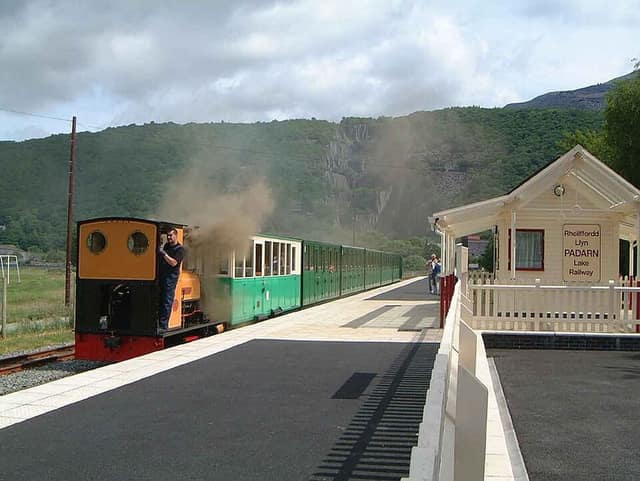
Llanberis Lake Railway (Rheilffordd Llyn Padarn)Heritage railway, Eryri (Snowdonia)
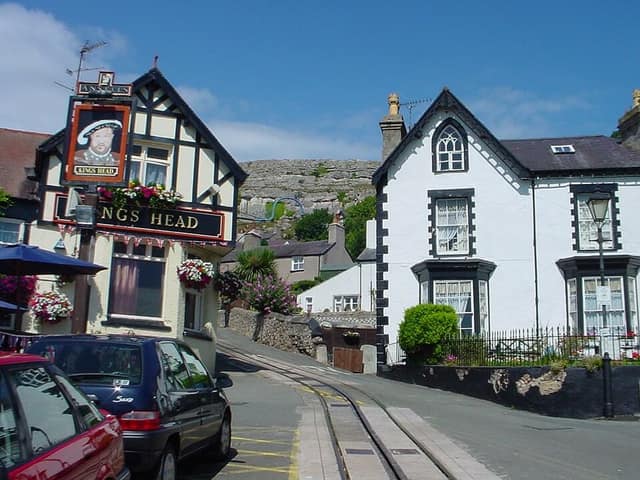
Great Orme Tramway (Tramffordd y Gogarth)Tramway, Conwy, Llandudno & the North Coast Castles
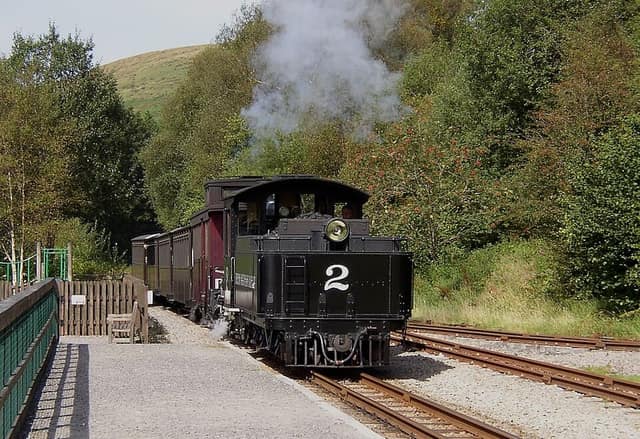
Brecon Mountain Railway (Rheilffordd Fynydd y Bannau)Heritage railway, Bannau Brycheiniog (Brecon Beacons)
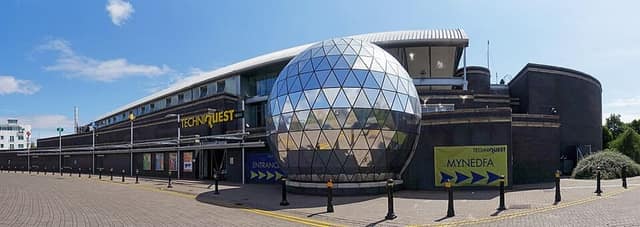
TechniquestScience centre, Cardiff (Caerdydd) & the Bay
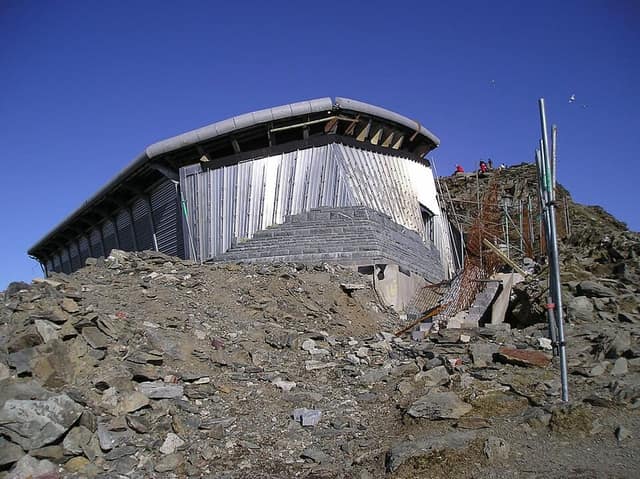
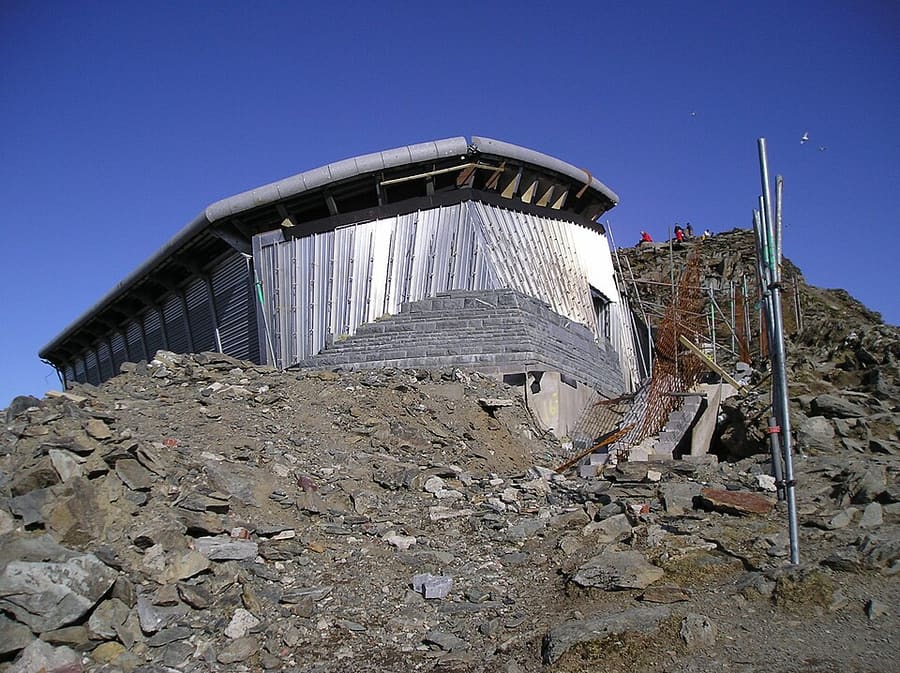
Hafod EryriSummit visitor centre, Eryri (Snowdonia)
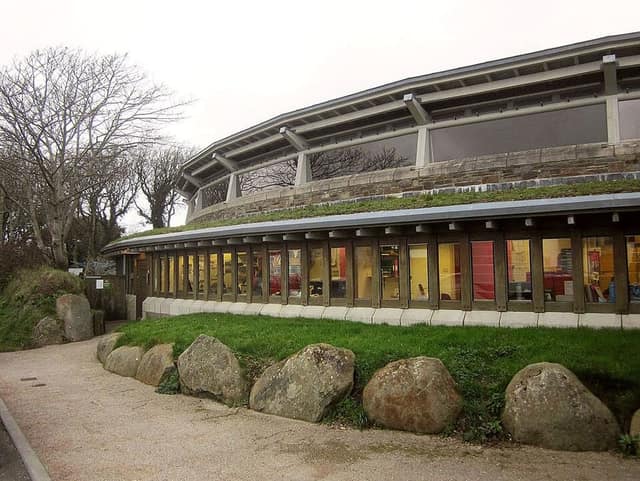
Oriel y ParcVisitor centre, Pembrokeshire Coast (St Davids & Tenby)
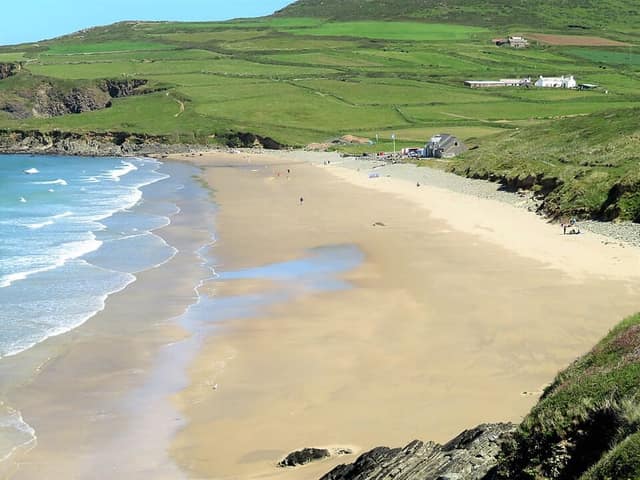
Whitesands Bay (Porth Mawr)Beach, Pembrokeshire Coast (St Davids & Tenby)
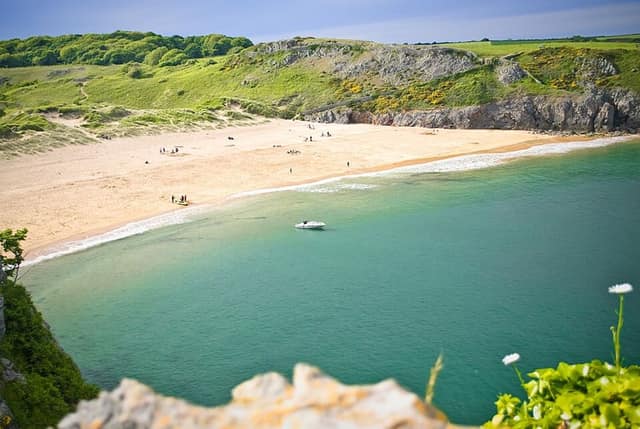
Barafundle Bay (Bae Barafundle)Beach, Pembrokeshire Coast (St Davids & Tenby)
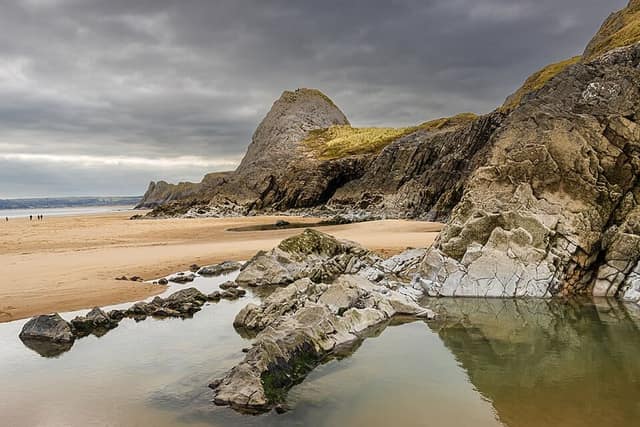
Three Cliffs Bay (Bae y Tri Chlogwyn)Beach, Gower & Swansea (Abertawe)
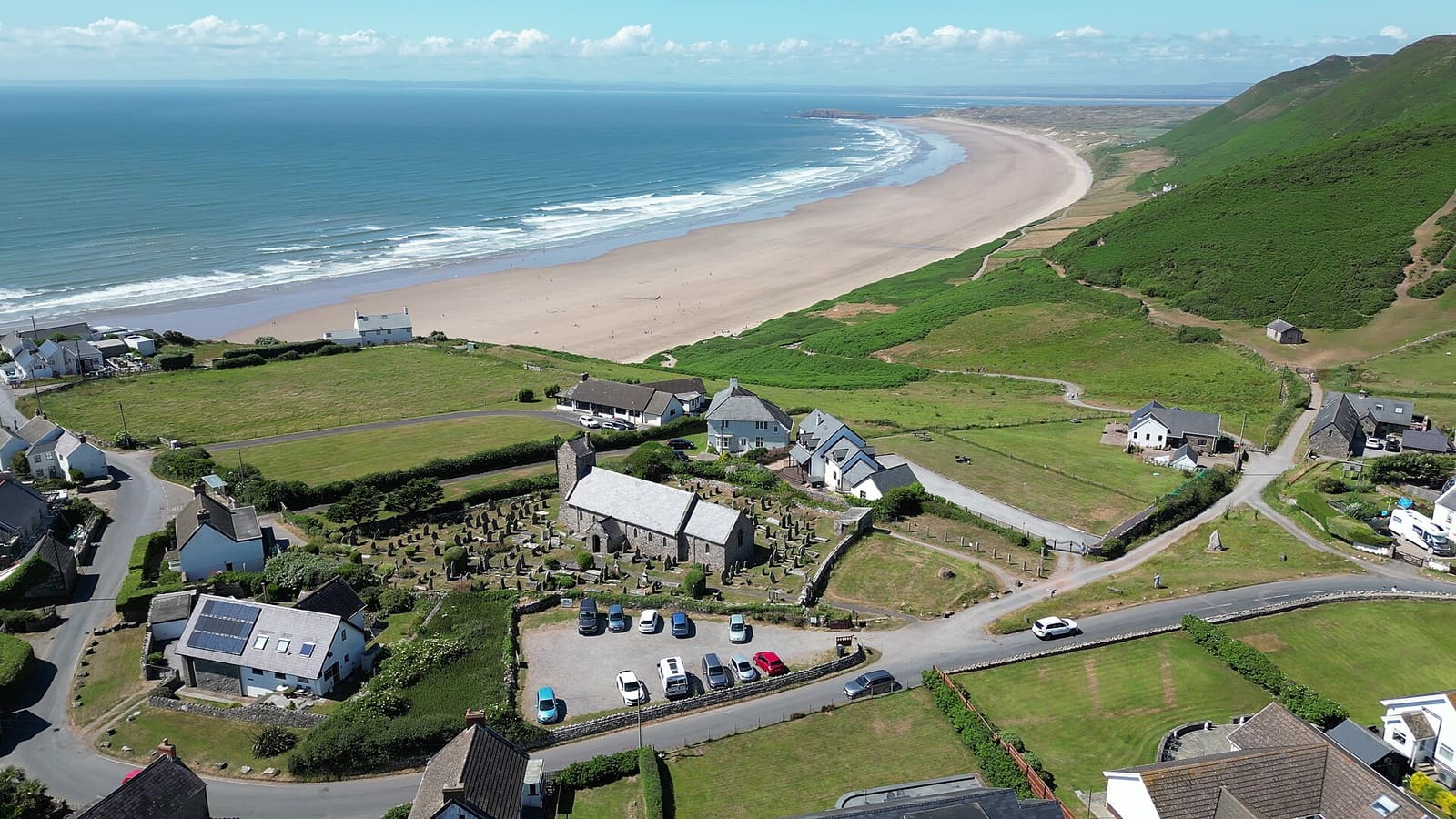
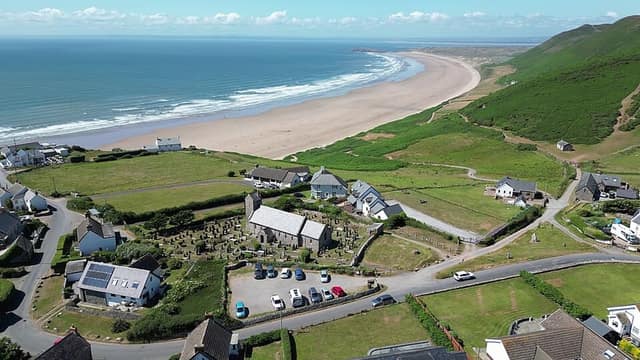
Rhossili Bay (Bae Rhosili)Beach, Gower & Swansea (Abertawe)
Sygun Copper Mine (Gwaith Copr Sygun)Mine, Eryri (Snowdonia)
Great Orme MinesMine, Conwy, Llandudno & the North Coast Castles
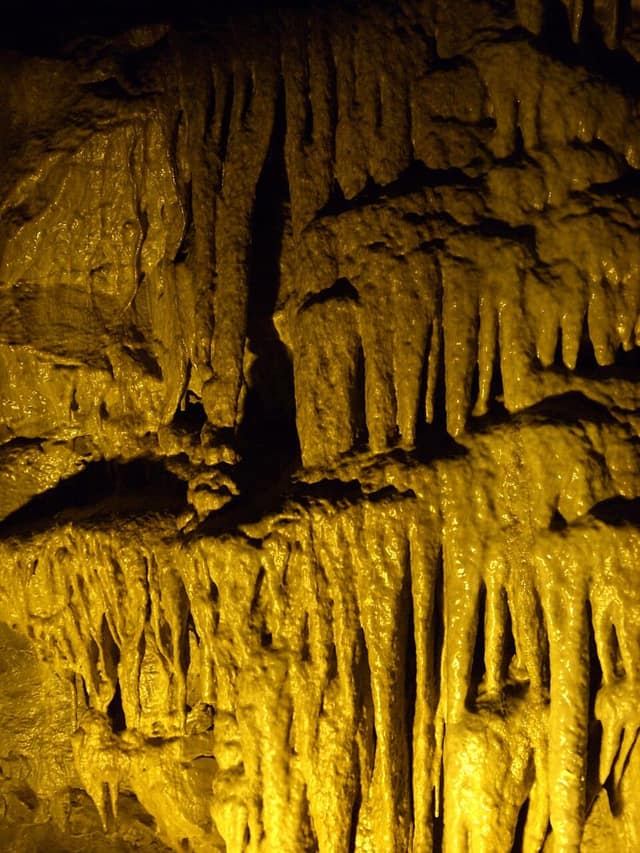
Dan yr Ogof National ShowcavesShow caves, Bannau Brycheiniog (Brecon Beacons)Practical help: travelling with children and where to stay in Wales.
Theater
9 theaters and performance venues across 5 areas: see where each one is, how to get there and where to find what is on.
Filter 9 venues by area, type of show and step-free access.
Open the directory →One link to each venue's own program page, plus seasonal highlights.
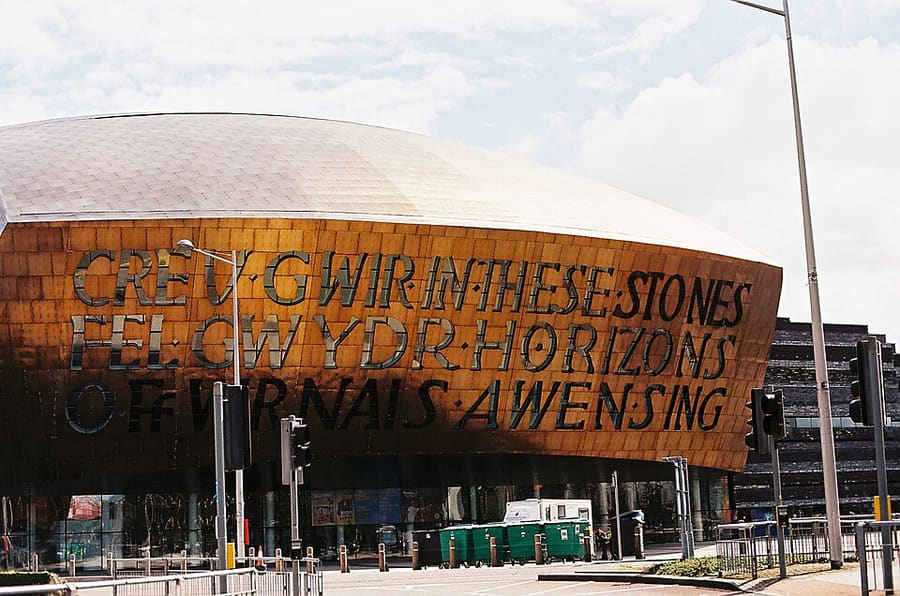
See what's on →A large arts center in Cardiff Bay with the 1,896-seat Donald Gordon Theatre, a smaller Weston Studio and a resident opera company.
Venue page →Itineraries
Short routes that stitch the areas together.
Getting there
Wales is reached by rail, coach, road, air and sea, but the national parks and coast are some distance from the main cities. Always check the operator for current times, fares and disruption.
Visit Cardiff says Cardiff is less than two hours from London by train, with services every 30 minutes; Great Western Railway links Cardiff with London, Bristol, Bath and Exeter, Transport for Wales runs services within Wales, and CrossCountry runs an hourly service from Birmingham and Nottingham. Visit Swansea Bay lists direct trains to Swansea from London Paddington, Bristol Parkway, Cardiff, Newport, Hereford, Shrewsbury, Crewe and Manchester. In the north, Visit Conwy points to direct trains along the coast and the Conwy Valley line from Llandudno to Betws-y-Coed, and the Eryri National Park Authority suggests Llandudno Junction for the Conwy Valley line and Shrewsbury for the Cambrian line.
Visit Cardiff says Cardiff Airport is in the Vale of Glamorgan, 13 miles west of the city, with direct flights from Edinburgh, Belfast, Dublin, Paris, Amsterdam and other European cities. Visit Conwy lists Manchester, Liverpool John Lennon, Birmingham and Cardiff as nearby airports for the north, and the Bannau Brycheiniog park authority says Cardiff Airport is about an hour from the park.
Visit Cardiff says National Express serves Cardiff from London and along the M4 corridor and that TrawsCymru runs a daily service from mid Wales; Visit Swansea Bay lists National Express and FlixBus services to Swansea. TrawsCymru is the medium and long distance bus network run by Transport for Wales, and the Bannau Brycheiniog park authority lists its T4 (Cardiff to Newtown via Brecon) and T6 (Swansea to Brecon) routes.
Visit Cardiff says Cardiff is reached by the M4, with central London about a three-hour drive, and Visit Swansea Bay gives the M4 junctions for Swansea, Mumbles and Gower. For the north, Visit Conwy points to the M56 and A55 from the North West and the M6, M5 and M1 from further south. A car is the easiest way to reach remote parts of the national parks, but the park authorities encourage buses in busy months.
Journey times on this page are the operators' or tourist boards' own headline figures. We do not publish schedules or fares.
Traveline Cymru is the public transport information service for Wales and covers buses and trains. The park authorities point to it for schedules.
Sherpa'r Wyddfa runs around the base of Yr Wyddfa; the Eryri National Park Authority lists routes to Llanberis, Pen y Pass and Betws y Coed.
Visit Pembrokeshire says the coastal buses run along the whole Coast Path, daily from May to September and on two days a week in winter.
TrawsCymru links towns across Wales. The Bannau Brycheiniog park authority lists the T4 and T6 to Brecon and the Eryri authority lists the T10, which stops at Ogwen.
Visit Cardiff says the city center is compact and flat, and recommends the traffic-free Taff Trail for walking and cycling.
Cardiff Bus and Transport for Wales
Transport for Wales.Transport for Wales Rail lists Advance, season, single, return, flexible and off-peak tickets, sold online, in its app or at stations, with no booking fees. Its site also promoted a £1 bus fare for children and young people (as shown on Nov 1, 2026).TfW ticket types (opens in new tab)
Best time to go
Wales works through the year, but weather decides what you can do. Museums, castles and covered markets help on wet days, and the mountains and coast reward clear ones.
A good time for coast paths and waterfalls. Some seasonal attractions, such as the Great Orme Tramway, start running again in late March.
The busiest season for Yr Wyddfa and the Pembrokeshire beaches; the park authorities encourage using buses in the busy months, and island boat trips run.
A quieter time for hill walking and for the coast, with seasonal tramways and railways finishing for the year; check each operator.
Cardiff and Swansea have indoor attractions, and mountain conditions can be serious; the Pembrokeshire coastal buses run two days a week.
Day trips
Ideas for a day away from Wales. Check the operators for times and tickets.

The full Britlens guide to the Welsh capital: the castle and city centre, Cardiff Bay, Cathays Park and Roath, and Pontcanna and Llandaff.
Cardiff guide →
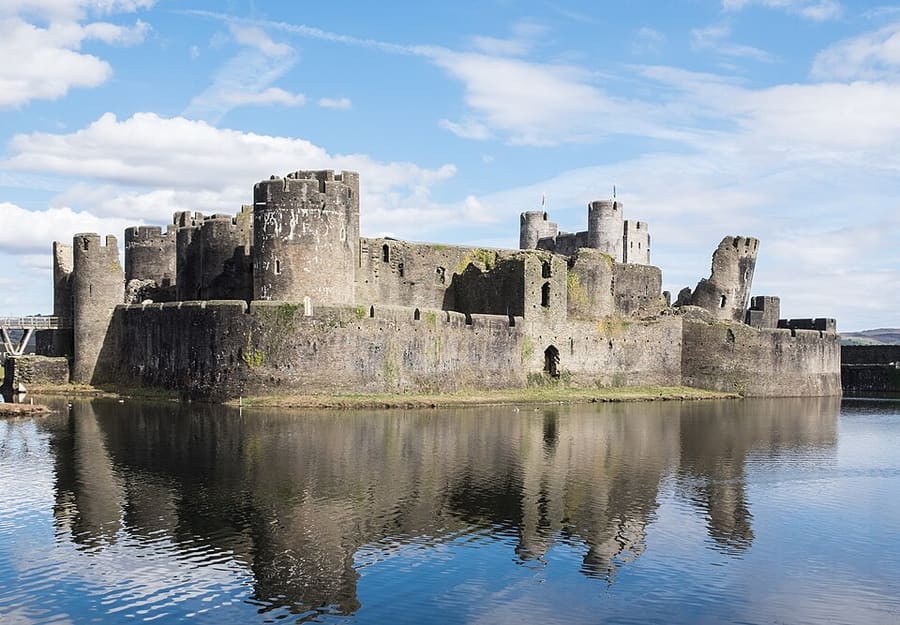
A 13th-century castle built by Gilbert de Clare and surrounded by large artificial lakes, a short journey north of Cardiff.
cadw.gov.wales →
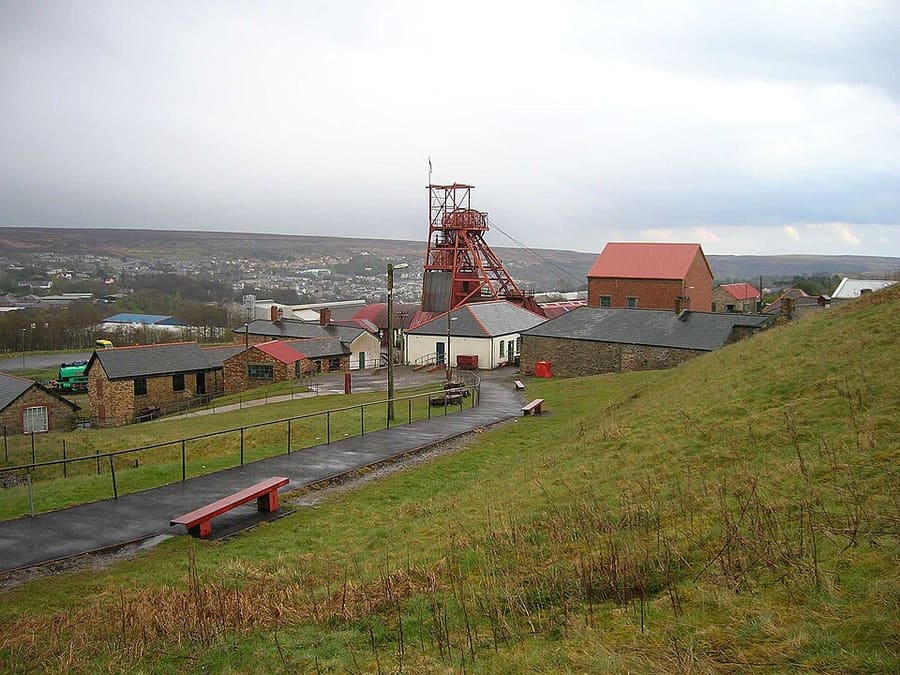
A real coal mine with underground tours, run by Amgueddfa Cymru, which says entry is free.
museum.wales →
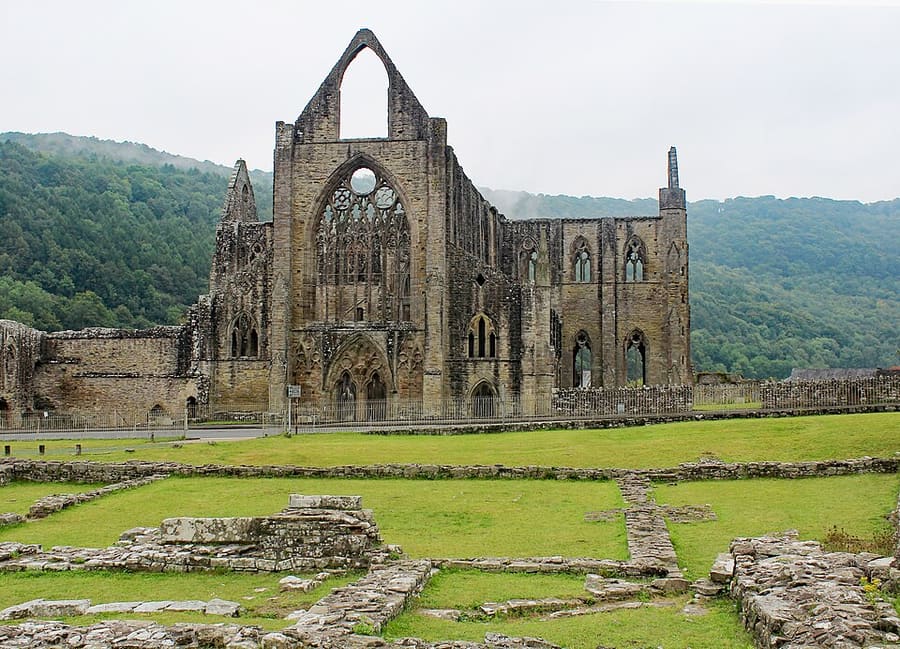
Ruined Cistercian abbey on the Welsh bank of the River Wye, founded in 1131 as the first Cistercian house in Wales.
cadw.gov.wales →
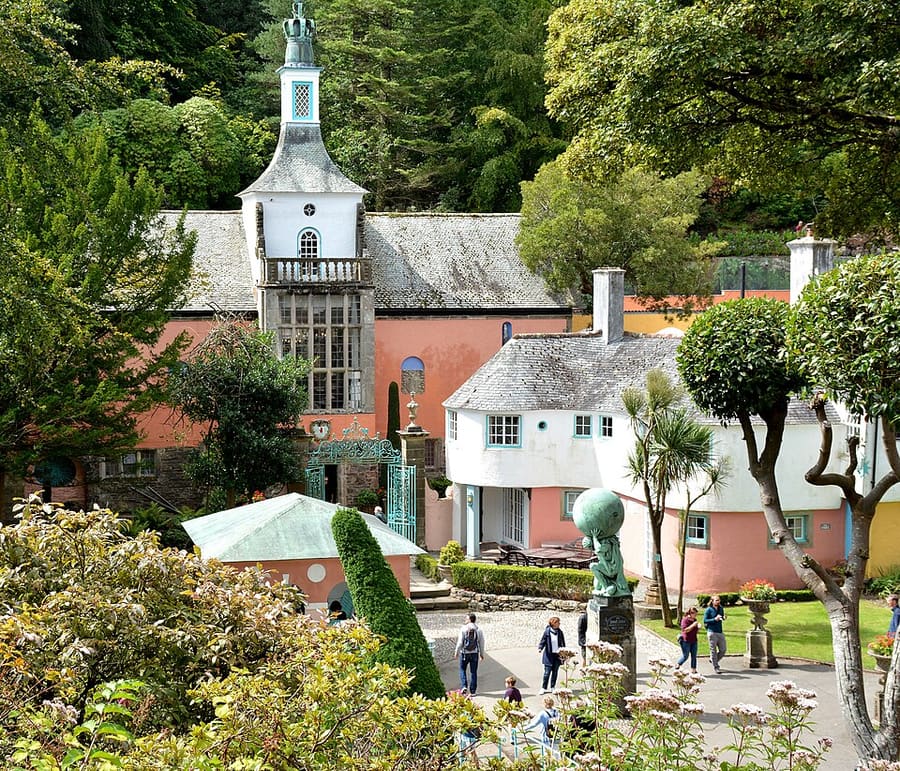
An Italianate-style village on the coast of north Wales, reached from Eryri or the Llŷn.
portmeirion.wales →FAQ
Five to seven days lets you use two or three bases, for example Cardiff with the Bannau Brycheiniog and Gower, or Eryri with Conwy and Llandudno. The areas are far apart, so avoid trying to cover them all in a short trip.
Visit Cardiff says Cardiff is less than two hours from London by train, with services every 30 minutes. Check Great Western Railway or National Rail for current times.
Not in Cardiff, Swansea, Conwy, Llandudno or Tenby, which are compact. In the national parks buses and trains reach many key points, including the Sherpa'r Wyddfa buses around Yr Wyddfa, the Pembrokeshire coastal buses and the TrawsCymru T4, T6 and T10, but a car gives more freedom in the most remote areas.
Eryri is the Welsh name for Snowdonia, and Bannau Brycheiniog is the Welsh name for the Brecon Beacons; both are national parks. The third Welsh national park is the Pembrokeshire Coast.
It is the highest mountain in Wales and more than 600,000 people hike it every year, according to the Eryri National Park Authority. The authority publishes safety advice and winter ground condition reports; check them and the weather before you go.
Nearby places
Our closest other guides, by straight-line distance between centres. Road and rail distances are longer: check a journey planner.
Photos from Wikimedia Commons, used under the licences shown. All photo credits
Plan it properly
Keep exploring