 English (UK)
 English (US)
 Français
 Deutsch
 Español
 Italiano
 Nederlands
 简体中文
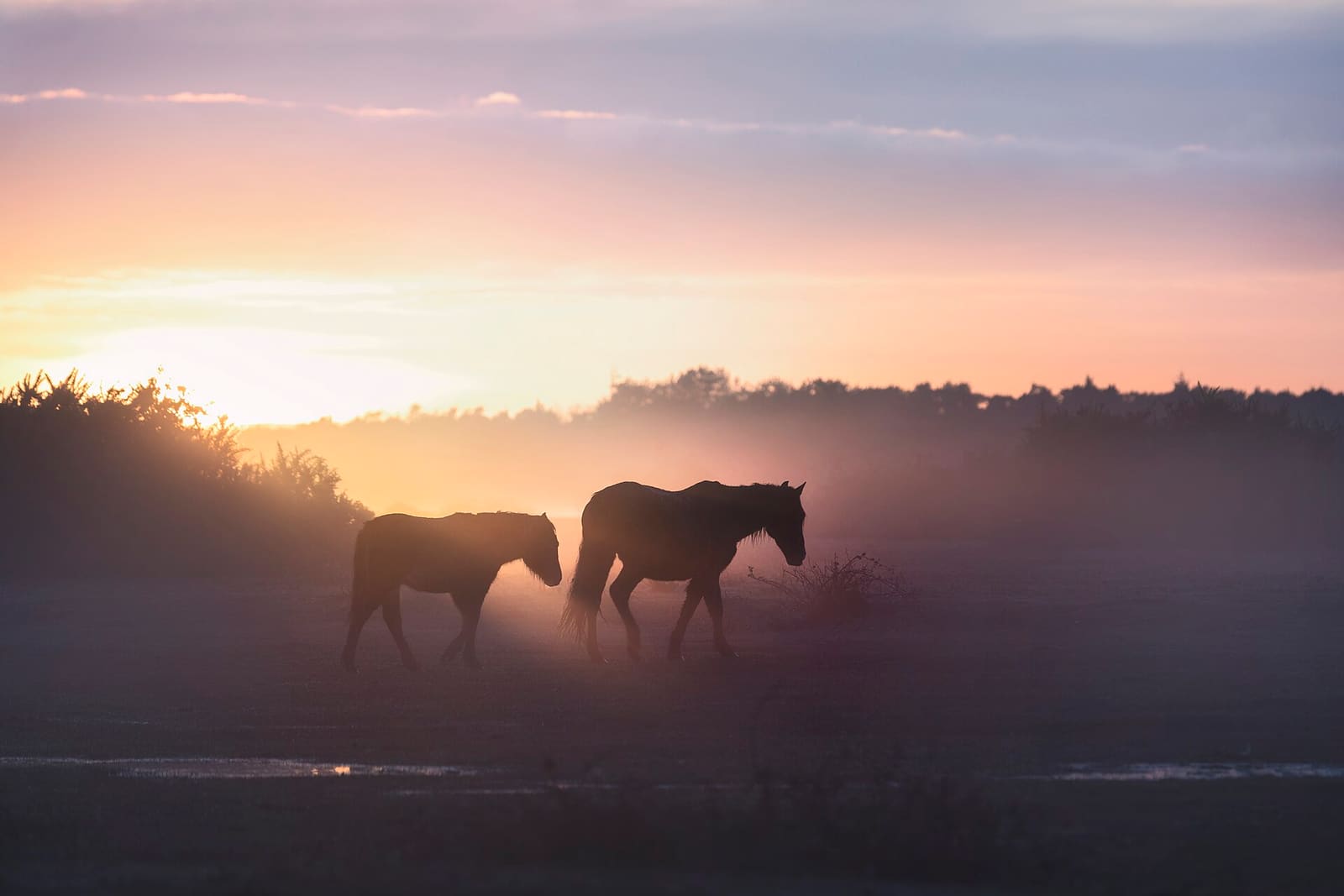
The New Forest
Ponies on open heath, ancient woodland, Beaulieu and Buckler's Hard, and the Solent coast at Lymington
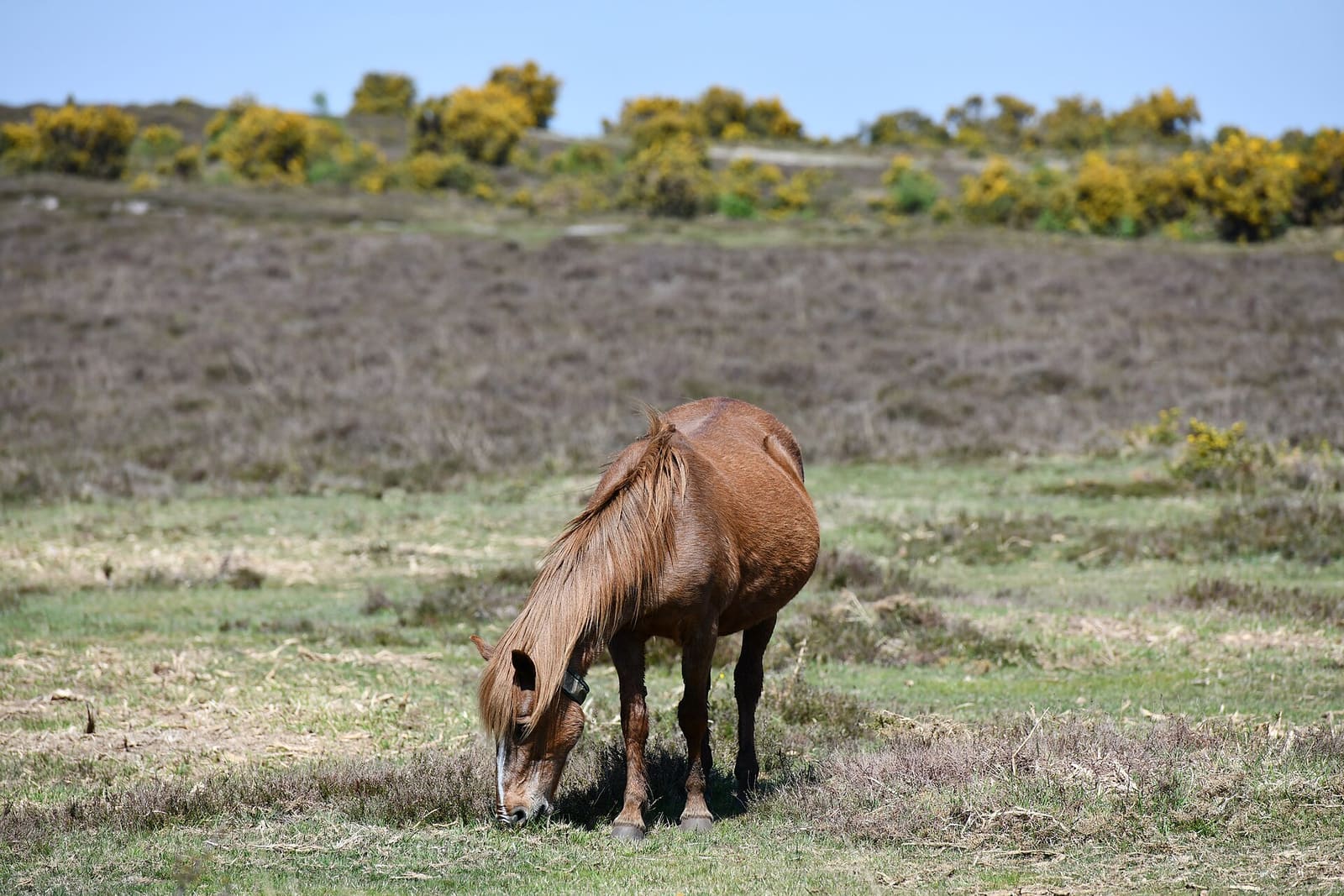
The New Forest in south-west Hampshire was proclaimed a royal forest by William the Conqueror in about 1079 and became a national park on Mar 1, 2005. It is a mix of ancient woodland, heath, bog and timber inclosures where commoners still turn out ponies, cattle and donkeys to graze, and pigs in the autumn pannage season. The animals roam freely, often across the roads.
Lyndhurst, the Forest's administrative centre, and Brockenhurst, the main railway station, sit in the middle of the park among the ornamental drives, arboretums and cycle tracks. To the south-east are Beaulieu, with the National Motor Museum and its abbey ruins, the shipbuilding hamlet of Buckler's Hard and Exbury Gardens; to the south-west is Lymington, a sailing town with ferries to the Isle of Wight.
- National park sinceMar 1, 2005Proclaimed a royal forest by William the Conqueror in about 1079 (Wikipedia)
- AreaAbout 566 km²Wikipedia; Forestry England manages 47% of the National Park
- From LondonAbout 90 minutesBrockenhurst station from London Waterloo, according to the National Park Authority
Areas
2 places to begin
Each area has its own mini guide with 20 sights, places to eat and drink, and where to stay across the city.
Lyndhurst and Brockenhurst
The Forest's two main villages, the ornamental drives, the Knightwood Oak and the Rufus Stone
Open the mini guide →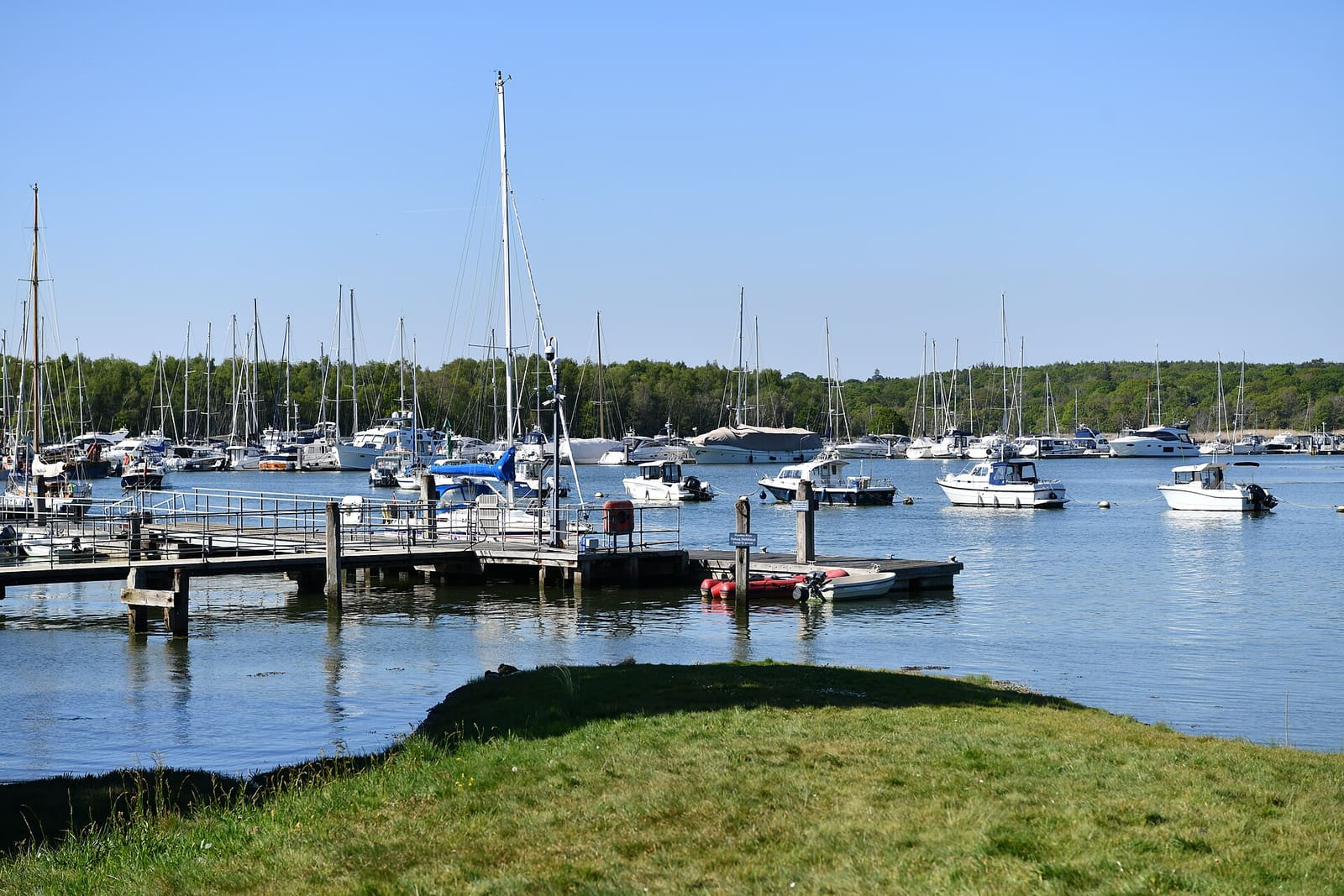
Beaulieu and Lymington
The National Motor Museum and Beaulieu Abbey, Buckler's Hard, Exbury Gardens and the harbour town of Lymington
Open the mini guide →Sights
Highlights across The New Forest
A sight from each area. Every area guide lists the rest, with directions and official links.
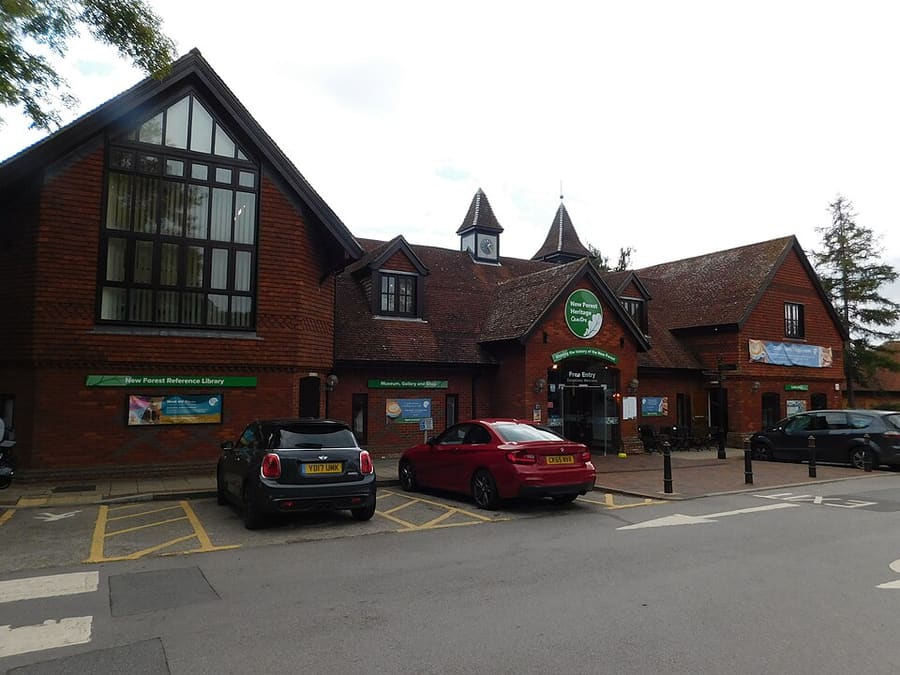
New Forest Heritage Centre
Free museum on the Forest's history, commoning and ancient laws; its 7.5-metre New Forest Embroidery shows 1079 to 1979.
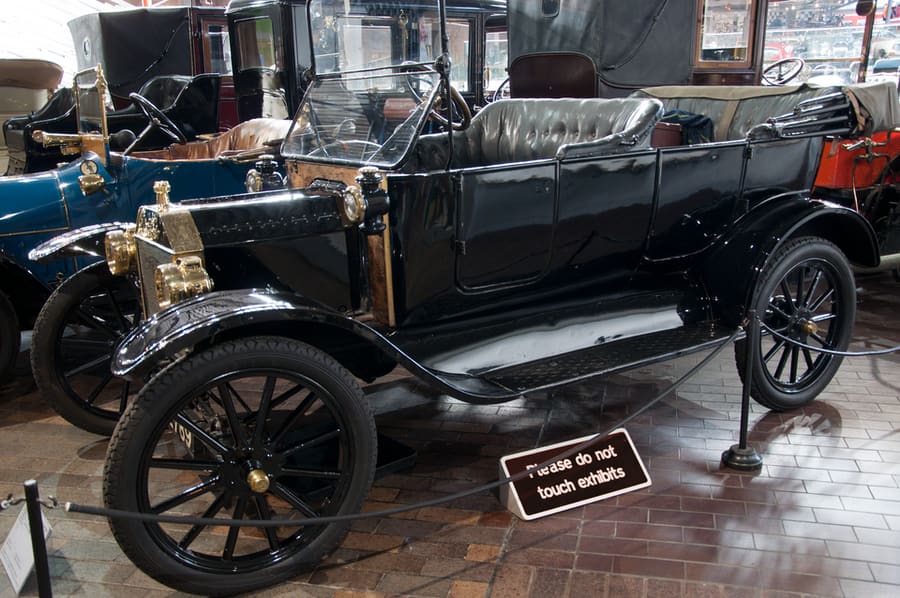
National Motor Museum
Cars and motorcycles from pioneering vehicles to Formula 1 cars and land speed record breakers, on the Beaulieu estate.
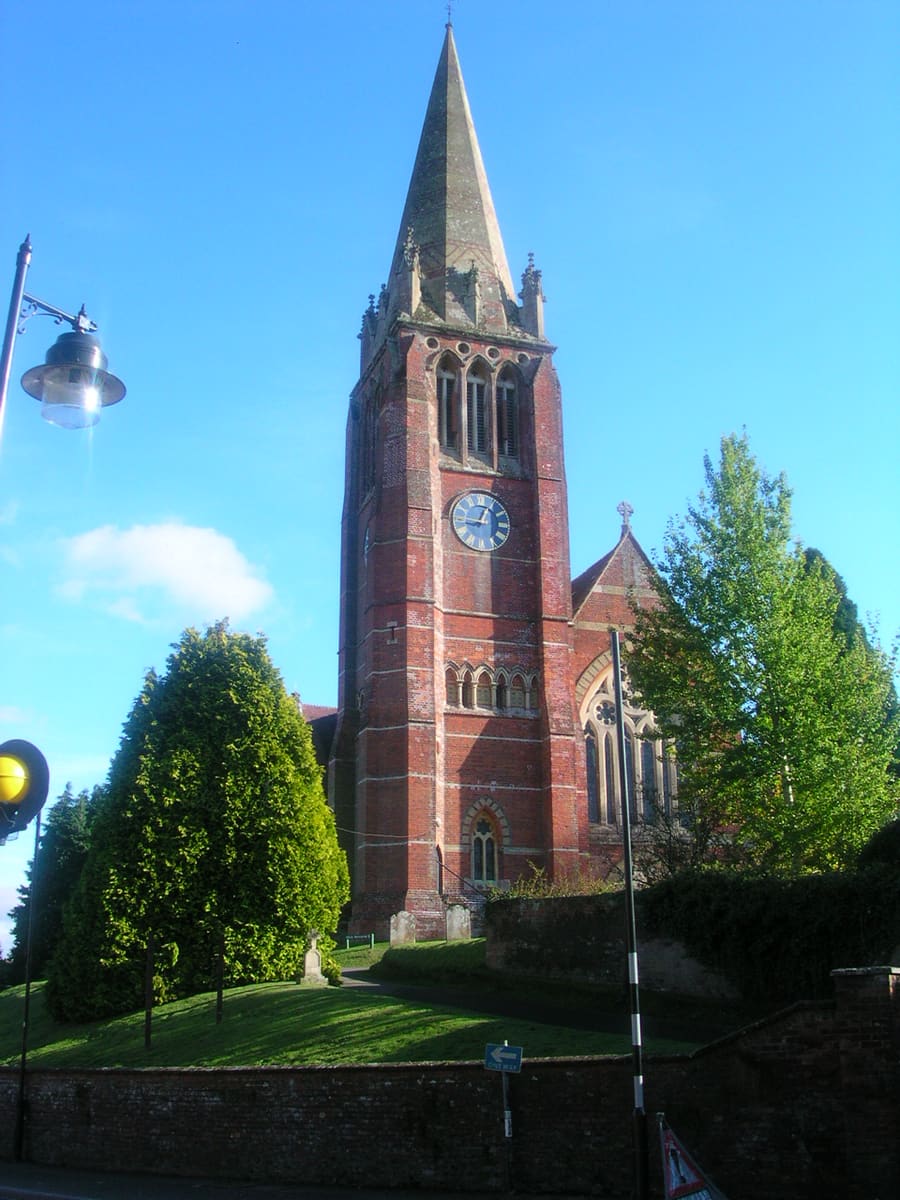
Church of St Michael and All Angels, Lyndhurst
Victorian brick church with a fresco by Frederic Leighton and Morris and Burne-Jones glass; Alice Liddell is buried in the churchyard.
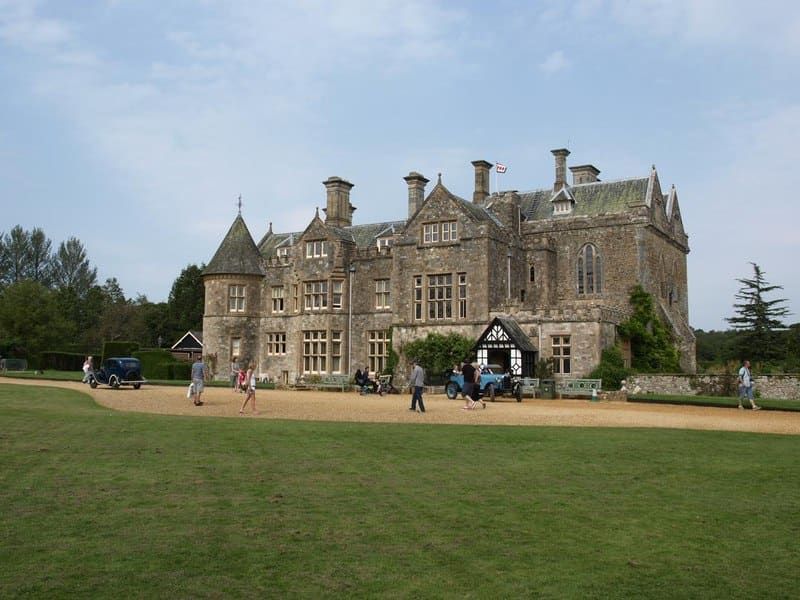
Palace House
Montagu family home at Beaulieu, where costumed guides show what life was like in Victorian times; included in the Beaulieu ticket.
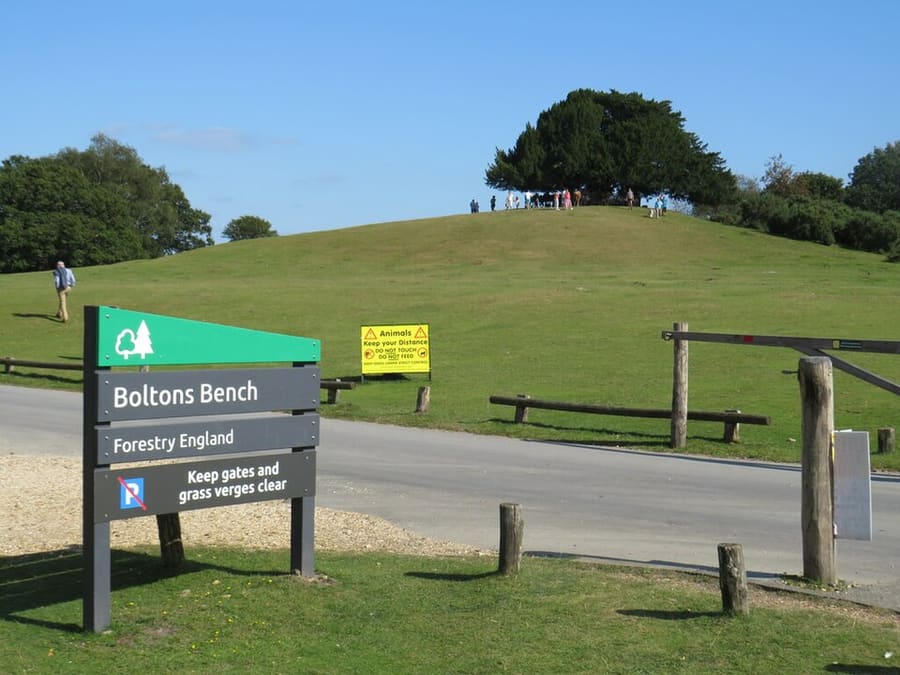
Bolton's Bench
Small hill and viewpoint at the east end of Lyndhurst; local folklore says it was once the body of a dragon.

Beaulieu Abbey
Ruins of a Cistercian abbey founded by King John in 1203 to 1204, with the cloister and a herb garden.
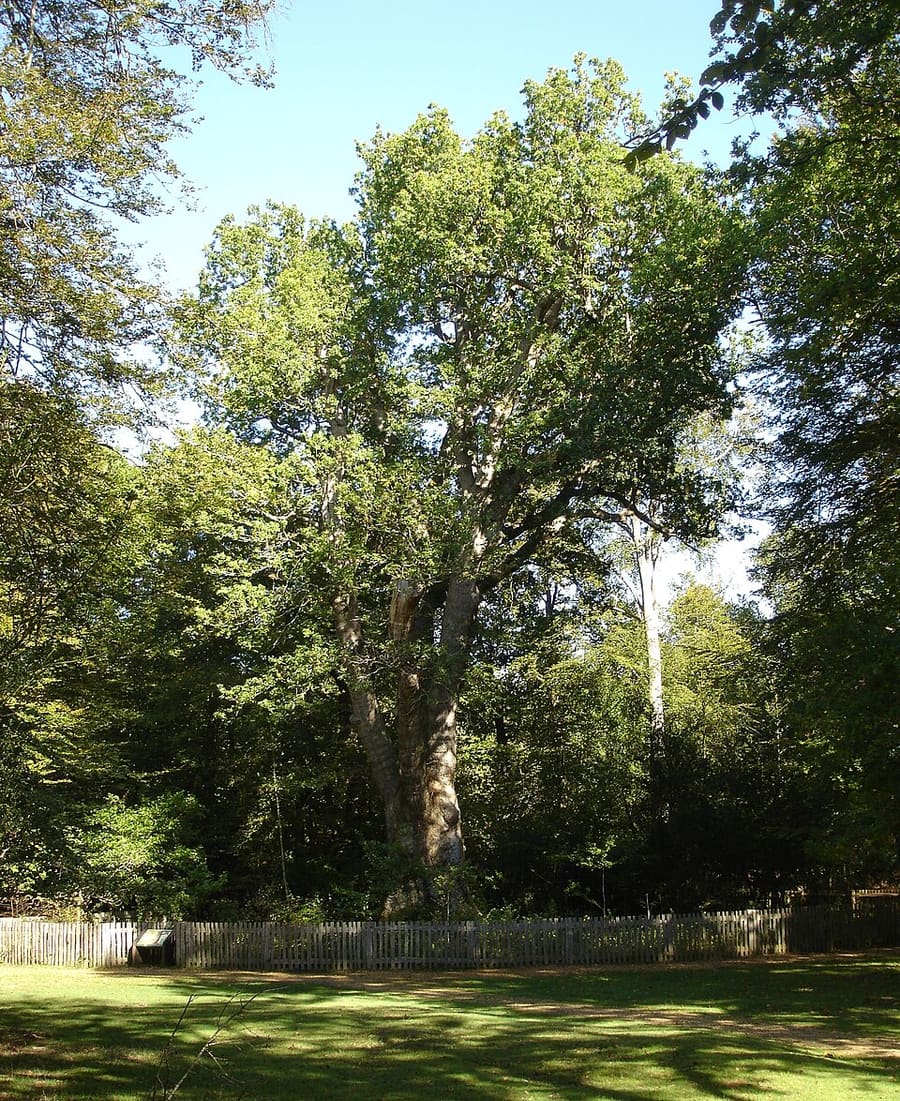
Knightwood Oak
Forestry England calls this 500-year-old oak the largest and most famous in the New Forest; it stands by the Bolderwood Ornamental Drive.
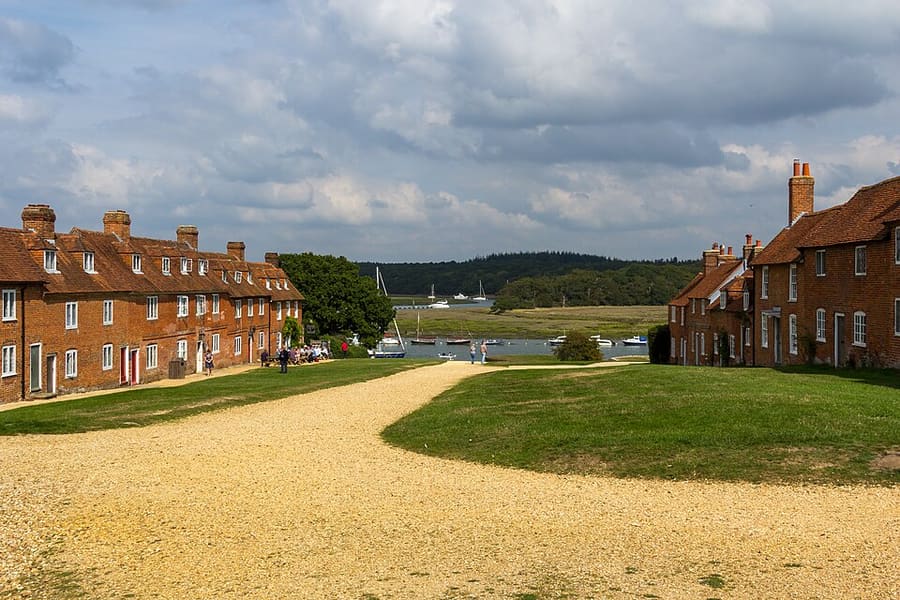
Buckler's Hard
Georgian hamlet on the Beaulieu River where ships for Nelson's navy were built; museum and reconstructed cottages.
Photos
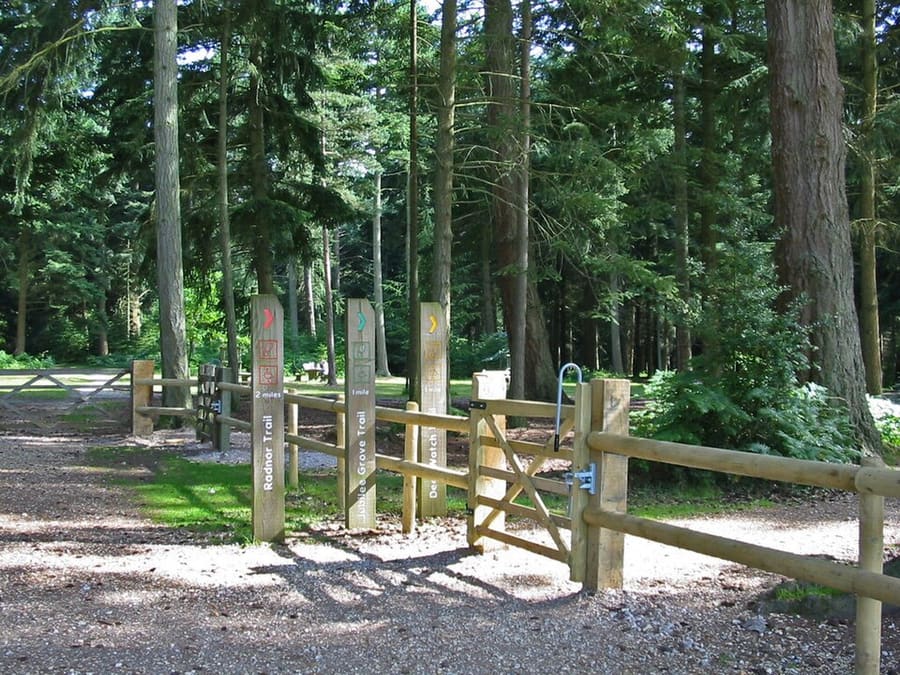 1 / 12
With kids in The New Forest
Animal attractions, railways, science centres, beaches and caves from our The New Forest guide, grouped by type. We hold no age ratings or child prices: check each place’s own site for age limits, height rules and family tickets.
Animals and wildlife
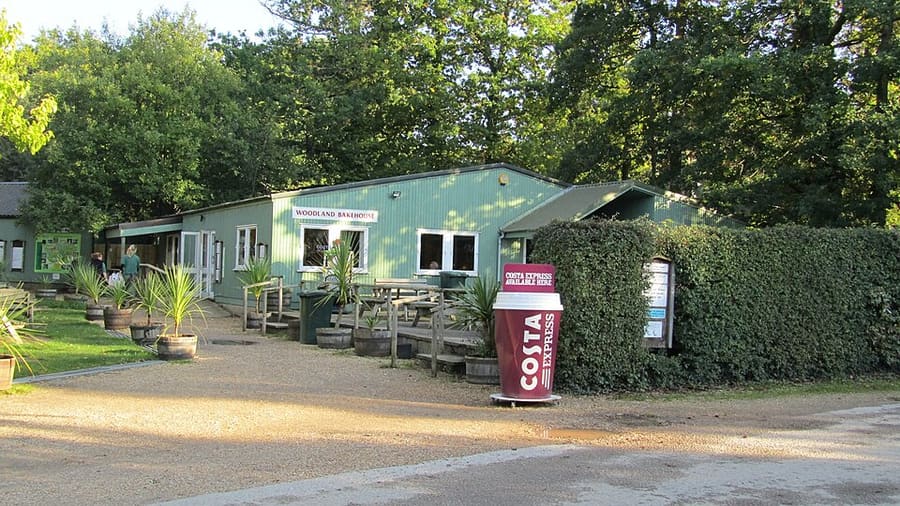 New Forest Wildlife ParkWildlife park, Lyndhurst and Brockenhurst
Practical help: travelling with children and where to stay in The New Forest.
Getting there
Arriving in The New Forest
Brockenhurst, in the middle of the Forest, is on the main line from London Waterloo to Bournemouth and Weymouth, and Lymington has ferries to the Isle of Wight. Times and fares change, so check the operators before you travel.
By train
The National Park Authority says Brockenhurst station is in the heart of the Forest and about 90 minutes from London Waterloo. South Western Railway serves it from London, Winchester, Southampton, Bournemouth and Weymouth, and CrossCountry links the Forest with Reading, Oxford and Birmingham. A branch line runs from Brockenhurst to Lymington Town and Lymington Pier; there are also stations at Ashurst, Beaulieu Road, Sway and New Milton.
By bus
The New Forest Breezer 86 (Bluestar) runs from Totton through Lyndhurst and Brockenhurst to Lymington, and morebus runs the Breezer 81 and 82 from Lymington towards Christchurch and Bournemouth, according to the National Park Authority. In summer the open-top New Forest Tour runs hop-on, hop-off routes; Beaulieu gives its 2026 season as 4 July to 13 September.
From the Isle of Wight
Wightlink's vehicle ferry, which also takes foot passengers, crosses between Yarmouth and Lymington. Lymington Pier station is beside the ferry terminal, with trains to Brockenhurst.
By car
For Beaulieu, the attraction gives junction 2 of the M27 and then the brown tourist signs. Forestry England began charging for its New Forest car parks on Apr 20, 2026; park only in car parks, not on verges or in gateways, and expect ponies, cattle and donkeys on the roads.
Travel details are as published by the National Park Authority, Beaulieu and Forestry England (checked Nov 3, 2026). Check the operator before you travel.
Bus and tour bus
The Breezer 86 links Lyndhurst, Brockenhurst and Lymington. In summer the open-top New Forest Tour links Lyndhurst, Brockenhurst station, Beaulieu and Lymington on its Green Route, and takes bikes and well-behaved dogs.
Cycling
The National Park Authority asks cyclists to keep to the waymarked cycle routes and linking roads. Forestry England's car parks at Bolderwood and Blackwater are starting points for trails.
Driving
Animals have no road sense and wander onto the roads at any time; the National Park Authority asks drivers to pass them wide and slow, especially on dark autumn and winter evenings.
Best time to go
The New Forest through the year
The Forest is open all year, and each season brings something different. The National Park Authority's seasonal guidance explains what to look out for and how to visit without disturbing the wildlife.
Foals are born on the Forest, and rare birds such as curlew nest on the ground between March and August: keep to the main tracks and keep dogs close. Exbury's rhododendrons and azaleas flower in spring.
The open-top New Forest Tour runs (4 July to 13 September in 2026). Fires and barbecues of any kind are banned on the open Forest, which matters most in hot, dry weather.
Pannage pigs are turned out to eat acorns, the deer rut begins and the Forest has an estimated 2,700 species of fungi. Look, but do not pick them.
Quieter paths, over-wintering birds on the 26 miles of coast and forestry work that can close some car parks. Exbury Gardens close for winter apart from Christmas events.
FAQ
Good to know before you go
Can I feed or stroke the New Forest ponies?
No. The New Forest Code asks visitors to keep their distance and never feed or touch the animals, and New Forest District Council has Public Spaces Protection Orders banning feeding or petting ponies and donkeys in specific areas.
Can I have a barbecue in the New Forest?
No. Fires and barbecues of any type, including disposable barbecues, are banned on the open Forest under the council's orders, as the National Park Authority explains.
Do I need a car?
Not necessarily. Brockenhurst has direct trains from London Waterloo, the Breezer 86 bus links Lyndhurst, Brockenhurst and Lymington, and the New Forest Tour runs in summer.
Who owns the ponies?
The ponies, cattle and donkeys belong to commoners, local people with rights to graze animals on the open Forest. Their grazing keeps the heath and lawns open.
Nearby places
Guides near The New Forest
Our closest other guides, by straight-line distance between centres. Road and rail distances are longer: check a journey planner.
Photo credits
- The New Forest (header): Joana Kruse joanaimages.com, CC BY-SA 4.0, source
- Lyndhurst and Brockenhurst: Michael Garlick, CC BY-SA 2.0, source
- Beaulieu and Lymington: Michael Garlick, CC BY-SA 2.0, source
- New Forest Heritage Centre: Bryn Holmes, CC BY-SA 2.0, source
- National Motor Museum: Paul Hermans, CC BY-SA 3.0, source
- Church of St Michael and All Angels, Lyndhurst: Charlesdrakew at English Wikipedia, Public domain, source
- Palace House: David Gearing, CC BY-SA 2.0, source
- Bolton's Bench: Malc McDonald, CC BY-SA 2.0, source
- Beaulieu Abbey: Adam lebaigue, CC BY-SA 4.0, source
- Knightwood Oak: User:MalcolmGould, CC BY-SA 3.0, source
- Buckler's Hard: Photograph by Mike Peel (www.mikepeel.net)., CC BY-SA 4.0, source
- Bolderwood: Clive Perrin, CC BY-SA 2.0, source
- Exbury Gardens: David Smith, CC BY-SA 2.0, source
- Blackwater Arboretum: Roman Hobler, CC BY-SA 2.0, source
- Lepe Country Park: John Lucas, CC BY-SA 2.0, source
- Wilverley: Mike Smith, CC BY-SA 2.0, source
- Hatchet Pond: Mike Faherty, CC BY-SA 2.0, source
- Rufus Stone: David Hunt, Public domain, source
- St Barbe Museum & Art Gallery: Elliott Brown from Birmingham, United Kingdom, CC BY 2.0, source
- Furzey Gardens: Gillian Moy, CC BY-SA 2.0, source
- Lymington: Charlesdrakew (talk), Public domain, source
- New Forest Wildlife Park: J W Parker, CC BY-SA 2.0, source
- Burley: nick macneill, CC BY-SA 2.0, source
Photos from Wikimedia Commons, used under the licences shown. All photo credits
Plan it properly
More guides for the New Forest
- Where to stay in the New ForestWhich area suits which traveller, with every stay we have checked.
- Getting around the New ForestWith and without a car, from official transport pages.
- When to go to the New ForestMonth-by-month weather, daylight and what to pack.
- Rainy-day ideas in the New ForestIndoor things to do, by area.
- Events in the New ForestFestivals, markets and seasonal events from the organisers.
- Attractions in the New ForestSights and museums with entry and access flags where verified.
Keep exploring