 English (UK)
 English (US)
 Français
 Deutsch
 Español
 Italiano
 Nederlands
 简体中文


Pet entry rules are set by government and can change at short notice. This page summarizes GOV.UK as read on Oct 25, 2026 and is not a substitute for it: check gov.uk, and your vet, before you travel.
Bringing a pet to Britain
GOV.UK’s page on bringing a dog, cat or ferret to Great Britain (England, Wales and Scotland) says:1
- Use an approved pet route. This is not required for travel within the UK or from Ireland.
- The pet must be microchipped before its rabies vaccination, and you must wait at least 21 full days after the first vaccination (or the last in the first course) before traveling. Some departure countries also require a rabies blood test.
- Dogs must be treated for tapeworm 24 hours to 5 days before arrival.
- Get a travel document from your vet; the type depends on the country you travel from. Complete a pet travel declaration if you will not sell or transfer ownership of the pet.
- Banned dog breeds need a valid Certificate of Exemption to enter.
- Pets that do not meet the rules may be quarantined for up to 4 months or refused entry if they arrived by sea, and you may be charged fees. Separate guidance covers guide and assistance dogs.
Northern Ireland has its own arrangements that this page does not cover: check gov.uk.
Trains, coaches and taxis
- National Rail. You are welcome to bring up to 2 animals at no extra charge; beyond two a fee may apply, so check with the train company. Keep dogs on a lead or in a pet carrier on the train and at stations. Other animals such as cats or birds go in a rigid, closed carrier large enough for the pet to stand and lie down. Animals are not allowed on seats. On sleeper trains, dogs other than assistance dogs may incur a charge for a heavy-duty clean.2
- Assistance dogs travel free under the Assistance Dogs Travel Scheme and may join you in the restaurant car if a suitable table and seat are free.2 National Express welcomes assistance dogs and recommends pre-booking with its Assisted Travel Team.3 GOV.UK sets the taxi rule for people with a mobility or dexterity impairment or epilepsy.4 See accessible travel.
- Buses, coaches, ferries and the Tube. Operators set their own rules for pets and we did not fetch them, so we state none. The National Express page we read covers assistance dogs and does not describe a policy for other pets: ask before you book. For London, check TfL.

Dog-friendly pubs
These pubs come from our pub guide: on their own websites, they say dogs are welcome (checked Oct 25, 2026). Some restrict dogs to certain rooms, so ask before you take a dog into a dining area. A listing is not a guarantee that a pub is open today.
London
- Official site for Masons Arms (opens in new tab)
Masons Arms
Its website says dogs are welcome
- Official site for Museum Tavern (opens in new tab)
Museum Tavern
Its website says dogs are welcome
- Official site for The Plough (opens in new tab)
The Plough
Its website says dogs are welcome
- Official site for The Rising Sun (opens in new tab)
The Rising Sun
Its website says dogs are welcome
Bath
- Official site for The Huntsman (opens in new tab)
The Huntsman
Its website says dogs are welcome
- Official site for Crystal Palace (opens in new tab)
Crystal Palace
Its website says dogs are welcome
- Official site for The West Gate (opens in new tab)
The West Gate
Its website says dogs are welcome
Cambridge
- Official site for Baron of Beef (opens in new tab)
Baron of Beef
Its website says dogs are welcome
- Official site for The Pickerel (opens in new tab)
The Pickerel
Its website says dogs are welcome
- Official site for The Eagle (opens in new tab)
The Eagle
Its website says dogs are welcome
Edinburgh
- Official site for Doctors (opens in new tab)
Doctors
Its website says dogs are welcome
- Official site for The White Hart Inn (opens in new tab)
The White Hart Inn
Its website says dogs are welcome
- Official site for Tolbooth Tavern (opens in new tab)
Tolbooth Tavern
Its website says dogs are welcome
Manchester
- Official site for The Wharf (opens in new tab)
The Wharf
Its website says dogs are welcome
- Official site for The Deansgate (opens in new tab)
The Deansgate
Its website says dogs are welcome
- Official site for BrewDog Manchester (opens in new tab)
BrewDog Manchester
Its website says dogs are welcome
Oxford
- Official site for The Head of the River (opens in new tab)
The Head of the River
Its website says dogs are welcome
- Official site for The Bear (opens in new tab)
The Bear
Its website says dogs are welcome
- Official site for The Duke of Monmouth (opens in new tab)
The Duke of Monmouth
Its website says dogs are welcome
The Cotswolds
- Official site for The Kingsbridge Inn (opens in new tab)
The Kingsbridge Inn
Its website says dogs are welcome
- Official site for The Old Manse (opens in new tab)
The Old Manse
Its website says dogs are welcome
- Official site for Lygon Arms Tavern and Wine Bar (opens in new tab)
Lygon Arms Tavern and Wine Bar
Its website says dogs are welcome
York
- Official site for The Rook and Gaskill Inn (opens in new tab)
The Rook and Gaskill Inn
Its website says dogs are welcome
- Official site for The Rose and Crown (opens in new tab)
The Rose and Crown
Its website says dogs are welcome
- Official site for The Windmill (opens in new tab)
The Windmill
Its website says dogs are welcome
We hold dog-friendly pub checks for 8 of 60 destinations. Elsewhere, check a pub’s own website or phone ahead.


Beaches and seasonal restrictions
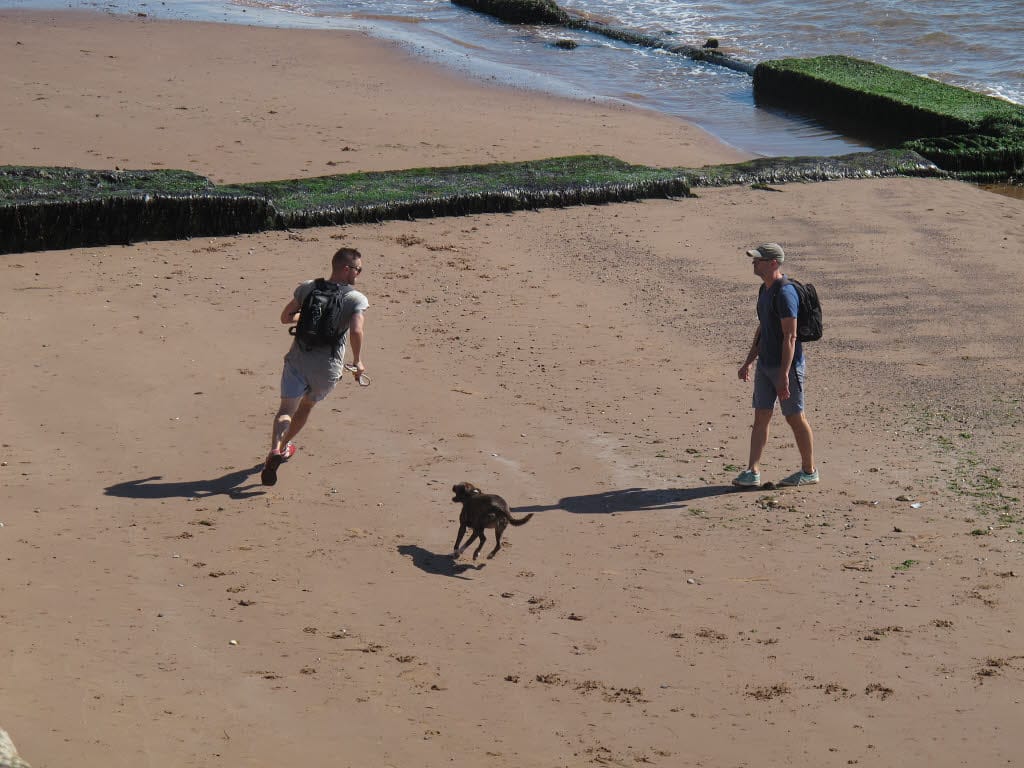
There is no single national list: councils set their own dog restrictions for beaches, often in summer, and the rules differ by beach. Examples as the councils state them:
- Cornwall. Cornwall Council lists beaches where dogs are prohibited from 10am to 6pm between July 1 and August 31, others between May 15 and September 30, a lead rule at Summerleaze, Bude, from May 21 to September 30, and some sites with an all-year ban. Its page showed “Last Updated: 23/10/2026”.5
- Pembrokeshire. Pembrokeshire County Council says summer dog bans run between May 1 and September 30 each year; Tenby North Beach and Whitesands, St Davids have total bans and other listed beaches partial bans.6
For any other coast, search for “dogs on beaches” on the website of the local council. Private beaches and nature reserves may have their own rules. See our Cornwall and Wales guides.
Where to stay
Pet policies vary property by property, and some places charge a fee or limit rooms. We hold no pet-policy data, so ask the property before you book, and check the rules in your booking confirmation. Start with where to stay. See also traveling with children.
Questions people ask
Can I bring my dog to Great Britain from abroad?
GOV.UK says your dog, cat or ferret must be microchipped, vaccinated against rabies (with at least a 21-day wait after the first vaccination), travel on an approved route with the right travel document, and a dog must be treated for tapeworm 24 hours to 5 days before arrival. Pets that do not meet the rules may be quarantined for up to 4 months or refused entry. Check GOV.UK for your own case.
Can dogs travel on trains in Britain?
National Rail says you are welcome to bring up to 2 animals at no extra charge, with dogs on a lead or in a carrier, other animals in a rigid closed carrier, and no animals on seats. Check your train company for the latest rules.
Are dogs allowed on every beach?
No. Councils set their own seasonal restrictions. Cornwall Council lists beaches with dog restrictions between July 1 and August 31 or May 15 and September 30, and Pembrokeshire has bans between May 1 and September 30 at named beaches. Check the council for the beach you plan to visit.