 English (UK)
 English (US)
 Français
 Deutsch
 Español
 Italiano
 Nederlands
 简体中文
Worcester
A riverside cathedral, Civil War history and Royal Worcester porcelain on the Severn
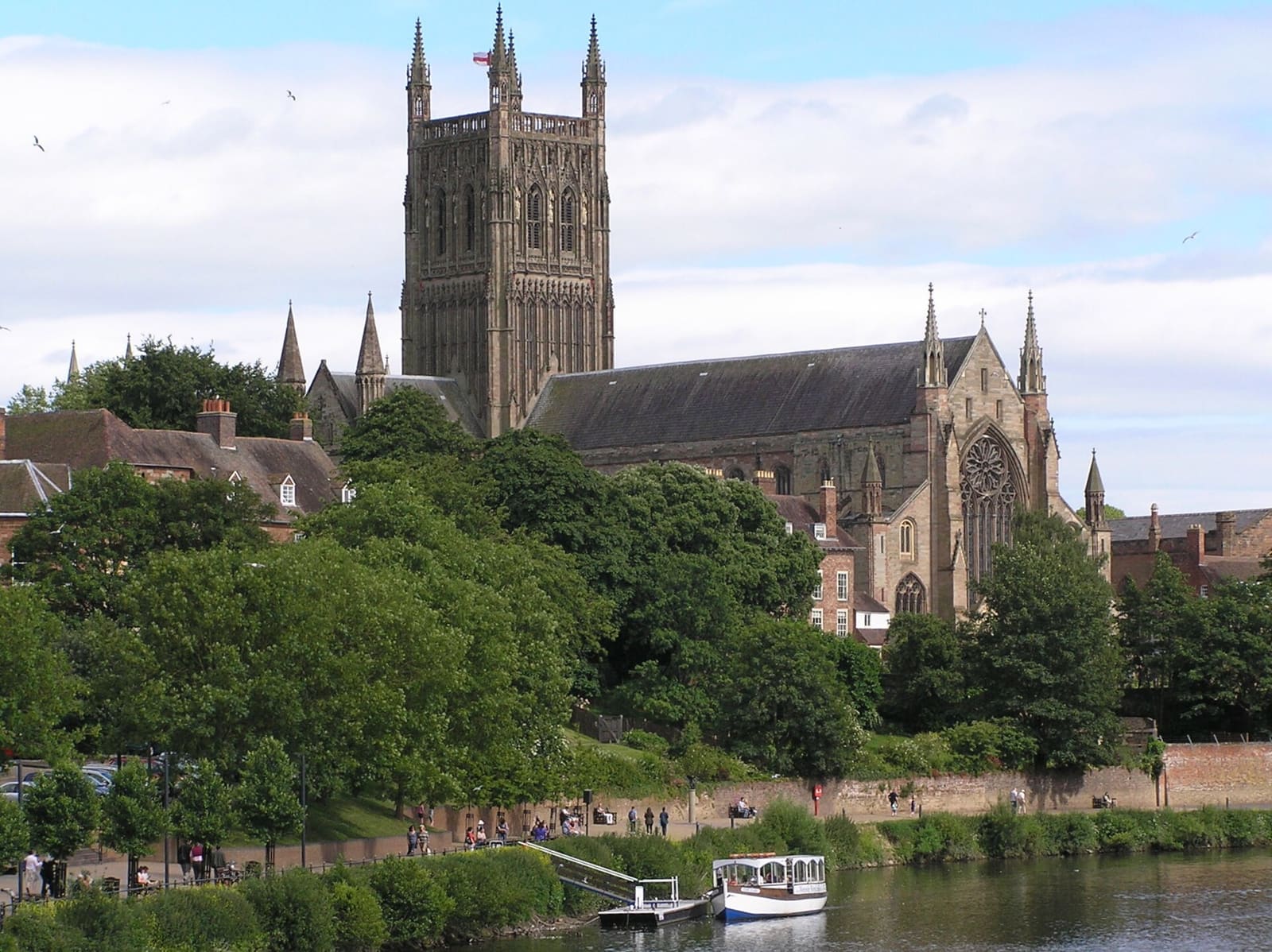
Worcester is the county town of Worcestershire, on the River Severn about 30 miles south-west of Birmingham. Its cathedral was founded in 680, and the city has been a centre of learning since. It was known for gloves, Royal Worcester porcelain and Worcestershire sauce, and as 'the Faithful City' for its Royalist loyalty: the Battle of Worcester in 1651 was the last battle of the English Civil Wars.
The cathedral stands above the river at the south end of the centre, beside the Old Palace. The Commandery, the Royalist headquarters during the battle, and the Museum of Royal Worcester are a few minutes away, and Friar Street keeps timber-framed buildings including the Greyfriars. The Guildhall is on the High Street, the city art gallery and museum on Foregate Street. About 104,000 people lived in the city at the 2021 census.
- PopulationAbout 104,0002021 census
- CathedralFounded in 680Grade I listed, with fabric from the 11th to the 16th centuries
- Battle of Worcester1651The final battle of the English Civil Wars
Areas
Where to begin
The Worcester city centre guide has 13 sights, places to eat and drink, and where to stay.
Sights
Highlights across Worcester
A sight from each area. Every area guide lists the rest, with directions and official links.
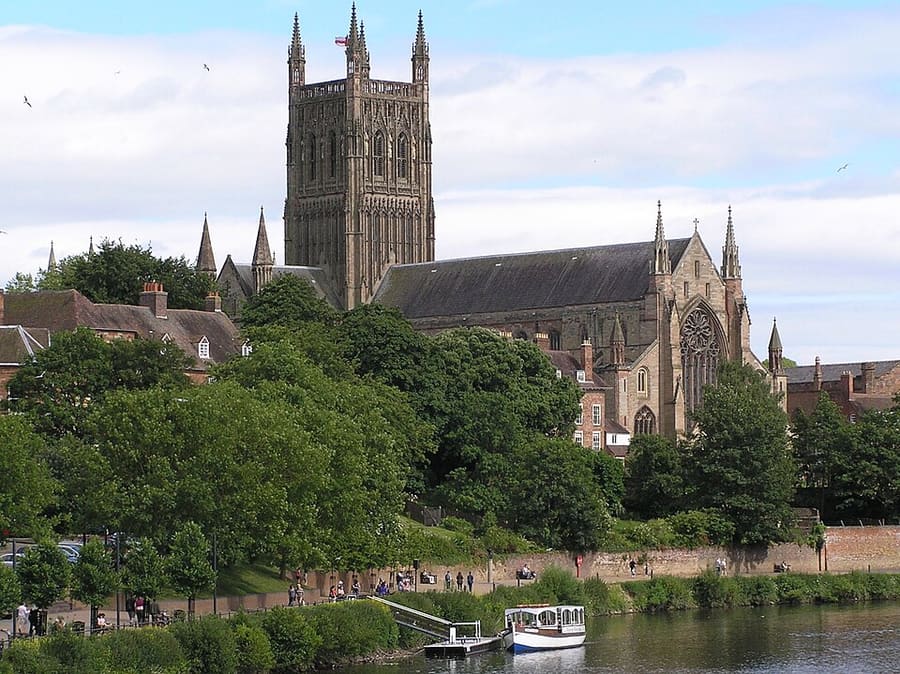
Worcester Cathedral
Cathedral founded in 680, with fabric from every century from the 11th to the 16th, beside the River Severn.
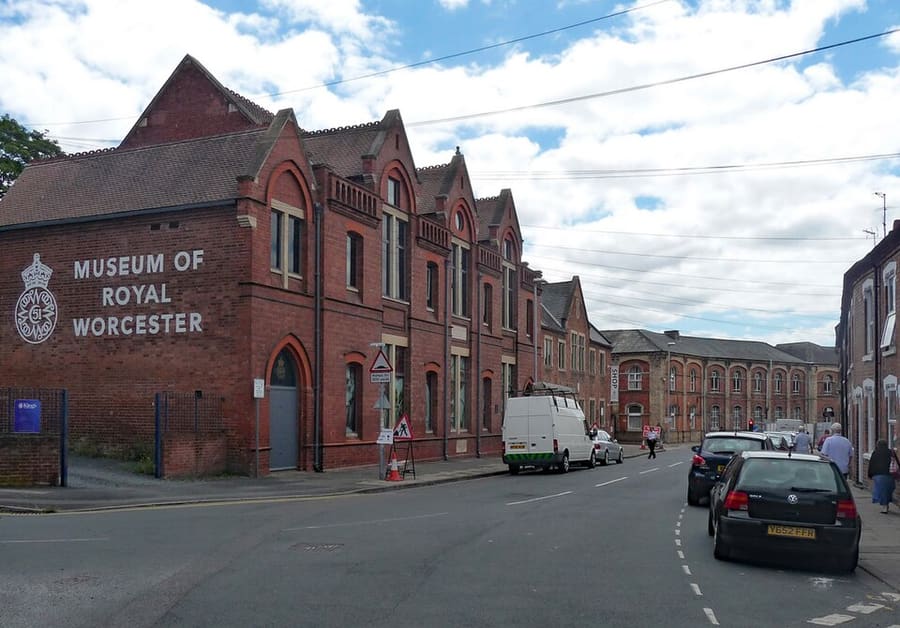
Museum of Royal Worcester
Ceramics museum on the former site of the Royal Worcester porcelain factory.
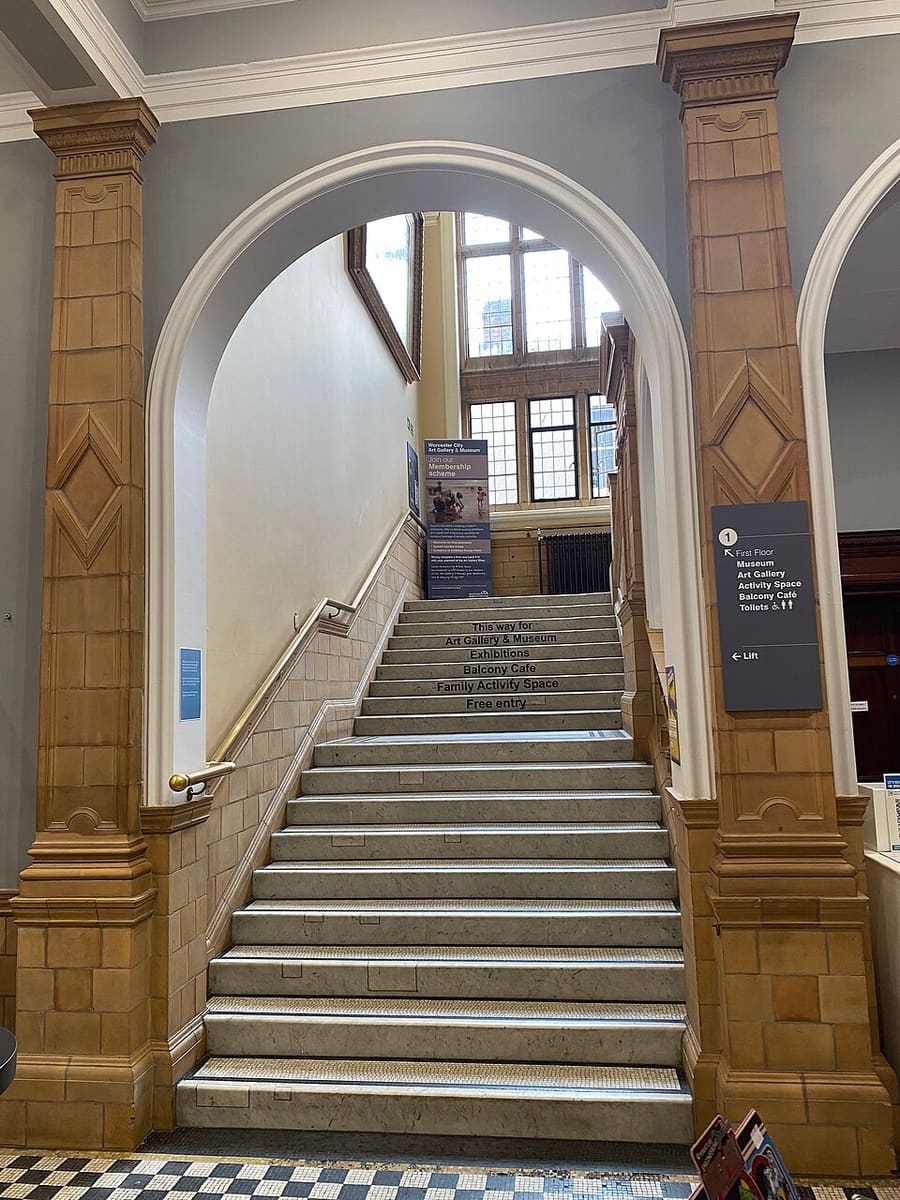
Worcester City Art Gallery & Museum
The city's art gallery and local museum, run by Museums Worcestershire.
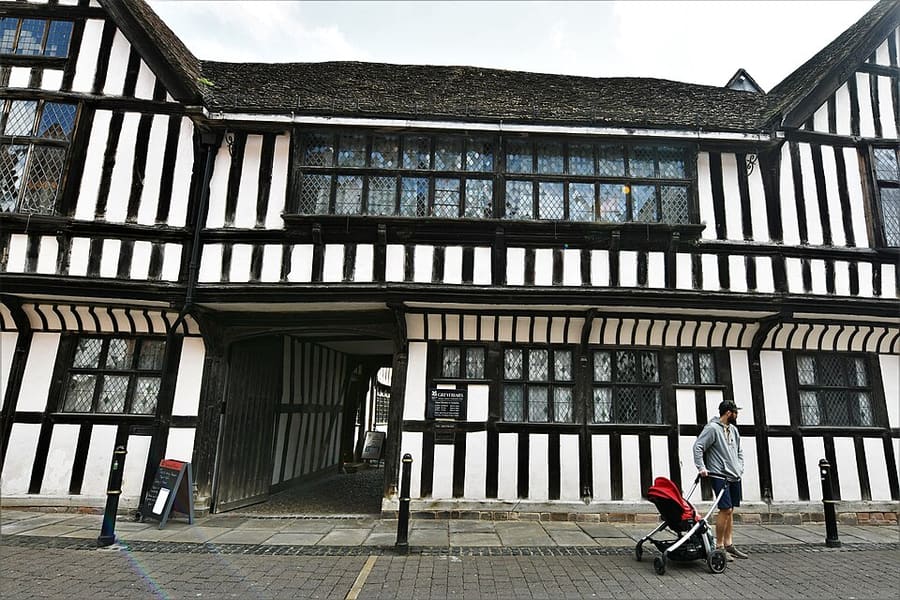
The Greyfriars
Grade I listed timber-framed house built around 1485 for the brewer Thomas Grene; owned by the National Trust since 1966.
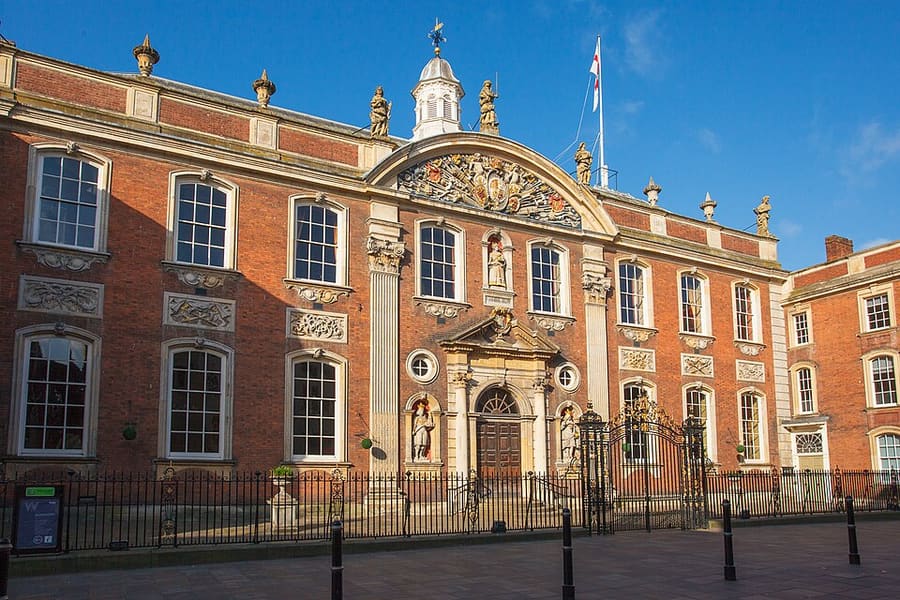
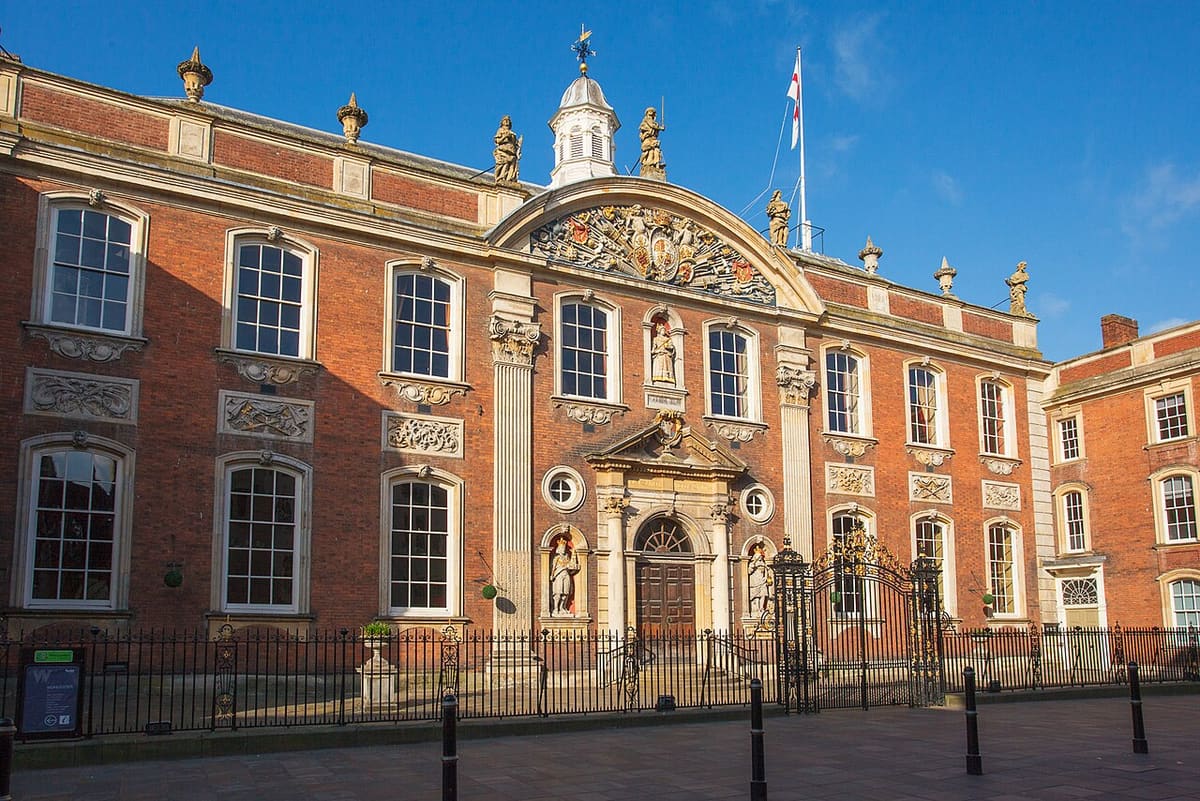
Worcester Guildhall
Grade I listed seat of the city council on the High Street, also used as a cultural venue.
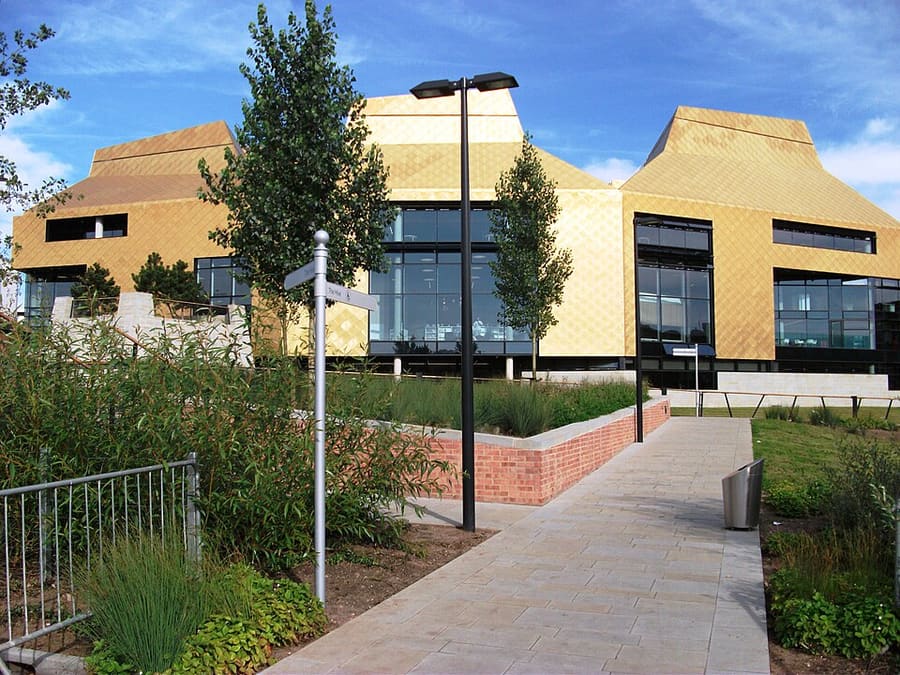
The Hive
Golden-coloured building housing the joint city and university library, the county record office and archaeology service.
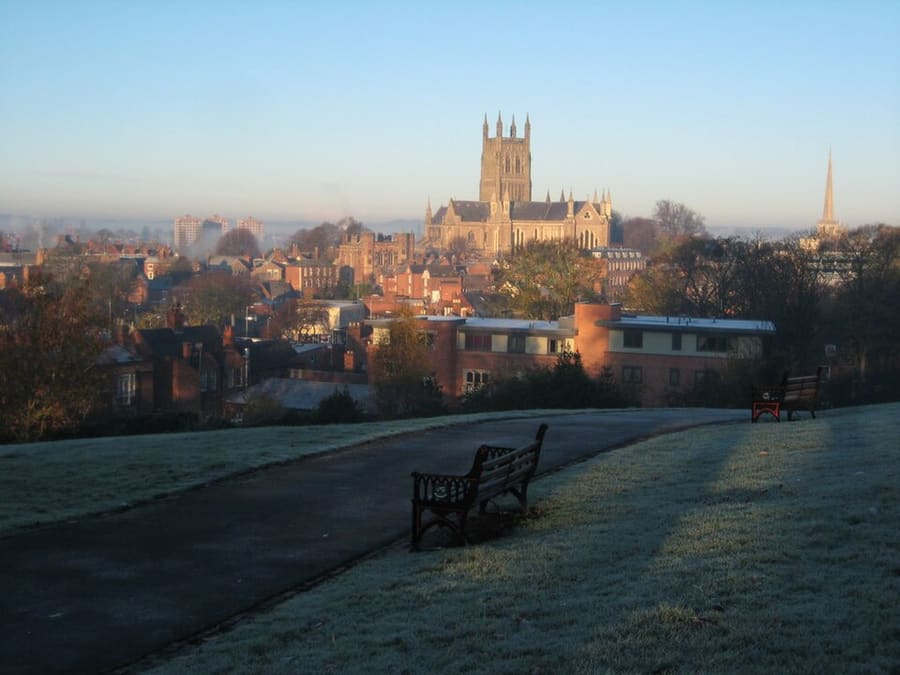
Fort Royal Park
Park on the site of the remains of an English Civil War fort.
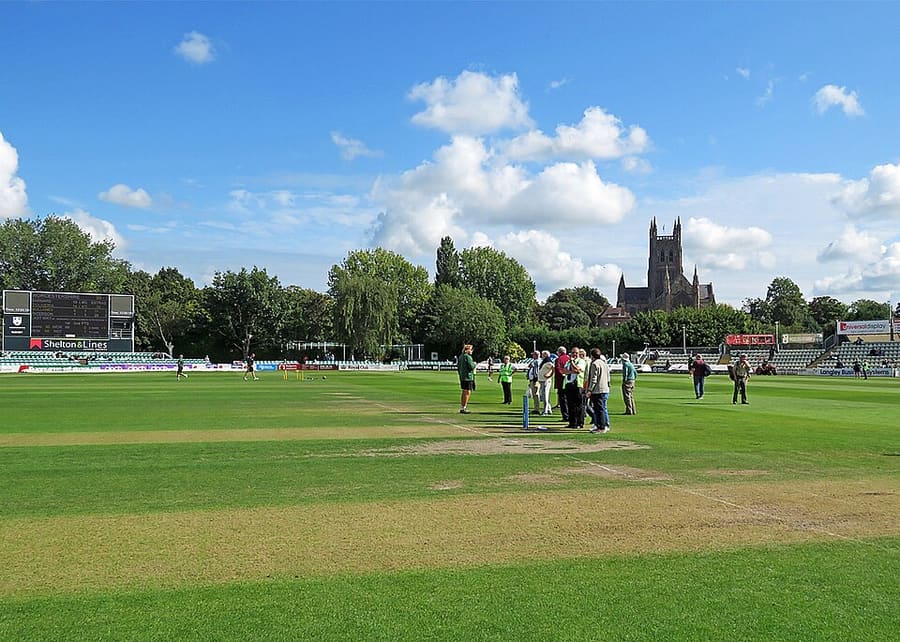
New Road
Home ground of Worcestershire County Cricket Club since 1896.
Photos
 1 / 3
Getting there
Arriving in Worcester
Worcester has two central stations, Foregate Street and Shrub Hill, plus Worcestershire Parkway outside the city. Visit Worcestershire says Great Western Railway runs from London, Bristol, Oxford and Reading, and West Midlands Railway from Birmingham. Check operators for times and fares.
Train
Great Western Railway serves Worcester from London, Bristol, Oxford, Reading and the South West; West Midlands Railway runs from Birmingham, Solihull, Stratford-upon-Avon and Stourbridge, according to Visit Worcestershire.
Birmingham Airport
The nearest airport is Birmingham. Take a train to Birmingham New Street and change for the West Midlands Railway service to Hereford, which stops at Worcester Foregate Street.
Travel details are Visit Worcestershire's, checked on Nov 3, 2026. We do not publish timetables or fares.
On foot
Foregate Street station is north of the cathedral; the cathedral, the Commandery and the Museum of Royal Worcester are at the south end of the centre, by the river.
Best time to go
Worcester through the year
Worcester's cathedral and museums are open all year. Wikipedia notes the Three Choirs Festival, which rotates between Worcester, Hereford and Gloucester, a Victorian Christmas Fayre in late November or early December, and a CAMRA beer festival on Pitchcroft each August.
County cricket at New Road, the Worcester Festival in August and the riverside at its best.
The Victorian Christmas Fayre brings crowds in late November or early December; otherwise a quiet time for the cathedral and museums.
FAQ
Good to know before you go
Which station should I use?
Worcester Foregate Street, north of the cathedral, is on the Birmingham New Street to Hereford line used from Birmingham Airport; Shrub Hill is to the east. Both are walkable from the centre.
What is the Commandery?
A historic building that has been a monastic hospital, a family home and the Royalist headquarters in the Civil War; it is now a museum run by Museums Worcestershire.
When is the Three Choirs Festival in Worcester?
It rotates each year between Worcester, Hereford and Gloucester, so Worcester hosts it every third year; check the festival's dates.
Nearby places
Guides near Worcester
Our closest other guides, by straight-line distance between centres. Road and rail distances are longer: check a journey planner.
Photo credits
- Worcester (header): SimonWiseman, CC0, source
- Worcester city centre: Richard Nicholls, CC BY-SA 3.0, source
- Worcester Cathedral: SimonWiseman, CC0, source
- Museum of Royal Worcester: Stephen Richards, CC BY-SA 2.0, source
- Worcester City Art Gallery & Museum: No Swan So Fine, CC BY-SA 4.0, source
- The Greyfriars: Michael Garlick, CC BY-SA 2.0, source
- Worcester Guildhall: Richard Nicholls, CC BY-SA 3.0, source
- The Hive: JanetMackinnon, CC BY-SA 3.0, source
- Fort Royal Park: Philip Halling, CC BY-SA 2.0, source
- New Road: John Sutton, CC BY-SA 2.0, source
- Swan Theatre: Williamjackson1651, CC BY-SA 4.0, source
- St Swithun's Church: Secretary2006, CC BY-SA 4.0, source
- The Old Palace: Tilman2007, CC BY-SA 4.0, source
Photos from Wikimedia Commons, used under the licences shown. All photo credits
Plan it properly
More guides for Worcester
- Where to stay in WorcesterWhich area suits which traveller, with every stay we have checked.
- Getting around WorcesterWith and without a car, from official transport pages.
- When to go to WorcesterMonth-by-month weather, daylight and what to pack.
- Rainy-day ideas in WorcesterIndoor things to do, by area.
- Events in WorcesterFestivals, markets and seasonal events from the organisers.
- Attractions in WorcesterSights and museums with entry and access flags where verified.
Keep exploring