 English (UK)
 English (US)
 Français
 Deutsch
 Español
 Italiano
 Nederlands
 简体中文
Britlens practical guide
Money in Britain: paying, tipping and planning a budget
What to expect when you pay, where to find cash, what happened to tax-free shopping, and a calculator that uses your own figures. We state no prices, because we have no official price source to cite.
Facts last checked Oct 25, 2026. Britlens is independent: see our editorial policy.

Cards and contactless
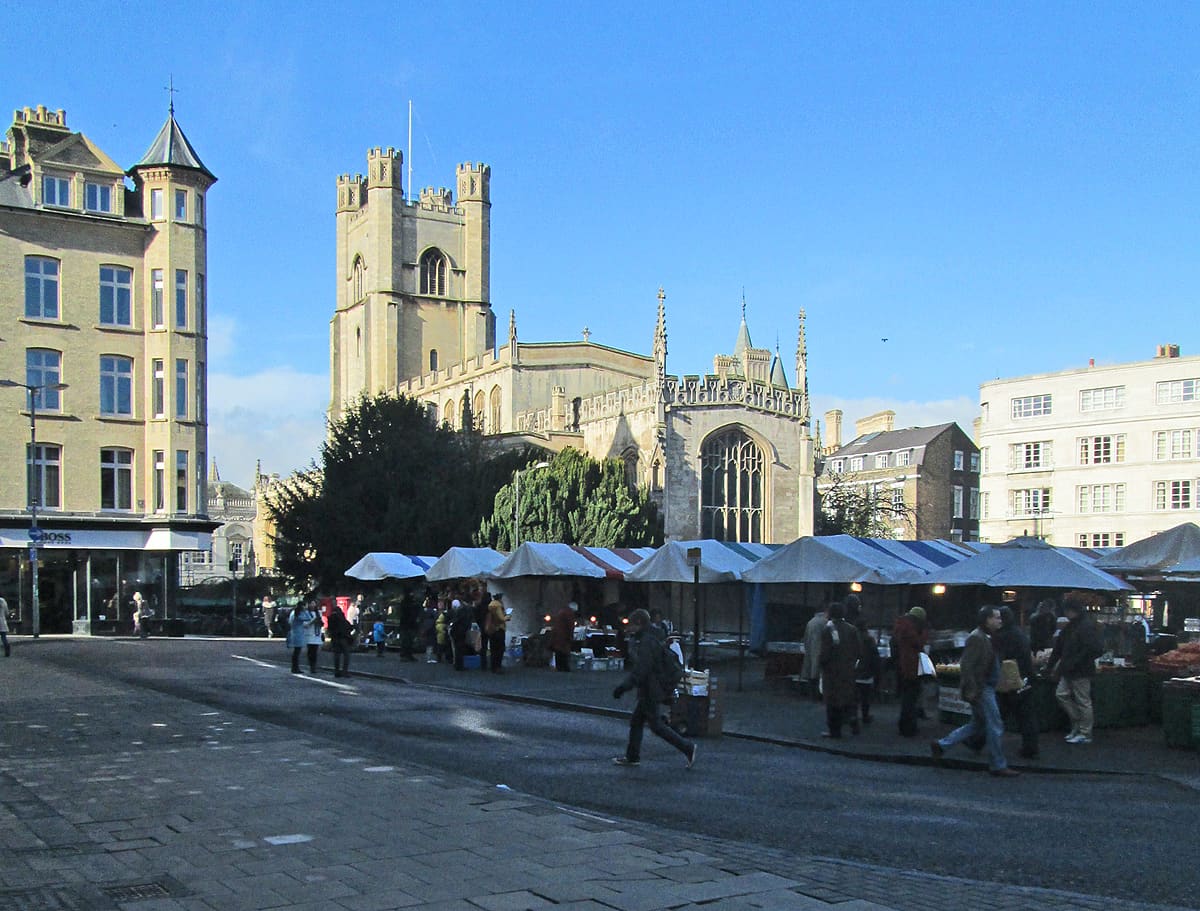
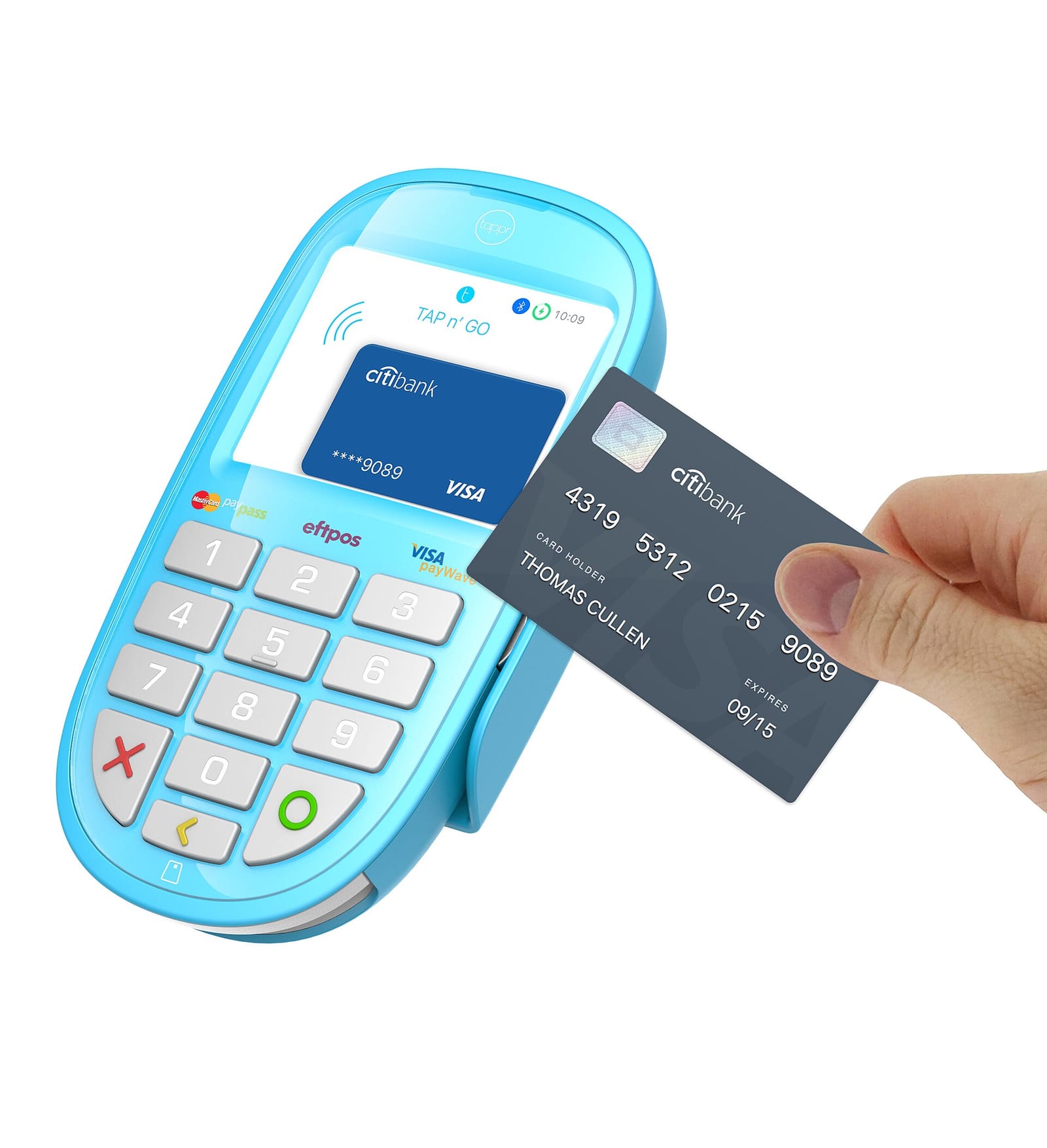
Visa, Mastercard and other major cards are accepted by most shops and restaurants, and a contactless card or phone wallet will often pay a local transport fare as well.[1] Some merchants no longer take cash at all, while small shops and pubs may set a minimum spend for cards, so carry a little cash as a back-up.[1]
In London, tap the same card or phone on every journey so your daily fare cap adds up: see Oyster vs contactless.
Foreign card fees. Your own bank or card issuer may charge for spending or withdrawing abroad, and a payment terminal may offer to charge you in your home currency. Britlens cannot tell you what your bank charges: check your card terms before you travel, and compare your issuer’s rate before accepting a home-currency offer.
Cash and ATM
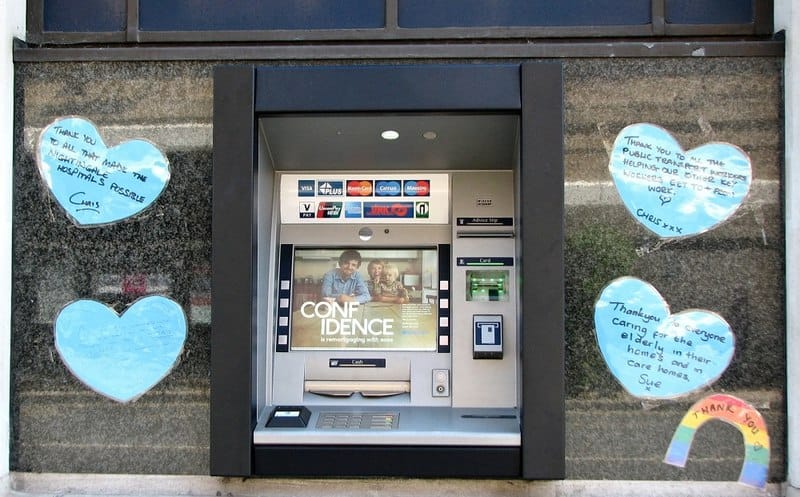
ATM (also called ATMs or ATM) are widely available and most accept overseas cards.[1] Many ATM do not charge their own fee, but your bank may still charge, so “free to use” on the machine is not the same as free for you.[1] LINK’s Cash Locator finds machines by town or postcode.[2]
Exchange desks may advertise “no commission” while building the cost into a poor exchange rate, so compare the buy and sell rates, not the headline.[1]

Scottish and Northern Irish banknotes
The Bank of England issues the notes used in England and Wales, and six banks in Scotland and Northern Ireland issue their own, under the Bank of England’s asset-backing rules.[3] Coins are the same everywhere. Travelers report that some shopkeepers in England and Wales are wary of Scottish and Northern Irish notes, and that they can be hard to change outside the UK, so it is sensible to spend them before you leave, or swap them at a bank for Bank of England notes.[1] Our guides to Edinburgh, Glasgow, the Highlands and Northern Ireland cover those places.
Tipping and service charge
We already cover customs in Tipping and etiquette and the first-time guide, so here is only the extra point: many table-service restaurants add a “service charge” to the bill, often described as optional. If one is added you do not need to tip on top, and where it is optional you can ask for it to be removed.[1] Read the bottom of the bill before you add anything.
VAT and the end of tax-free shopping
HMRC withdrew the VAT Retail Export Scheme from Great Britain (England, Scotland and Wales) when the transition period ended on Dec 31, 2020, along with “airside” tax-free shopping.[4] Since then, goods bought in a shop in Great Britain can be tax-free only if the shop delivers them straight to an address outside the UK, so ask the retailer whether it offers that.[5]
Northern Ireland is different. HMRC’s notice for supplies from Jan 1, 2021 lets visitors from outside both Northern Ireland and the EU reclaim VAT on goods taken home in luggage from shops that offer tax-free shopping. It does not cover services, and the shop or refund company may take a fee out of the refund.[5] That is the guidance as published on gov.uk (page last updated Aug 20, 2021, read on Oct 25, 2026): check gov.uk before you shop.

Free things
Many museums, parks and viewpoints cost nothing to enter, though some ask you to book a slot. See free things by region and free and cheap in London. For tickets that need booking early, see book ahead.
Plan a budget
We have no official, current source for typical daily costs, so we do not print any. Use figures from the prices you find on venue and transport sites.
Trip budget calculator
Define your own three daily bands, pick one, and add costs that do not repeat each day (flights, booked tickets). The sum is multiplied out for you. Nothing is saved or sent anywhere.
Enter your daily figure for the band you picked to see a total.
For the fixed costs that official sources do publish (ETA and visa fees, London bus fares and caps, England’s bus fare cap), see what a trip to Britain costs.
Currency converter
Prices on Britlens stay in pounds. For a rough idea in your own currency:
Approximate currency converter
Prices on Britlens are in pounds (GBP). This gives a rough idea in another currency using European Central Bank reference rates for Oct 30, 2026, converted by us into rates against the pound. The ECB publishes them for information only: your bank or card will use its own rate and may add fees.
Rate table for Oct 30, 2026
| Currency | £1 is about | 1 unit is about |
|---|---|---|
| Euro (EUR) | 1.20 EUR | £0.83 |
| US dollar (USD) | 1.34 USD | £0.75 |
| Canadian dollar (CAD) | 1.87 CAD | £0.53 |
| Australian dollar (AUD) | 1.91 AUD | £0.52 |
| New Zealand dollar (NZD) | 2.38 NZD | £0.42 |
| Japanese yen (JPY) | 211 JPY | £0.0047 |
| Chinese yuan renminbi (CNY) | 8.91 CNY | £0.11 |
| Indian rupee (INR) | 127 INR | £0.0079 |
| South Korean won (KRW) | 1,789 KRW | £0.0006 |
| Swiss franc (CHF) | 1.10 CHF | £0.91 |
| Swedish krona (SEK) | 13.17 SEK | £0.08 |
| Polish zloty (PLN) | 5.28 PLN | £0.19 |
| Brazilian real (BRL) | 7.28 BRL | £0.14 |
| Mexican peso (MXN) | 25.33 MXN | £0.04 |
| Singapore dollar (SGD) | 1.71 SGD | £0.58 |
| Hong Kong dollar (HKD) | 10.51 HKD | £0.10 |
| South African rand (ZAR) | 22.36 ZAR | £0.04 |
| Israeli new shekel (ILS) | 4.19 ILS | £0.24 |
Source: ECB euro foreign exchange reference rates (opens in new tab), Oct 30, 2026. Approximate; rates change daily.
Sources
Fetched and read on Oct 25, 2026. Rules, fees and coverage change: check the source before you rely on it.
- United Kingdom: Buy (money, cards, tipping) (opens in new tab), Wikivoyage
- Cash Locator (opens in new tab), LINK
- Scottish and Northern Ireland banknotes (opens in new tab), Bank of England
- Revenue and Customs Brief 21 (2020): withdrawal of the VAT Retail Export Scheme and the tax-free shopping concession (opens in new tab), GOV.UK (HMRC)
- Claim VAT back on tax-free shopping in Northern Ireland (VAT Notice 704/1) (opens in new tab), GOV.UK (HMRC)