
Windermere and Ambleside
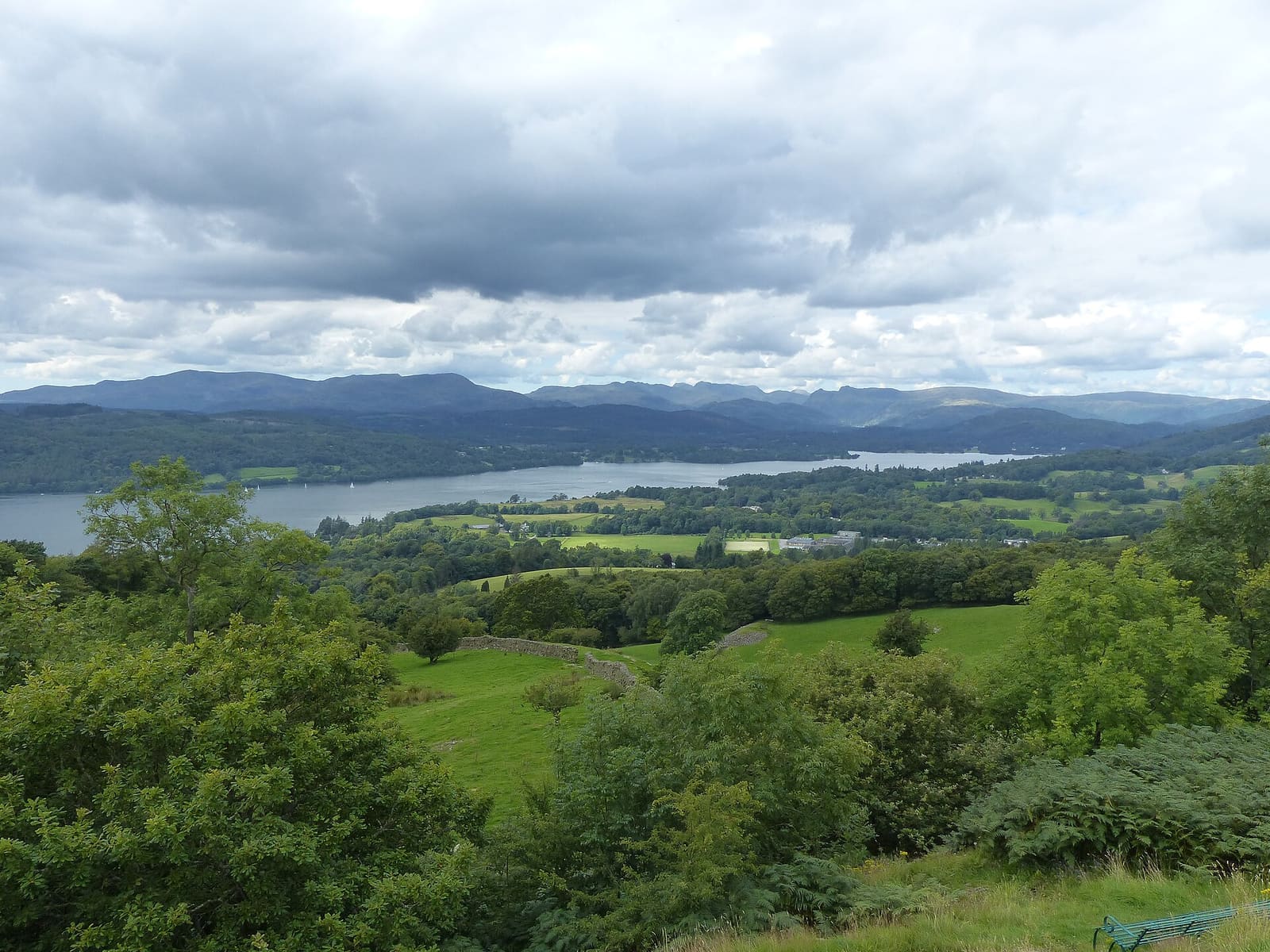
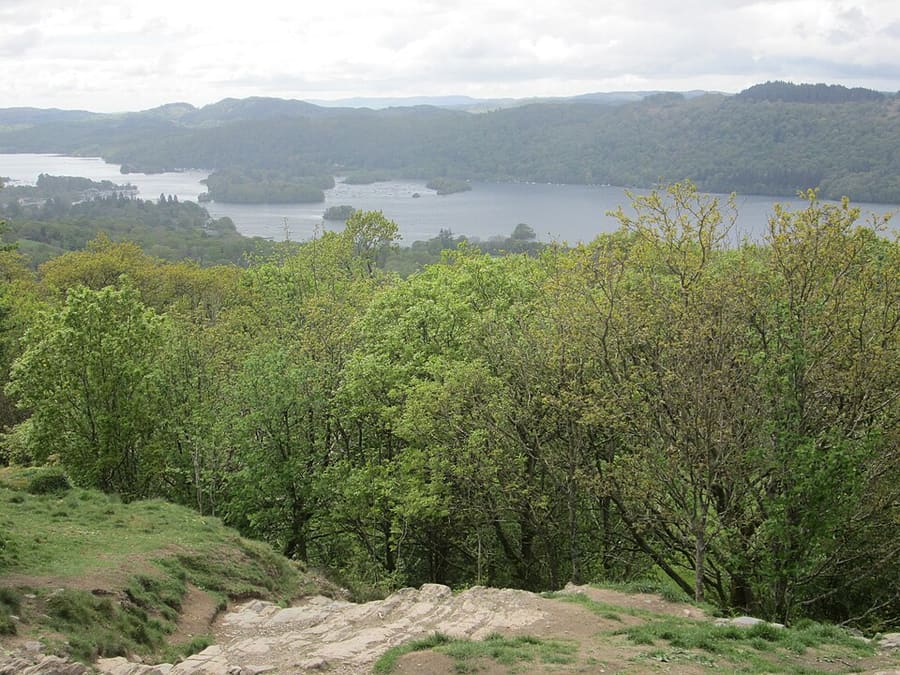
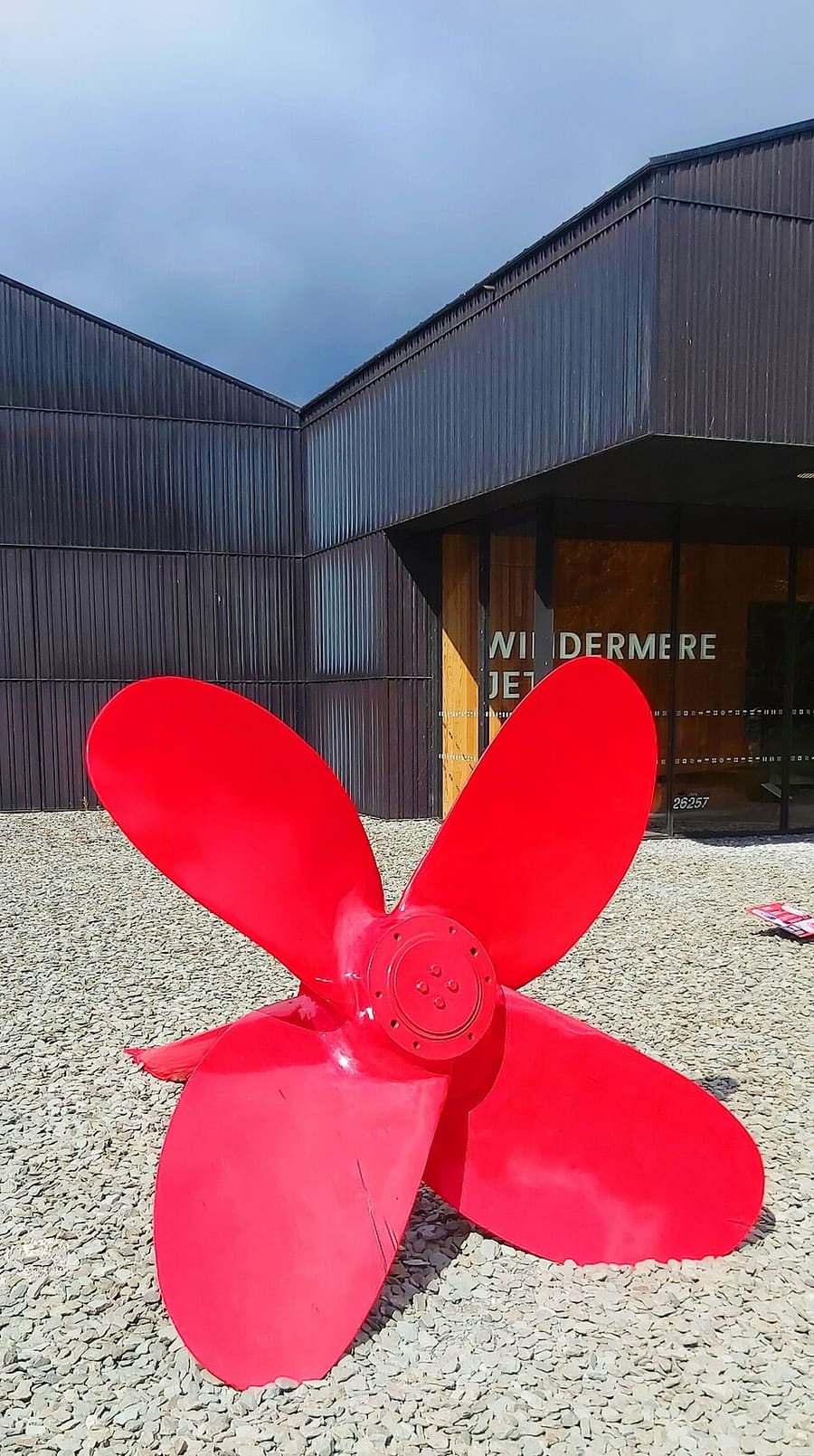
- Windermere & Bowness — a cruise from Bowness piers, the Windermere Jetty Museum and a walk up Orrest Head
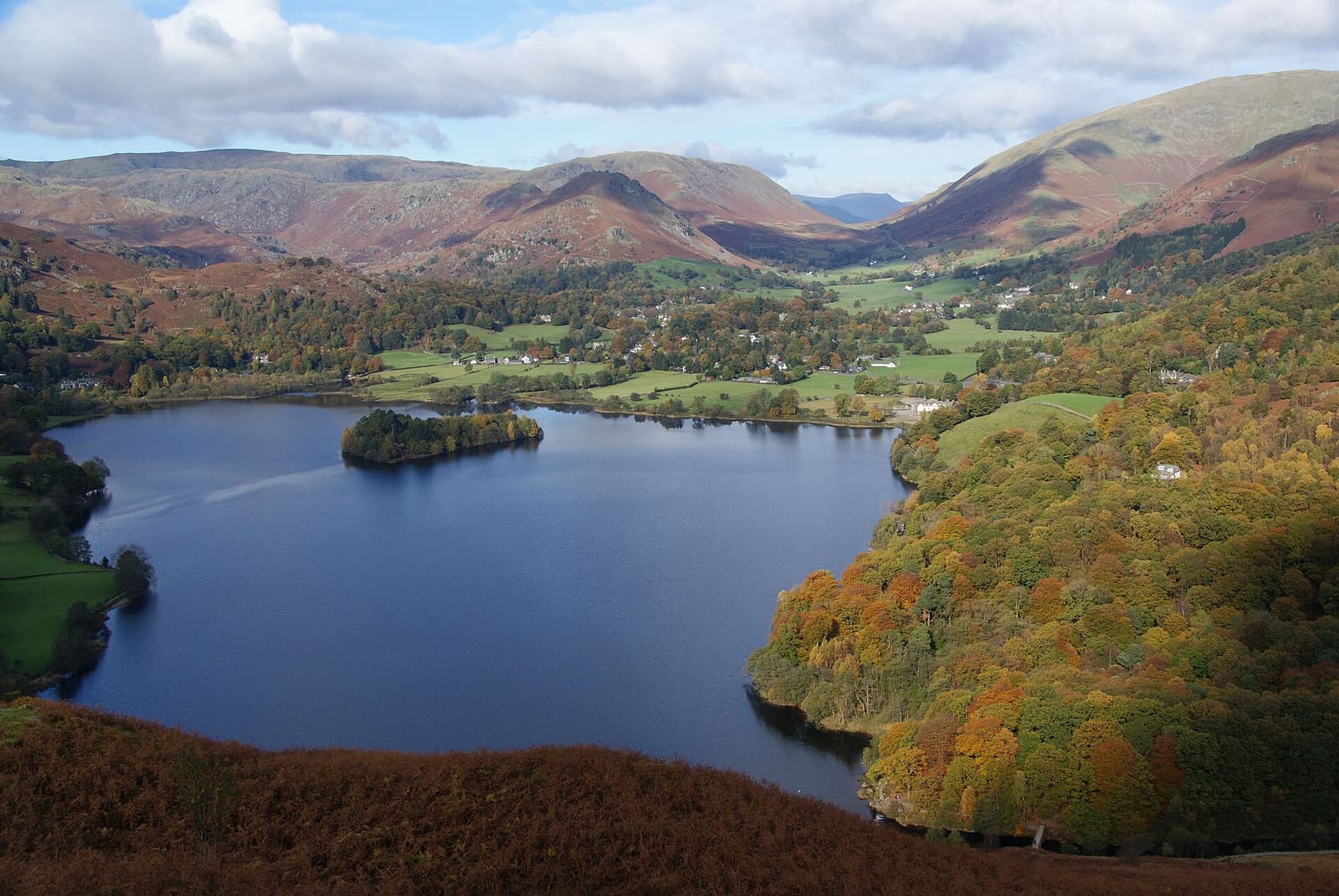
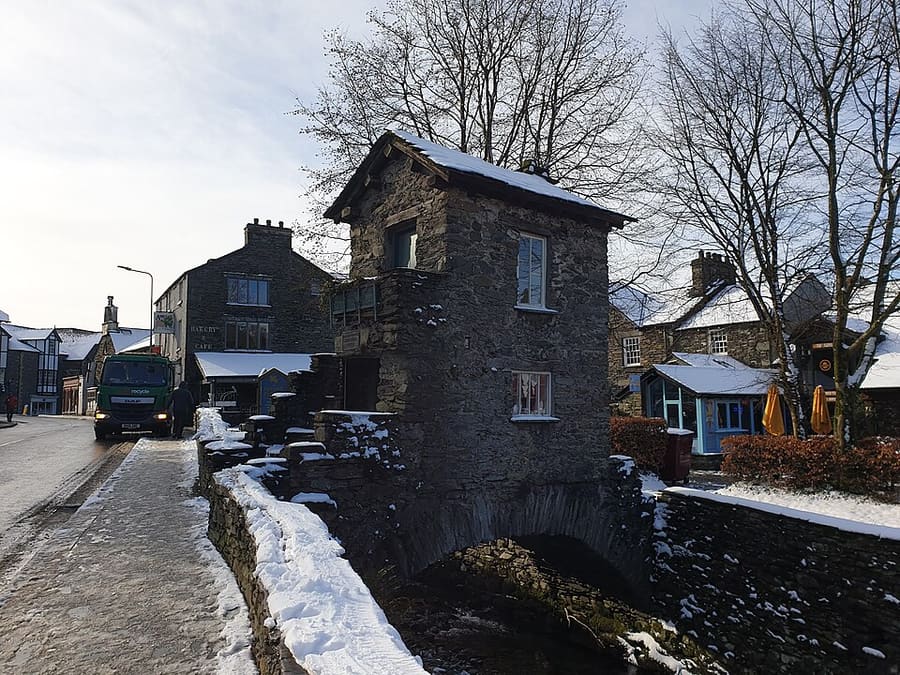
- Ambleside & Grasmere — Bridge House, the Grasmere Trail and Wordsworth's Dove Cottage
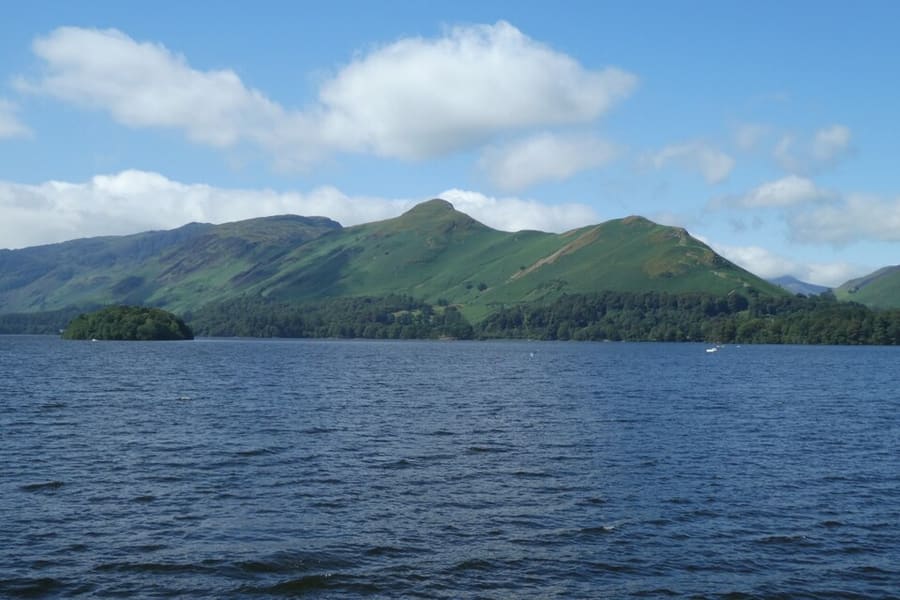
Lakes, fells and market towns in Cumbria, with a National Park and World Heritage Site to explore on foot, by boat and by bus
The Lake District is a national park and UNESCO World Heritage Site in Cumbria, in north-west England. The National Park Authority counts 16 large lakes and 2,177 km of public footpaths within it. Windermere, England's largest lake, is the southern gateway, Keswick and Derwentwater lie in the north, and Ullswater stretches to the north-east. Locals call the high ground fells and the small mountain lakes tarns.
This guide covers six bases: Windermere and Bowness, Ambleside and Grasmere, Keswick, Ullswater, Coniston and Hawkshead, and the quieter west around Wasdale and Eskdale, where England's highest mountain and deepest lake are found. You can reach most of them without a car by train, bus and boat, but in the smaller valleys services are seasonal or limited, so check schedules before you go.
Areas
Each area has its own mini guide with 90 sights, places to eat and drink, and where to stay across the city.
England's largest lake, with lake cruises, a railway station and a lakeside town
Open the mini guide →
A walking town at the head of Windermere and Wordsworth's village, linked along the Rothay valley
Open the mini guide →
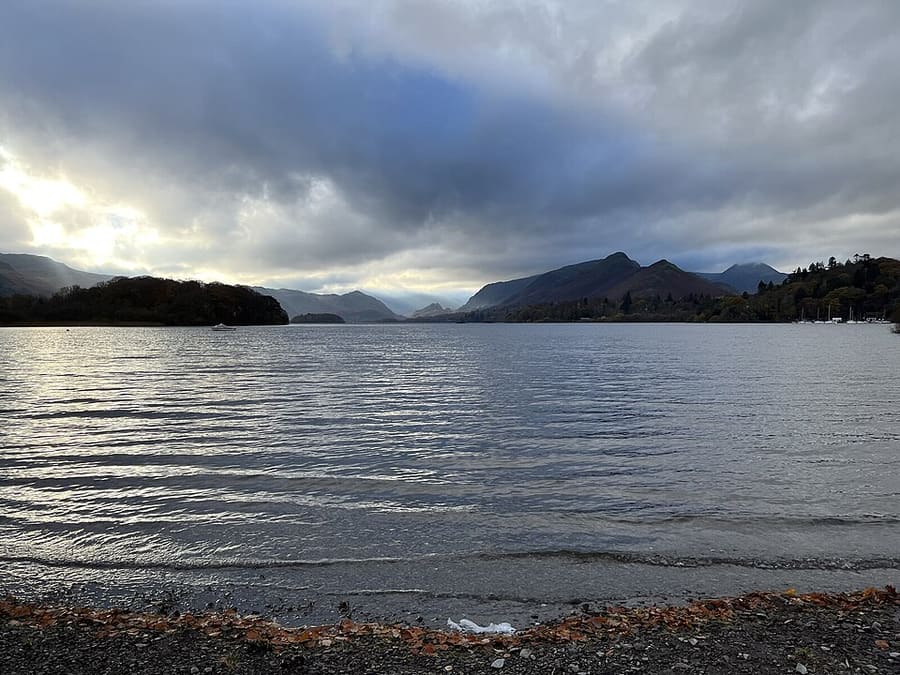
A market town on the shore of Derwentwater, with a stone circle, a theater and fells on every side
Open the mini guide →
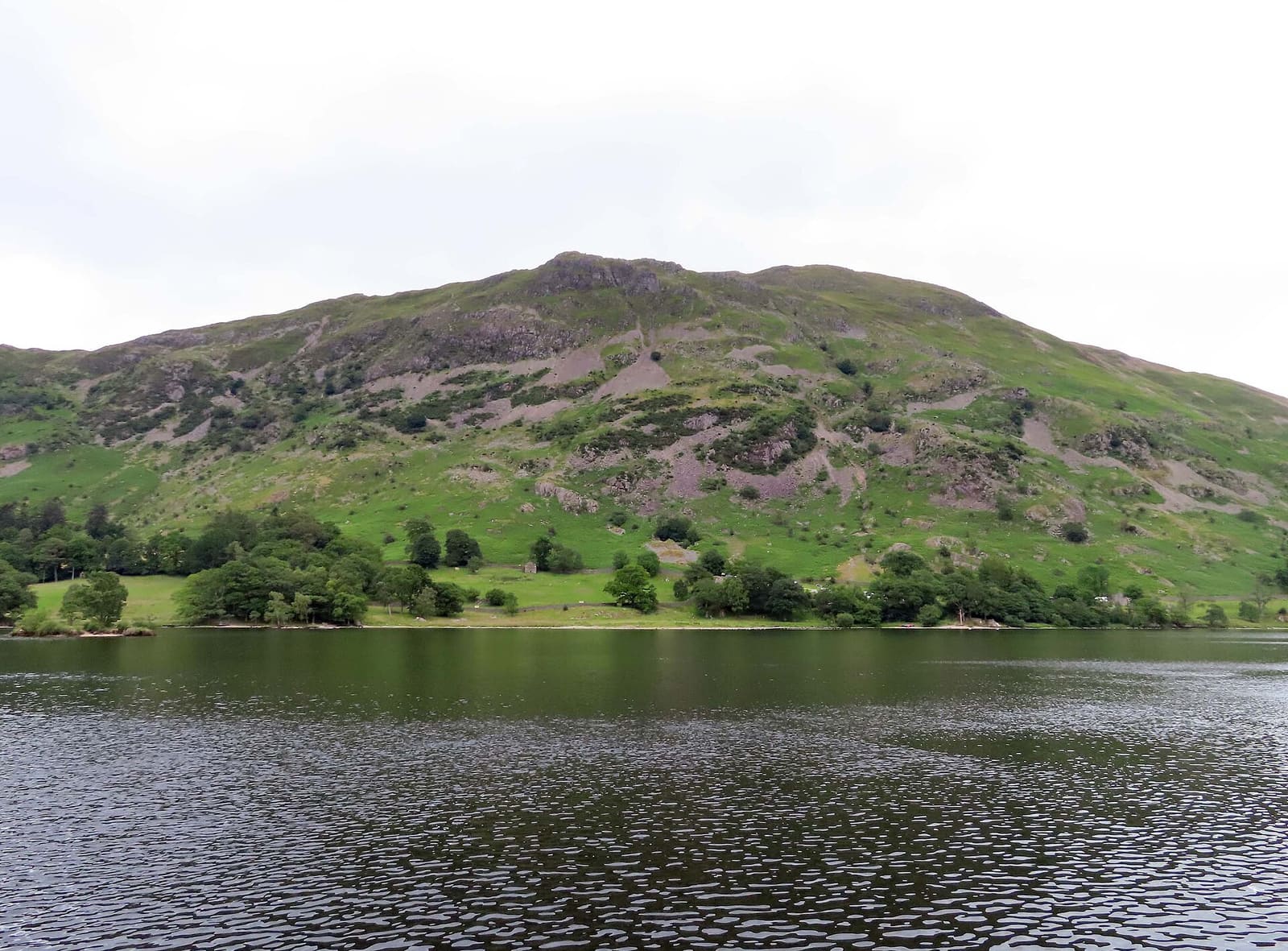
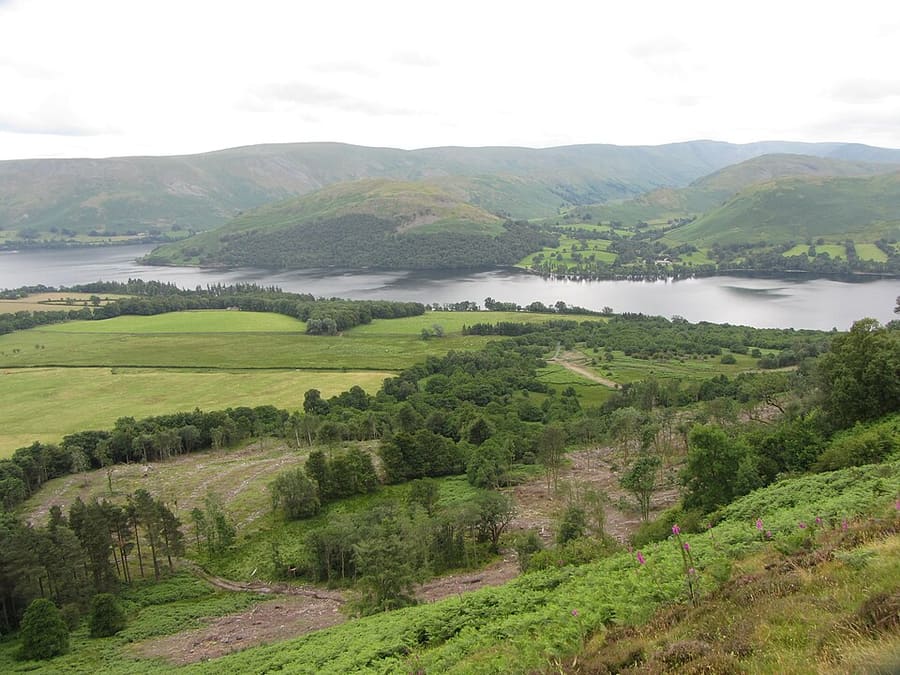
A long lake with steamers, a waterfall and Helvellyn behind Glenridding
Open the mini guide →
Ruskin, Beatrix Potter and a boat on Coniston Water, between two small villages
Open the mini guide →
England's deepest lake and highest mountain, and a little railway through Eskdale
Open the mini guide →Sights
A sight from each area. Every area guide lists the rest, with directions and official links.
England's largest lake by length, area and volume, with Bowness on its eastern shore.
17th-century house built over Stock Beck in the middle of Ambleside, now owned by the National Trust.
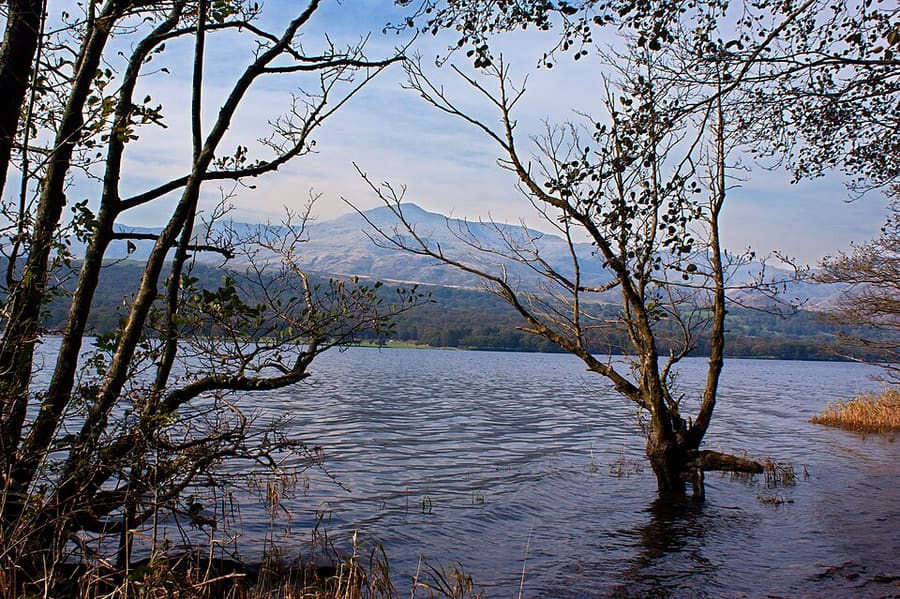
Lake in the northern Lake District, immediately south of Keswick.
Second-largest lake in the Lake District, about seven and a half miles long and under a mile across.
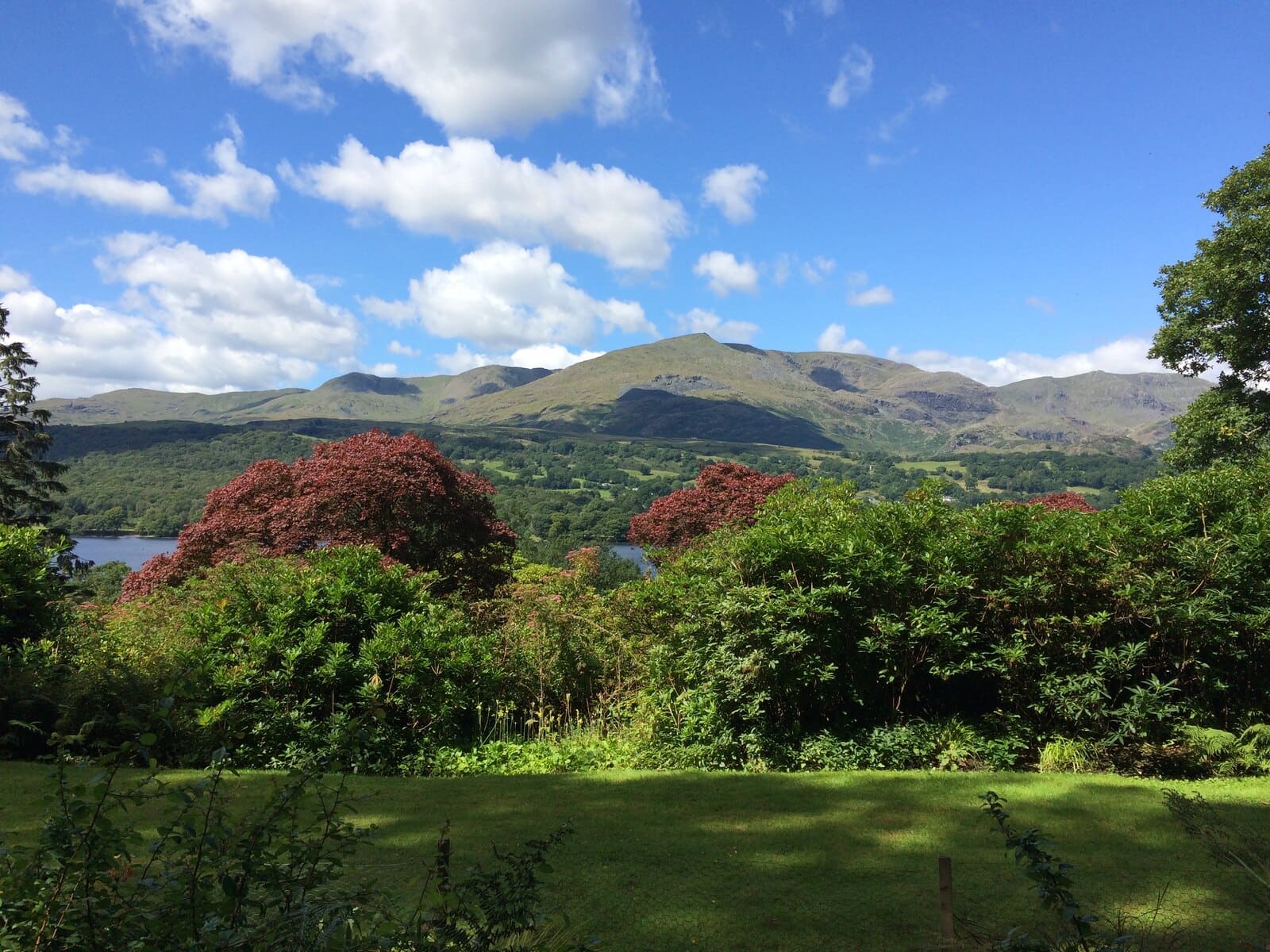
Glacial lake about five miles long with the Coniston Fells above its western shore.
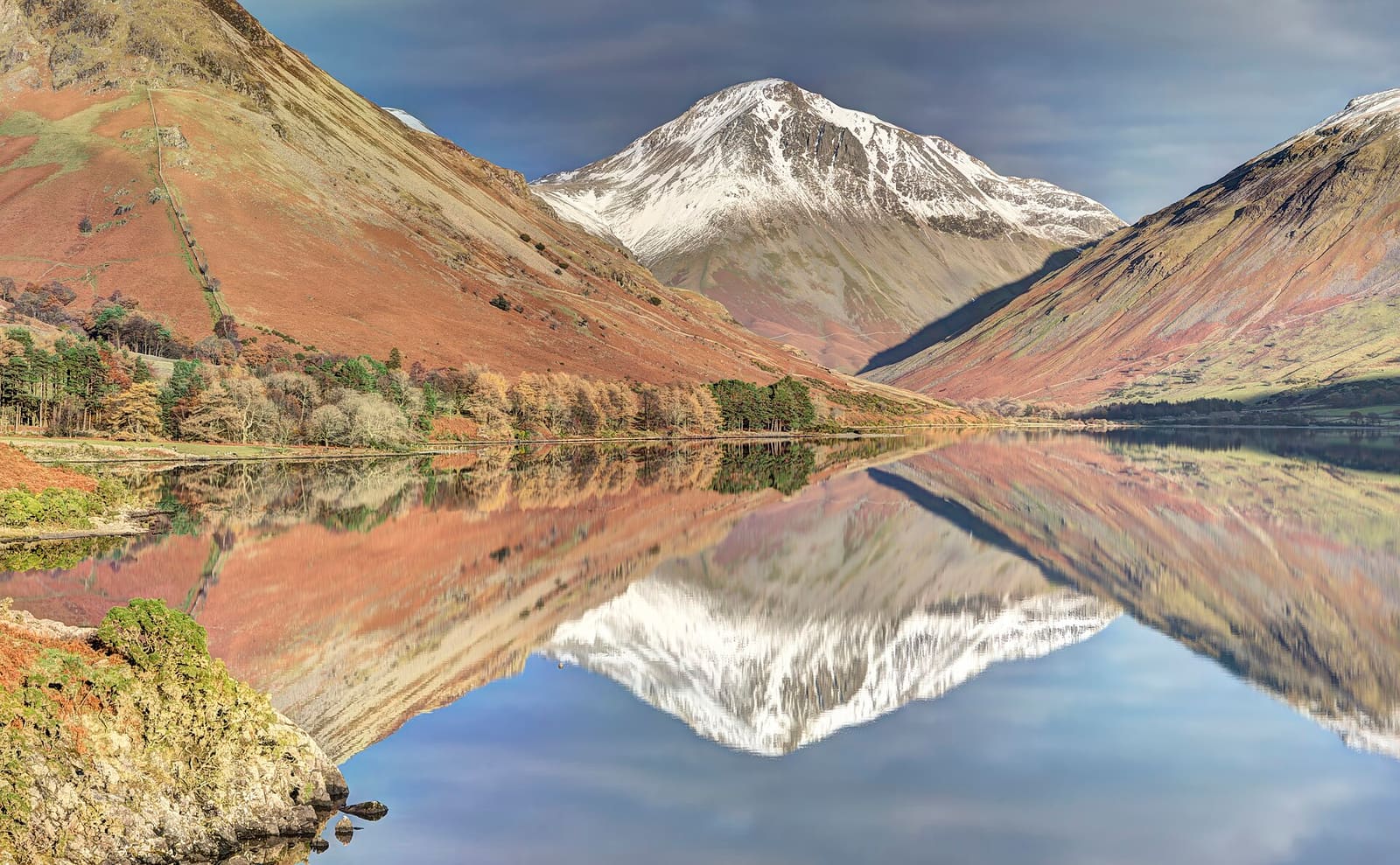
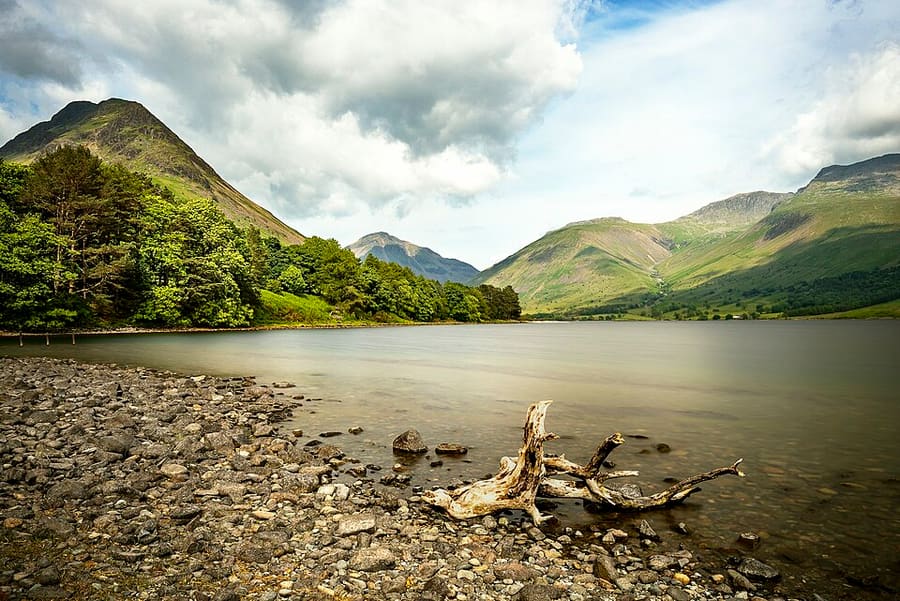
England's deepest lake, in the U-shaped Wasdale valley, with the Screes plunging into its southern shore.
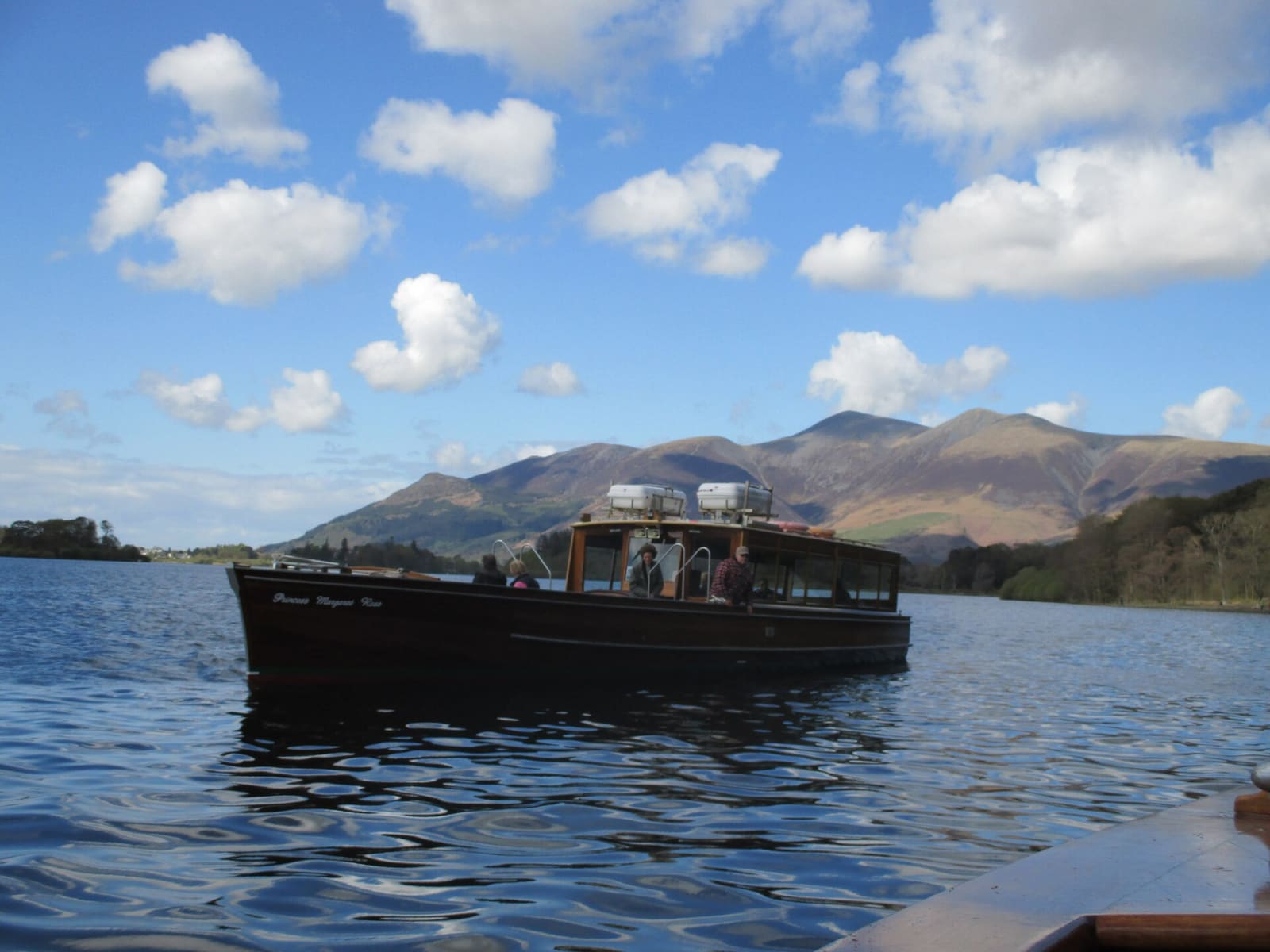
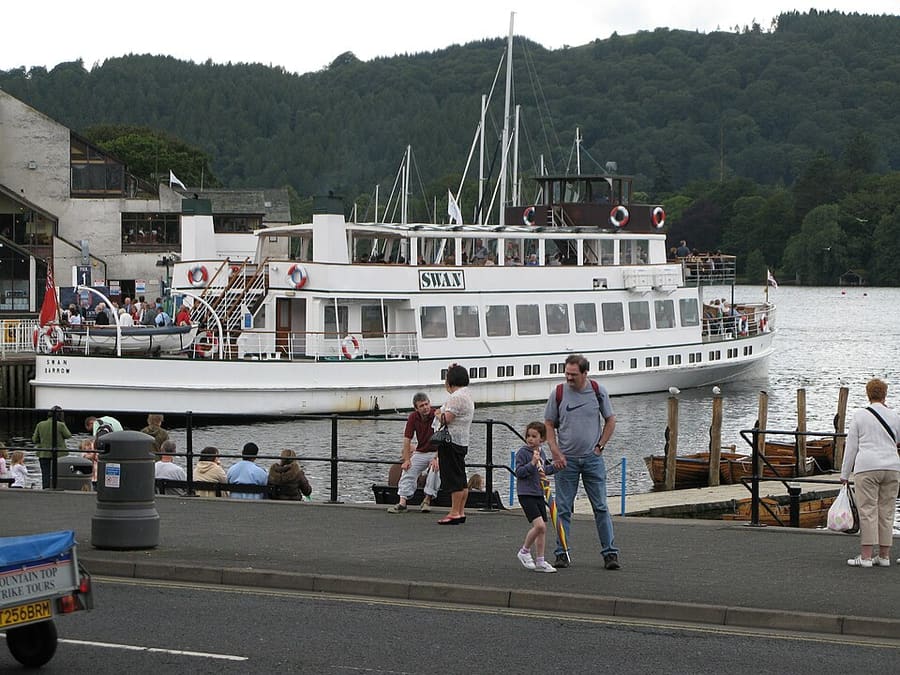
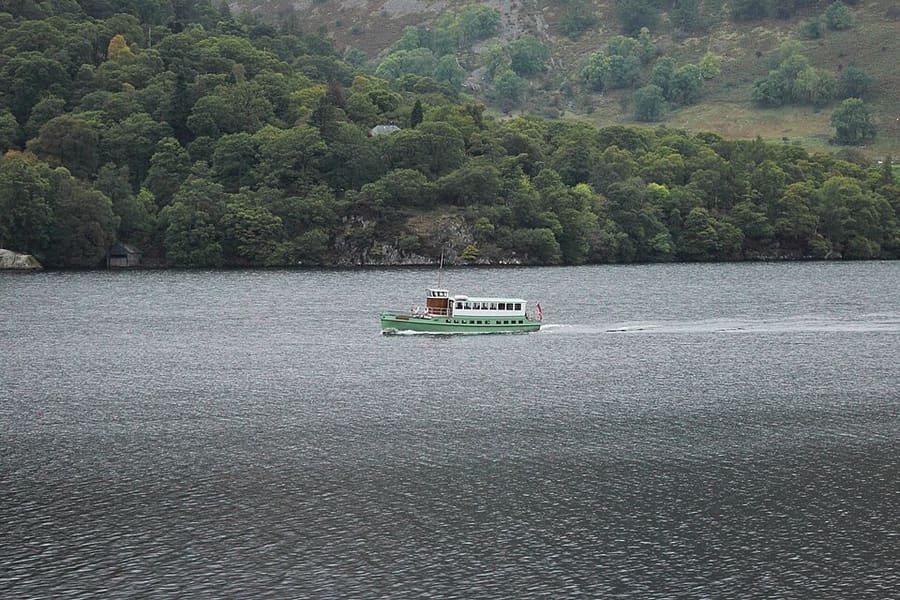
Passenger boats from Bowness piers, with landings at Brockhole, Wray Castle, Ambleside and Lakeside.
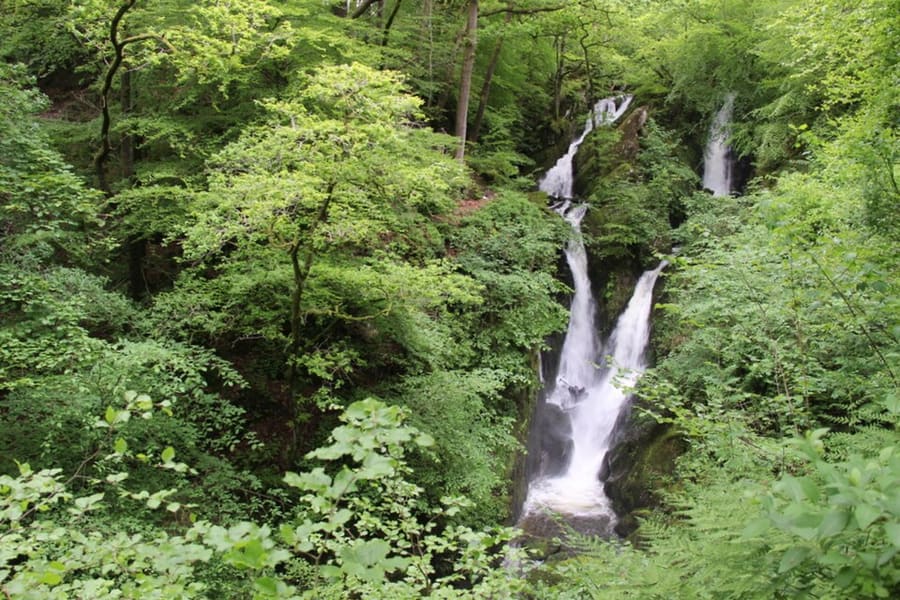
Waterfall on Stock Ghyll, the stream that runs from Red Screes through Ambleside to the River Rothay.
1 / 12Animal attractions, railways, science centres, beaches and caves from our the Lake District guide, grouped by type. We hold no age ratings or child prices: check each place’s own site for age limits, height rules and family tickets.
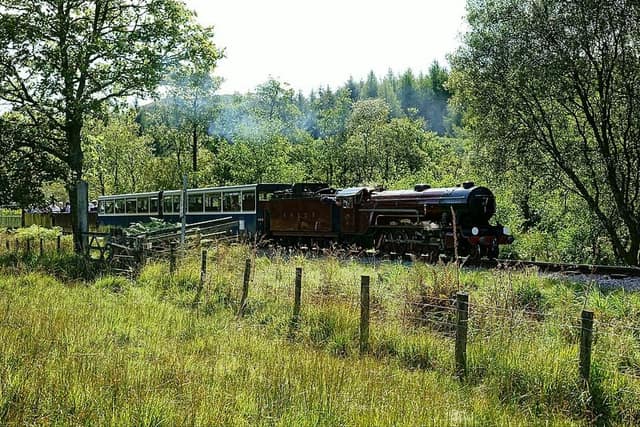
Ravenglass and Eskdale RailwayHeritage railway, Wasdale & Eskdale
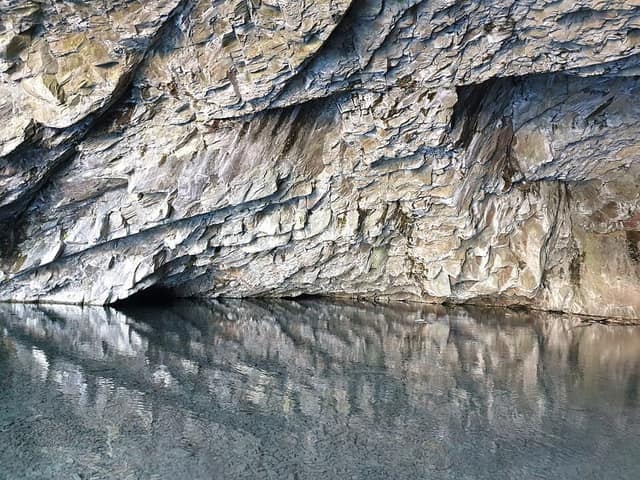
Rydal CaveQuarry cave, Ambleside & GrasmerePractical help: travelling with children and where to stay in the Lake District.
Theater
2 theaters and performance venues across 2 areas: see where each one is, how to get there and where to find what is on.
Filter 2 venues by area, type of show and step-free access.
Open the directory →One link to each venue's own program page, plus seasonal highlights.
See what's on →A producing theater on the shore of Derwentwater with a 400-seat Main House and a 100-seat Studio.
Venue page →Itineraries
Short routes that stitch the areas together.
Getting there
The Lake District is in the north-west of England, with Manchester to the south and Carlisle to the north. The M6 runs along its eastern edge, and the main-line stations at Oxenholme, Penrith and Carlisle connect with the Windermere branch line, buses and boats. Journey times below come from the National Park Authority; always check operators for current times.
West Coast Main Line trains call at Oxenholme (near Kendal), Penrith and Carlisle. Northern runs the Windermere branch line from Oxenholme through Kendal and Staveley, and the National Park Authority says there is a direct Northern train from Manchester to Windermere. Another Northern route follows the Cumbrian coast between Barrow-in-Furness and Carlisle.
The National Park Authority names the Stagecoach 555 (Lancaster and Kendal to Keswick via Grasmere), the 599 (Bowness to Grasmere) and the X4/X5 (Penrith to Keswick, Cockermouth and Workington). Seasonal shuttles reach Wasdale Head and Buttermere, and an Ullswater Hopper runs from Easter. National Express serves Lancaster, Penrith and Carlisle.
Four lakes have passenger boats with several stops: Windermere, Ullswater, Coniston and Derwentwater. The Authority suggests combining a one-way boat trip with a bus, walk or cycle, and notes that combined bus and boat day tickets are sold. The Windermere ferry carries cars and passengers between Ferry Nab and Far Sawrey.
For the southern lakes take M6 junction 36 and the A590; for the north take junction 40 and the A66 or A592. The Authority gives average journey times of about 5 hours from London and the south east, 1.5 hours from Manchester, 2 hours from York, 40 minutes from Windermere to Keswick and 1.5 hours from Kendal to Wasdale. Parking is limited in popular valleys.
Services and journey times on this page come from the National Park Authority and operator pages. We do not publish schedules or fares, and several valley services are seasonal.
The 555 and 599 buses link Windermere, Ambleside, Grasmere and Keswick, and boats link towns on Windermere, Ullswater, Coniston and Derwentwater. A day ticket gives unlimited bus journeys, and combined bus and boat tickets are sold.
The Grasmere Trail links Ambleside and Grasmere past Rydal Water, and the National Park Authority lists many shorter lakeshore routes. Weather changes quickly, so check the forecast before a fell walk.
The Authority lists 50 Miles without Stiles routes for wheelchairs, strollers and anyone needing an easier path, graded by length, terrain and facilities.
Stagecoach buses, boats and trains
Best time to go
The Lake District can be visited all year. The National Park Authority says weather changes quickly and rain is common, so plan indoor options for wet days and check the forecast before going up a fell.
The Authority says the driest period runs from March to June, and Dora's Field at Rydal is covered in daffodils in springtime.
The summer bus shuttles to Wasdale and Buttermere run in these months, with the Buttermere shuttle listed from May to September. Book accommodation ahead.
The Authority says the summer season runs to October and the wettest months run from October to January. Many bus services still run in the busiest valleys, and the Coniston Launch runs a reduced service from November to February.
Snow typically falls from November to March, and the Authority runs a winter weather service for Helvellyn. Take winter kit on the fells and check services before traveling.
Day trips
Ideas for a day away from the Lake District. Check the operators for times and tickets.

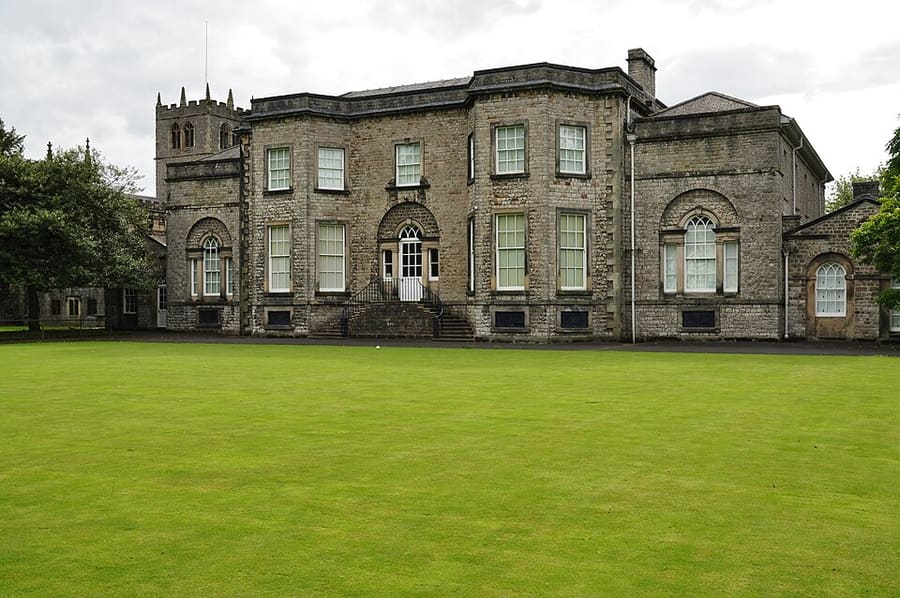
A market town just outside the National Park, with the Abbot Hall art gallery, reached by the Windermere branch line.
Abbot Hall →
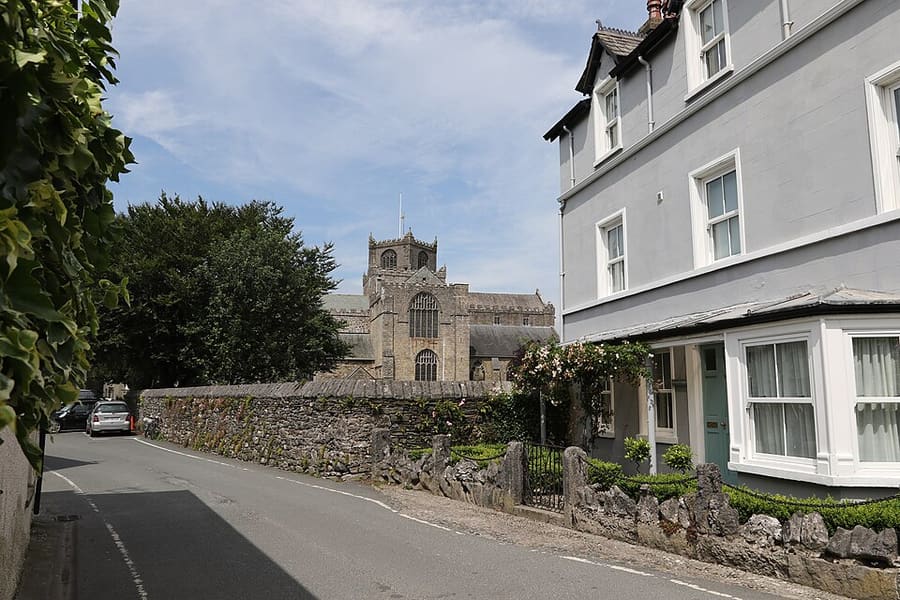
A village grown around the 12th-century Cartmel Priory, on the Cartmel Peninsula south of the Lakes.
Cartmel Priory →
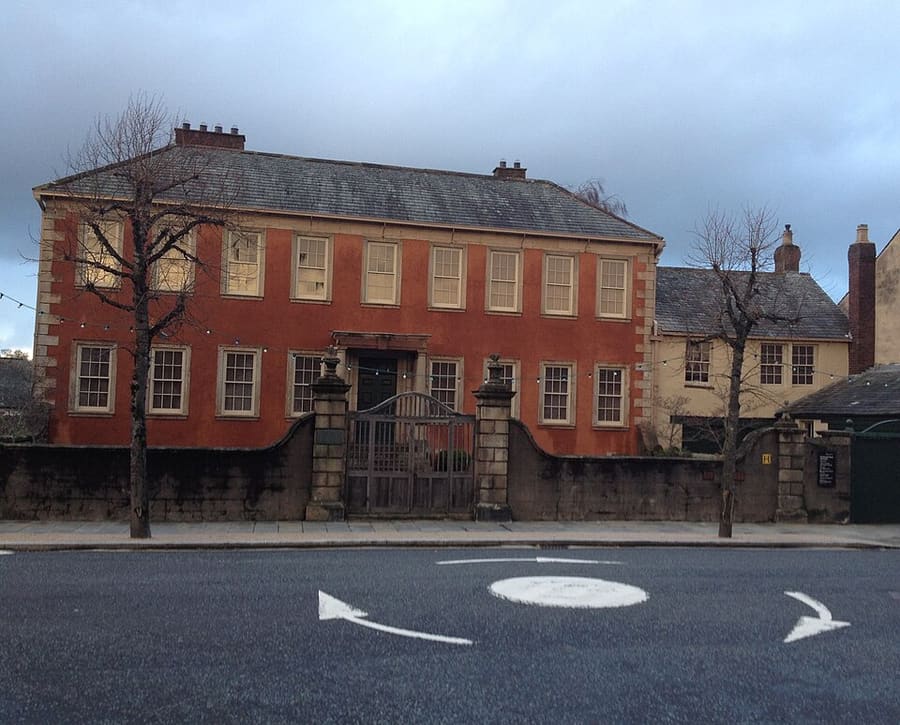
Market town where William Wordsworth was born in 1770, in a Georgian house now run by the National Trust.
National Trust →
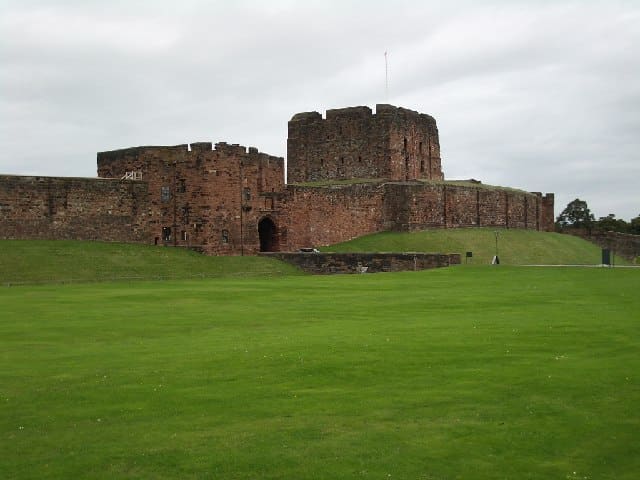
Border city with a medieval castle founded in 1092, a main-line stop north of the National Park.
English Heritage →FAQ
Three to five days lets you see two or three of the areas in this guide at an easy pace. Add time for fell walking, boat trips and the quieter western valleys.
Yes, for the main bases. The National Park Authority describes the Windermere branch line from Oxenholme, Stagecoach buses such as the 555 and 599, and passenger boats on four lakes. In smaller valleys services are seasonal, so check schedules.
Windermere station is in Windermere village. According to the National Park Authority, Bowness-on-Windermere and the lake are a mile and a half downhill, and the 599 bus runs between Windermere, Bowness and Grasmere.
The National Park Authority says the driest period runs from March to June, and that the wettest months run from October to January. Weather can still change quickly within a day.
The National Park Authority lists Windermere, Ullswater, Coniston Water and Derwentwater as the lakes with passenger boats that make several stops. Check each operator for the season and sailing times.
The Authority lists a summer Wasdale Explorer bus from Ravenglass, Gosforth and Nether Wasdale to Wasdale Head, and a Buttermere shuttle from Cockermouth that runs from May to September. Check the schedules.
The National Park Authority publishes a collection of 50 Miles without Stiles routes graded by length, terrain and facilities, including routes around Windermere, Grasmere and Buttermere.
Windermere and Bowness suit trains and boats, Ambleside and Grasmere suit walking and Wordsworth sites, Keswick suits the northern fells and Derwentwater, and Coniston, Ullswater and Wasdale are quieter bases with fewer services.
Nearby places
Our closest other guides, by straight-line distance between centres. Road and rail distances are longer: check a journey planner.
Photos from Wikimedia Commons, used under the licences shown. All photo credits
Plan it properly
Keep exploring