 English (UK)
 English (US)
 Français
 Deutsch
 Español
 Italiano
 Nederlands
 简体中文
The Tube
Eleven color-coded lines serve central and Greater London, usually every few minutes. The fastest way across the city, especially in zones 1–2.
Tell us where you are and where you want to go, and we'll show you the quickest ways to get there by Tube, train, bus or boat.
Saved in this browser only. Line status comes live from Transport for London and covers the lines your journey used, not every part of the trip.
Live Service Status
Powered by TfL Open Data · Contains OS data © Crown copyright and database rights 2016 and Geomni UK Map data © and database rights 2019.
Ways to Travel
London's transport works as one network. Here is what each mode is best for.
Eleven color-coded lines serve central and Greater London, usually every few minutes. The fastest way across the city, especially in zones 1–2.
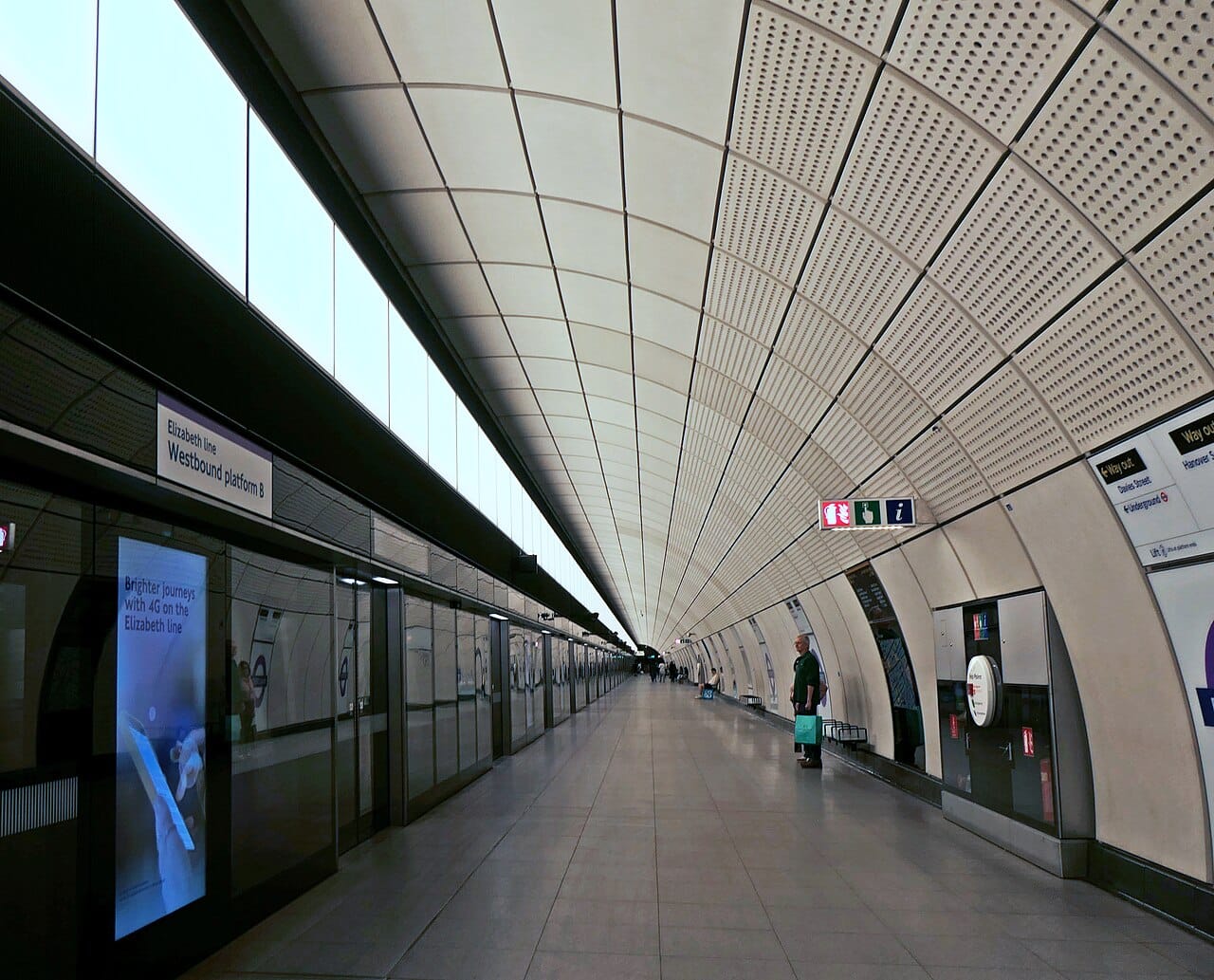
A fast east–west line linking Heathrow, Paddington, Bond Street, Tottenham Court Road, Liverpool Street and Canary Wharf. Step-free and air-conditioned.
Orbital lines around central London, now each with its own name and color. Useful for Shoreditch, Hampstead, Camden and Kew.
Driverless trains serving Canary Wharf, Greenwich, the O2 and London City Airport. Sit at the front for views.
Hundreds of routes, including night buses, cover everywhere the Tube doesn't. Slower, but you see the city. Ride with a contactless card; there are no cash fares.
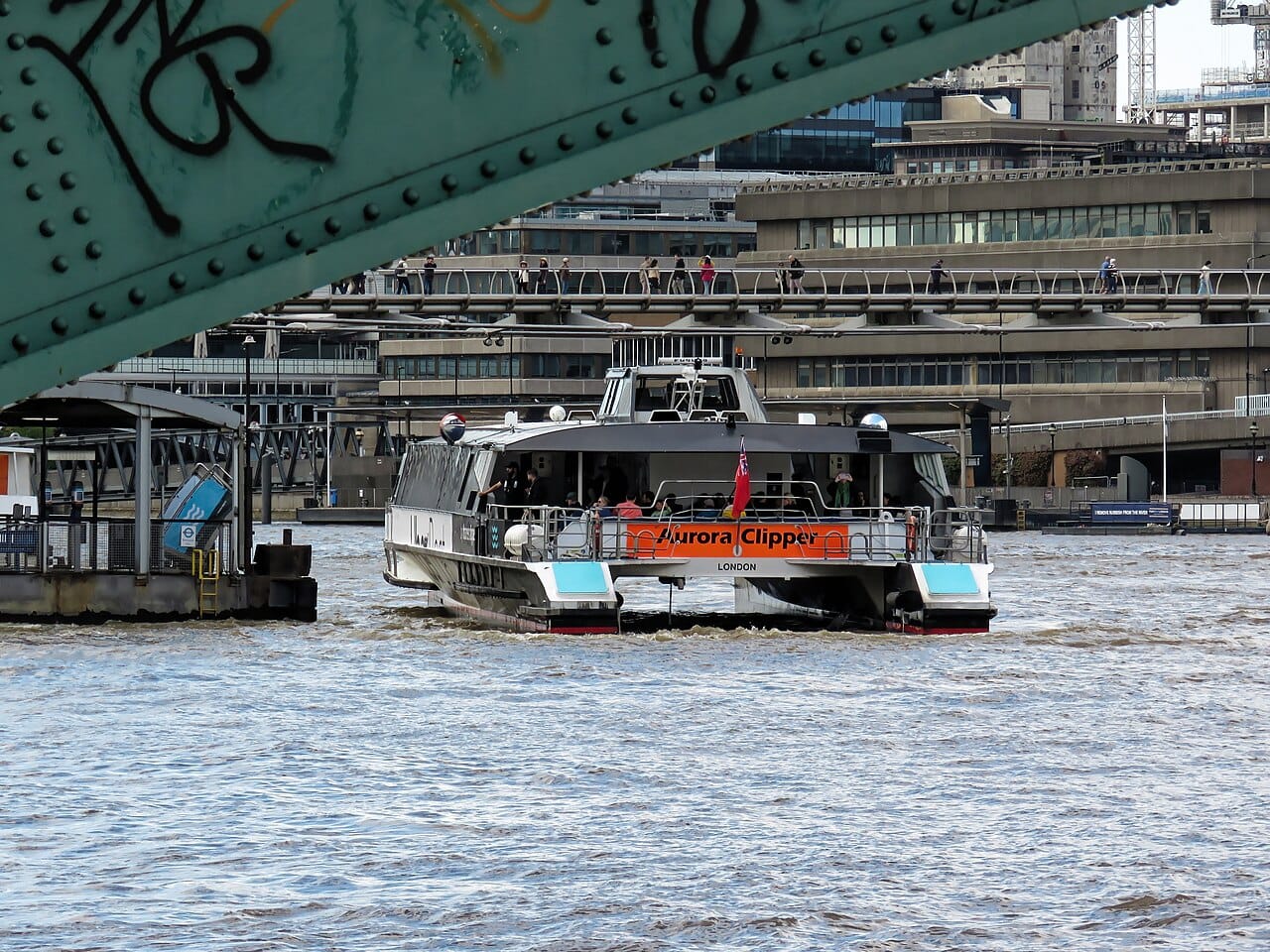
Commuter boats run along the Thames between Westminster, the Tower, Canary Wharf and Greenwich. A sightseeing trip and a transport option in one.
Overground-style national trains reach Kew, Hampton Court, Windsor and many day-trip destinations. Many accept contactless within London.
The Thames cable car links the Greenwich Peninsula to the Royal Docks, with long views over the river and Canary Wharf.
Black cabs can be hailed in the street or booked; ride-hailing apps work too. Useful with luggage or late at night.
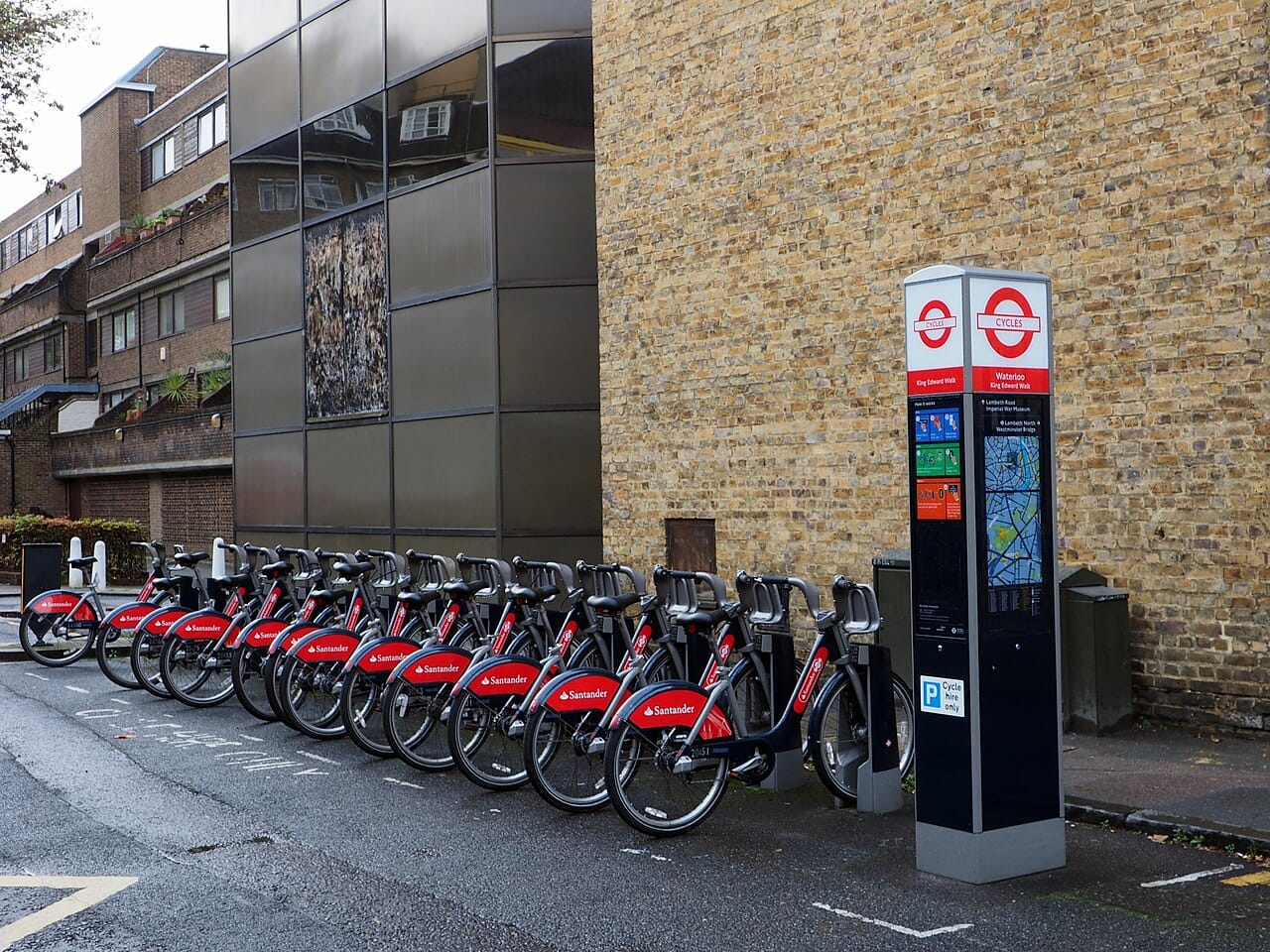
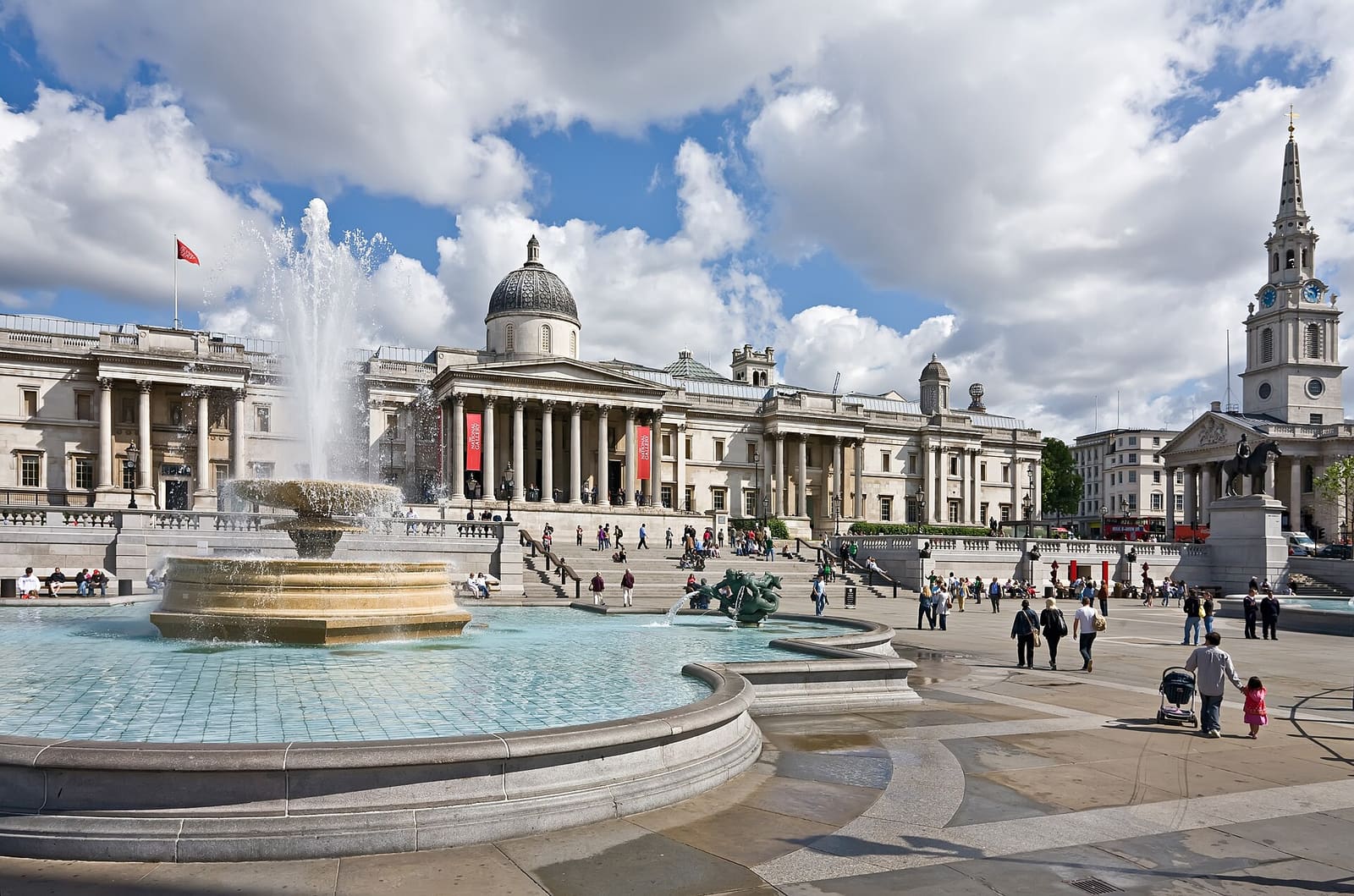
The center is compact: Westminster to the South Bank to Tower Bridge is a riverside walk. Docked rental bikes are available across central areas.
Paying for Travel
You don't need to buy a ticket in advance. Tap a contactless bank card or phone on the yellow reader at the barrier or bus door, and use the same one for the whole trip.
Good to Know
On escalators, stand on the right and leave the left side clear for people walking.
Weekday rush hours are roughly 7–9:30am and 4:30–7pm. Off-peak travel is quieter and often cheaper.
Night Tube runs on Friday and Saturday nights on the Central, Jubilee, Northern, Piccadilly, Victoria and Windrush lines (TfL, checked Nov 1, 2026). Night buses run on many routes: check TfL for your journey.
Engineering works can close lines on weekends. The live status panel above shows current disruption.
Not every station has step-free access. Use the step-free option in the planner or check the TfL step-free map.
Use the same card or phone for every tap, or the daily cap won't add up correctly.
Rules, fares and times change. These official pages have the current details (links checked on ).