 English (UK)
 English (US)
 Français
 Deutsch
 Español
 Italiano
 Nederlands
 简体中文
Mountain
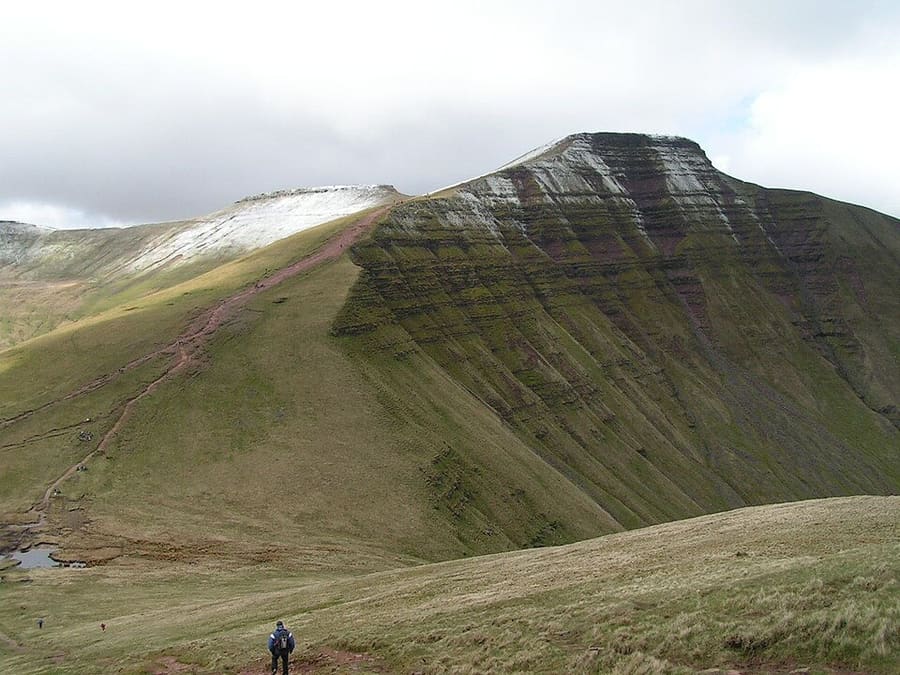
Pen y Fan
Highest peak in South Wales at 886 meters (2,907 ft), with the twin summit of Corn Du 1804 feet (550 meters) to the south-west.
A mini guide to
The highest mountains in South Wales, market towns, castles and waterfalls
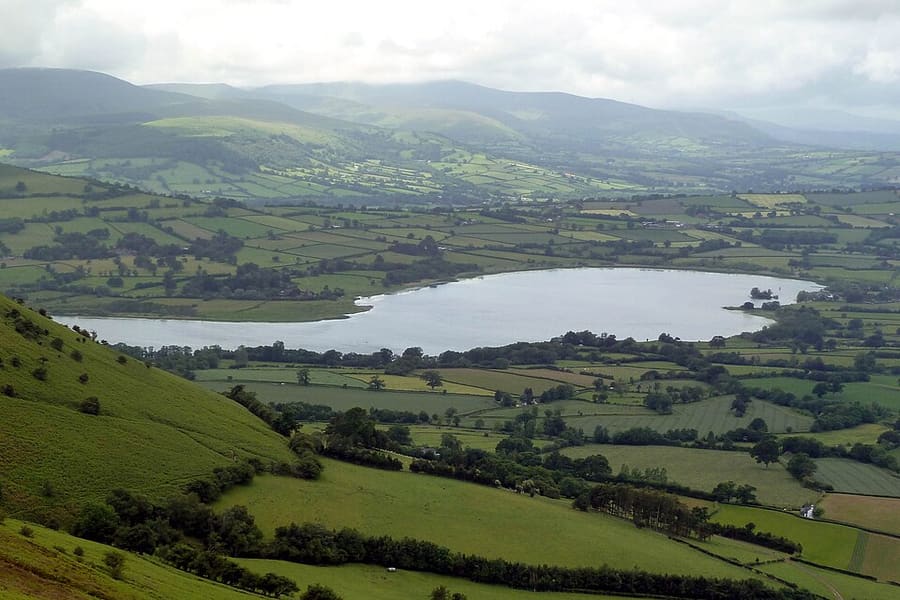 1 / 8
Welcome to the area
Bannau Brycheiniog National Park, also called the Brecon Beacons, covers 1,344 square kilometers of mid and south Wales. It was founded in 1957 and is centered on the Brecon Beacons range, whose highest peak, Pen y Fan, reaches 886 meters (2,907 ft). The Fforest Fawr uplands join it in the center, the Black Mountains lie to the east and the separate Black Mountain range to the west.
Brecon, with its cathedral and canal basin, is the main base. Crickhowell, Hay-on-Wye (the National Book Town of Wales) and Abergavenny are market towns around the edge of the park, and waterfalls, show caves, castles and Llanthony Priory are scattered through the valleys.
Highlights
If you only have a few hours, these are good places to begin.
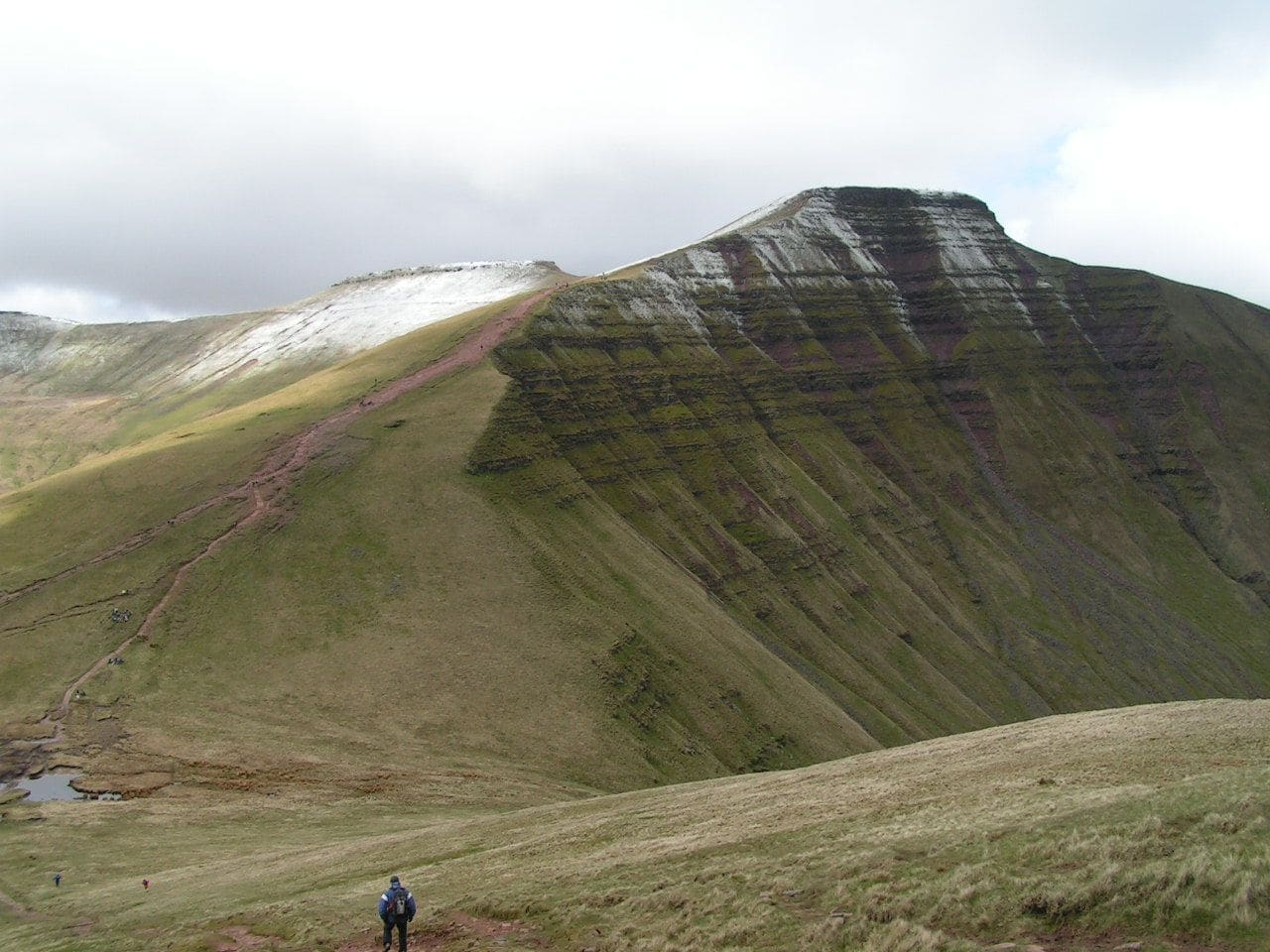
Highest peak in South Wales at 886 meters (2,907 ft), with the twin summit of Corn Du 1804 feet (550 meters) to the south-west.
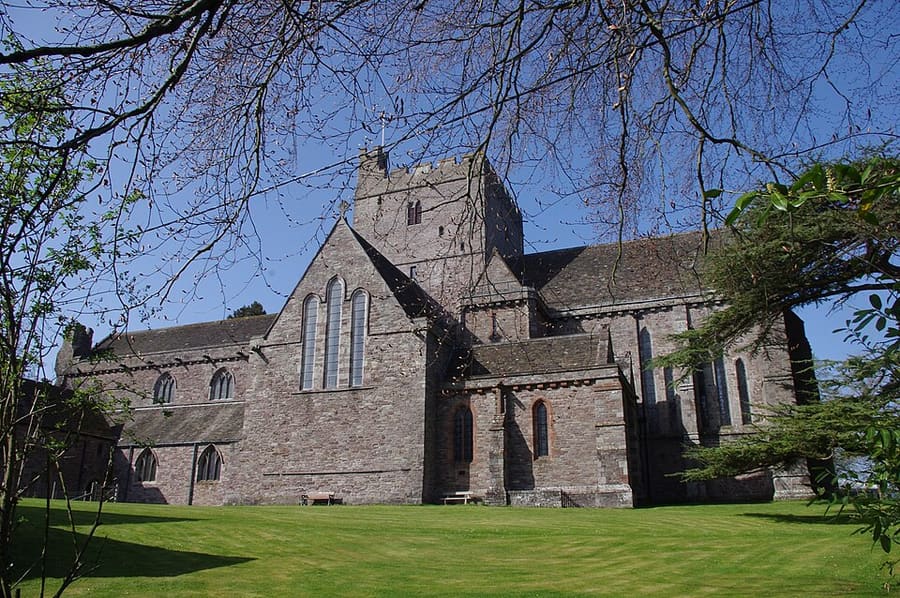
Cathedral of the Diocese of Swansea and Brecon in the Church in Wales, formerly the church of Brecon Priory.
Directions Website Report a problem with Brecon Cathedral (Eglwys Gadeiriol Aberhonddu)
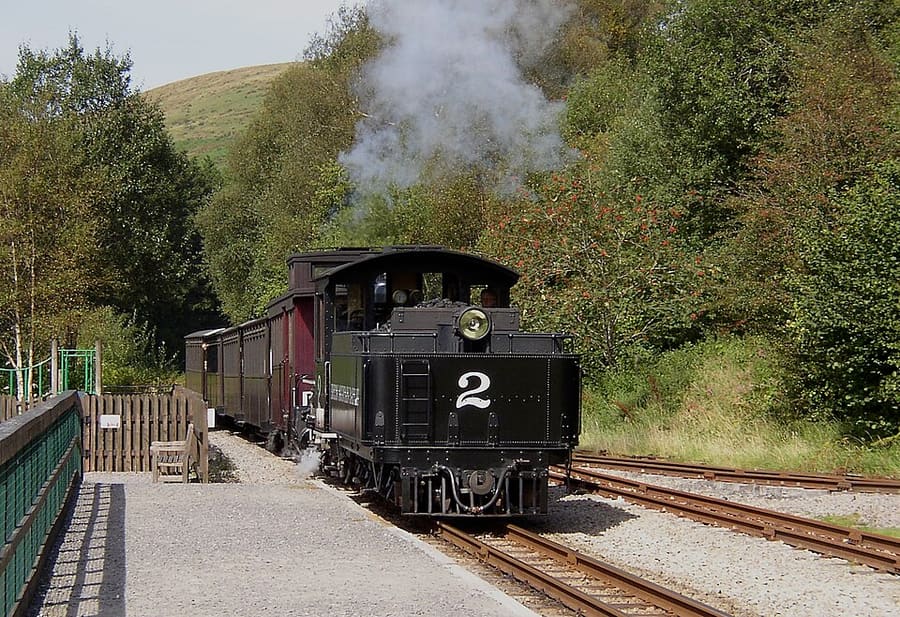
Narrow gauge tourist railway climbing north from Pant along the full length of the Pontsticill Reservoir.
Directions Website Report a problem with Brecon Mountain Railway (Rheilffordd Fynydd y Bannau)
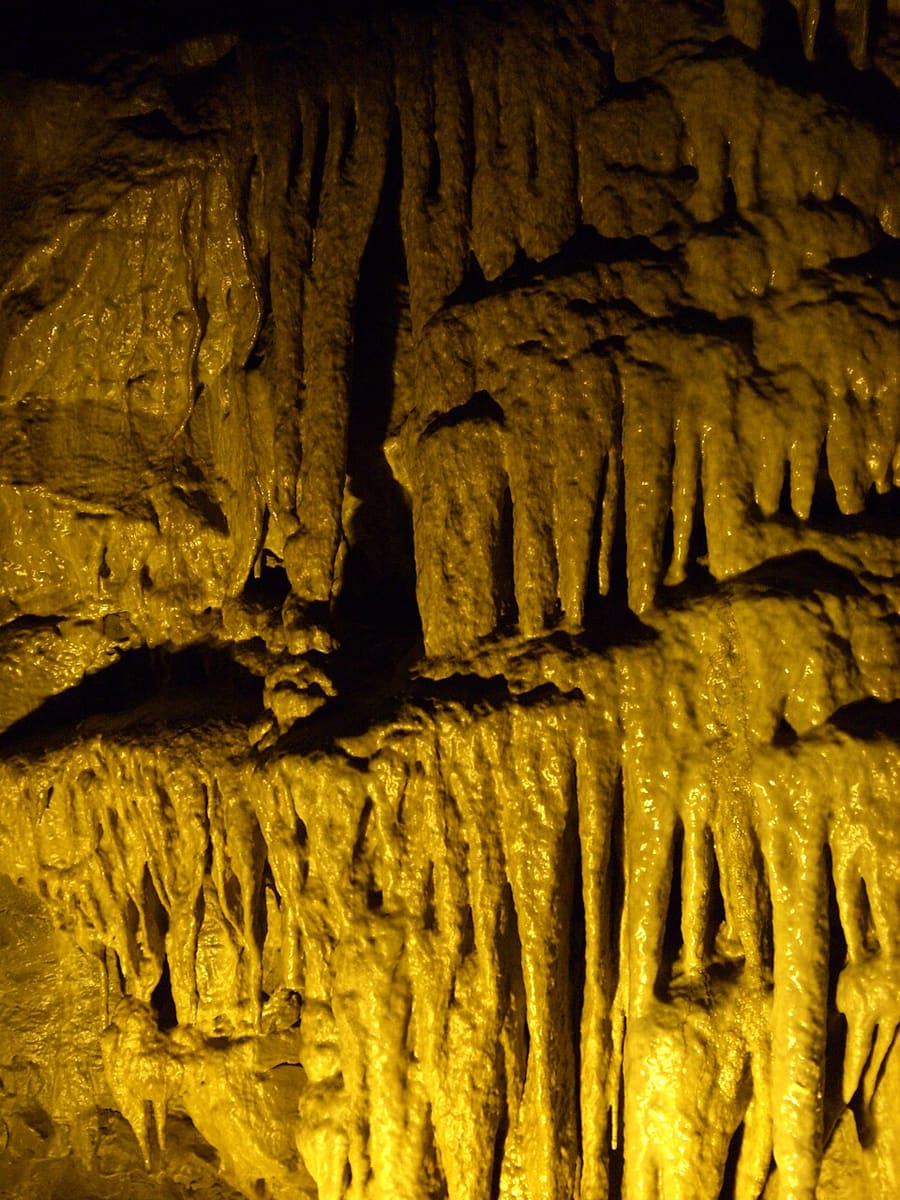
Show cave complex around an 11-mile (17 km) cave system, within a National Nature Reserve.
Directions Website Report a problem with Dan yr Ogof National Showcaves
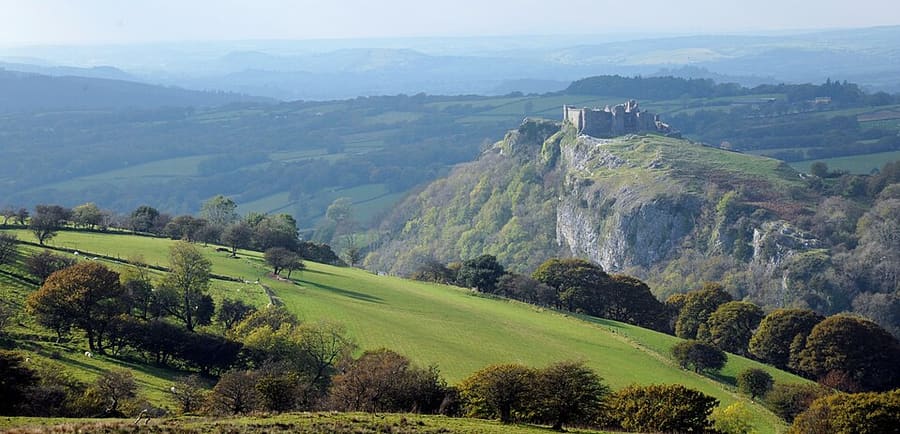
Ruined castle on a high limestone crag above the River Cennen, near Trap, four miles south-east of Llandeilo.
Directions Website Report a problem with Carreg Cennen Castle (Castell Carreg Cennen)
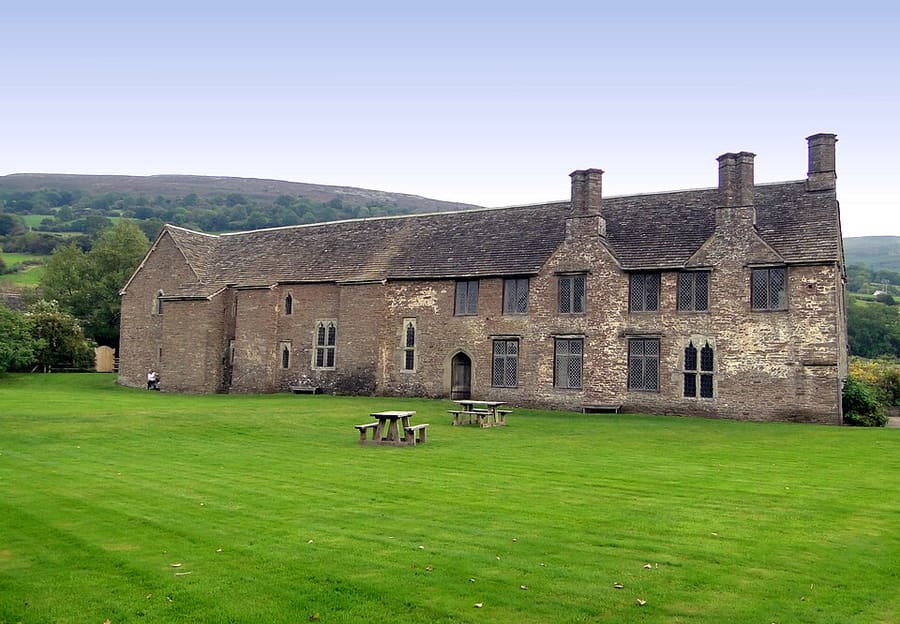
Medieval house and a castle with a round tower, side by side near Crickhowell and spanning 900 years, in Cadw's care.
Directions Website Report a problem with Tretower Court and Castle
Find your way
The map shows Bannau Brycheiniog (Brecon Beacons) and the streets around it. The Getting there page lists nearby stops and stations.
Insider tips
Pen y Fan is the highest peak in South Wales. Mountain weather changes quickly, so check the forecast, carry navigation and leave time to return.
The park authority says the T4 and T6 TrawsCymru services reach Brecon and that the Explore Wales Pass can be used on local buses; check Traveline Cymru for current times.
Sgwd yr Eira and Henrhyd Falls (the tallest waterfall in southern Wales) are on the south side of the park. The X55 bus serves Pontneddfechan, according to the park authority.
Hay-on-Wye has more than twenty bookshops and hosts the annual Hay Festival; check the festival site for current dates.
Tips from the Britlens editors
Explore this guide
Wales
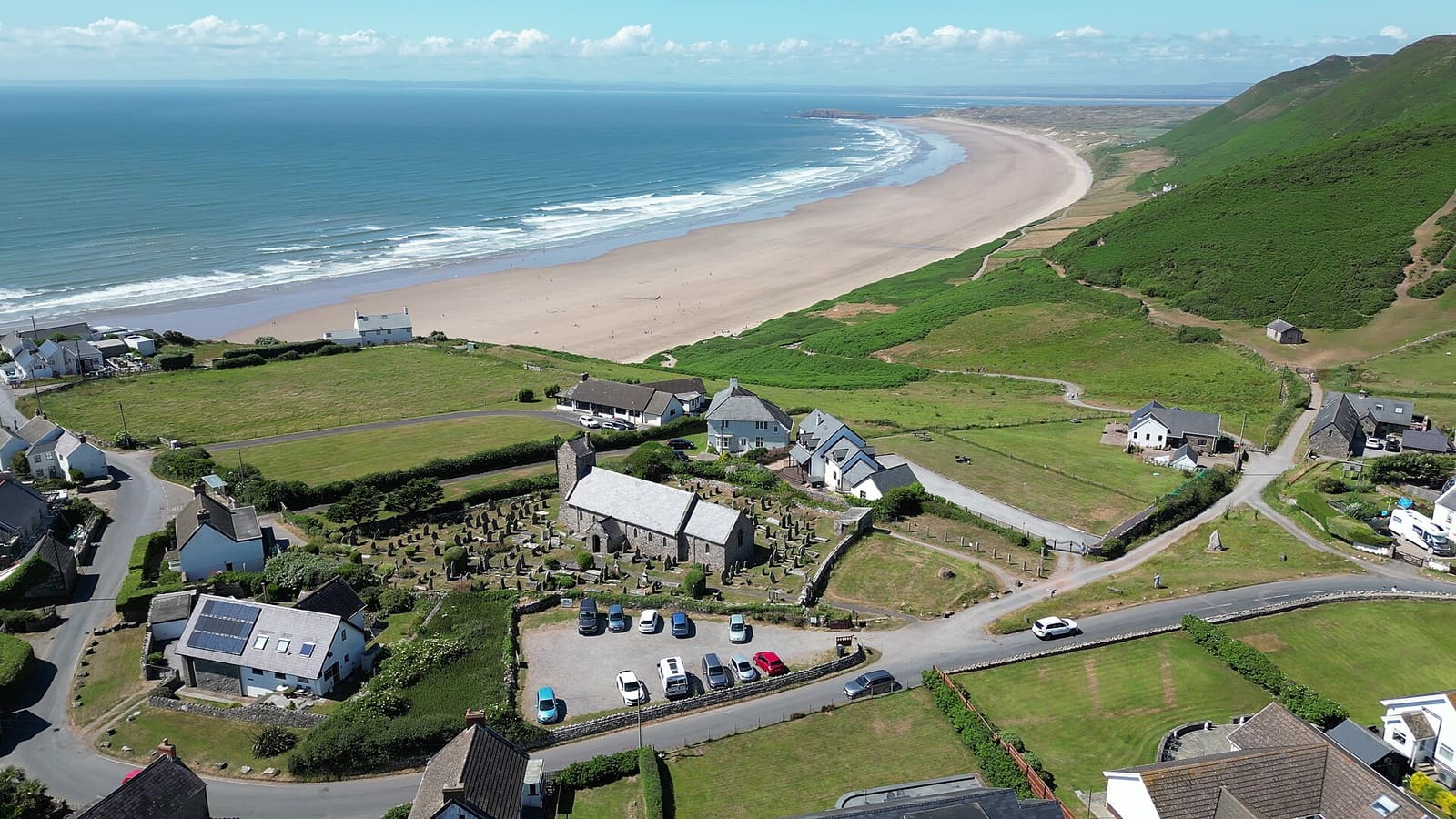
A waterfront city, Mumbles and the first Area of Outstanding Natural Beauty in the UK
Open the mini guide →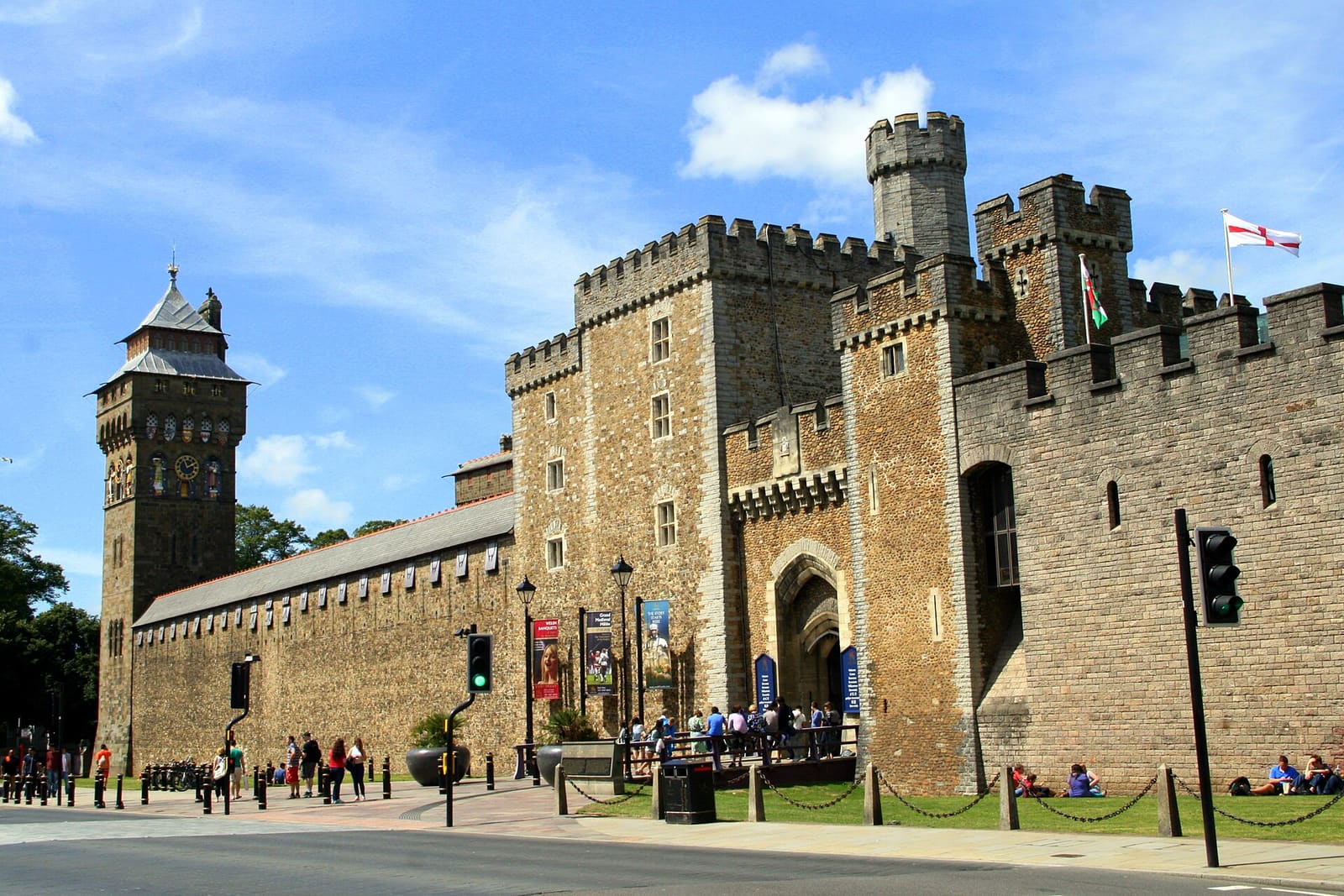
A compact capital: a castle in the city center, free museums and a redeveloped bay
Open the mini guide →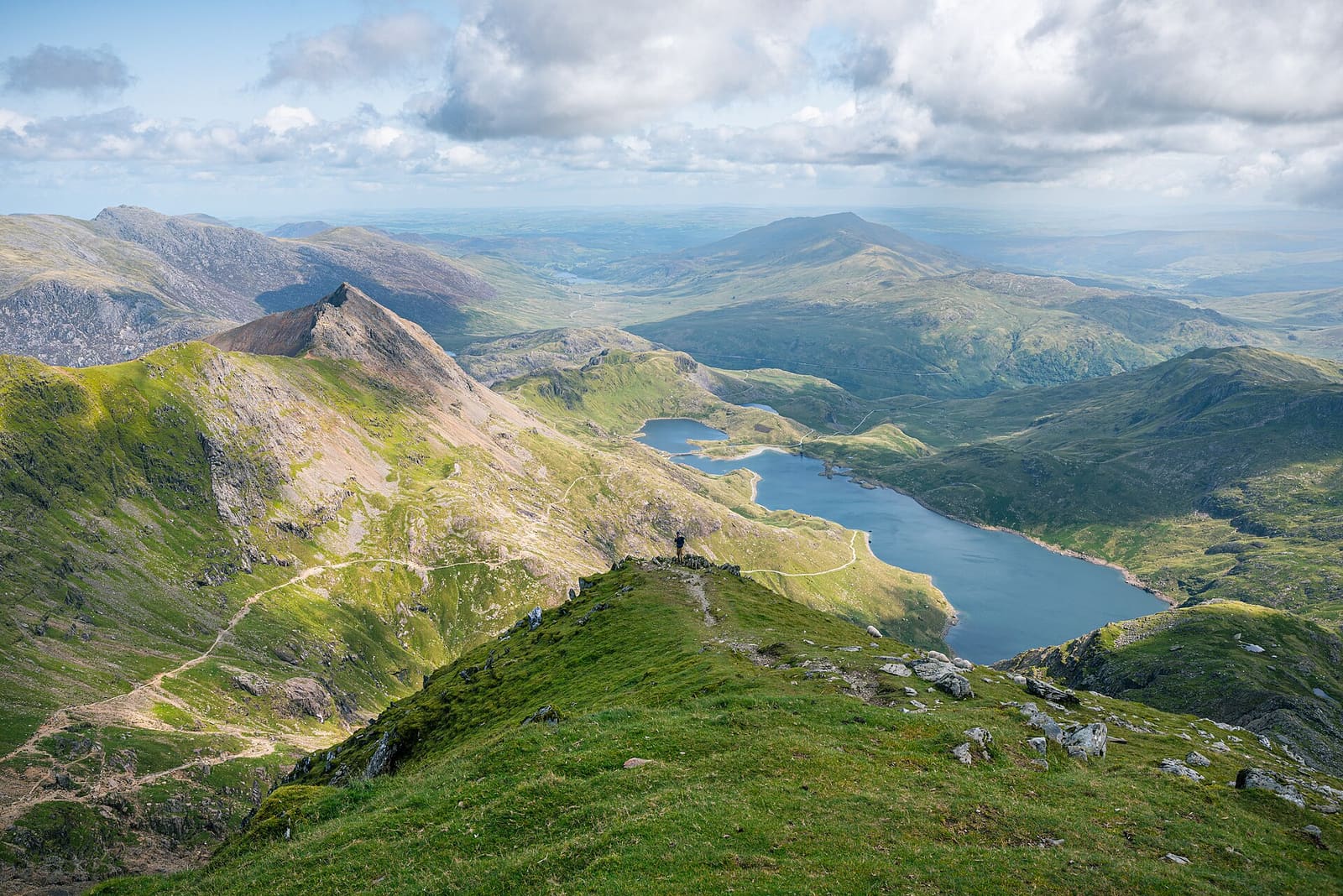
Yr Wyddfa, mountain railways and slate heritage in the first national park in Wales
Open the mini guide →Photos from Wikimedia Commons, used under the licences shown. All photo credits
Keep exploring Wales