 English (UK)
 English (US)
 Français
 Deutsch
 Español
 Italiano
 Nederlands
 简体中文

Check before you travel. Facilities, schemes and eligibility rules change and differ between operators, councils and the four nations. Use the official pages linked in the sources and contact the venue or operator if you need certainty. This page is a glossary, not advice.
The terms
| Term | What it means |
|---|---|
| step-free | a route or station with no steps between street, platform and train. Transport for London lists step-free access stations and step-free access between platform and train2,3 |
| Passenger Assist | the booking system for rail assistance: you request help in advance and any train company can organize assistance for the whole journey, even on several services1 |
| Blue Badge | a card that lets disabled drivers and passengers park closer to where they are going5,4 |
| Changing Places restroom | a larger accessible restroom with an adult-sized changing bench, a ceiling track hoist and a peninsular restroom6 |
| RADAR key | a key giving independent access to accessible restrooms across Great Britain; VisitBritain says over 10,0003 |
| Sunflower lanyard | a lanyard or card that discreetly shows you have a non-visible health condition3 |
| 'Please offer me a seat' badge | a badge from Transport for London for people who need a seat on its services2 |
| assistance dog | a trained dog that helps its owner. Westminster Abbey, for example, welcomes registered assistance dogs on a lead7,2 |
| hearing loop | a system that sends sound to hearing aids. Westminster Abbey has one covering the whole main building7 |
| BSL | British Sign Language, the UK's primary sign language8 |
Passenger Assist on the railway
National Rail says Passenger Assist lets you request an assistance booking in advance and that any train company can organize assistance for your entire journey, even if you are traveling on multiple services. The help it lists includes a hand navigating the station, help getting on or off the train, being met from your train, arranging a ramp, assistance relating to a non-visible impairment, and carrying up to three items of luggage.1
You can request it through an app and website called Passenger Assistance by Transreport, through a call or text service, or through the train company. The page lists current phone numbers and hours, which change, so read them on the National Rail Passenger Assist page (opens in new tab).1 VisitBritain recommends planning your rail journey through Passenger Assistance, created in partnership with National Rail.3
Step-free travel in London
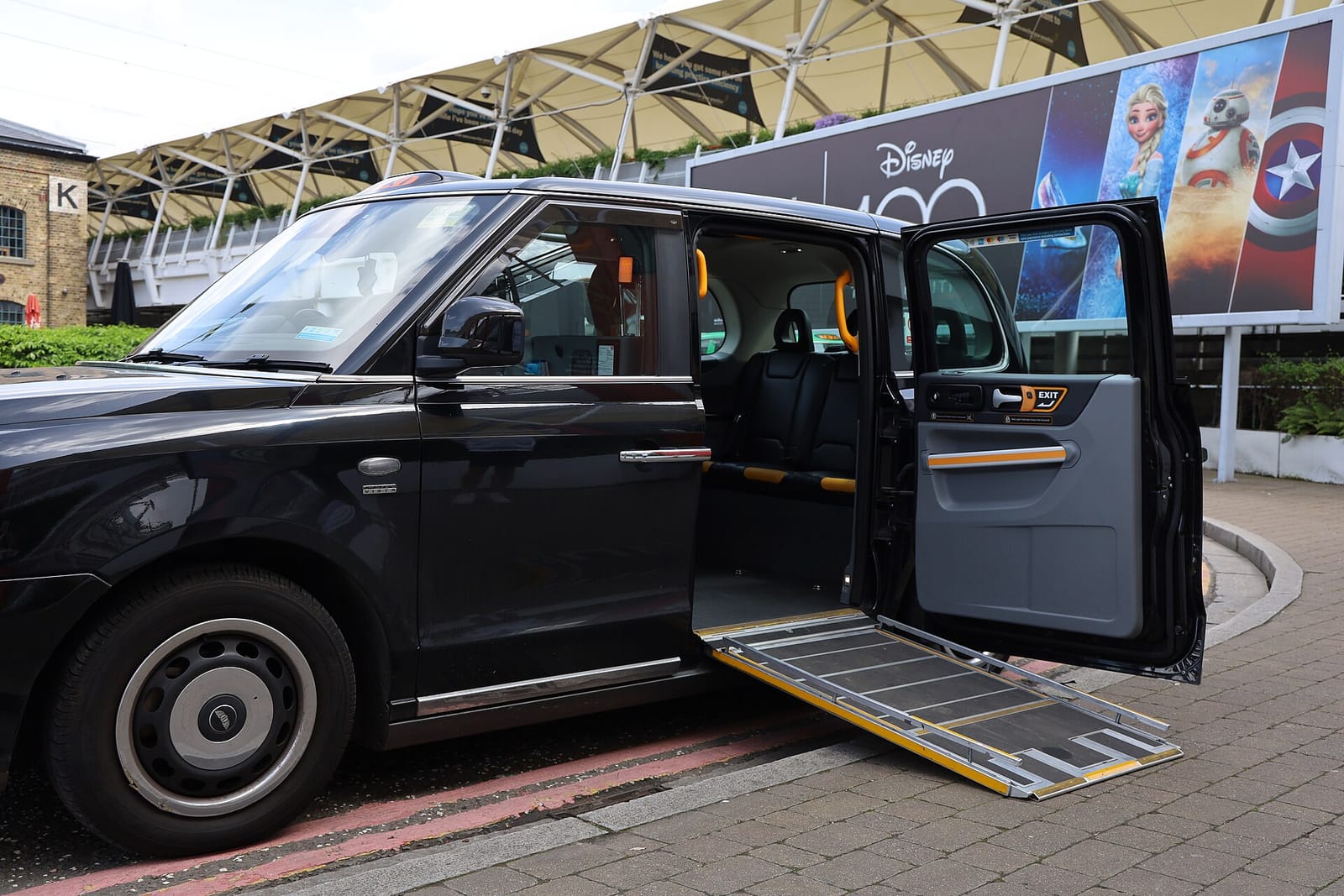
Transport for London publishes step-free access stations, accessibility maps and guides, information on mini ramps and on step-free access between platform and train, and a "Please offer me a seat" badge.2 VisitBritain says one third of the London Underground is accessible, with many ferry piers, tram stops, buses and taxis offering step-free access.3 Our accessible London page links to more.

Blue Badge parking
A Blue Badge is a card that lets you park closer to where you are going; you can use it in a vehicle as a driver or a passenger.5 In the UK, you apply through your local council, and GOV.UK has a different route for Northern Ireland.4
For visitors, mygov.scot says that if you are visiting Scotland from outside the UK, you may be able to use your disability parking permit from your home country, and you should contact the local council where you want to park to check.5 VisitBritain reports that the UK has informally agreed to continue recognizing badges issued by EU and EEA countries, and advises visitors from outside the EU and EEA to check with the local police or authority before parking.3 Rules and concessions can differ between nations, so check the council for the place you are visiting.
Accessible restrooms and Changing Places
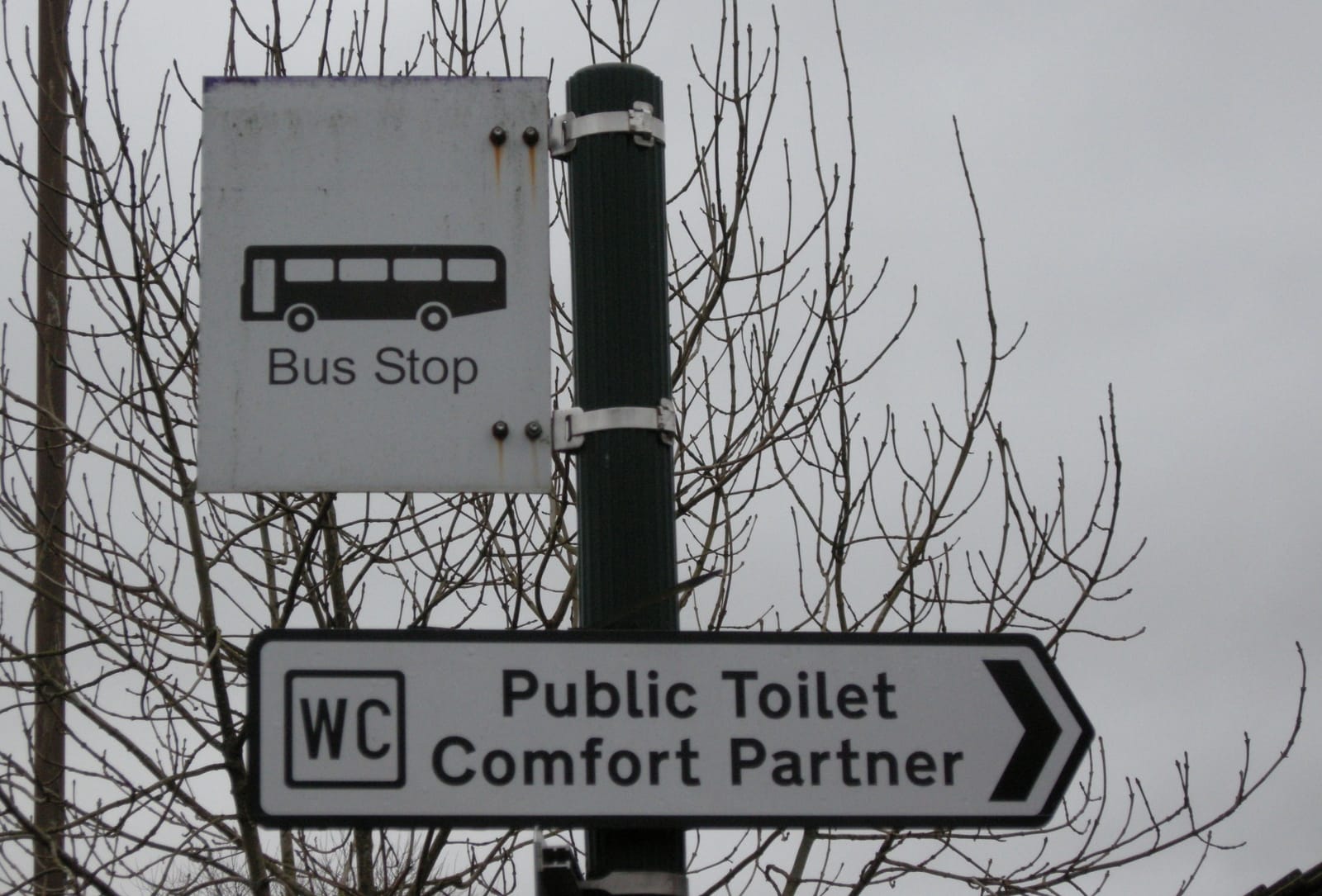
The Changing Places campaign describes a Changing Places restroom as having more space and the right equipment, including a height-adjustable changing bench, a peninsular restroom and a ceiling hoist, and says the room should be at least 12 square meters. Its website has a restroom finder and route planner.6 VisitBritain lists RADAR keys for independent access to accessible restrooms across Great Britain, and says you can order them online.3
Non-visible conditions
VisitBritain says carrying a Sunflower lanyard or card can show discreetly that you have a non-visible health condition, and that staff at most attractions and travel services know the lanyard and can offer support.3

At attractions and places of worship
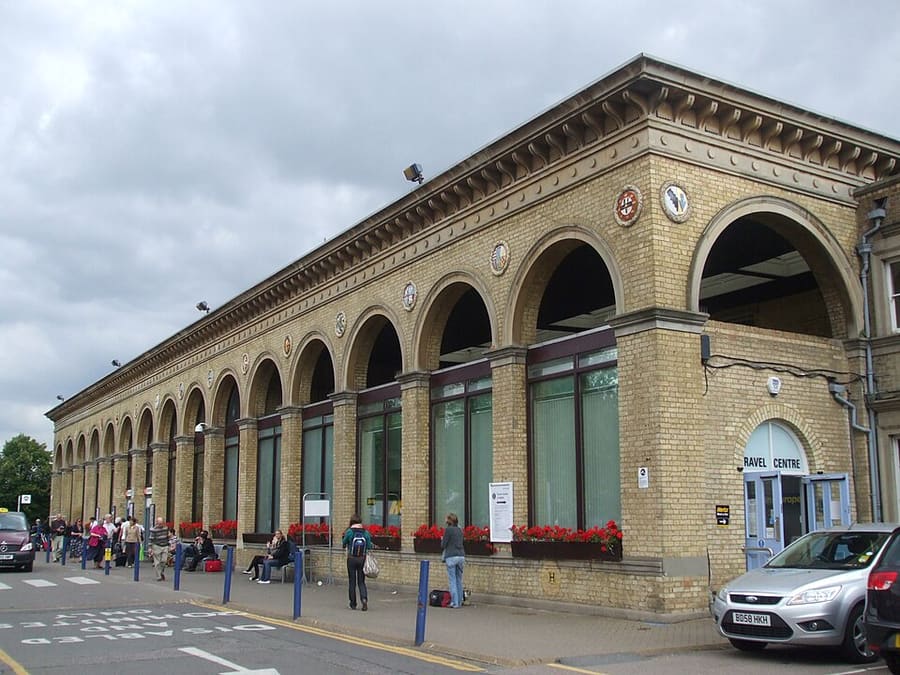
Many venues publish their own access pages. Westminster Abbey, for example, says it is accessible for wheelchair users, lends wheelchairs subject to availability, and has a hearing loop covering the whole main building.7 Search for a venue's "access" or "plan your visit" page, and use the contact details to ask about anything not listed.
Sign language
British Sign Language is the UK's primary sign language, and when interpreters are present at public events they use BSL. In Northern Ireland both BSL and Irish Sign Language are used.8
Related
Read our accessible travel guide, the website accessibility statement, accessible London, or return to language and etiquette.