 English (UK)
 English (US)
 Français
 Deutsch
 Español
 Italiano
 Nederlands
 简体中文
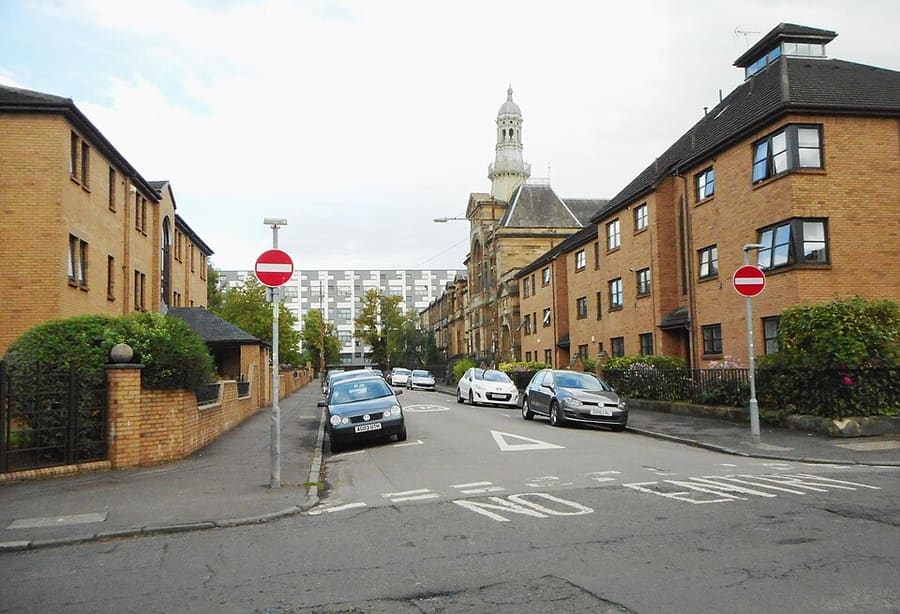
Historic building
Partick Burgh Hall
Category B listed hall on Burgh Hall Street that was the headquarters of Partick Burgh Council in the early 20th century.
A mini guide to
Dumbarton Road's pubs and restaurants, the Govan footbridge and the quieter streets of Hyndland and Dowanhill
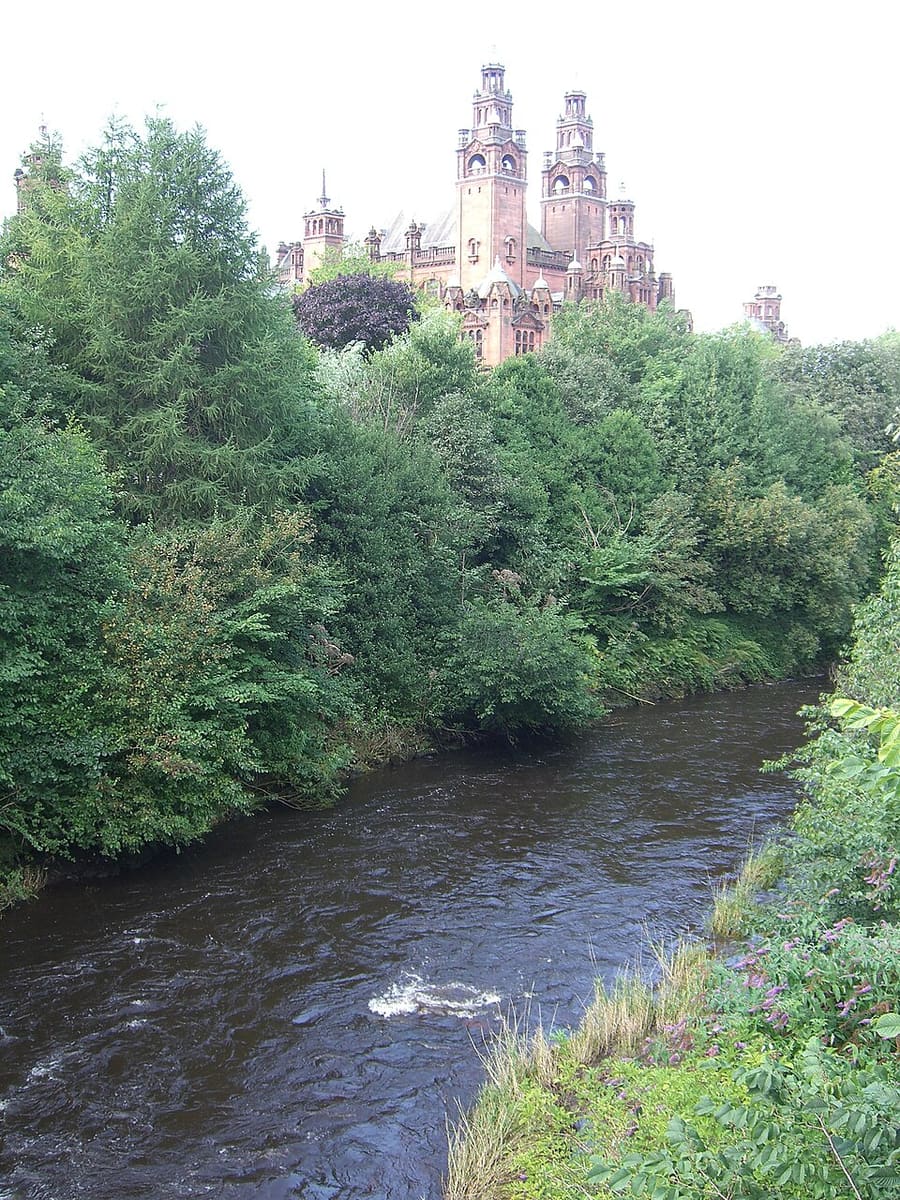 1 / 4
Welcome to the area
Partick lies on the north bank of the Clyde, across from Govan, and next to Kelvingrove Park and the West End. It was a separate police burgh until 1912 and Partick Burgh Hall was its council headquarters. The Hamilton Crescent cricket ground hosted the first international soccer match, between Scotland and England, in 1872.
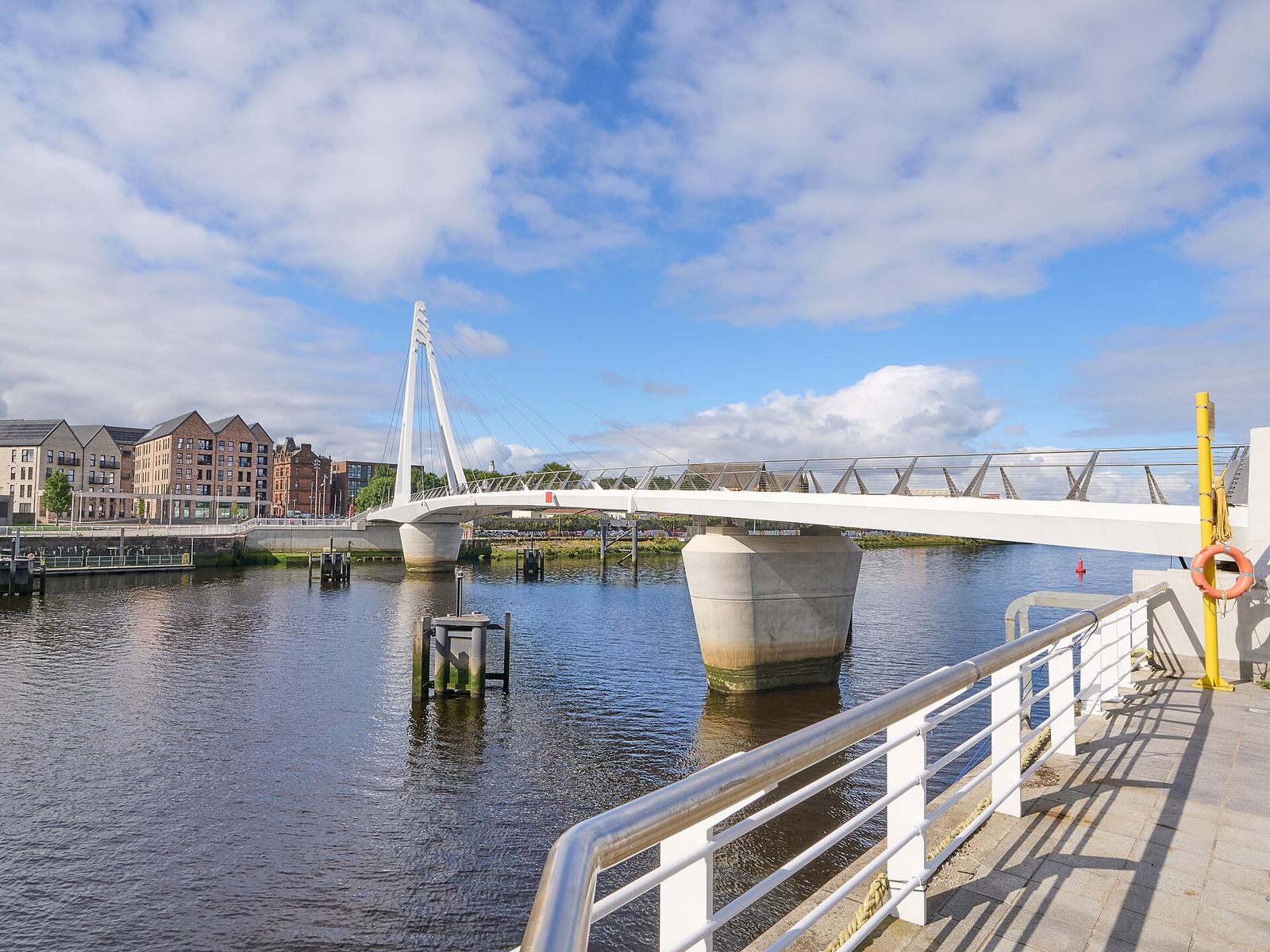
The Govan-Partick Bridge, a footbridge opened to the public in September 2024, links Pointhouse Quay beside the Riverside Museum to Water Row in Govan, where the Govan Stones are displayed. Up the hill, Hyndland and Dowanhill are residential areas of red sandstone tenements and villas, with Cottiers, a theater in a former church, and the Greek Orthodox Cathedral of St Luke.
Highlights
If you only have a few hours, these are good places to begin.
Category B listed hall on Burgh Hall Street that was the headquarters of Partick Burgh Council in the early 20th century.
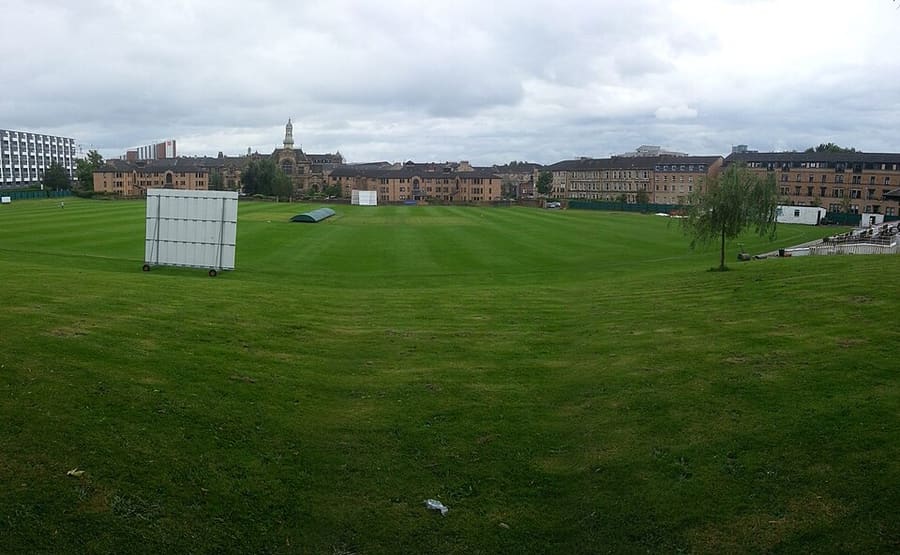
Cricket ground of West of Scotland Cricket Club, and venue of the first international soccer match, Scotland against England, in 1872.
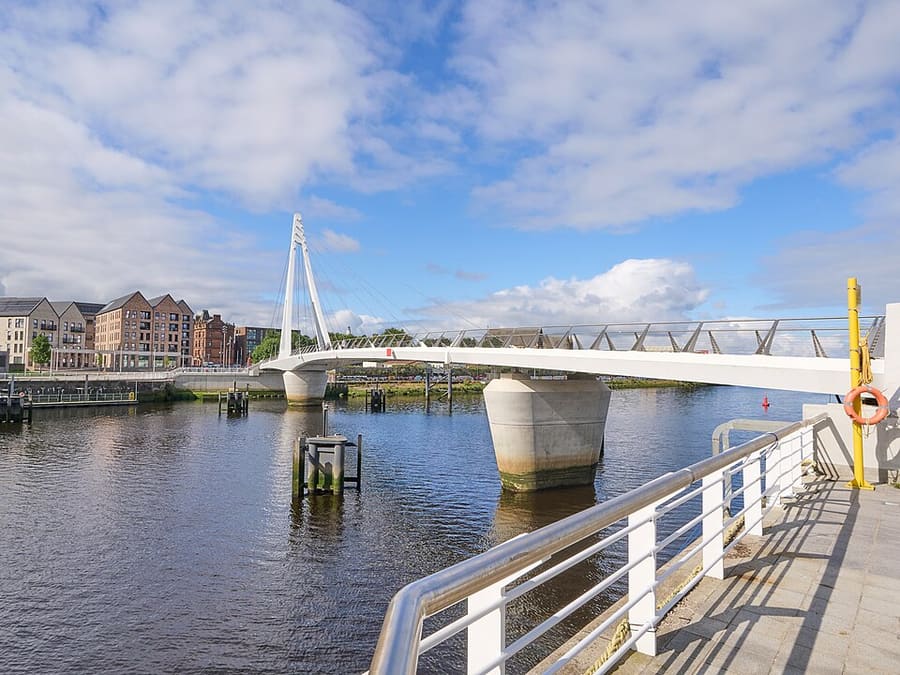
Footbridge for pedestrians and cyclists between Pointhouse Quay in Partick and Water Row in Govan, with a swing span for ships.
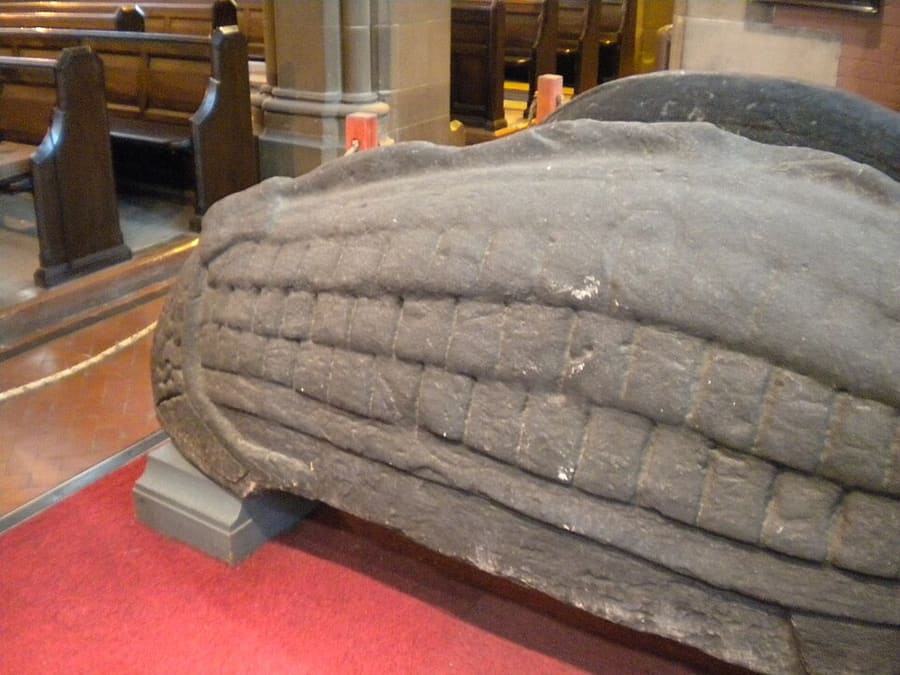
Collection of early medieval carved stones displayed at Govan Old Parish Church, including a sarcophagus and five hogback stones.
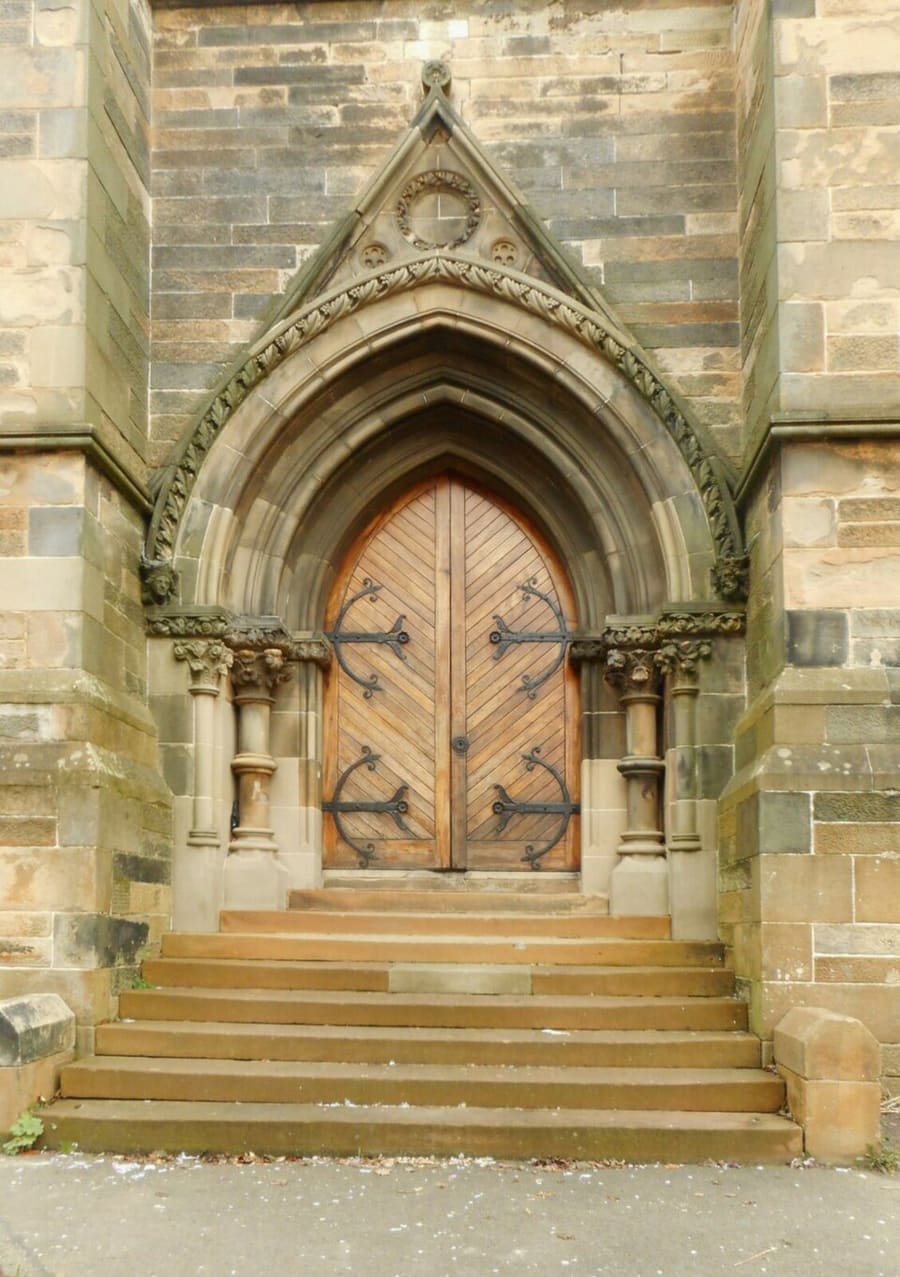
Theater, bar and restaurant in the 19th-century former Dowanhill Parish Church.
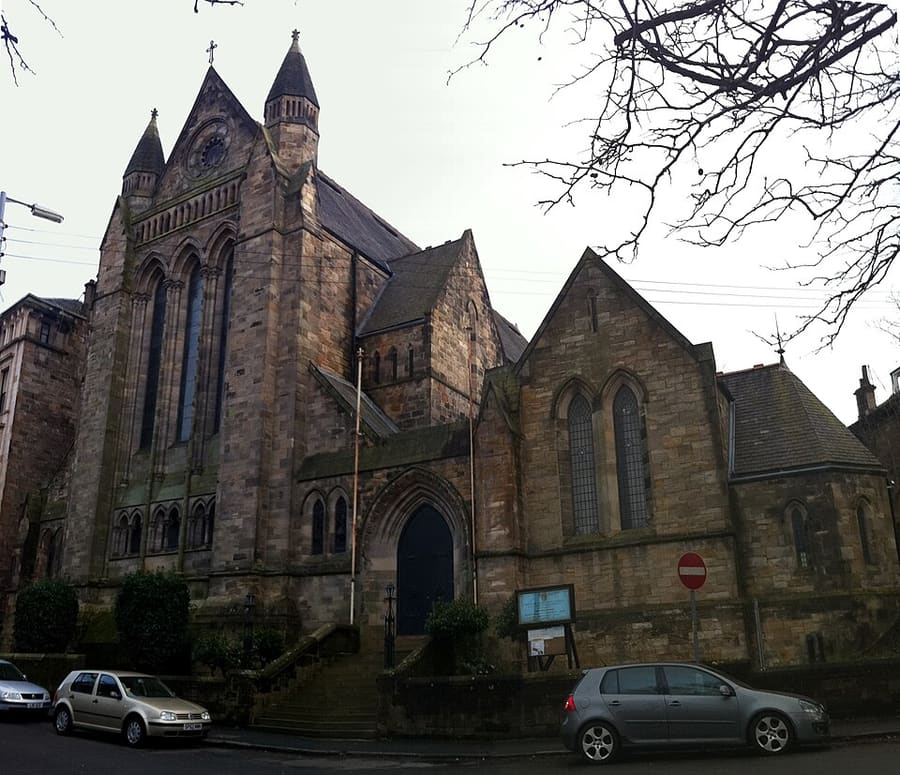
Greek Orthodox cathedral in Dowanhill, in the former Belhaven church of 1877 designed by James Sellars, with stained glass by Stephen Adam.
Directions Website Report a problem with Greek Orthodox Cathedral of St Luke
Find your way
The map shows Partick & Hyndland and the streets around it. The Getting there page lists nearby stops and stations.
Insider tips
Wikipedia says the Govan-Partick Bridge carries pedestrians and cyclists and that its swing span rotates to let ships, including PS Waverley, pass. It opened to the public on Sep 7, 2024.
The Govan Stones site describes early medieval carved stones displayed at Govan Old Parish Church, a short walk across the bridge. Check the site for opening times.
Hamilton Crescent, now the home of West of Scotland Cricket Club, hosted the first international soccer match in 1872, according to Wikipedia.
Wikipedia calls Partick the part of the city most connected with the Highlands, with several Gaelic agencies based here.
Tips from the Britlens editors
Glasgow
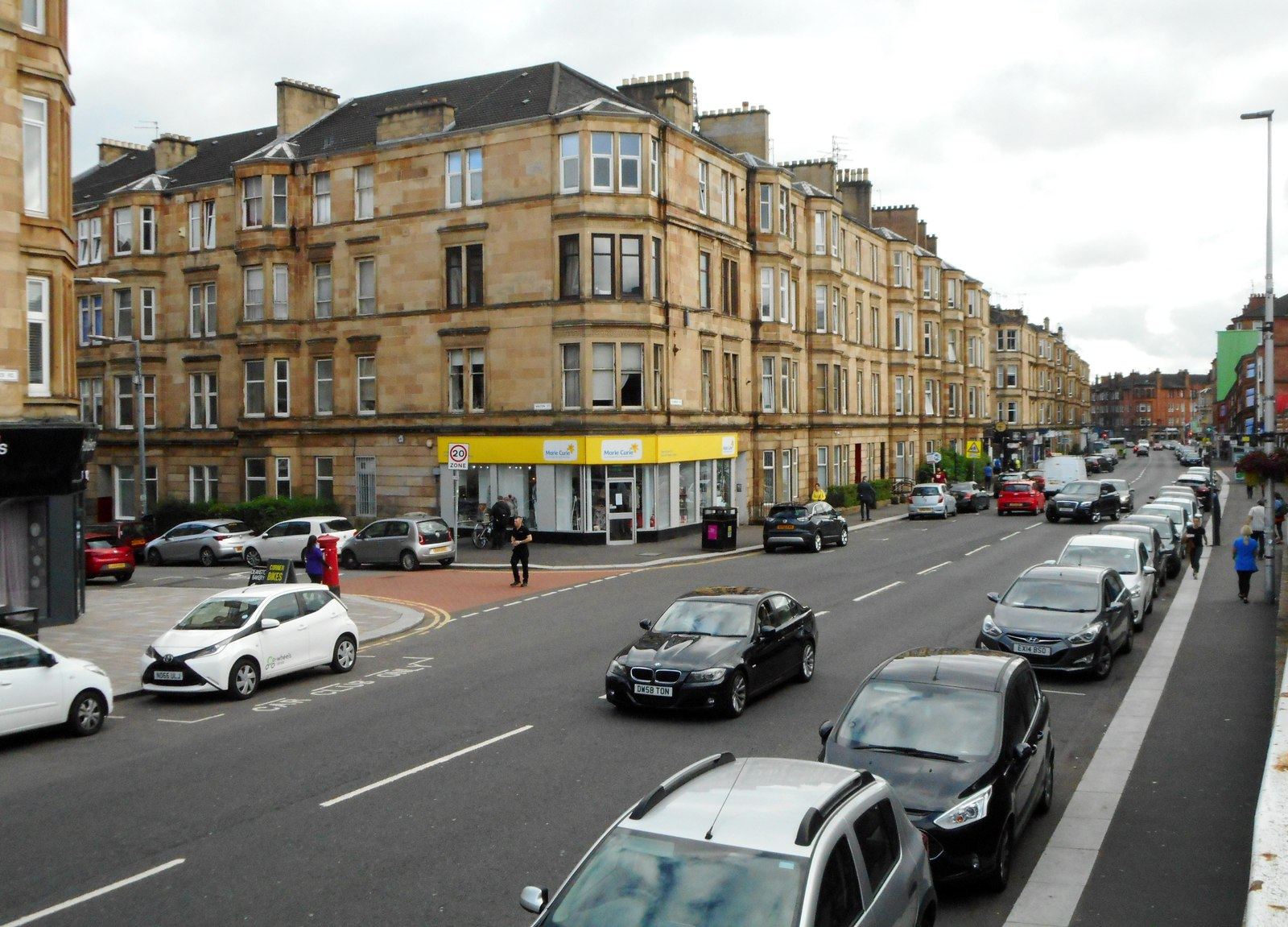
The Southside's independent cafés and restaurants, a battlefield district and a cricket ground
Open the mini guide →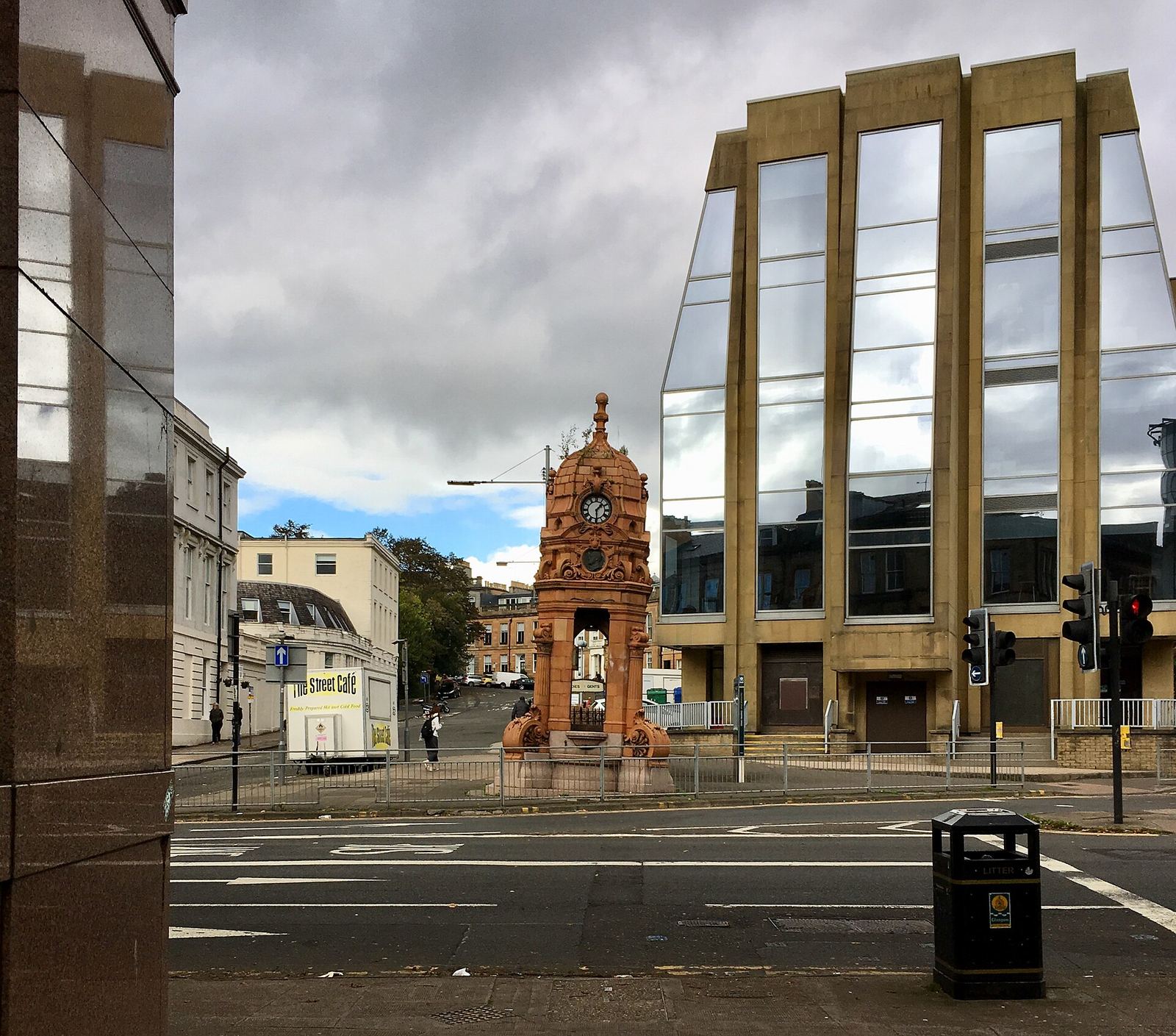
Where the city center meets the West End: Sauchiehall Street, Garnethill and a Victorian synagogue
Open the mini guide →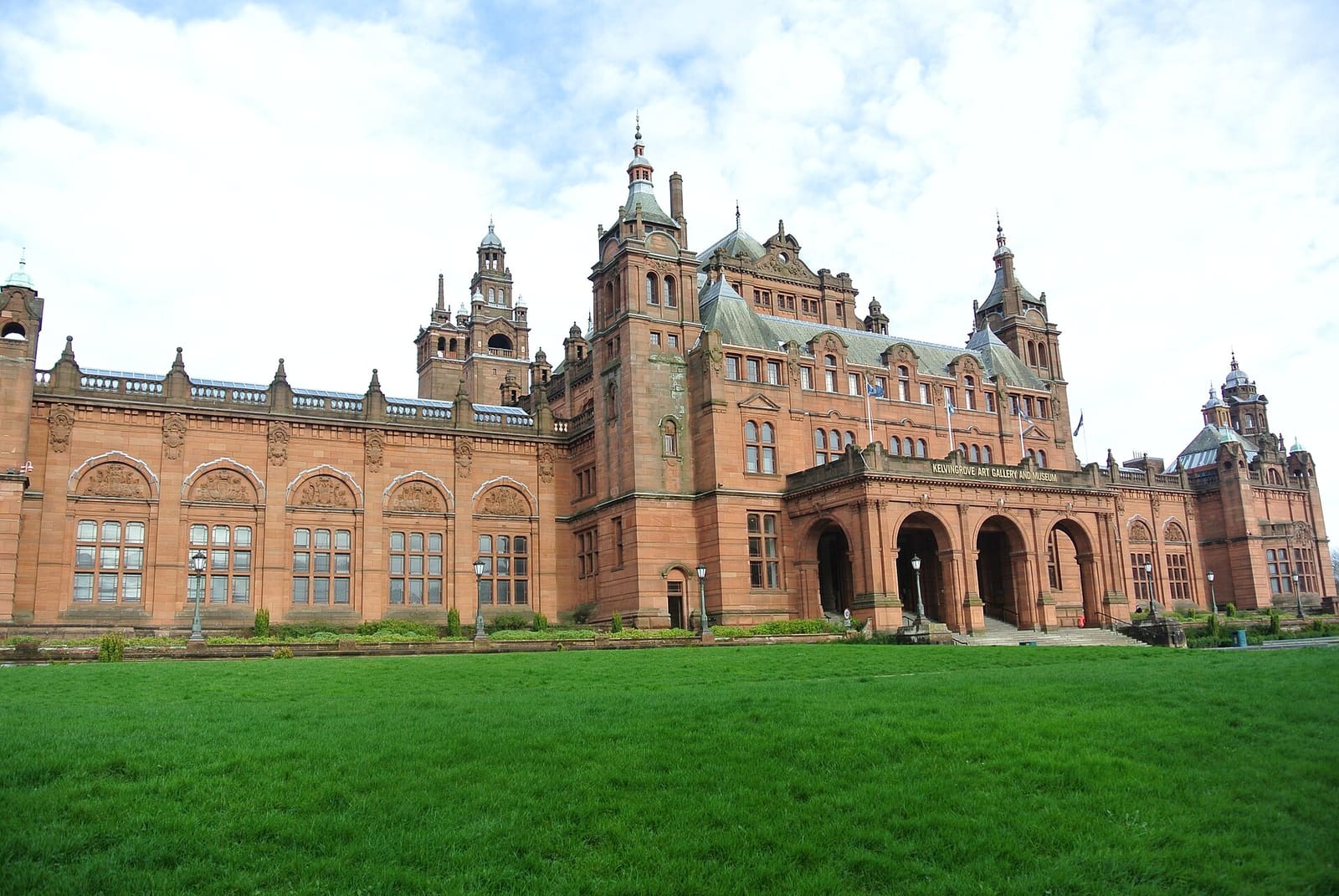
A free museum, Scotland's oldest university museum and the cobbled lanes off Byres Road
Open the mini guide →Photos from Wikimedia Commons, used under the licences shown. All photo credits
Keep exploring Glasgow