 English (UK)
 English (US)
 Français
 Deutsch
 Español
 Italiano
 Nederlands
 简体中文
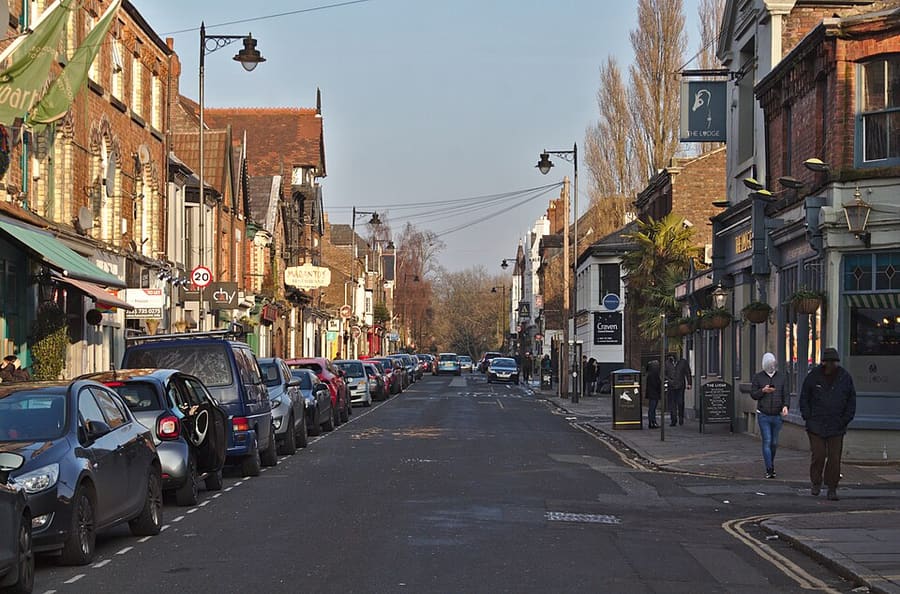
A mini guide to
Lark Lane & Sefton Park: tips and FAQs
Local know-how and common questions
Local know-how
Tips for visiting
Walk the park
Sefton Park is the biggest park in the city and takes time to cross. Wear shoes for grass and gravel paths.
Find the Palm House
The Victorian Palm House in Sefton Park is run as a venue. Check its website before you go to see what is on.
Eat on Lark Lane
Lark Lane has independent cafés, bars and restaurants close together. Merseyrail's own Lark Lane guide names several of them.
Visit the Beatles homes
The National Trust looks after Mendips and 20 Forthlin Road as the Beatles' Childhood Homes. Check its website for how to visit.
See Strawberry Field
Strawberry Field in Woolton is run by the Salvation Army and has its own visitor website.
FAQ
Frequently asked questions
Where is Lark Lane & Sefton Park?
Lark Lane & Sefton Park is in Liverpool, England. Cafés and bars on Lark Lane beside the city's largest park. Nearby stops and stations include St Michaels, Aigburth, Liverpool Central.
How long do I need in Lark Lane & Sefton Park?
Half a day. Allow longer if you plan to eat out or visit several attractions.
What are the highlights?
Highlights include Sefton Park, Sefton Park Palm House, Lark Lane. See the Things to do page for more.
How do I get there?
Nearby: St Michaels (Merseyrail Northern line); Aigburth (Merseyrail Northern line); Liverpool Central (Merseyrail Northern and Wirral lines). The Getting there page links to the official schedules and journey planners.
Where can I eat and drink?
We list 13 places to eat and drink in and around Lark Lane & Sefton Park, with filters to help you choose.
Where should I stay?
We list 1 hotels and other places to stay nearby. Check availability and prices with each property.
Is Lark Lane & Sefton Park accessible?
Accessibility varies by street, building and venue. Check each attraction or operator’s access information before you travel.
While you are here
Things to see in Lark Lane & Sefton Park
A few of the sights in the area. The Things to do page lists them all, with directions and official links.
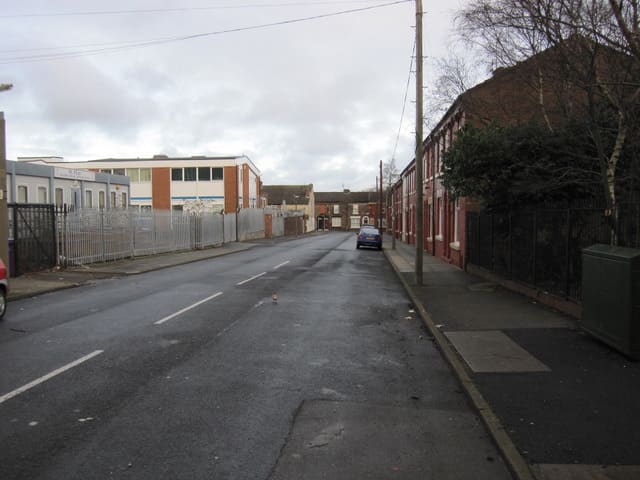
Welsh Streets
Late 19th-century terraced streets in Toxteth, designed by Richard Owens and built by Welsh workers.
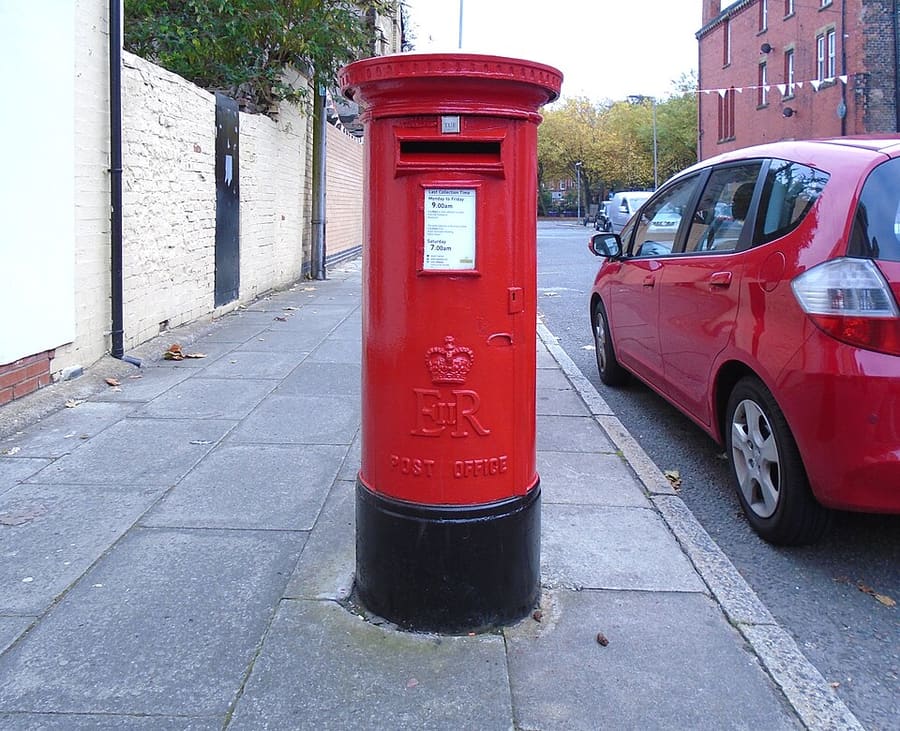
Granby Four Streets
Four streets near Princes Park, designed by Richard Owens and built by Welsh workers in the late 19th century.
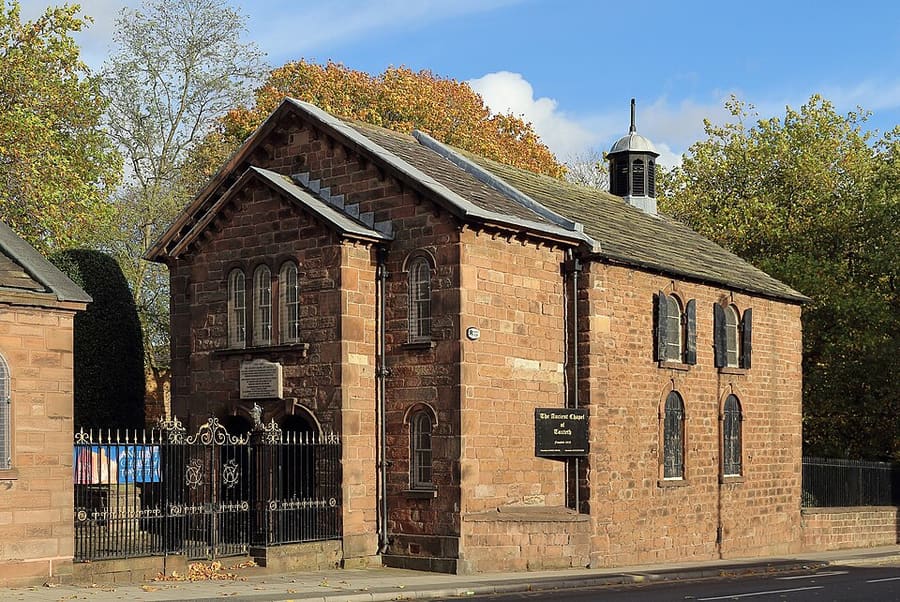
Ancient Chapel of Toxteth
Unitarian chapel on Park Road in Dingle, known since the 1830s as the Ancient Chapel of Toxteth.
Liverpool
More areas to explore
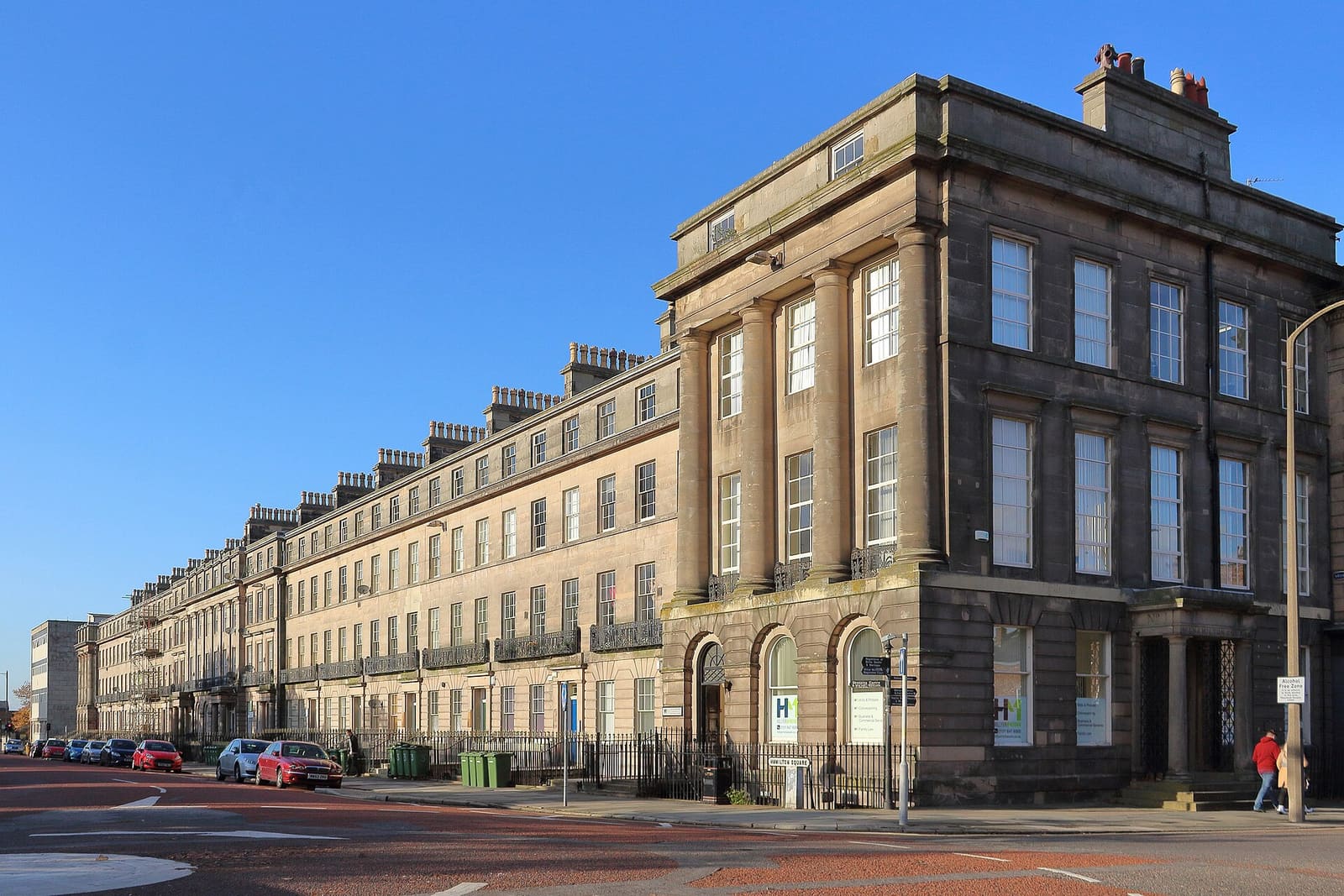
Birkenhead & Hamilton Square
A Georgian square, a medieval priory and Paxton's park across the Mersey
Open the mini guide →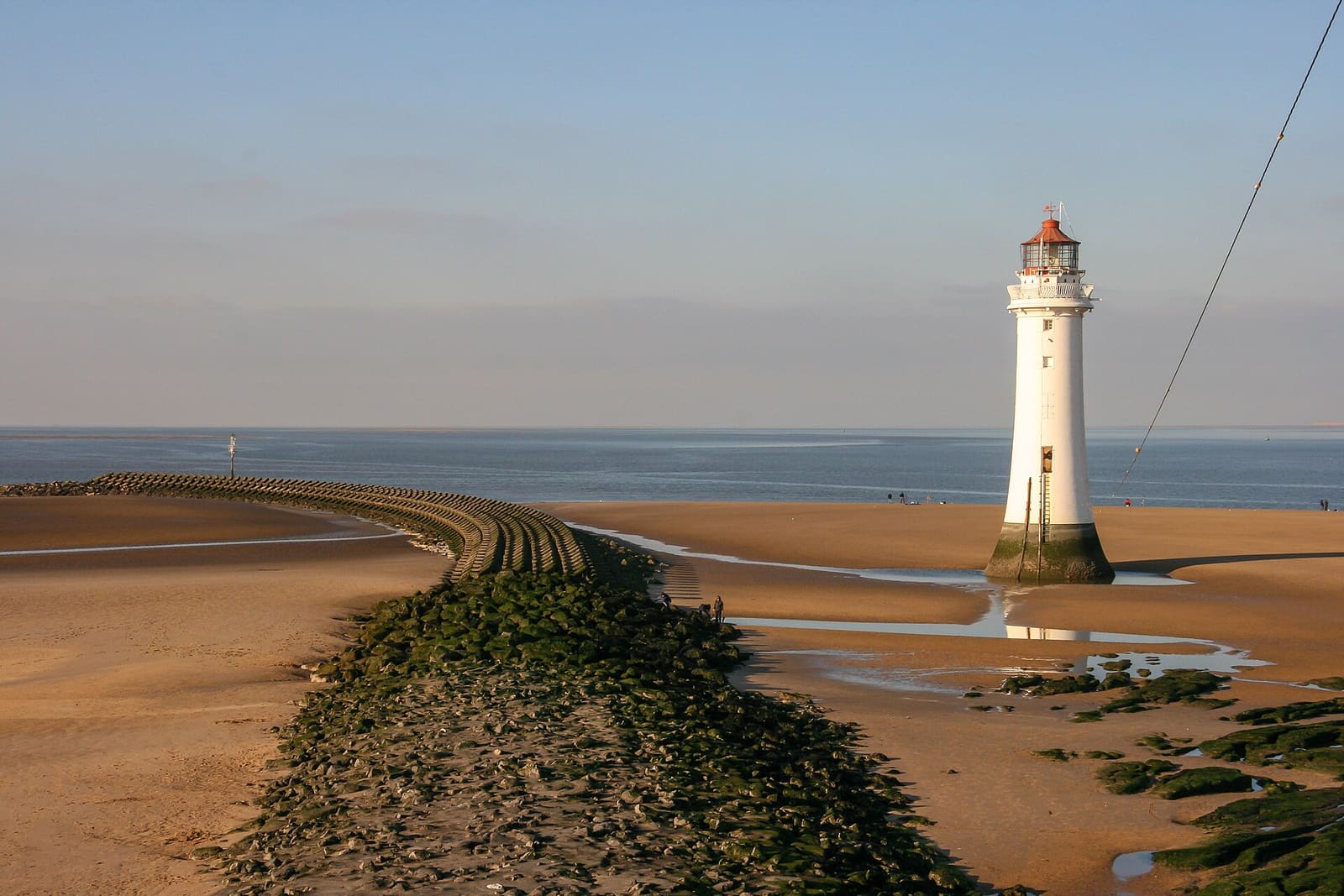
New Brighton & Wallasey
Fort, lighthouse and promenade at the mouth of the Mersey
Open the mini guide →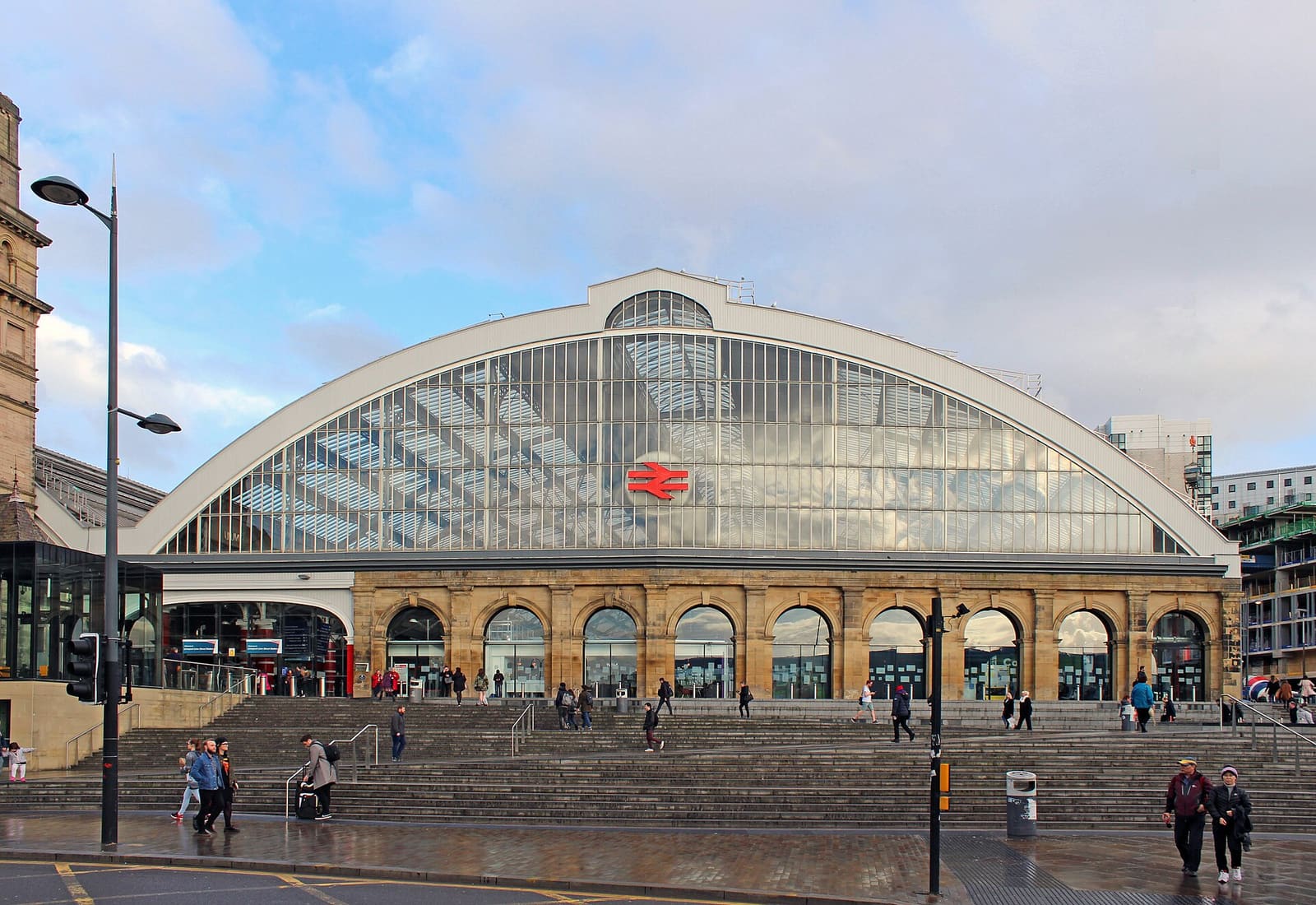
Lime Street & the Knowledge Quarter
Where the trains arrive, with the university quarter and Edge Hill beyond
Open the mini guide →Photo credits
- Lark Lane: Rodhullandemu, CC BY-SA 4.0, source
- Welsh Streets: John S Turner, CC BY-SA 2.0, source
- Granby Four Streets: Rodhullandemu, CC BY-SA 3.0, source
- Ancient Chapel of Toxteth: Rodhullandemu, CC BY-SA 4.0, source
- Birkenhead & Hamilton Square: Rodhullandemu, CC BY-SA 4.0, source
- New Brighton & Wallasey: Photograph by Mike Peel (www.mikepeel.net)., CC BY-SA 4.0, source
- Lime Street & the Knowledge Quarter: Rodhullandemu, CC BY-SA 4.0, source
- Albert Dock & the Waterfront: Rodhullandemu, CC BY-SA 4.0, source
- Cavern Quarter, Ropewalks & Chinatown: Elliott Brown from Birmingham, United Kingdom, CC BY-SA 2.0, source
- Baltic Triangle & Georgian Quarter: Fatih Renkligil, CC BY-SA 4.0, source
- The Cathedrals & Hope Street: calflier001, CC BY-SA 2.0, source
- Anfield & the Football Story: Mike Pennington, CC BY-SA 2.0, source
Photos from Wikimedia Commons, used under the licences shown. All photo credits
Keep exploring Liverpool