 English (UK)
 English (US)
 Français
 Deutsch
 Español
 Italiano
 Nederlands
 简体中文
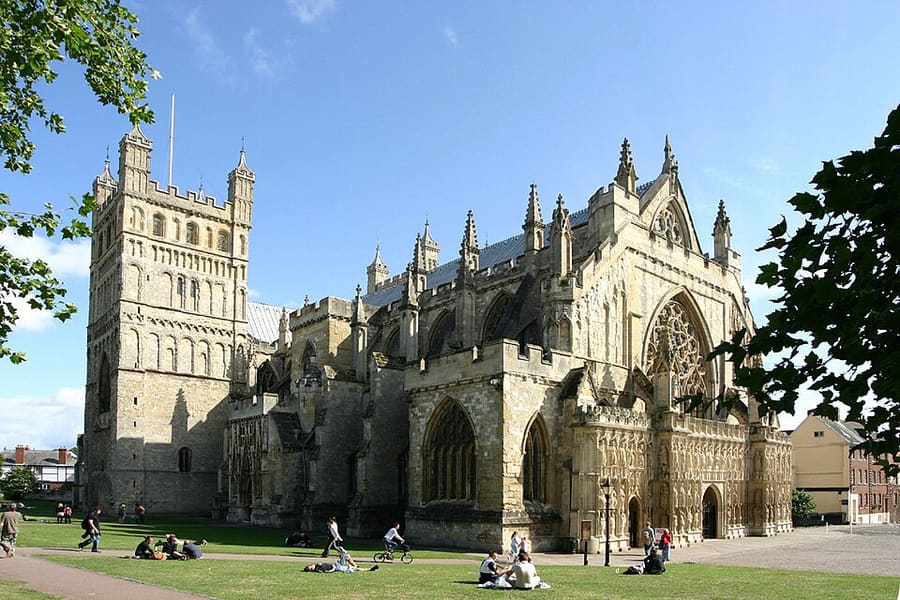
Cathedral
Exeter Cathedral
Gothic cathedral completed by about 1400, with an astronomical clock and the longest unbroken medieval stone vault in the world.
A mini guide to
Cathedral city on the Exe with Roman walls, medieval passages and a historic quayside
 1 / 10
Welcome to the area
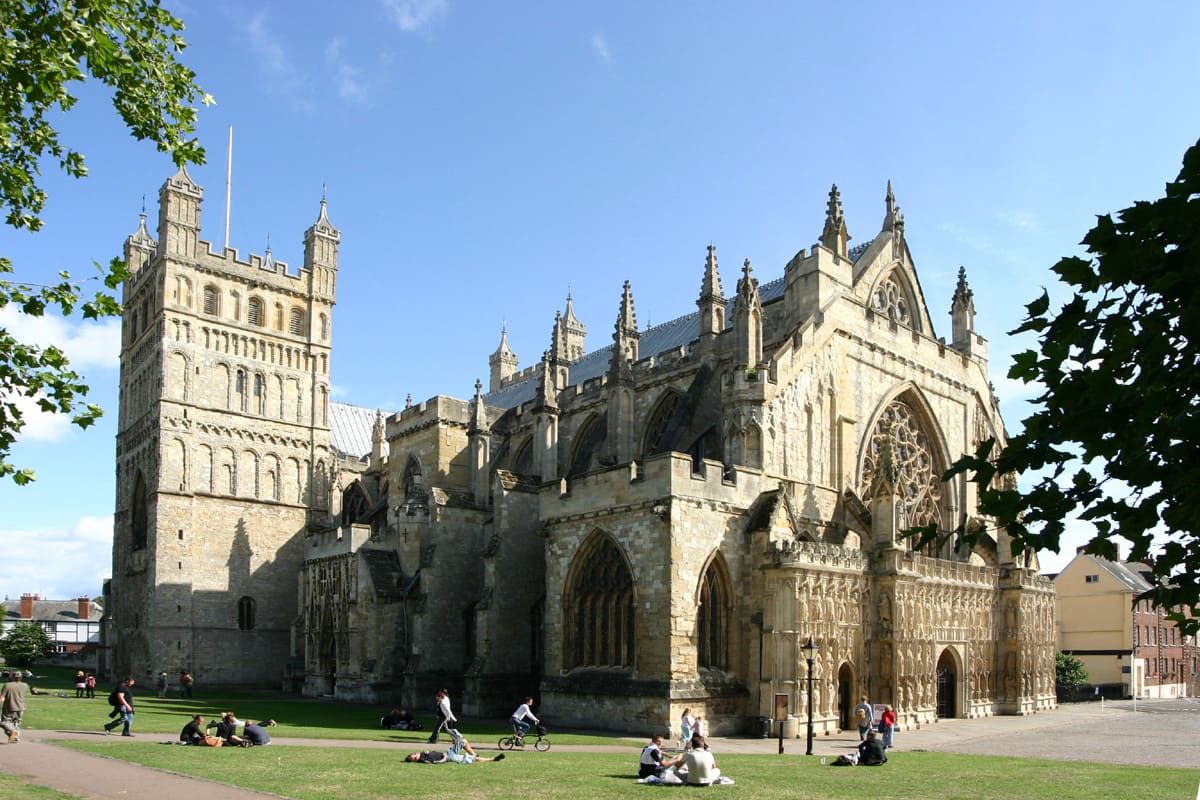
Exeter is the county town of Devon and stands on the River Exe. Its cathedral was complete by about 1400 and has an astronomical clock, an early set of misericords and the longest uninterrupted medieval stone vaulted ceiling in the world. About 72 per cent of the 2.35 km circuit of Roman and medieval city walls can still be seen, with Rougemont Castle built into its northern corner after 1068.
Under the streets, tunnels from the city's medieval water supply are shown on guided tours. Exeter Quay, used as a port since prehistoric times, is now a leisure area, with a hand-operated cable ferry across the Exe and the 16th-century Exeter Ship Canal running south. GWR notes that Exeter joined the UNESCO Creative Cities Network as a City of Literature in 2019.
Highlights
If you only have a few hours, these are good places to begin.
Gothic cathedral completed by about 1400, with an astronomical clock and the longest unbroken medieval stone vault in the world.
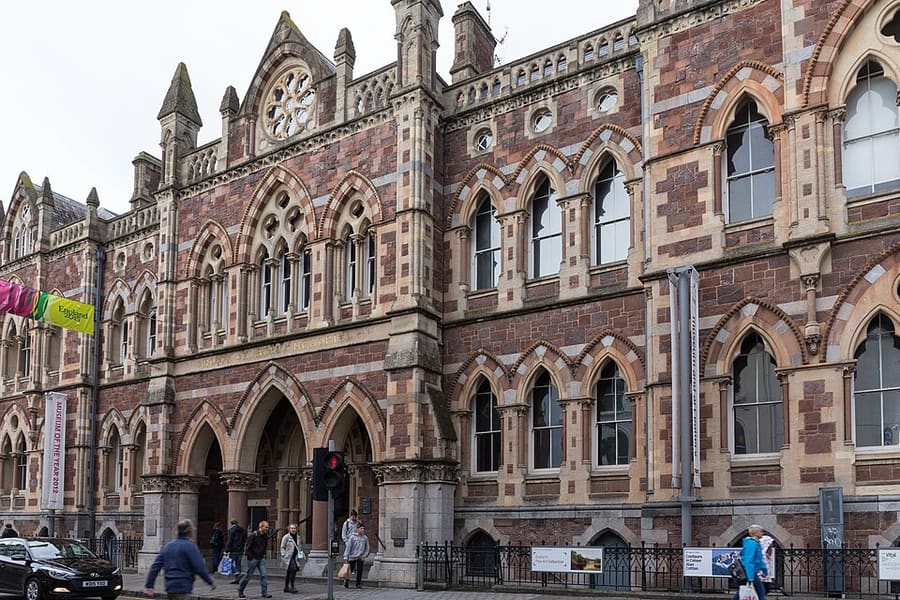
The city's largest museum, founded in 1868, with zoology, archaeology, world cultures and fine art in a Gothic Revival building.
Directions Website Report a problem with Royal Albert Memorial Museum
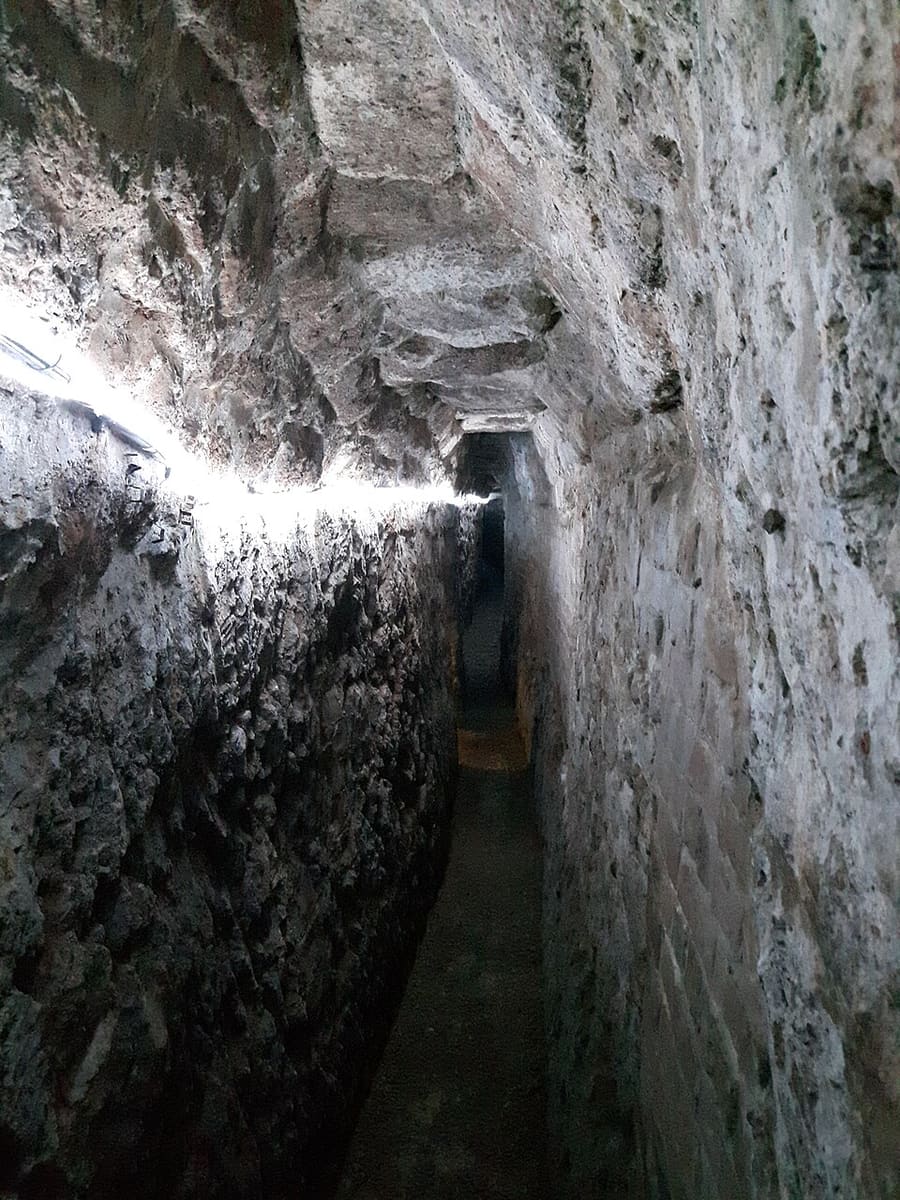
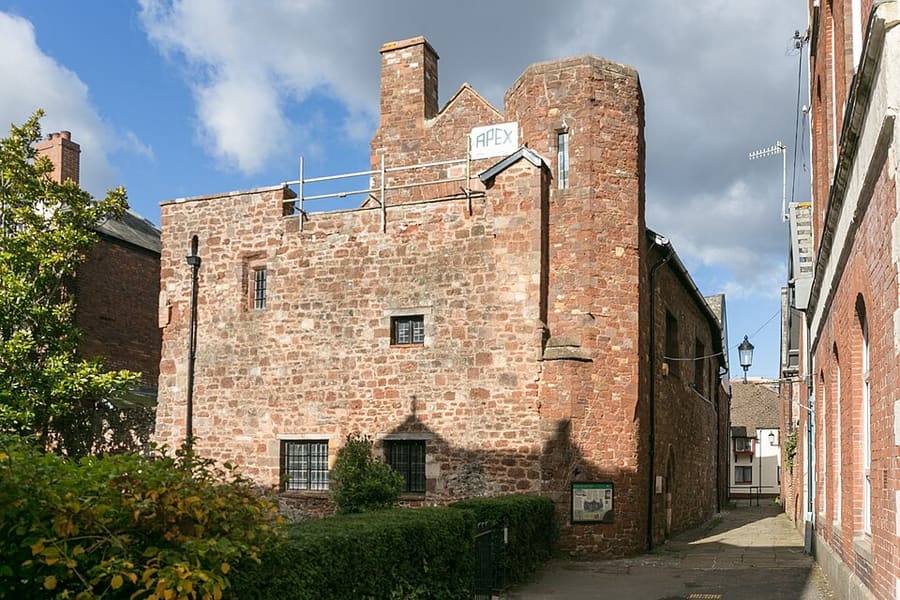
Medieval tunnels that carried the city's water supply, the earliest from the 13th century; seen on guided tours.
Directions Website Report a problem with Exeter's Underground Passages
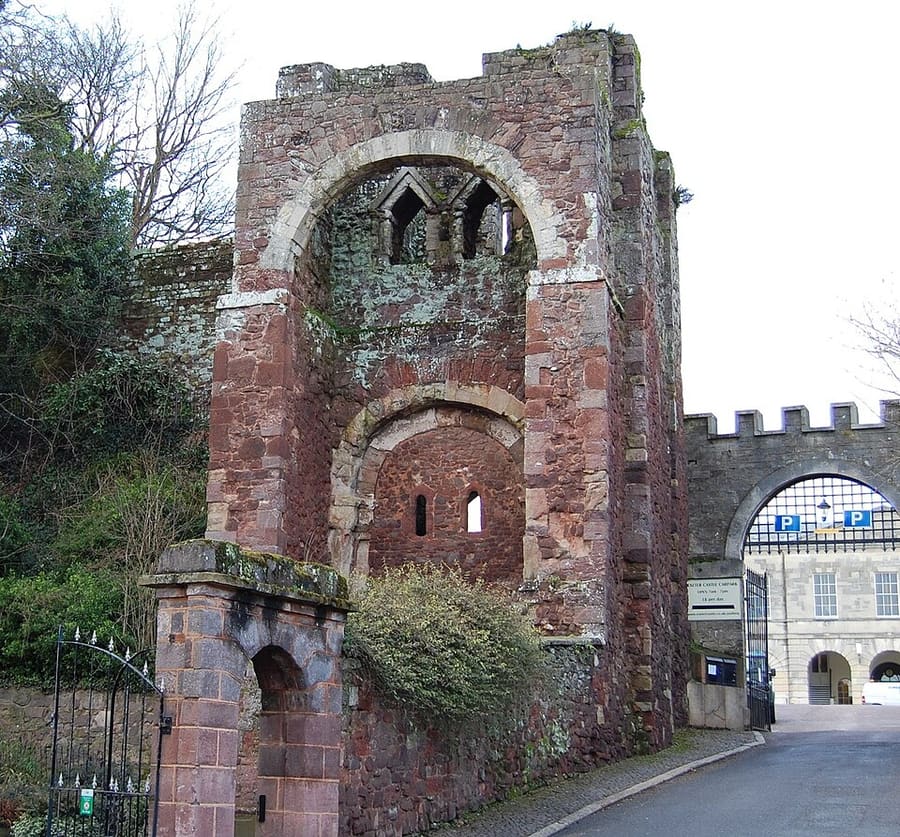
Norman castle built into the northern corner of the Roman walls from about 1068; its gatehouse still stands.
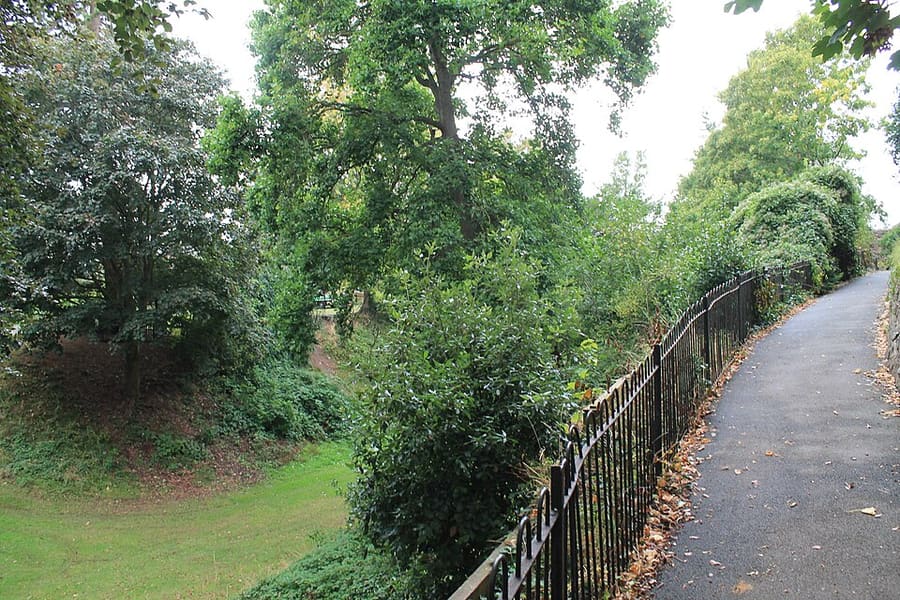
Ornamental gardens made from the castle's defences in the late 18th century, owned by the city since 1912.
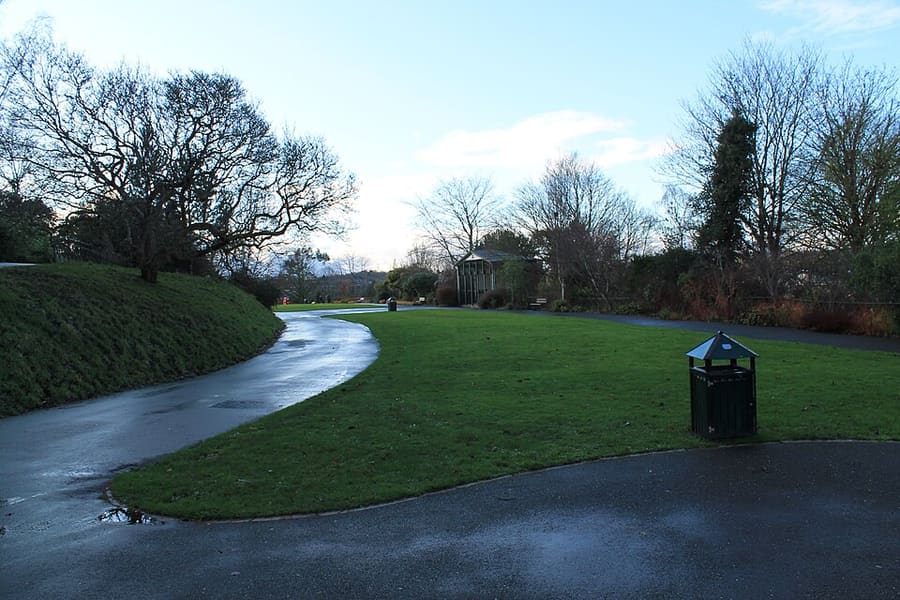
Laid out in 1612 as a pleasure walk, England's oldest public open space includes Roman and Saxon city wall.
Find your way
The map shows Exeter and the streets around it. The Getting there page lists nearby stops and stations.
Insider tips
The medieval water tunnels can only be seen on a guided tour run by the city council, so book a slot before you go.
Follow the line of the city walls. Northernhay Gardens, laid out in 1612, include Roman wall and the only visible length of Saxon town wall in England.
The Butts Ferry is a hand-operated cable ferry over the Exe at the quayside.
This 14th-century lane off High Street is about 64 cm wide at its narrowest point.
Tips from the Britlens editors
Devon
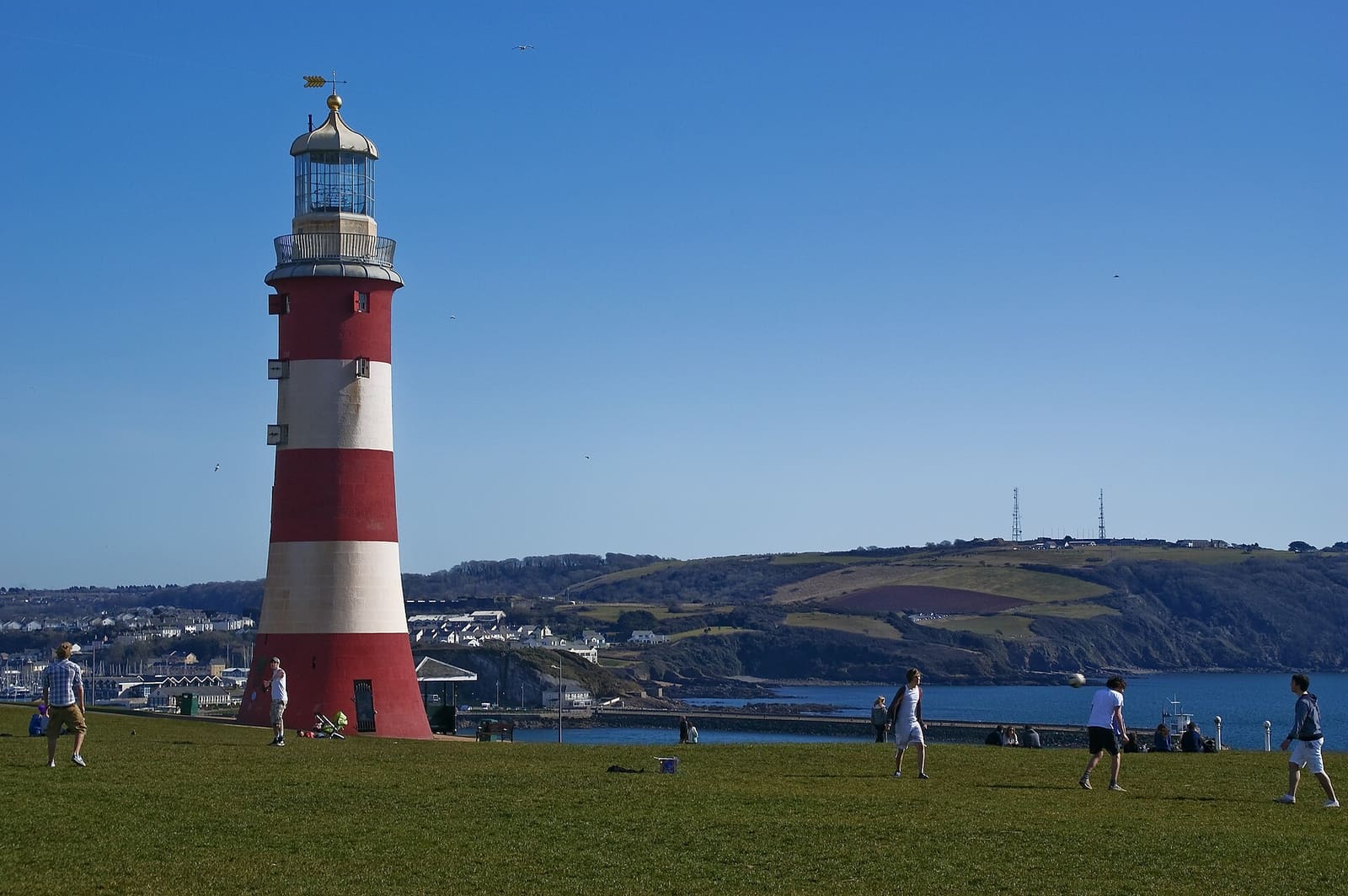
Waterfront city of the Hoe, the Barbican and the Mayflower Steps
Open the mini guide →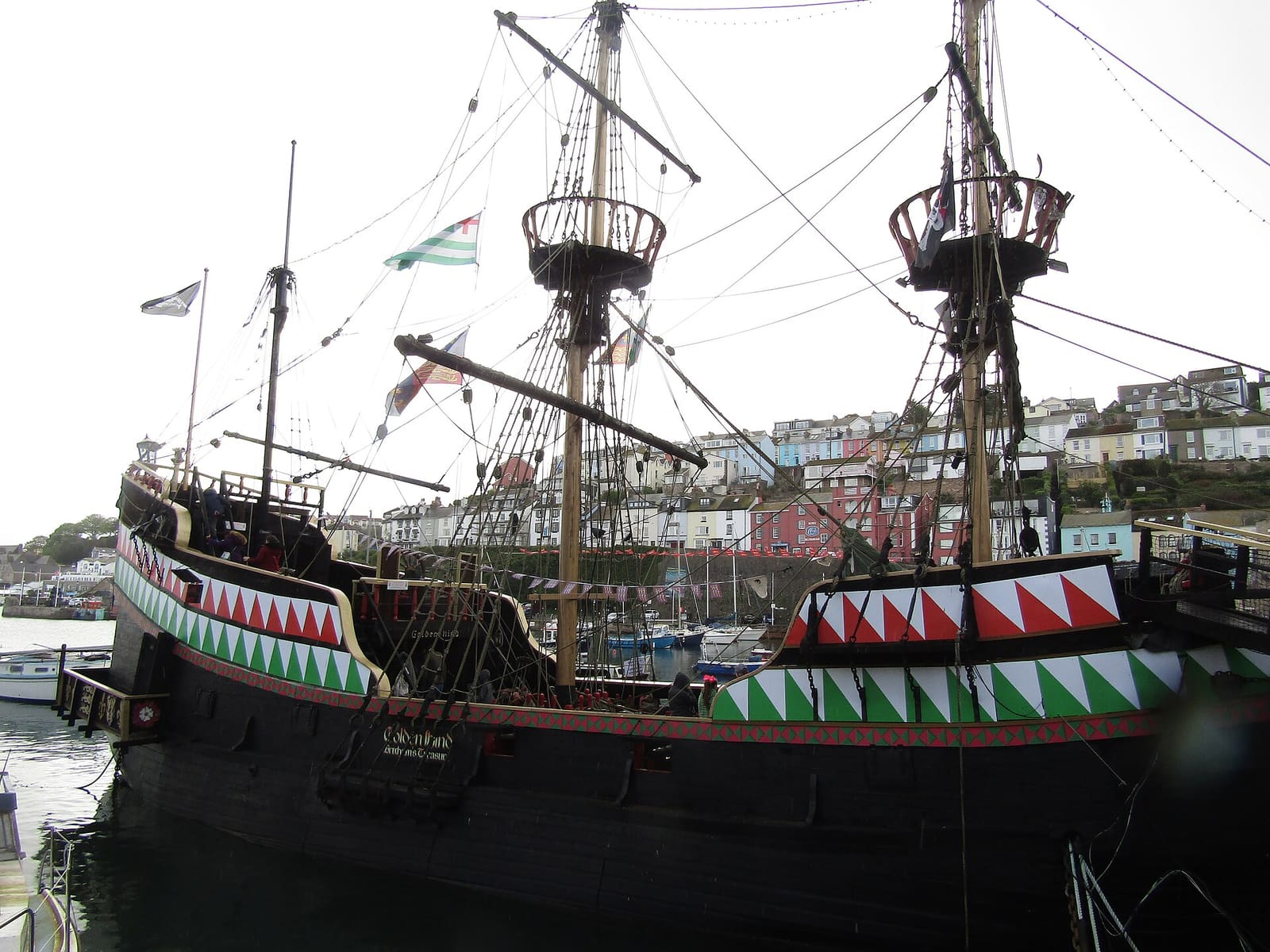
Torbay's three resorts: Torquay's cave and abbey, Paignton's pier and zoo, Brixham's fishing harbour
Open the mini guide →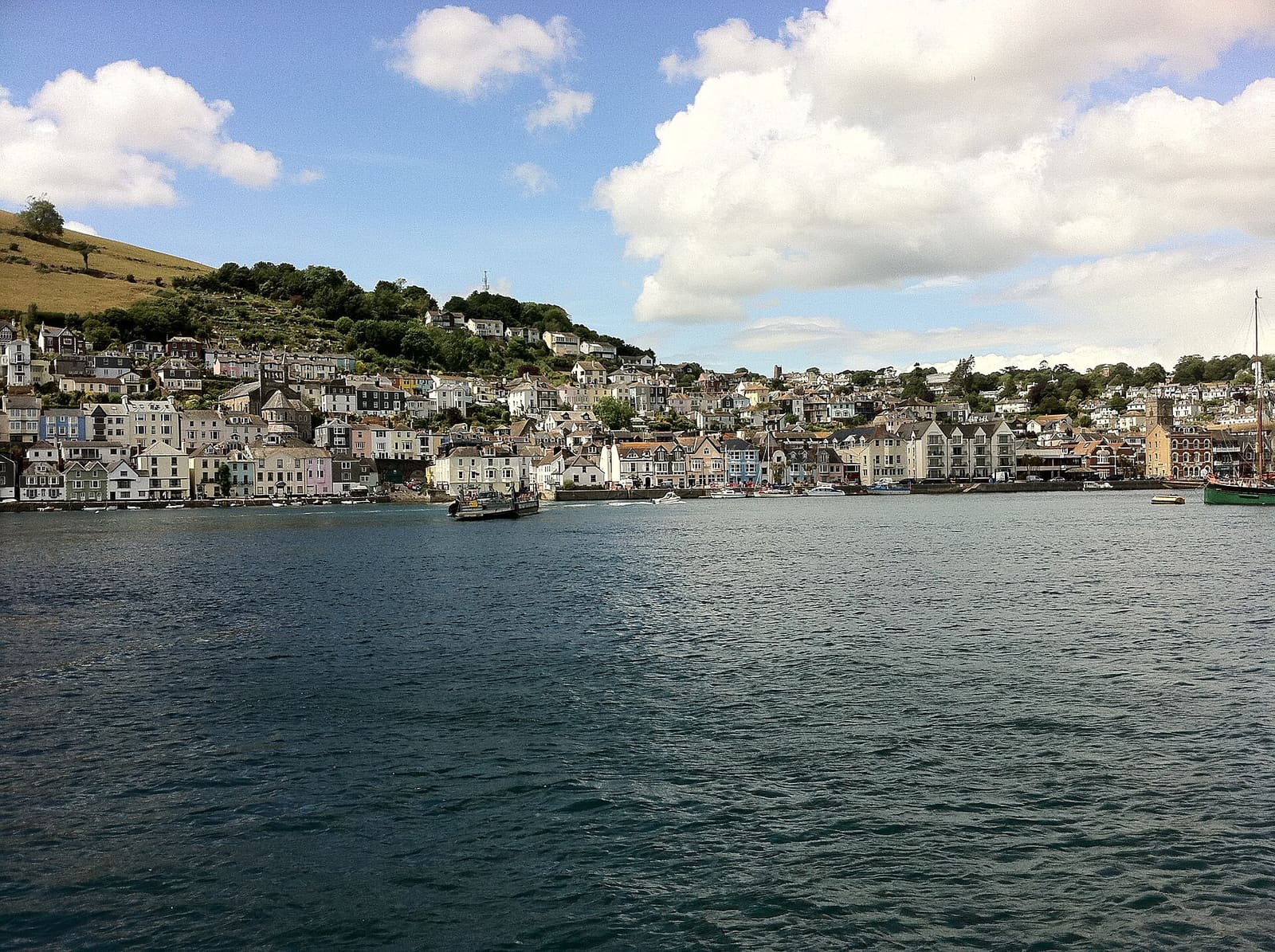
Castles at the river mouth, a naval college and a market town at the head of the Dart estuary
Open the mini guide →Photos from Wikimedia Commons, used under the licences shown. All photo credits
Keep exploring Devon