
MuseumAlexander Keiller Museum
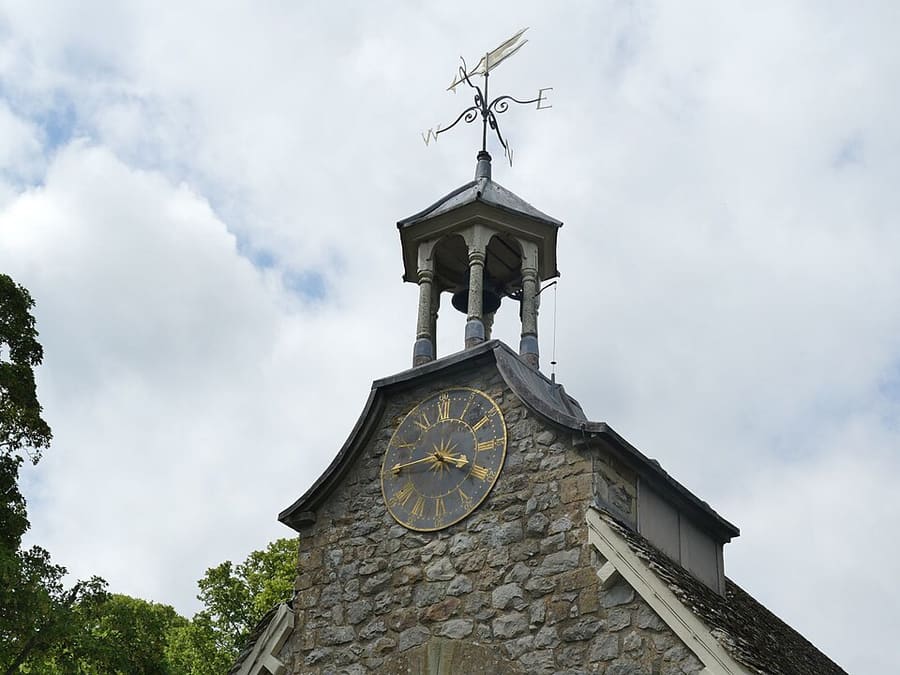
Museum of finds from the Avebury monuments; English Heritage suggests starting here to learn about the sites around the village.
- Avebury and Marlborough, Salisbury & Stonehenge
47 places from our Salisbury & Stonehenge guide, from Avebury and Marlborough to Stonehenge and Amesbury. Each links to its area guide and, where we have one, its official site.
Attractions
47 places
Each dot is a place in the list below. Scroll with the page; click or focus the map to zoom with the wheel.
MuseumMuseum of finds from the Avebury monuments; English Heritage suggests starting here to learn about the sites around the village.
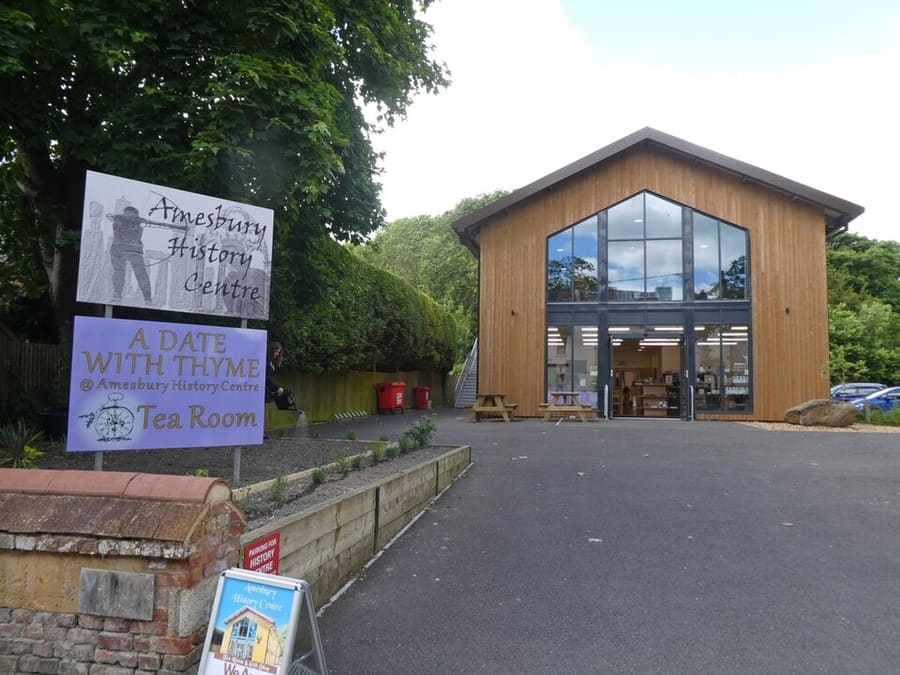
MuseumLocal history centre on Church Street with exhibitions, talks and family workshops about a town people have visited for 10,000 years.
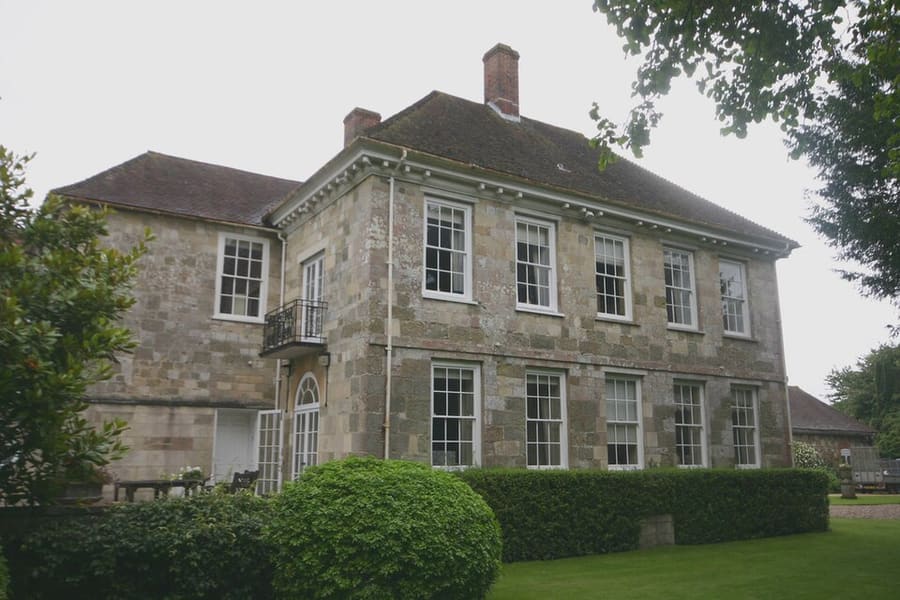
Historic houseHome of Prime Minister Sir Edward Heath from 1985 to 2005: a former medieval canonry with his collections and a two-acre garden.
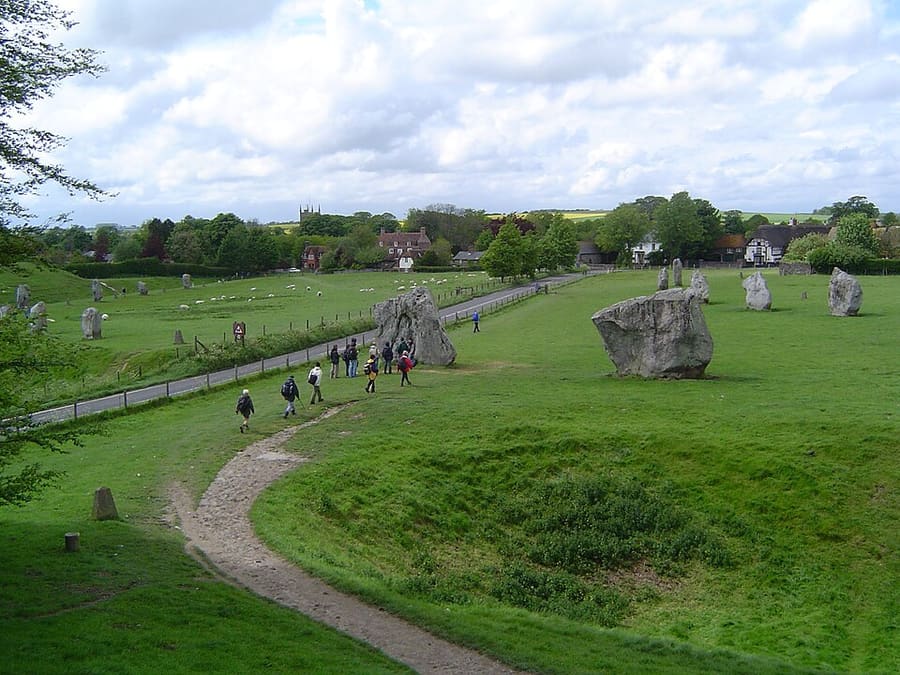
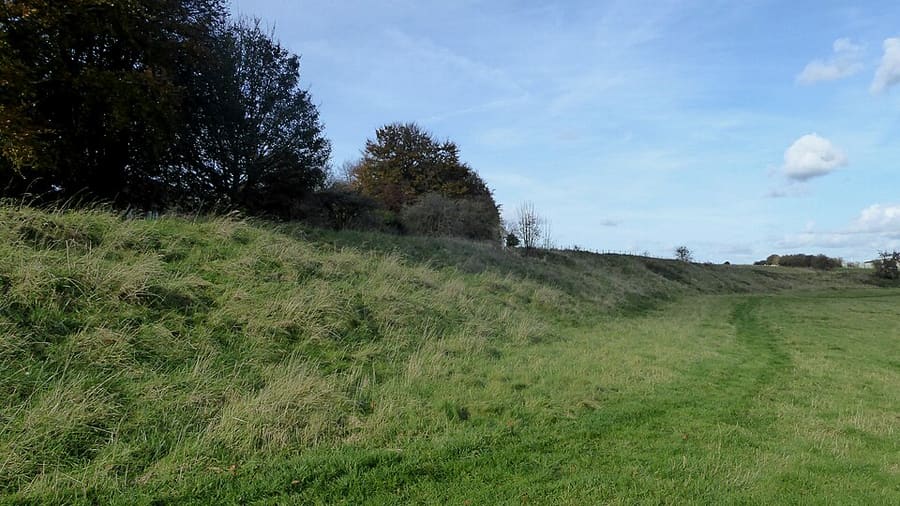
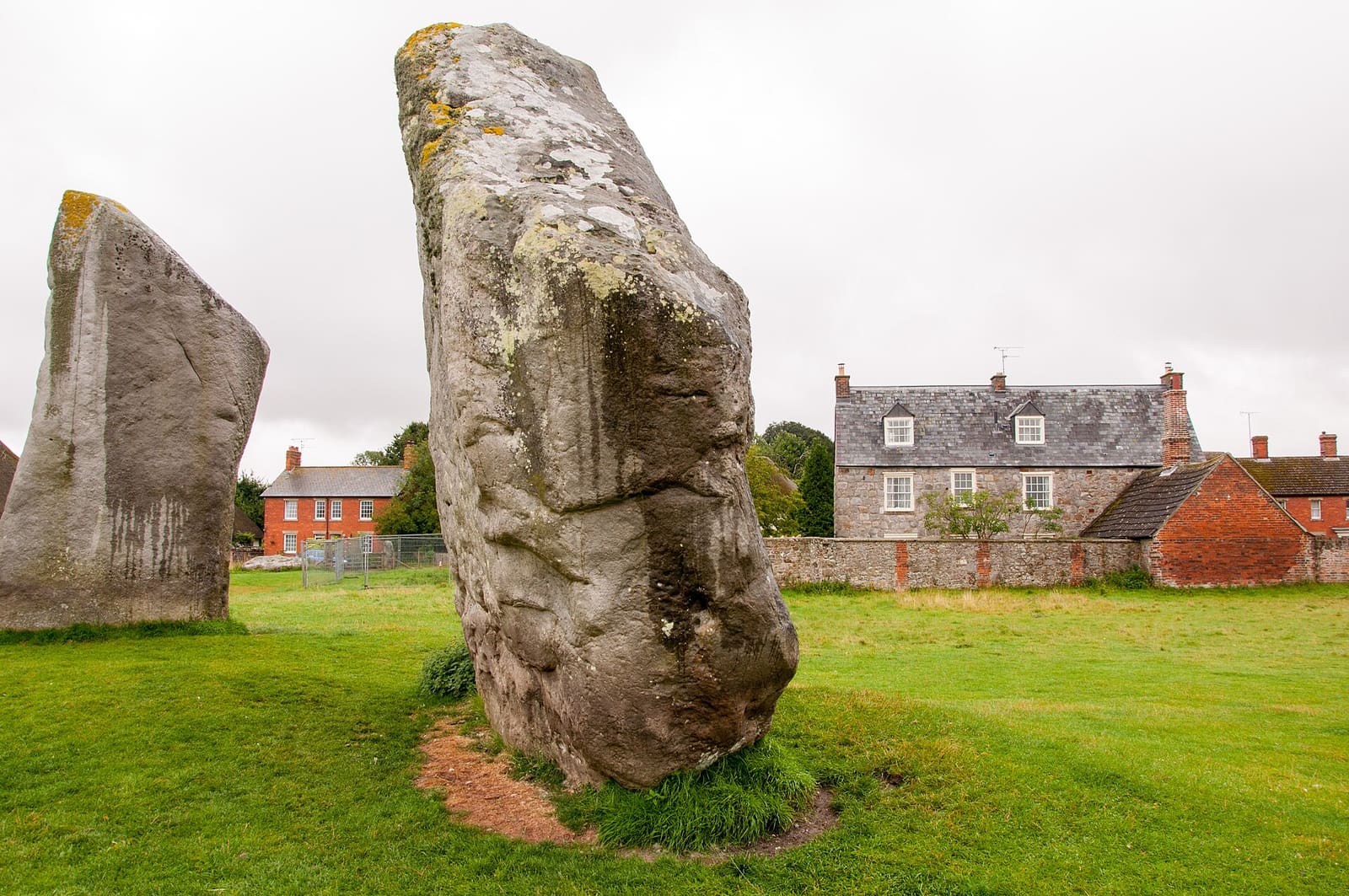
Other sightNeolithic bank, ditch and the largest stone circle in Britain, built between about 2850 and 2200 BC around part of the village.
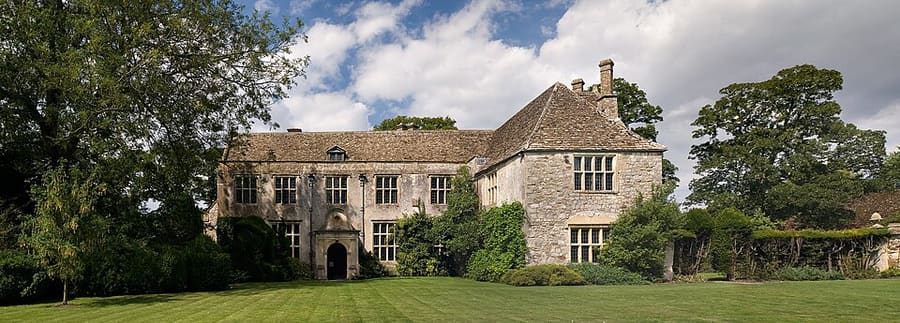
Historic houseGrade I listed early 16th-century manor house next to the church, run by the National Trust, with a formal garden.
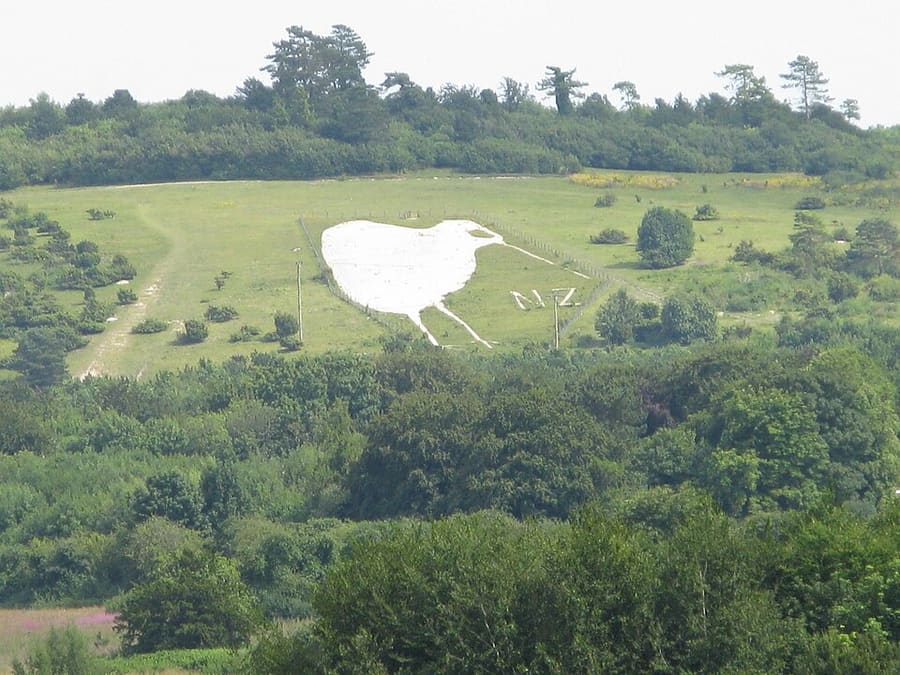
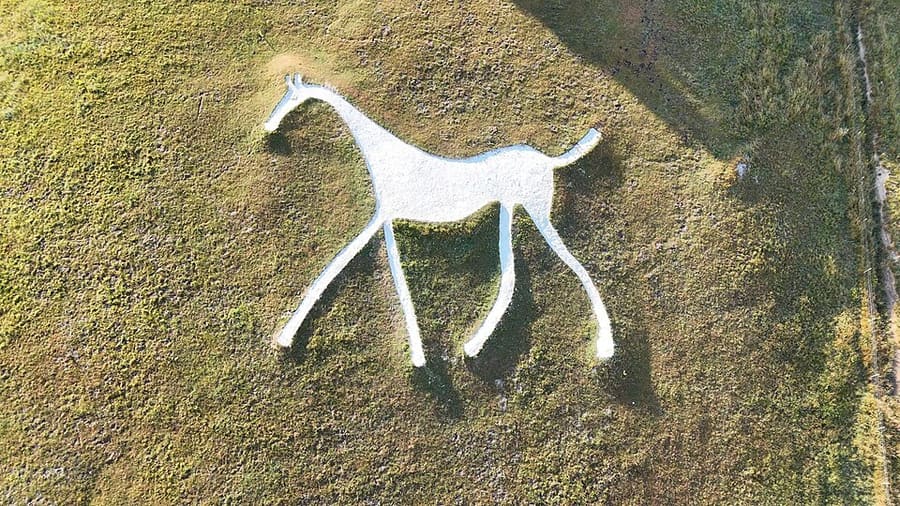
Park or natureChalk kiwi on Beacon Hill above Bulford, cut in 1919 by New Zealand soldiers waiting to sail home after the First World War.
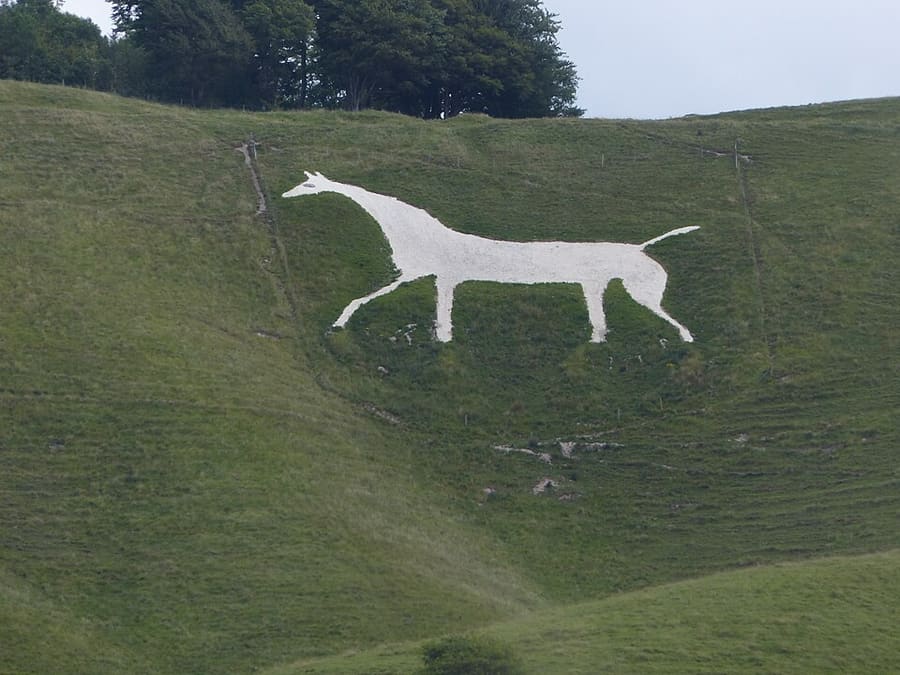
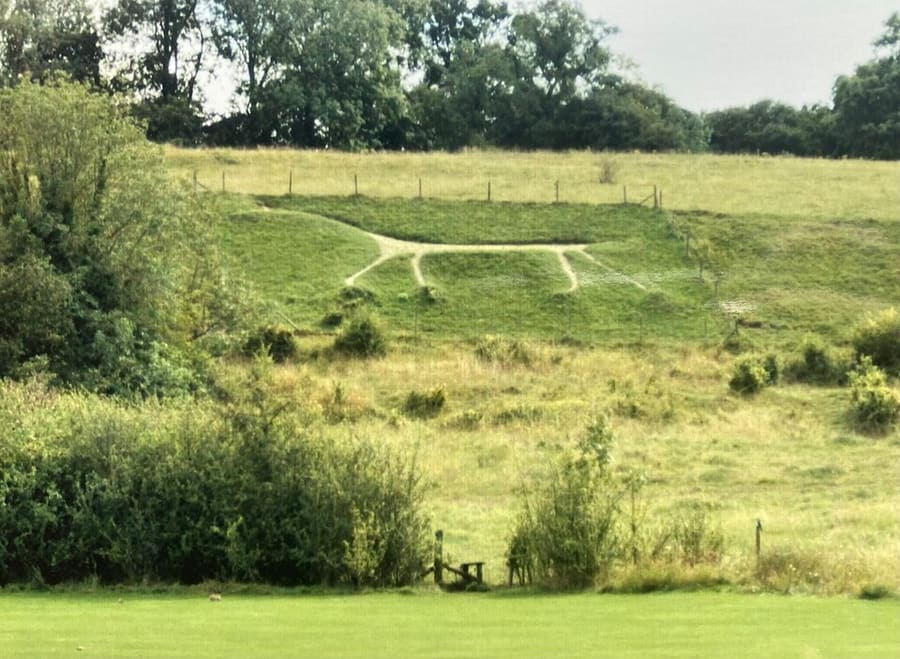
Park or natureLate 18th-century chalk horse on Cherhill Down below Oldbury Castle, near the Lansdowne Monument obelisk; viewed from a lay-by on the A4.
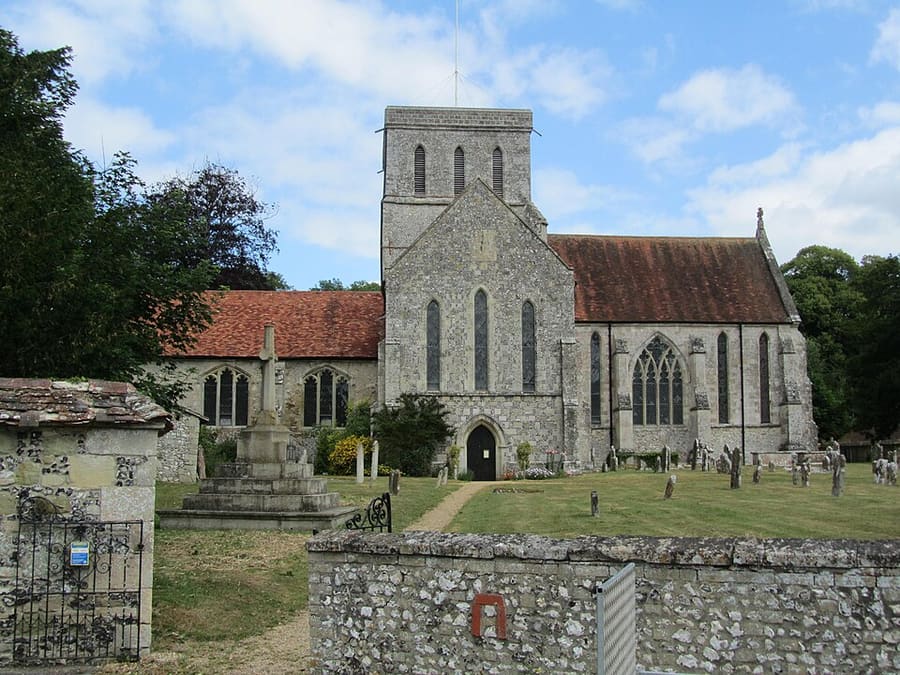
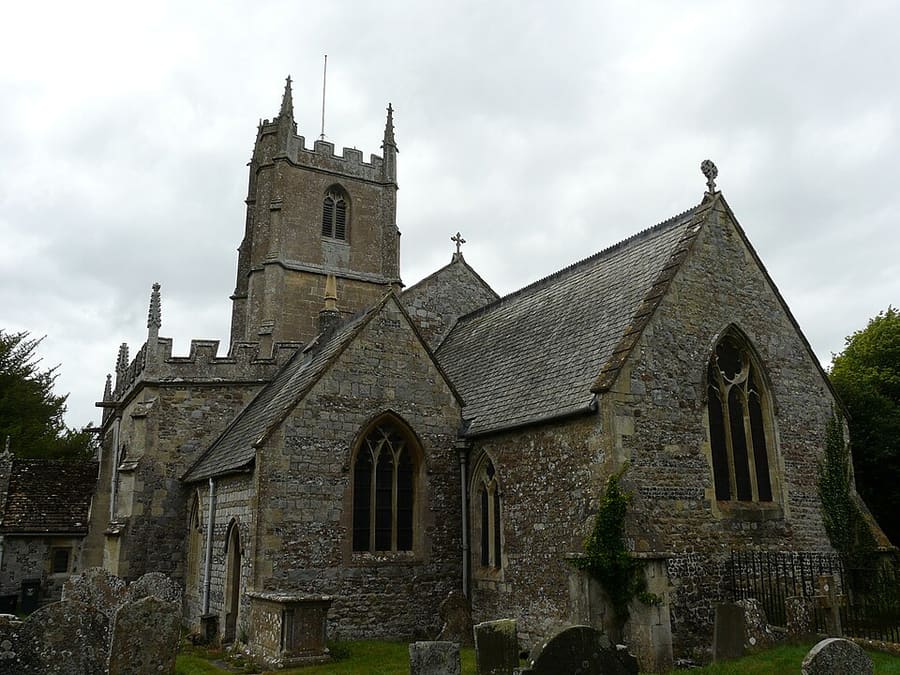
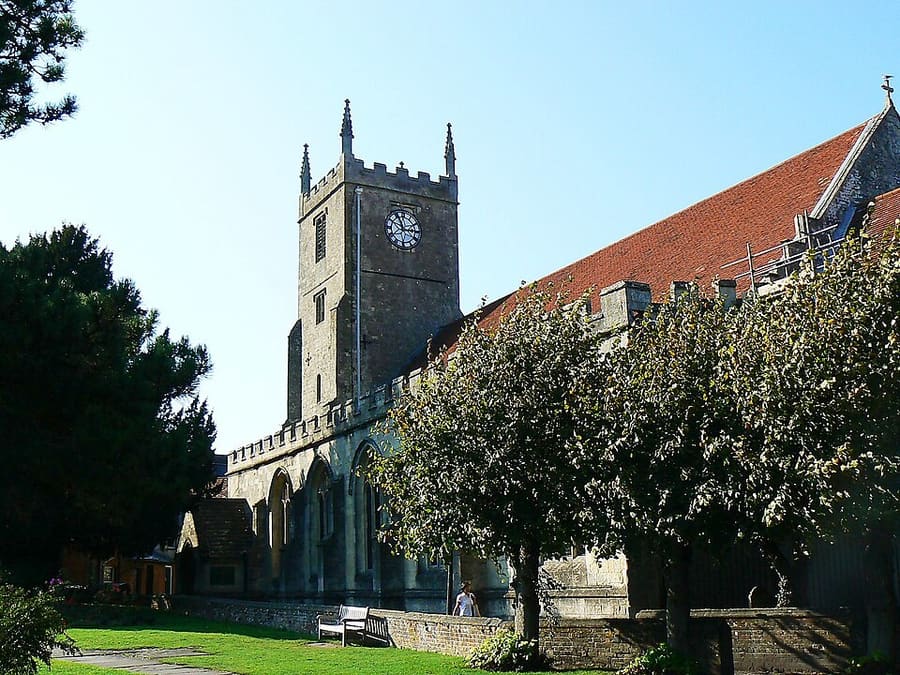
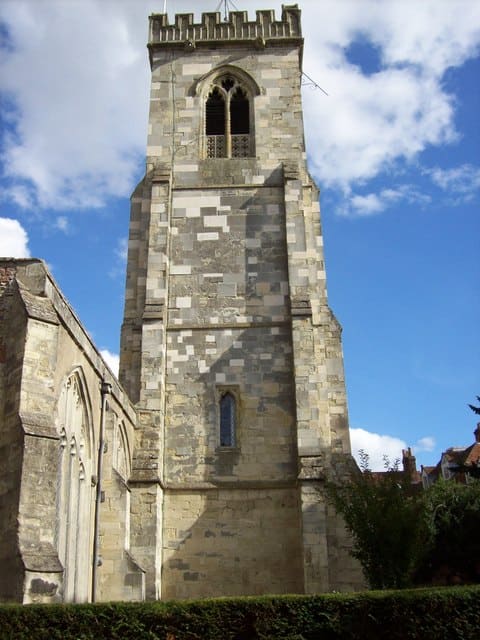
Cathedral or churchGrade I listed parish church by the River Avon, dating from the 12th century and possibly linked to Amesbury's medieval abbey.
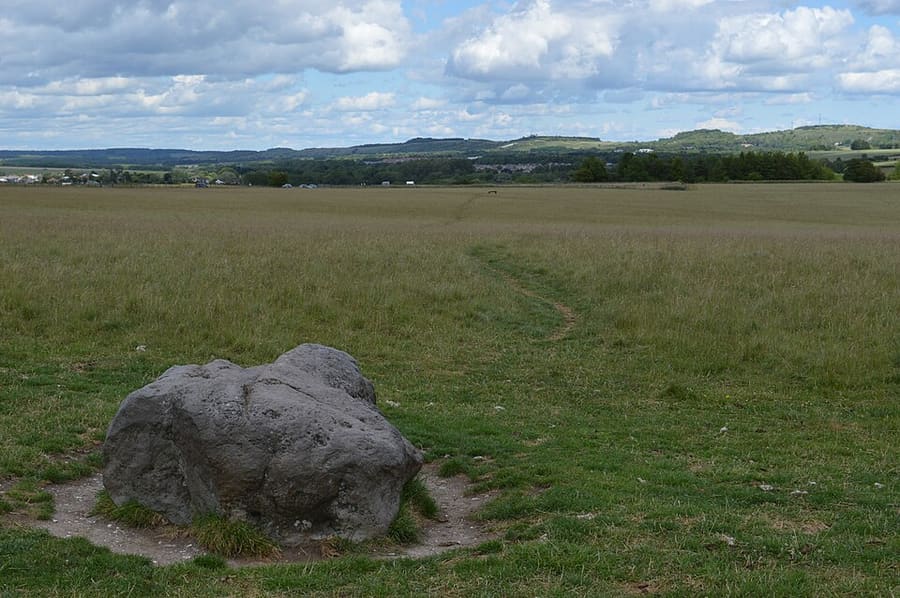
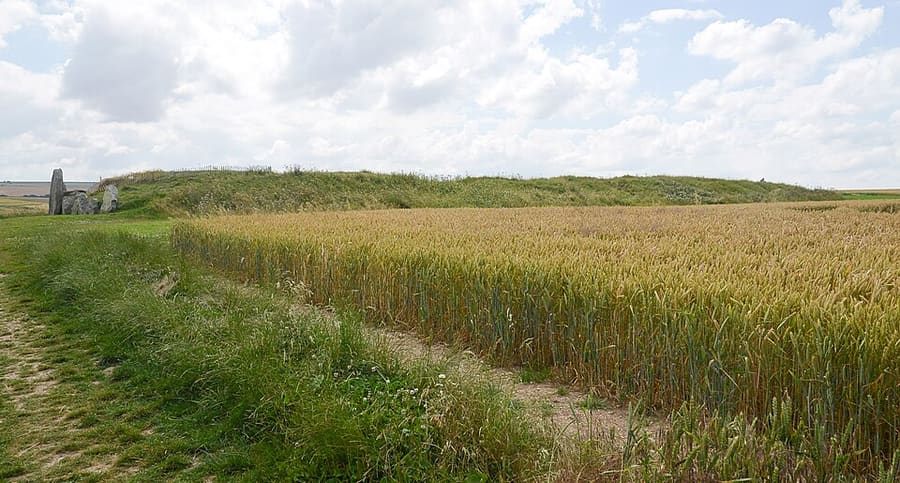
Other sightFallen sarsen, the same stone as Stonehenge's largest, in a field about 500 m west of Woodhenge.
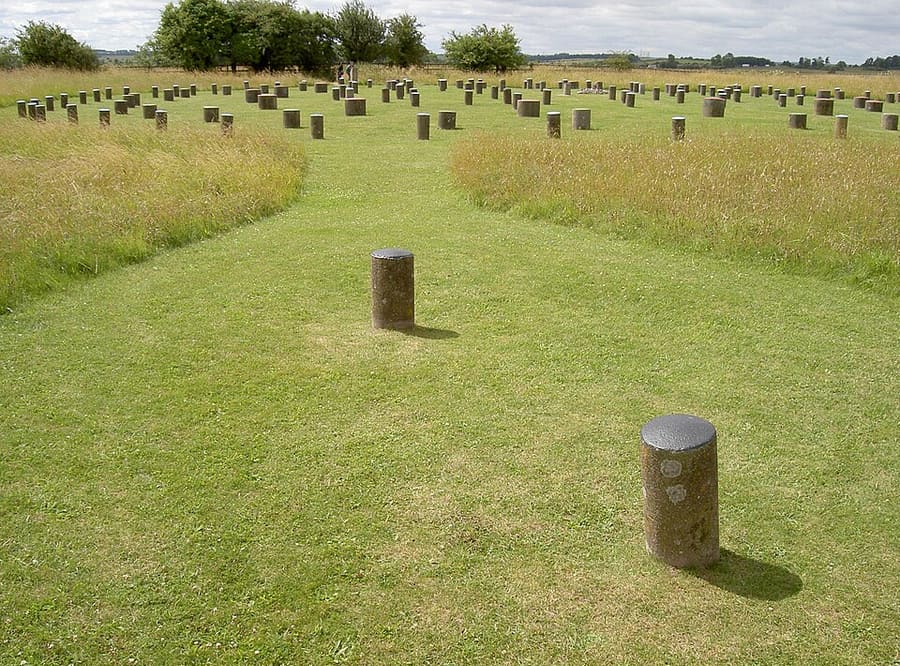
Other sightNeolithic henge about 500 m across, thought to mark the village of the people who built Stonehenge.
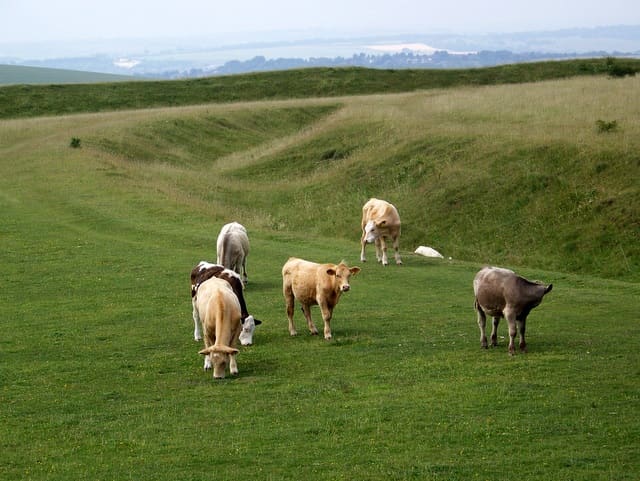
Other sightNational Trust earthwork on a chalk ridge north-east of Salisbury, with wildlife-rich grassland and wide views.
GalleryConverted Victorian grain mill with a gallery of work by over 200 mostly local and British artists, a café and craft studios.
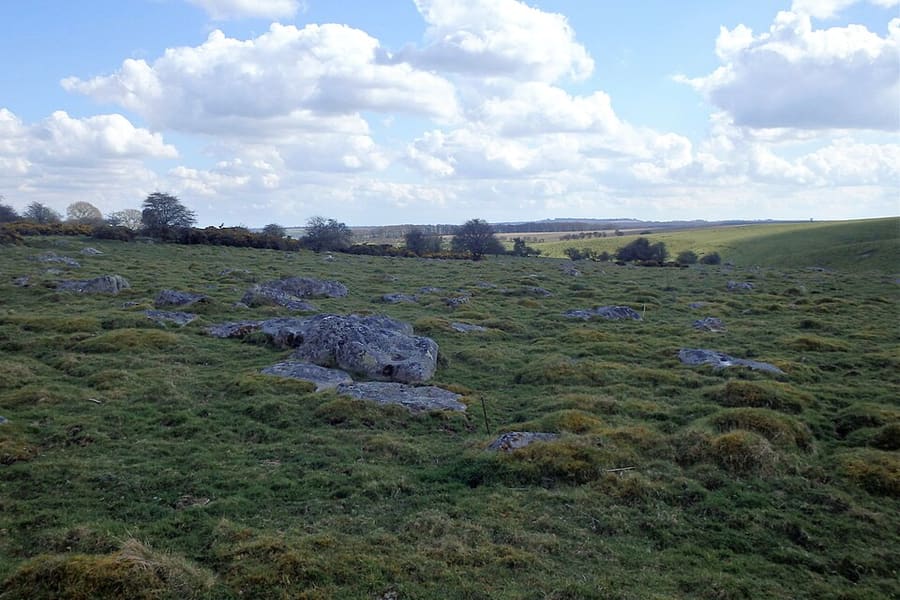
Other sightDownland nature reserve on the Marlborough Downs scattered with sarsen boulders known as the Grey Wethers.
Park or natureChalk horse 27 m wide below the Ridgeway on Hackpen Hill, said to have been cut in 1838 for Queen Victoria's coronation.
Other sight84 acres of water meadows worked since the 17th century and still a flood defence, crossed by the Town Path to Harnham.
Other sightBronze Age burial mounds among old beech trees east of the stones, with a view across to the circle.
Other sightOne of four surviving 1215 originals of Magna Carta, shown in the Chapter House beneath a carved medieval frieze; included in cathedral admission.
Other sightSquare with a charter market every Tuesday and Saturday, held regularly since 1227; the Guildhall was completed in 1795.
Park or natureSmall chalk horse on Granham Hill, cut in 1804 by pupils of a High Street school.
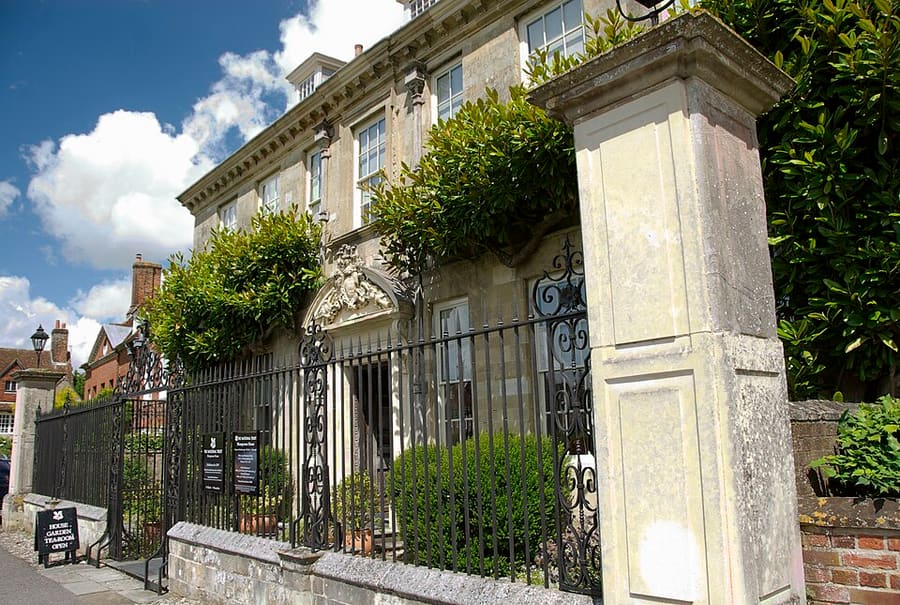
Historic houseNational Trust townhouse on Choristers' Green, completed in 1701 in the Queen Anne style, with a walled garden and tea room.
Other sightNeolithic and Bronze Age cemetery of 40 or more barrows about 1 km south of Stonehenge, including the gold-rich Bush Barrow.
Other sightIron Age hillfort north of the city with the ruins of a Norman royal castle and the foundations of Salisbury's first cathedral.
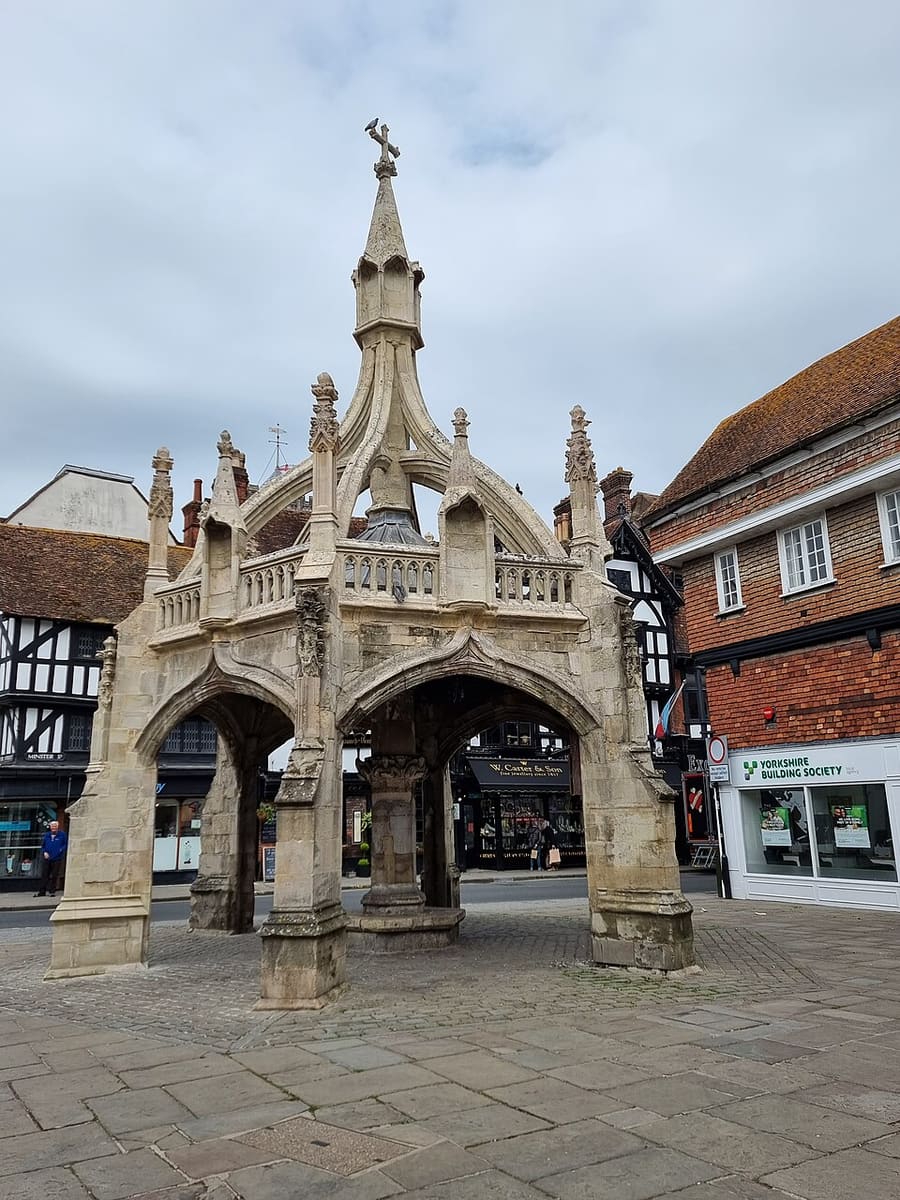
Other sight14th-century market cross where Silver Street meets Minster Street, the last of four crosses that once marked Salisbury's markets.
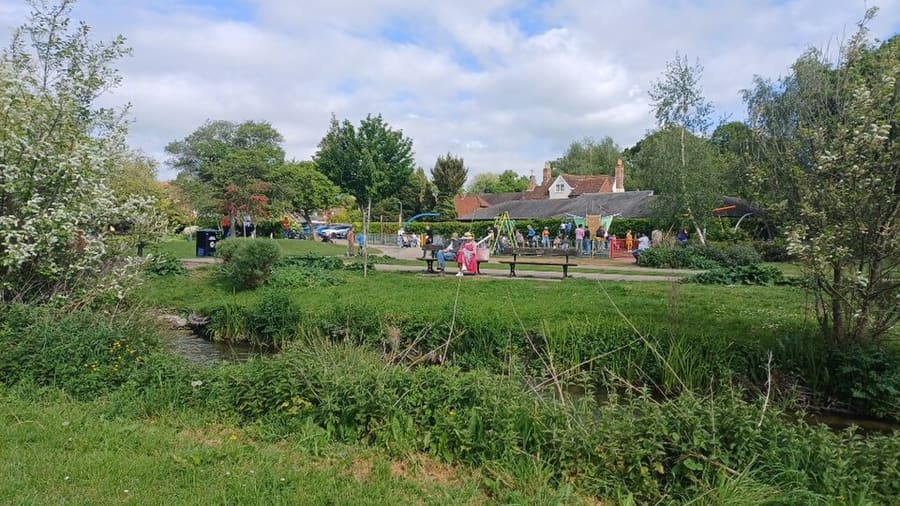
Park or natureRiverside park opened in the early 1960s, with views of the cathedral and the start of the Town Path across the water meadows.
Other sightWiltshire Creative venue in the former St Edmund's Church on Bedwin Street, with performances, workshops, exhibitions, a café and a bar.
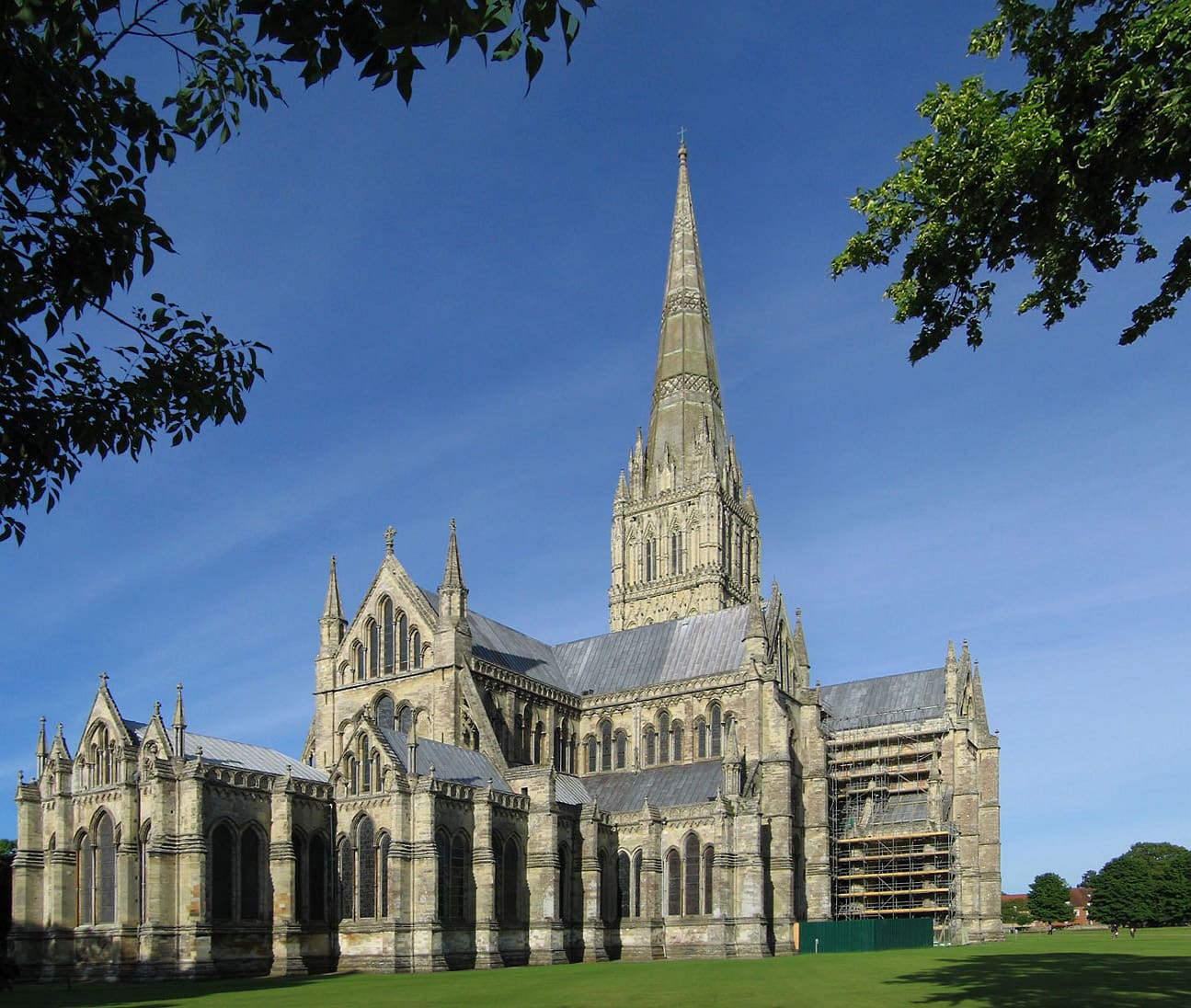
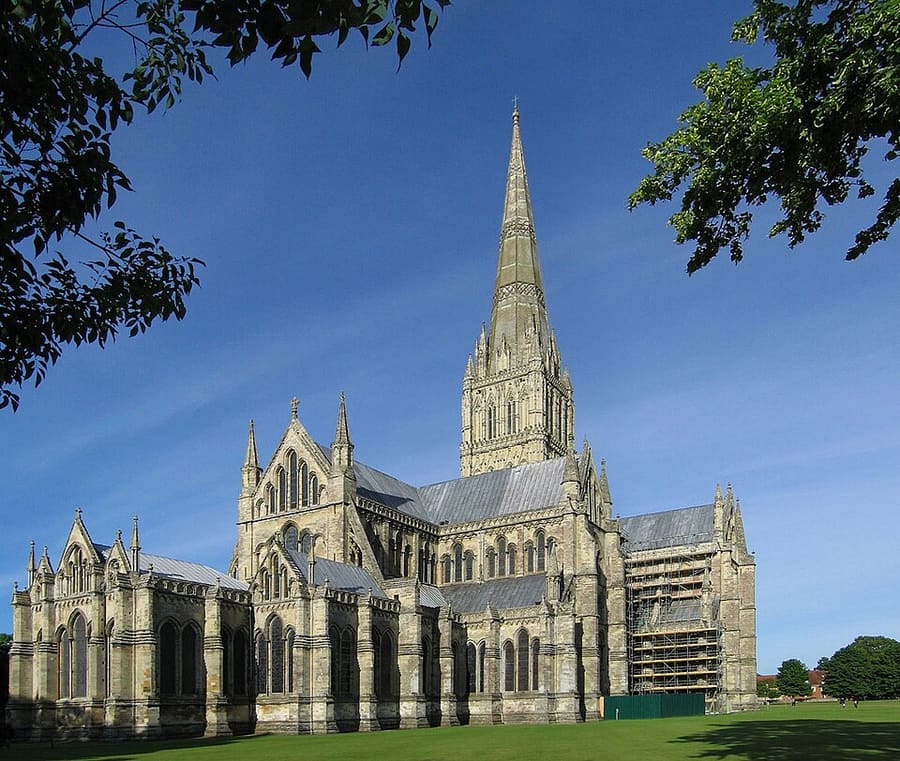
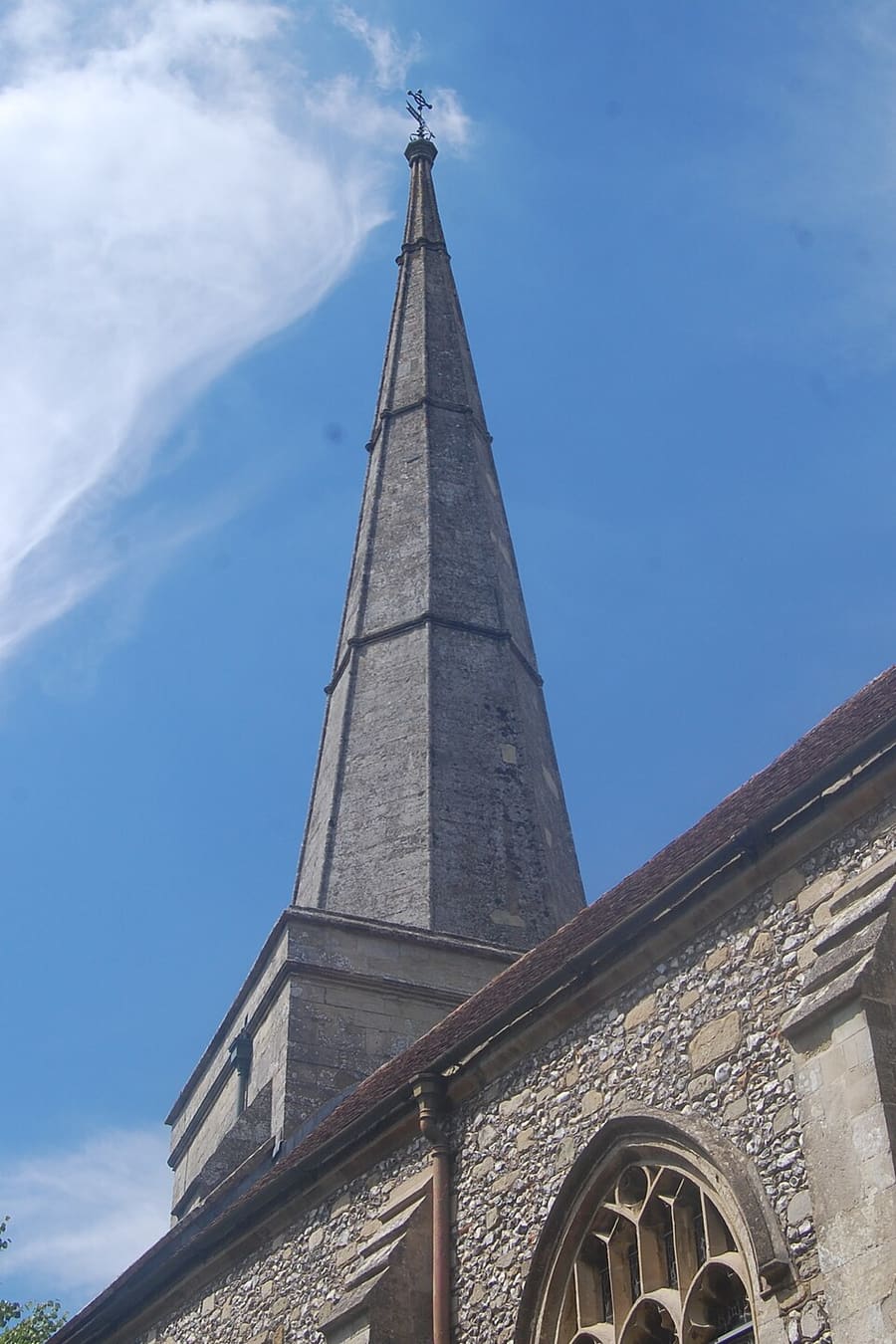
Cathedral or churchEarly English Gothic cathedral built between 1220 and 1258, with England's tallest spire (123 m) and a medieval clock from about 1386.
Park or naturePrivate forest of about 4,500 acres south-east of Marlborough, with timber managed by Forestry England; bluebells in late spring.
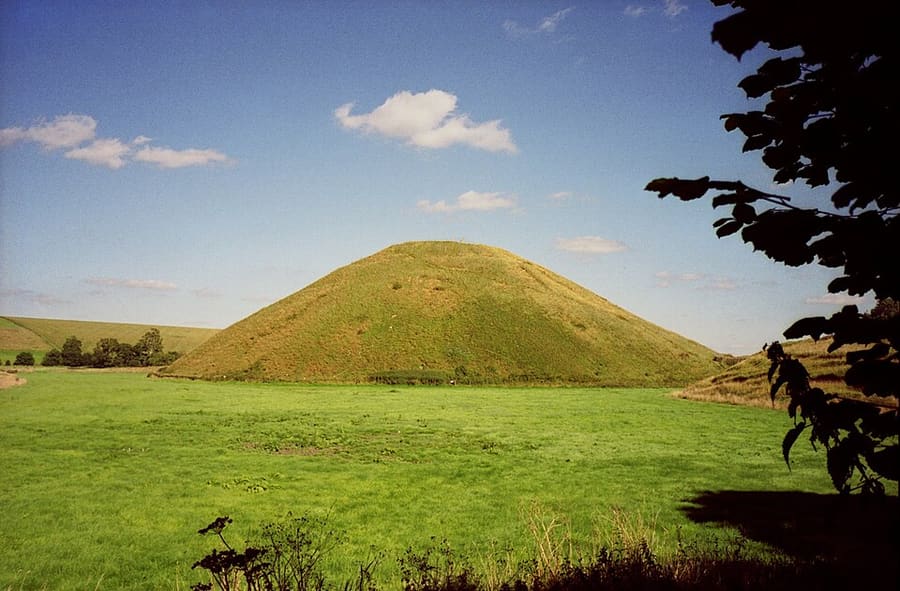
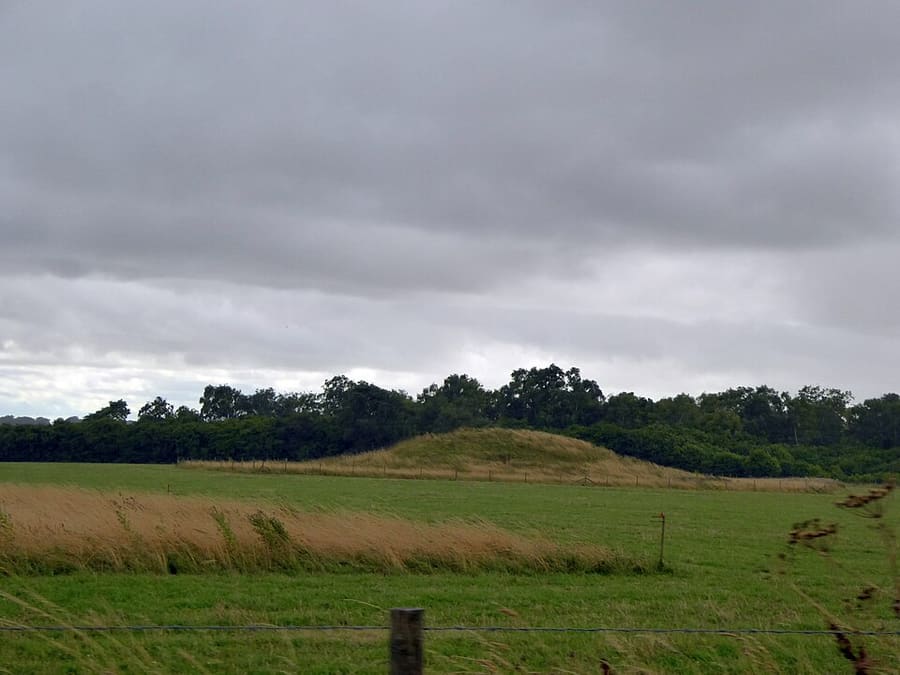
Other sightArtificial chalk mound 39 m high, probably finished around 2400 BC; seen from a viewing area, with no access to the hill.
Cathedral or church
Cathedral or church
Cathedral or church
Cathedral or church
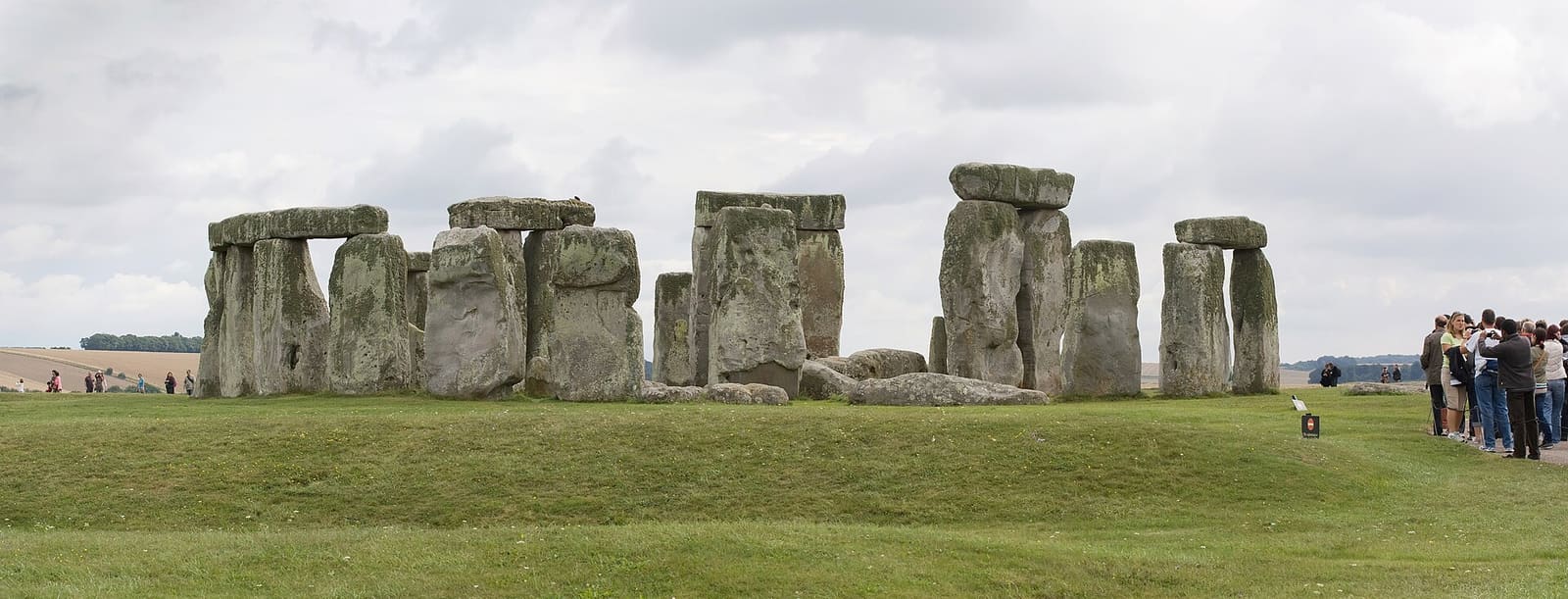
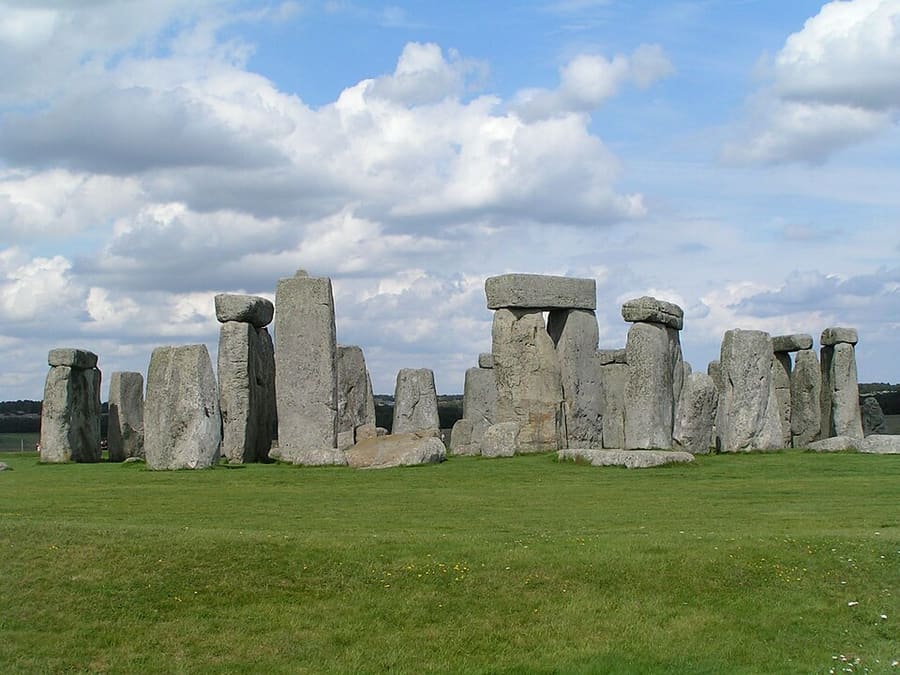
Other sightCircle of sarsen and bluestones built in phases from about 3100 BC, aligned on the midsummer sunrise and midwinter sunset.
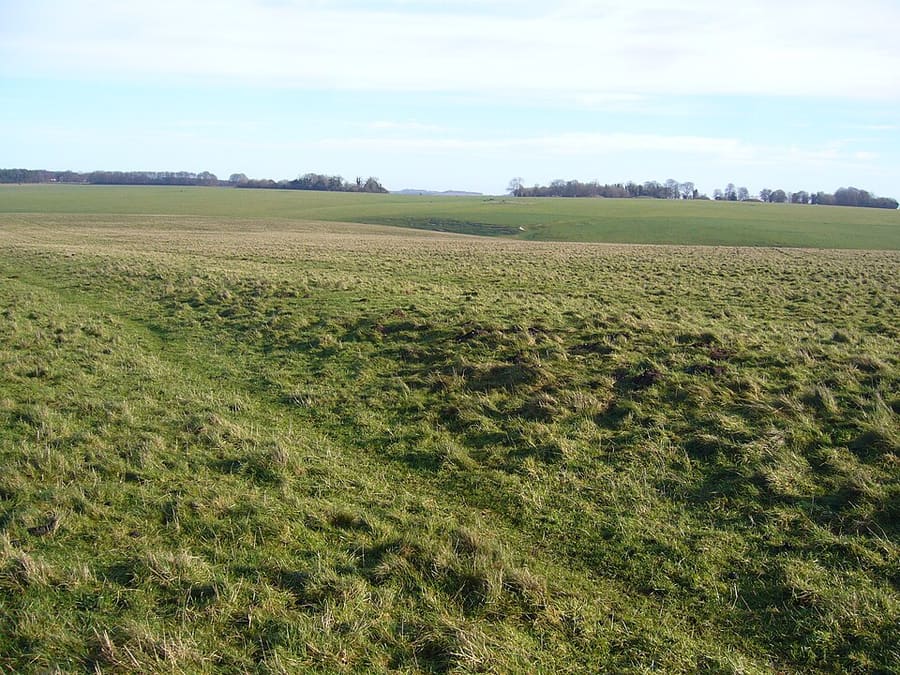
Other sightBank-and-ditch avenue nearly 3 km long linking the stones with the River Avon, partly aligned on the midsummer sunrise.
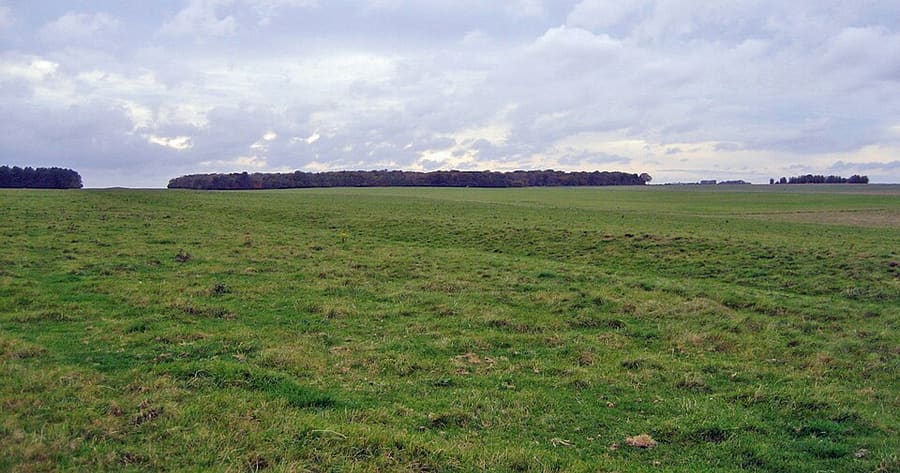
Other sightNeolithic enclosure about 3 km long, dug between 3630 and 3375 BC, centuries before the first phase of Stonehenge.
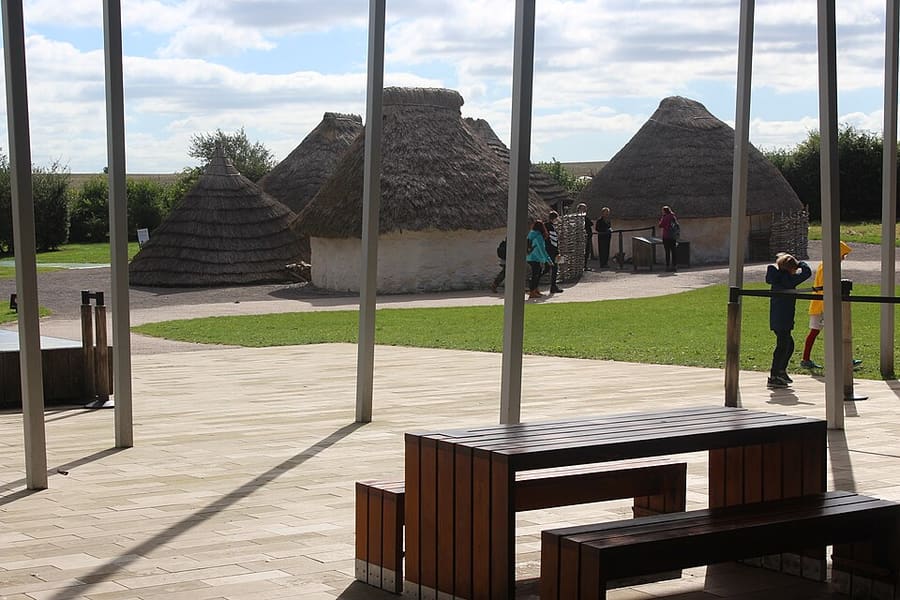
MuseumEnglish Heritage exhibition on the builders of Stonehenge, with reconstructed Neolithic houses and a café; tickets cover the stones too.
Other sightBritain's largest cathedral close: lawns, Choristers' Green and historic houses inside medieval gates such as the High Street Gate.
Historic house
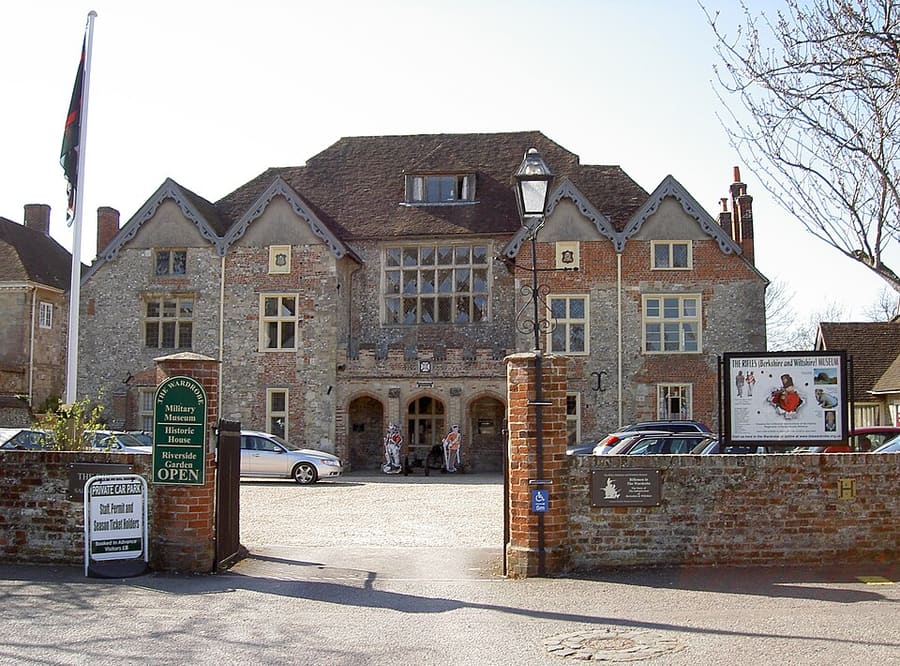
MuseumRegimental museum with over 65,000 objects in The Wardrobe, a Close building once used to store the bishop's robes.
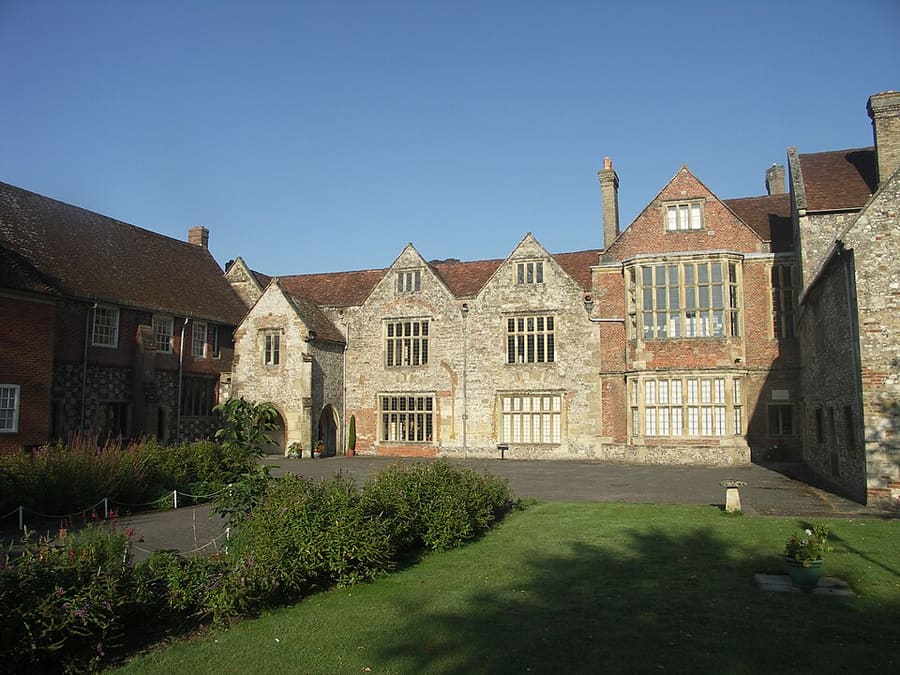
MuseumMuseum in the King's House facing the cathedral's west front, with collections on Stonehenge, local archaeology and the city's medieval guilds.
Other sightSite of rings of timber posts and stones begun about 2500 BC on Overton Hill, now marked by concrete blocks and posts.
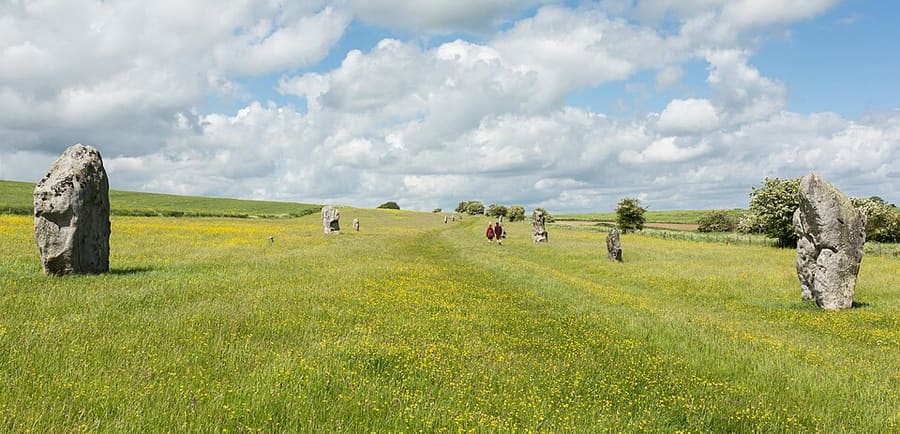
Other sightAvenue of paired standing stones, originally about 100 pairs, running 1.5 miles from Avebury towards The Sanctuary.
Other sightChambered tomb built around 3650 BC where nearly 50 people were buried; half a mile uphill from a lay-by on the A4.
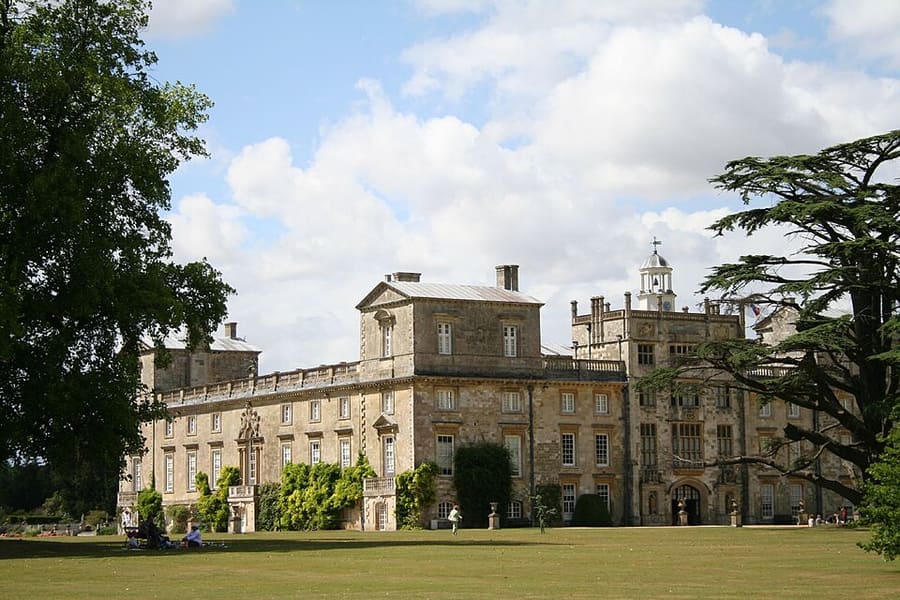
Other sightSeat of the Earls of Pembroke for over 400 years, rebuilt after a fire in 1647; closed for 2026, reopening at Easter 2027.
Other sightNeolithic causewayed enclosure with three rings of interrupted ditches, a 1.5-mile walk uphill from Avebury.
Other sightGroup of 17 burial mounds west of Stonehenge that includes every style of barrow found in southern England.
Other sightHenge of about 2500 BC whose six oval rings of timber posts are marked by concrete posts; free parking beside the site.
Try a different name or type, or clear the filters. Filters that need a reported flag (step-free, kids, entry, booking) hide places we hold no report for; they do not rule them out.
By area
Each link opens the area guide with the full descriptions, photos and directions.
More about Salisbury & Stonehenge: the Salisbury & Stonehenge guide, free things to do and UK museums and galleries.
How the flags work
Every flag below comes from a source you can open. Where we hold no report, the list says "not stated" or shows nothing: it does not guess. Check the venue before you travel, because prices, hours and booking rules change.