 English (UK)
 English (US)
 Français
 Deutsch
 Español
 Italiano
 Nederlands
 简体中文
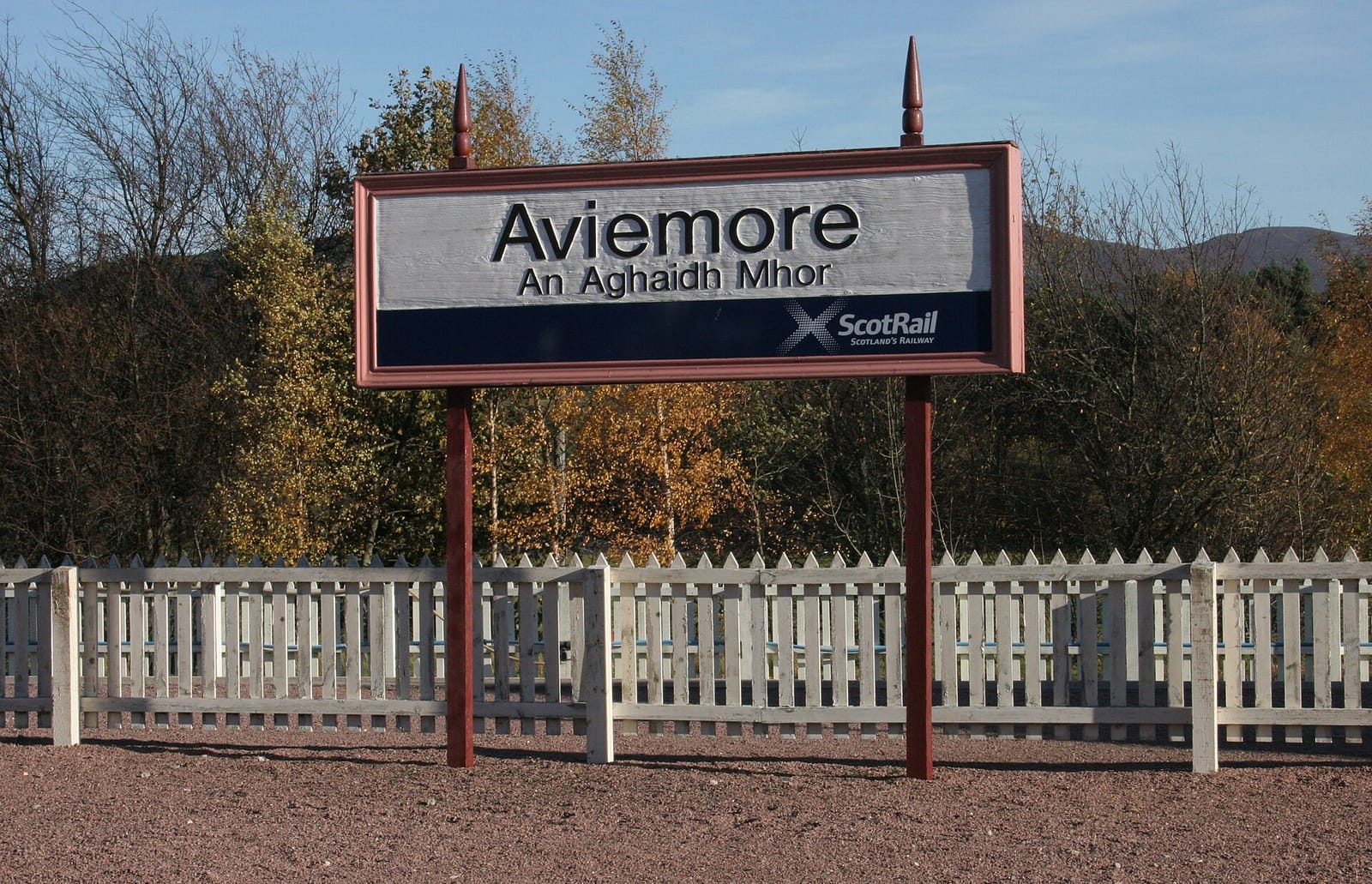
Britain is a small place with several languages, four nations and some very particular habits. None of this should stop you enjoying a trip. These guides explain the parts that cause the most questions, and every fact is numbered to a source at the bottom of the page.
The guides
-
English and slang
British English words visitors meet, and the regional words behind them.
Read the guide: English and slang -
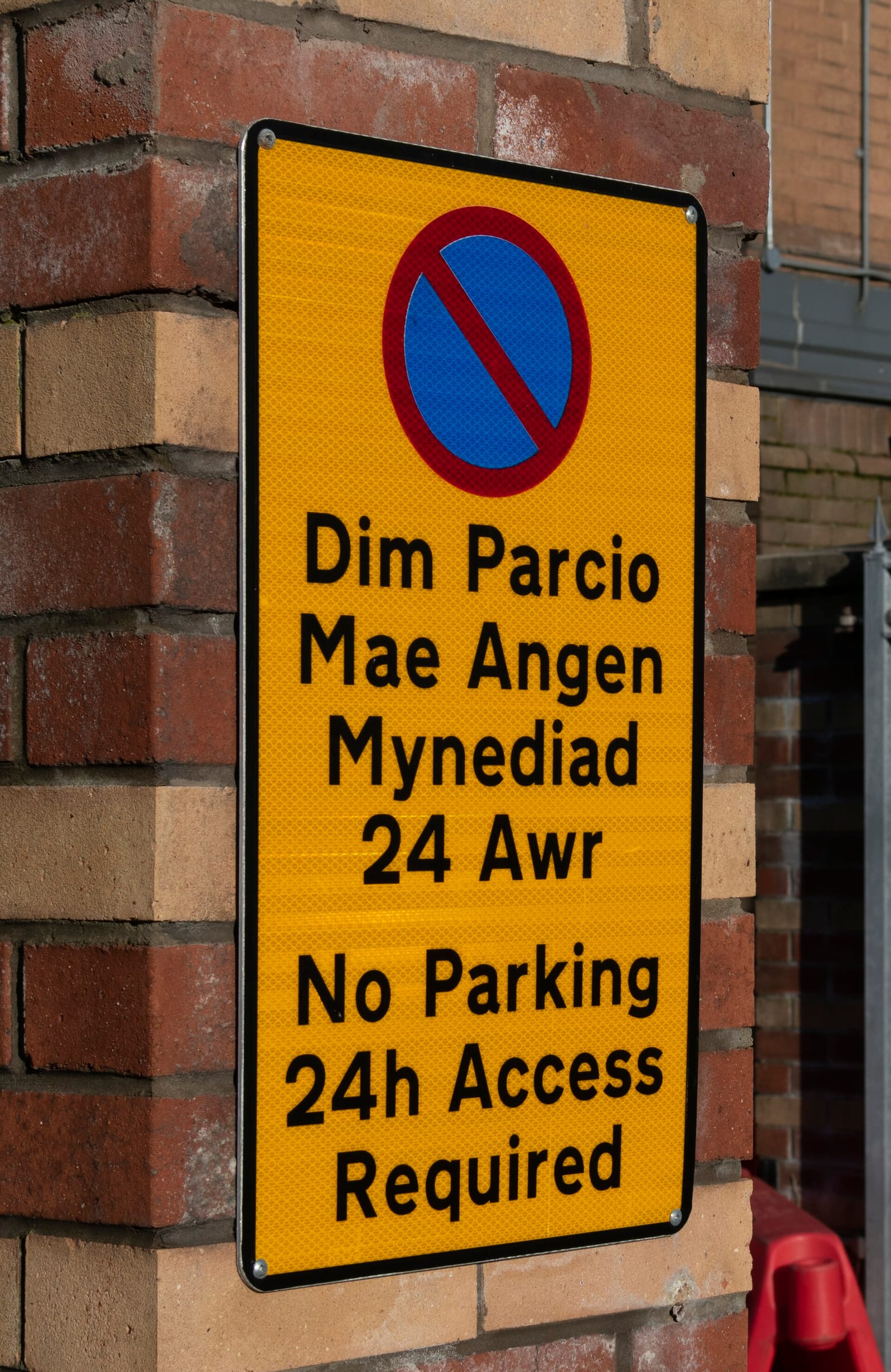
Welsh
Words on Welsh signs and what Aber, Llan and Pont mean.
Read the guide: Welsh -
Scottish Gaelic and Scots
Inver, Strath, Ben, Loch and Kil, plus Scots words in use.
Read the guide: Scottish Gaelic and Scots -
Irish and Ulster-Scots
Official status in Northern Ireland and place-name elements.
Read the guide: Irish and Ulster-Scots -
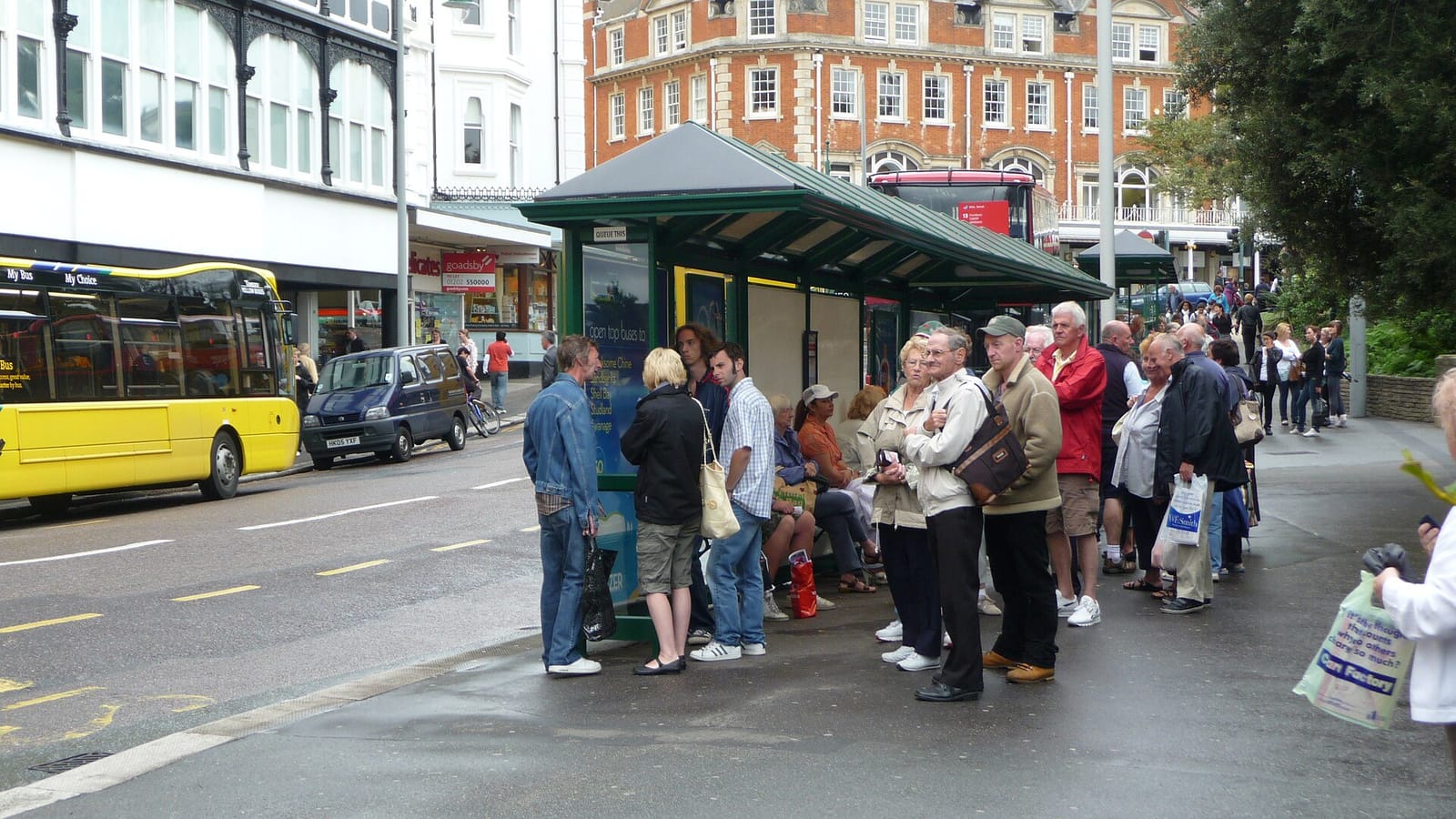
Etiquette
Queues, pubs, quiet carriages, places of worship and the countryside.
Read the guide: Etiquette -
Accessibility language
Step-free, Passenger Assist, Blue Badge and Changing Places.
Read the guide: Accessibility language
Britain, Great Britain and the UK
These words overlap, and they are not interchangeable. This is the short version, taken from official style guidance and reference pages.
- United Kingdom (UK). A sovereign country. England, Scotland, Wales and Northern Ireland are widely called countries, though the UK as a whole is the sovereign state.2 The Isle of Man, Jersey and Guernsey are Crown Dependencies, in union with the monarch, but do not strictly form part of the UK.2
- Great Britain. GOV.UK's style guide says it refers only to England, Scotland and Wales and does not include Northern Ireland, and asks writers to say so when rules apply to Great Britain only.1 Wikipedia describes Great Britain as the island consisting of England, Scotland and Wales, and the largest of the British Isles.3
- Britain. The GOV.UK style guide points "Britain" to Great Britain and prefers UK or United Kingdom in many contexts, with exceptions such as British embassy.1 In everyday speech, people use it loosely.
- England is one of the four countries. Wikivoyage advises against calling everyone English, and notes that even "British" is not liked by everyone. In Northern Ireland, it says the safest option is "Northern Irish" unless people say otherwise.4
How we use the words. Britlens covers destinations across the UK. When we write "Britain" as shorthand, we mean the places in our guides, and when a rule applies only to Great Britain (for example a rule that does not cover Northern Ireland), we say so. We write Derry/Londonderry for the city on the Foyle, and explain why on the Northern Ireland page. For how the four nations differ in practice, read our four nations overview.
We tried to read the UK Parliament's own explainer on the UK, Great Britain and the British Isles, but parliament.uk returns an access error to automated requests, so it is not cited here.


Related
Planning a first trip? Start with our first-time guide, then see essentials, money, pubs and experiences.
Questions people ask
Is Britain the same as the UK?
Not exactly. The United Kingdom is a sovereign country made up of England, Scotland, Wales and Northern Ireland. Great Britain is the island with England, Scotland and Wales, and GOV.UK style guidance says it does not include Northern Ireland. "Britain" is often used as shorthand for either (sources 1 to 3).
Should I say English, British or Scottish?
Use the nation people tell you they are from. Wikivoyage advises that referring to everyone as English is incorrect, and that for Northern Ireland the safest term is Northern Irish unless the person says otherwise (source 4).
Do I need to speak Welsh, Gaelic or Irish?
No. Visit Conwy says Welsh should not cause any problems or confusion, and Wikivoyage says speakers of the minority languages are fluent or near-fluent in English but react well if you show interest. See each language page for the sources.