 English (UK)
 English (US)
 Français
 Deutsch
 Español
 Italiano
 Nederlands
 简体中文


Entry: ETA and visas
An electronic travel authorisation (ETA) lets you travel to the UK, Jersey, Guernsey or the Isle of Man for up to 6 months. Most visitors need an ETA or a visa, and which one depends on your nationality and the reason for your trip.1 GOV.UK warns that other websites may charge more, and to avoid websites that imitate government services.1
Check gov.uk. We do not restate entry rules, fees or processing times because they change. Start with the ETA page and the visa checker.1,2
Money and tipping
Most shops and restaurants take Visa and Mastercard, and a contactless card or phone wallet is recommended because some merchants no longer accept cash. Carry a little cash in case a machine fails to read your card.3 Small shops and local pubs sometimes set a minimum spend for cards.3
Britain has no strong tipping culture.3
- Restaurants: about 10 to 15% for good service is customary but not expected. A service charge of around that amount may already be on the bill, and you do not need to tip on top of it.3
- Pubs and bars: not normal for drinks. If the pub also serves meals at the table, the serving staff may be tipped.3
- Cafés and fast food: less usual in cafés, and not expected at fast-food counters.3
- Taxis: usually rounding the fare up to the next pound is enough.3
More on tipping and cards is on our essentials page.
Plugs and voltage
The UK uses the Type G plug (standard BS 1363) on a 230 V, 50 Hz supply.4 Type G plugs have a built-in fuse.5 Check the label on each charger for the voltage it accepts, and bring a plug adapter for the shape.
SIM and eSIM
If your phone is unlocked you can buy a SIM card from electrical and phone shops, supermarkets, newsagents or online. Pay-as-you-go plans have no contract and no bills.3 Almost all of the UK has 4G, but signal can be patchy in hilly parts of Wales and the Lake District.3
We have not compared eSIM offers or roaming prices, so we do not rank them. Ask your own provider about roaming charges before you travel, and see our eSIM and plugs panel.

Getting around
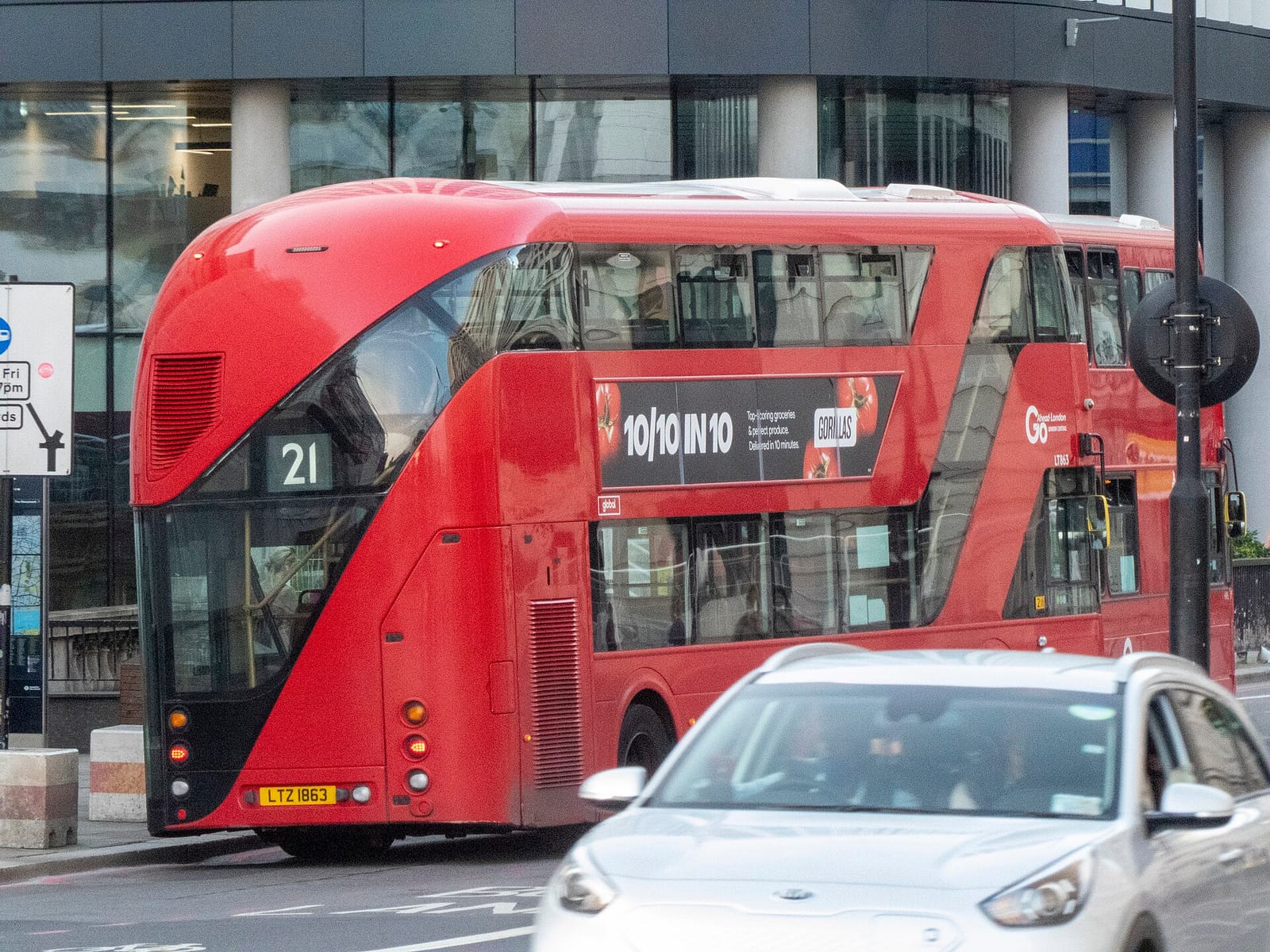
- London Tube, bus and rail: with pay as you go you touch in and out using contactless (card or device) or an Oyster card. Fares are capped in a day or week in Zones 1 to 9. On buses and trams you touch in only. Visitor Oyster cards cannot be registered.6 Our London transport guide and airport arrival guide go further.
- Trains: National Rail is the official source for train times, live departures and disruption across Great Britain.7 Ideas for rail trips: day trips from London, such as Oxford, Bath and Cambridge.
- Coaches: National Express runs UK coach routes and airport bus transfers.8
- Passes: compare London passes and tickets before you buy.
Driving on the left
The United Kingdom drives on the left.9 Most cars are manual, and hire companies allocate a manual unless you ask for an automatic when you book.3 GOV.UK has a tool that tells you whether you can drive in Great Britain (England, Wales and Scotland) on your non-GB licence.10 In central London you will rarely need a car: see the transport guide.
Pubs and etiquette
- Order at the bar. In almost all pubs there is no table service: you order, pay and collect drinks at the bar. Some food pubs bring meals to the table.3
- Wait your turn. Pubs have no formal queue: people crowd round the bar and are served in order. Eye contact or a discreetly raised hand is enough to catch the bar staff's attention; do not shout or tap money on the bar.3
- Rounds. In a group, order together in rounds rather than one drink at a time.3
- Pay when you order. A tab is rare and usually needs a card left behind the bar.3
See the pub guide for verified historic, food and dog-friendly pubs, and our food guides.
Safety and emergencies
In an emergency call 999 or 112. Calls are free and reach the same emergency operators.11,3 The operator asks which service you need (police, fire, ambulance, coastguard, or mountain and cave rescue) and where you are; give the town or city as well as the street.3 You can dial from any mobile even without service from your own provider.3
For crime that does not need an emergency response, the police non-emergency number is 101. For health problems that do not need A&E, use 111.3


Healthcare for visitors
The NHS in England is residence-based. If you are not ordinarily resident in the UK you may have to pay for some services, and VisitBritain advises having adequate insurance for your trip.13 The NHS website has a section on visiting England from abroad, covering visitors from the EEA and from outside it.14
- NHS 111 online helps you decide where to go for symptoms or an injury. It does not give a diagnosis; it directs you to the best place for help.12
- Pharmacies are marked with a green cross, and pharmacists can advise on minor ailments and medicines.3 The NHS pharmacies page explains how pharmacies can help and has a pharmacy finder.15
Opening hours and bank holidays
Eight bank holidays apply across the UK, and each nation has a few extra. Shops, pubs and restaurants are usually open on bank holidays, but transport is busier and prices tend to rise.3 GOV.UK lists the dates for England and Wales, Scotland and Northern Ireland; when we checked, the next in England and Wales were 25 December (Christmas Day) and 28 December (Boxing Day, substitute day).16
In England and Wales, large shops (over about 280 square metres) may open for up to six hours on a Sunday; smaller shops set their own Sunday hours.17 Individual attractions, markets and restaurants set their own hours, so check their websites: the venue pages in our guides link to each one.
Accessibility
VisitBritain has a guide to accessible travel in Britain.18 For London, our step-free London guide lists places with a reported step-free status, with the source shown, and our accessibility statement covers this website.
What to do on day one
- Sort your connection and payment before you leave the airport: contactless card or phone ready, and a plan for data (see above). Our arrival guide compares the airport links.
- Drop your bags, then walk. A first walk helps you adjust. Try the area around Westminster or the South Bank, or pick a self-guided walk.
- Pick one free thing. Our free things in London page lists museums and galleries whose own websites say entry is free.
- Eat early, then a pub. Try the food guides and the pub guide.
- Plan the rest. Use the one-page London guide, the itinerary planner, or start from another city: Edinburgh, Bath, York, Oxford, Cambridge, Manchester or the Cotswolds.
Questions people ask
Do I need an ETA or a visa to visit the UK?
It depends on your nationality and why you are coming. GOV.UK says most visitors need an ETA or a visa, and that an ETA lets you travel to the UK, Jersey, Guernsey or the Isle of Man for up to 6 months. Check what applies to you on gov.uk before you book.
What number do I call in an emergency in the UK?
Call 999 or 112. Both reach the same emergency service operators and calls are free. Say which service you need (police, fire, ambulance or coastguard) and give your location.
What plug and voltage does the UK use?
The UK uses the Type G plug (BS 1363), 230 V and 50 Hz. Check that your device accepts 230 V, and bring an adapter for the plug shape.
Do I tip in a UK pub?
It is not normal to tip for drinks in a pub or bar. Some regulars offer to buy the bar worker a drink instead. If the pub also serves meals at the table, the serving staff may be tipped.
Should I use Oyster or contactless in London?
Both work with pay as you go. Touch in and out with a contactless card, device or Oyster card, and TfL caps your fare in a day or week. On buses and trams you only touch in. Visitor Oyster cards cannot be registered.