
Roman Baths and the Abbey
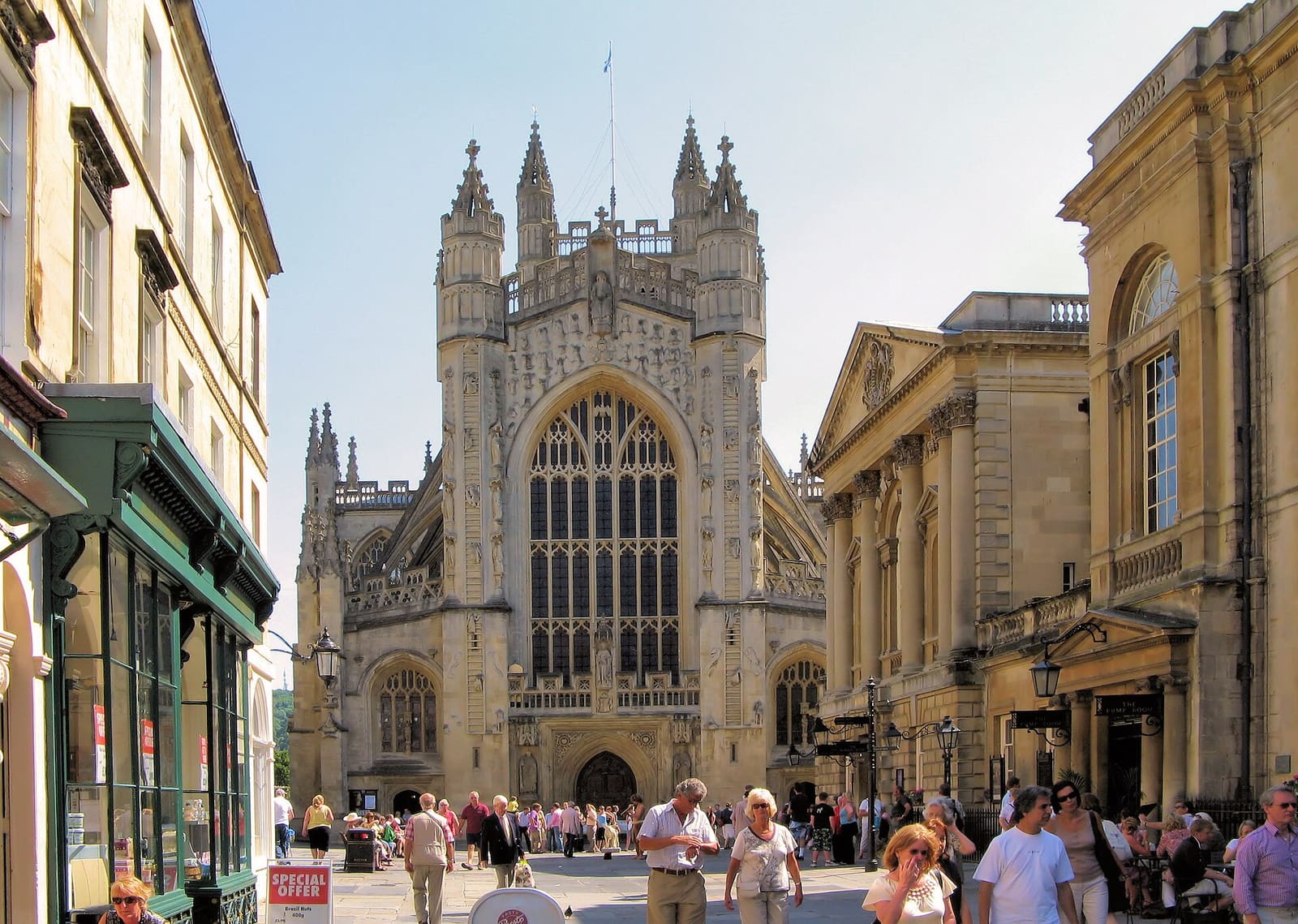
- Abbey & Roman Baths — the Roman Baths, the Abbey and the Pump Room
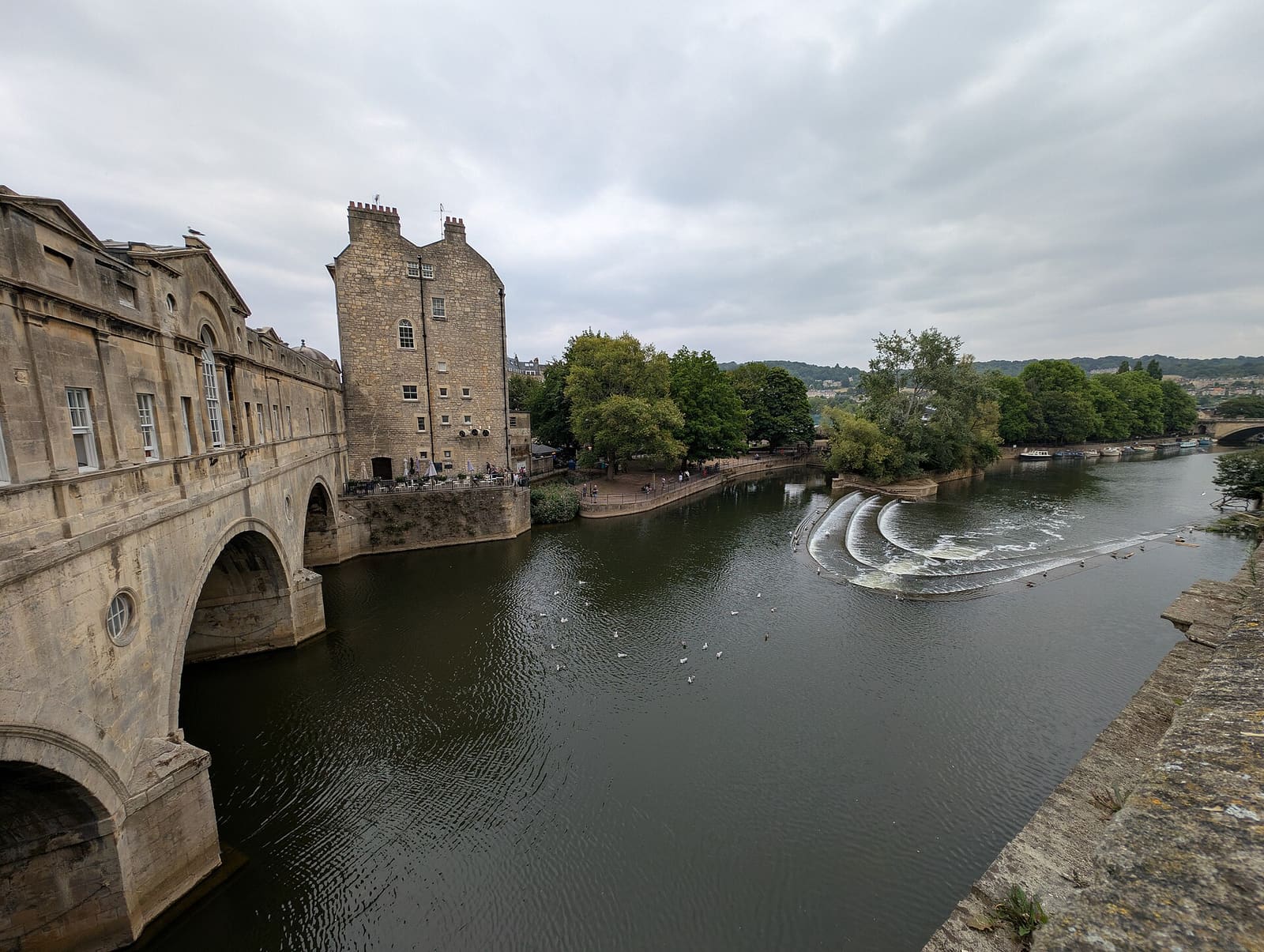
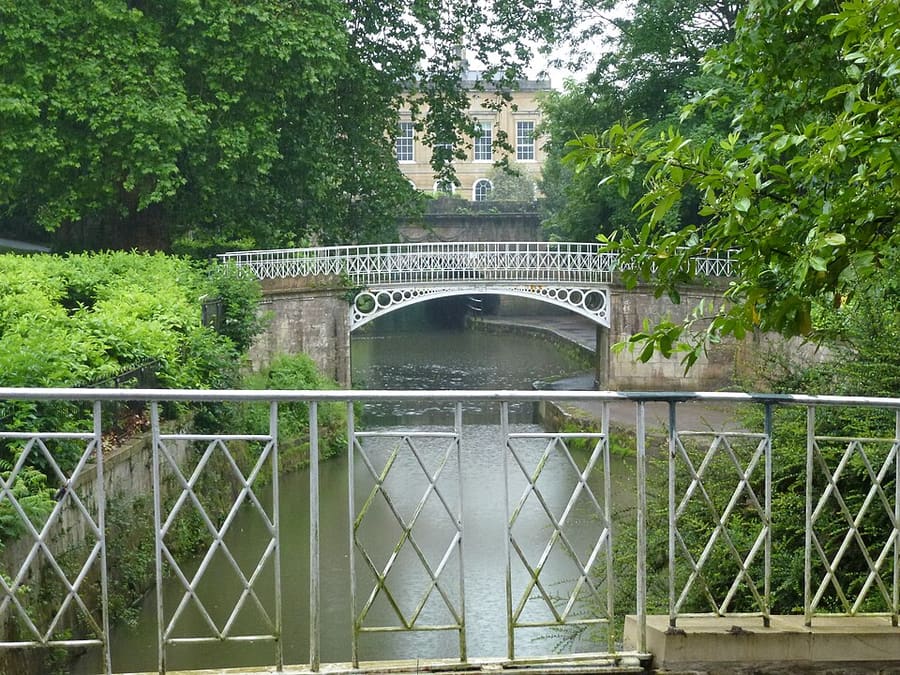
- Pulteney Bridge — walk to the bridge and the weir
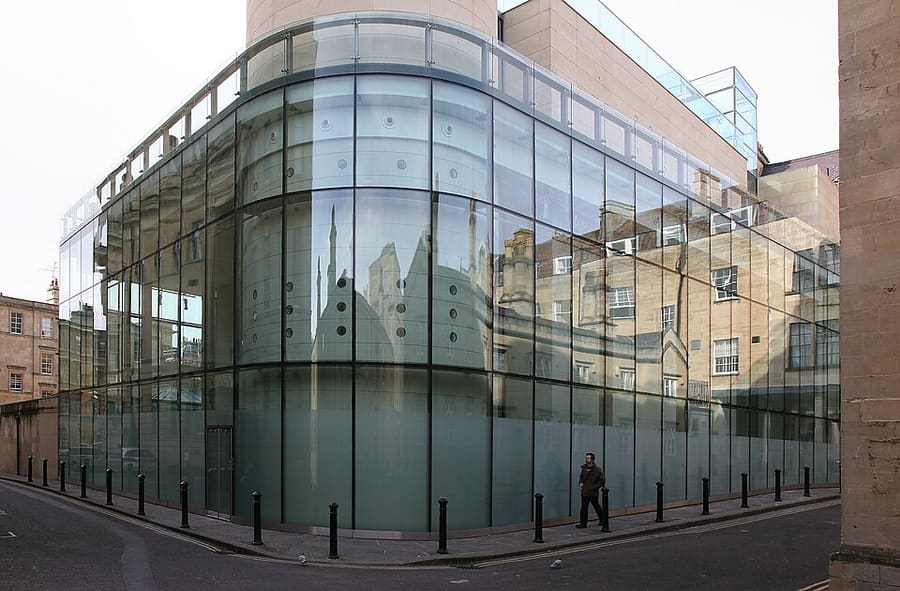
Bath is a compact Somerset city built around natural hot springs. The Romans built a bathing complex here, and in the 18th century architects laid out the terraces, squares and crescents of pale stone that define the city today.
Bath was first inscribed as a World Heritage Site in 1987, and again in 2021 as one of the Great Spa Towns of Europe. Most visits start around the Abbey and Roman Baths, then climb to the Georgian streets or cross the river to Bathwick and Widcombe.
Areas
Each area has its own mini guide with 46 sights, places to eat and drink, and where to stay across the city.
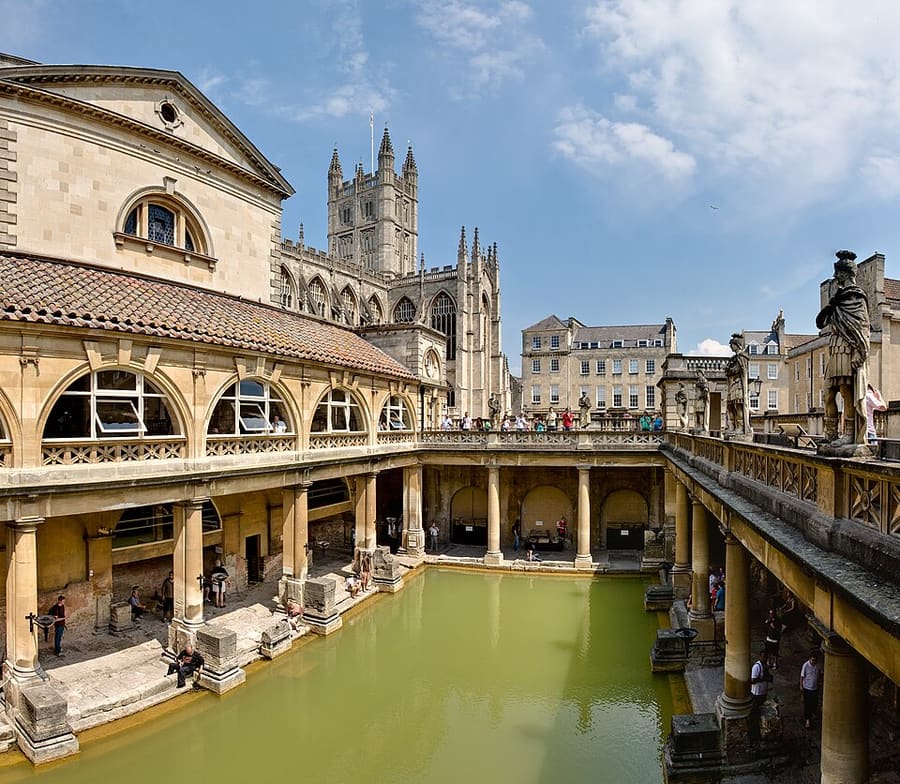
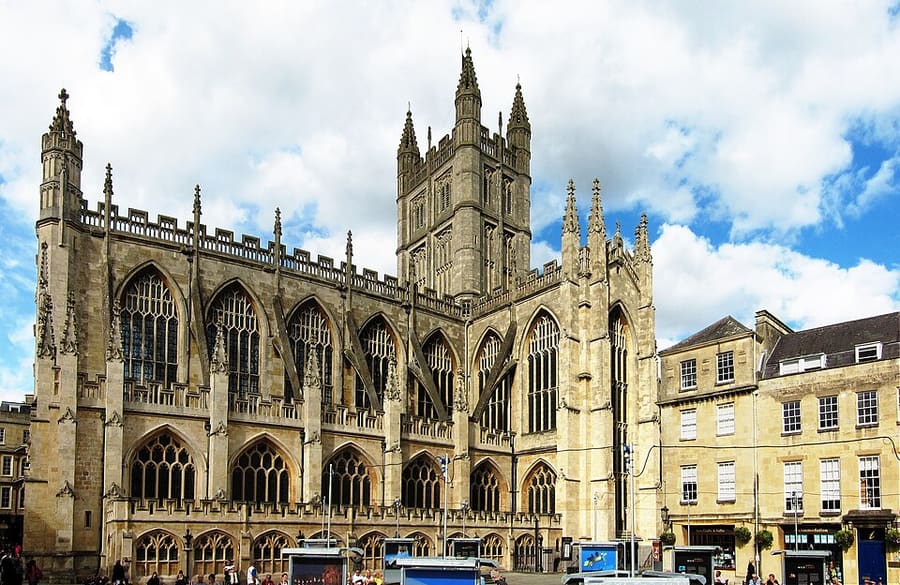
The Roman Baths, the Abbey and the Pump Room around the Abbey Churchyard
Open the mini guide →
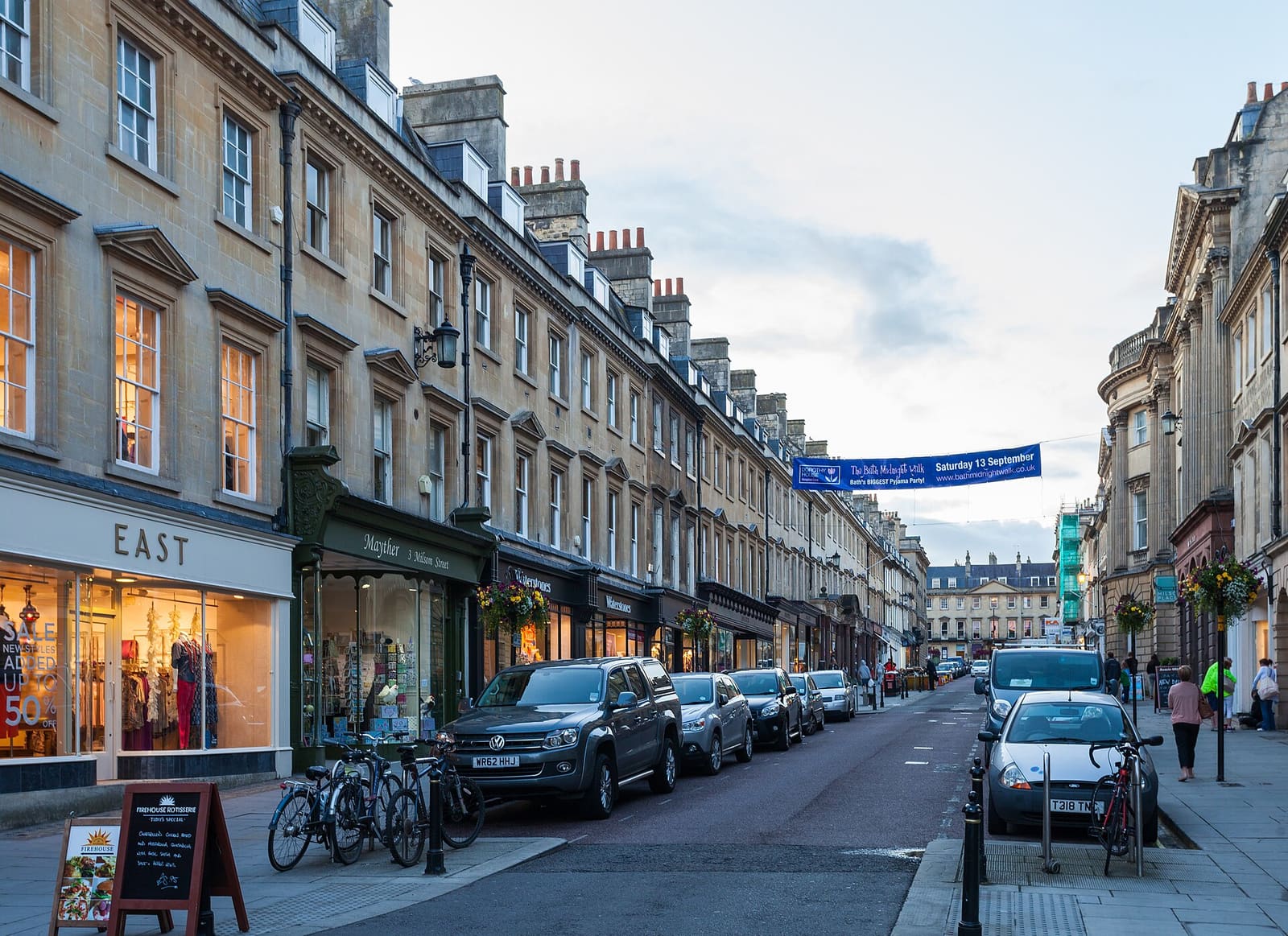
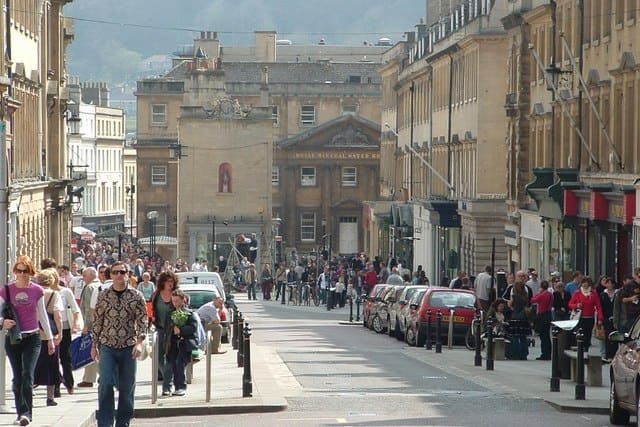
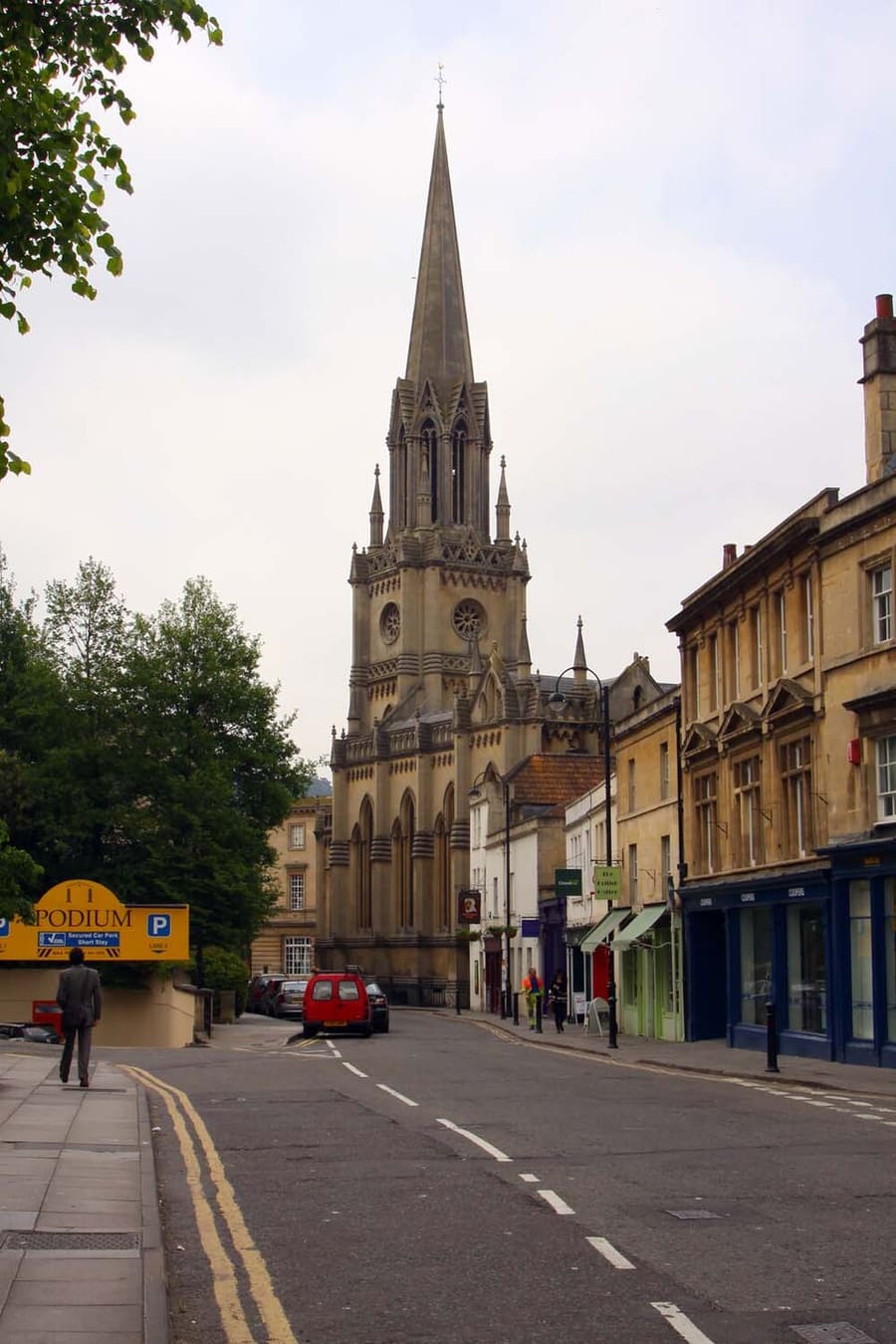
Georgian shopping streets, a riverside bridge and independent cafés north of the Abbey
Open the mini guide →
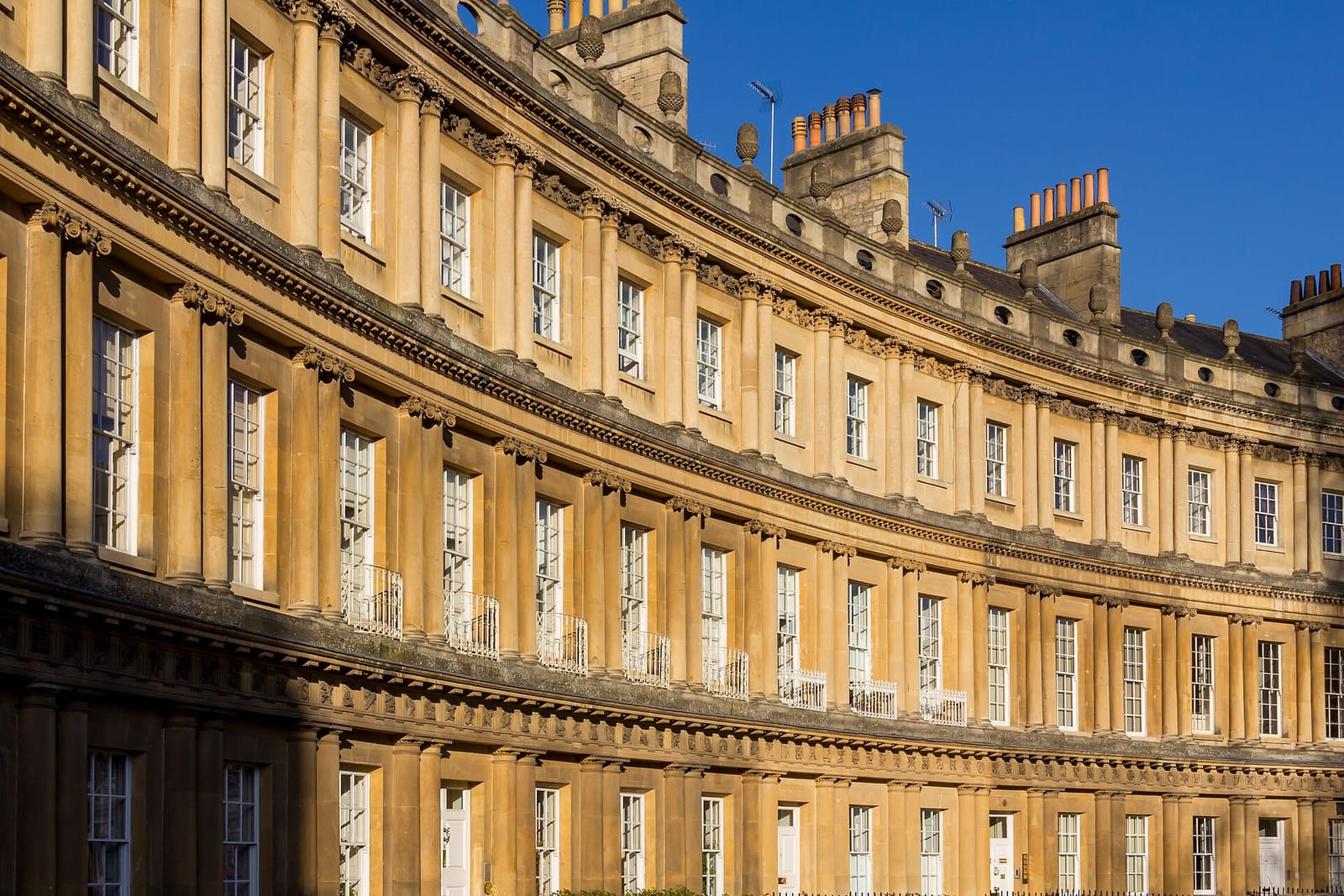
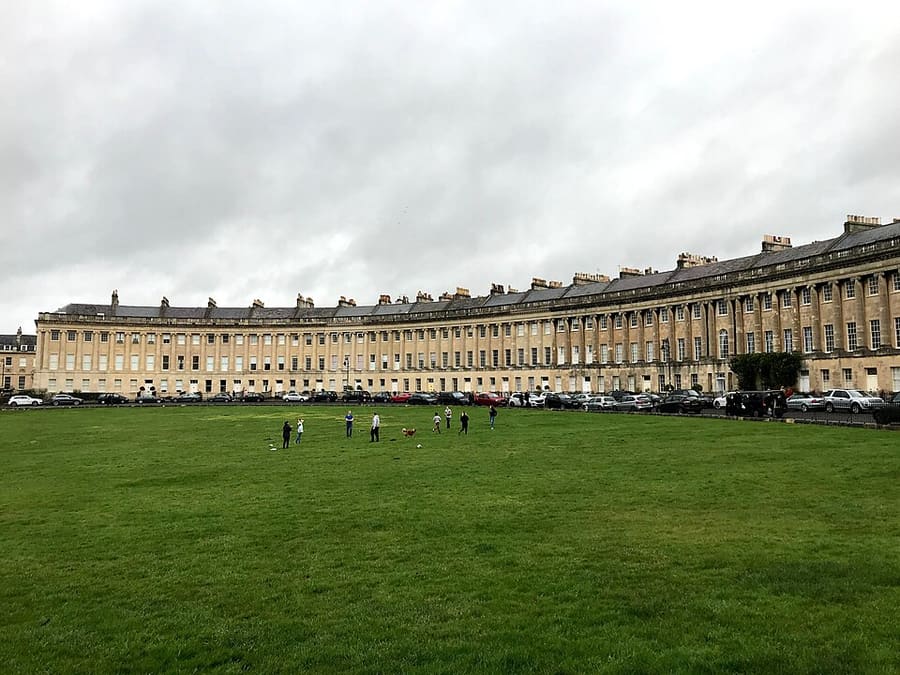
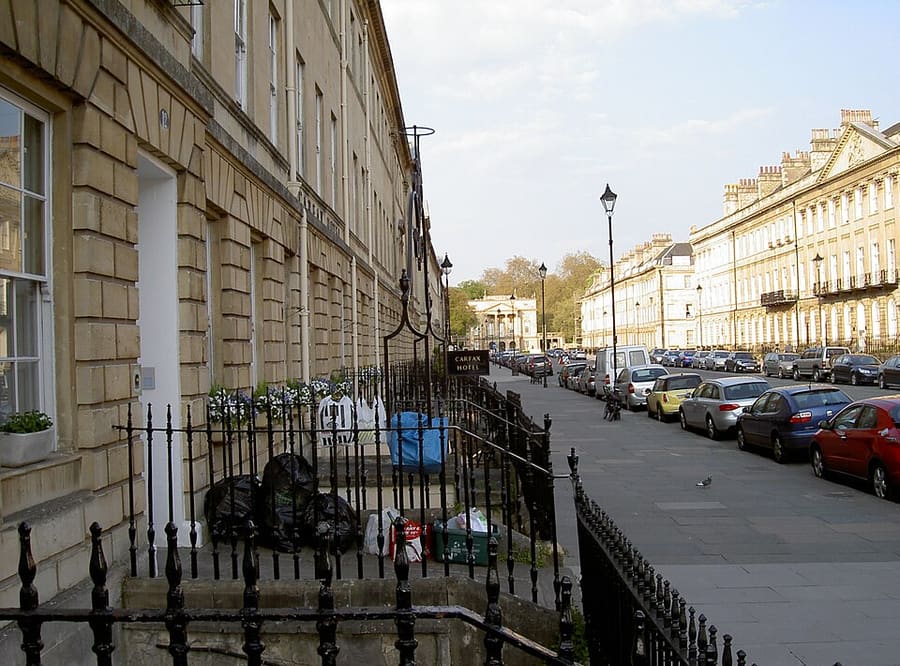
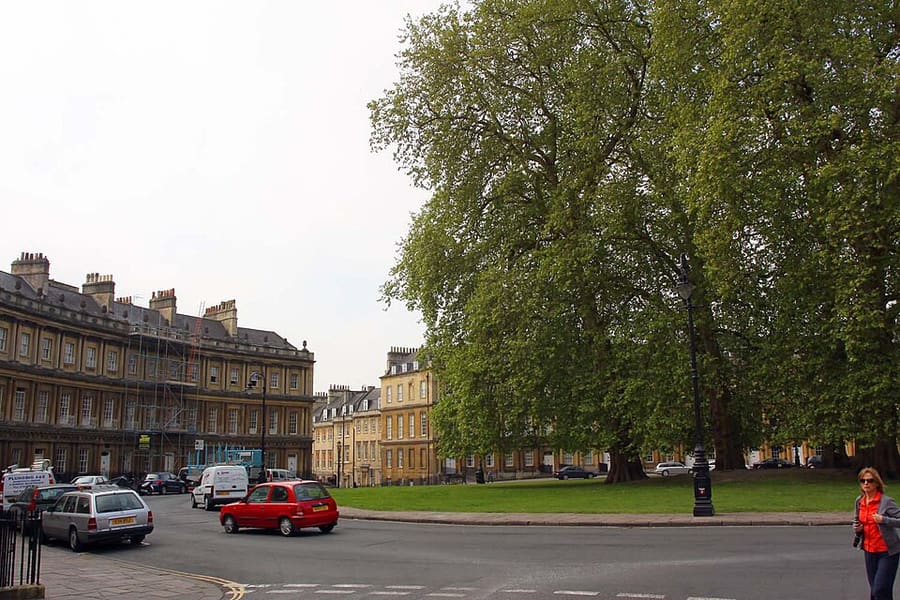
The Royal Crescent, the Circus and Queen Square on the hill above the city
Open the mini guide →
Great Pulteney Street, canal locks and Prior Park across the river
Open the mini guide →Sights
A sight from each area. Every area guide lists the rest, with directions and official links.
Roman bathing and temple complex built around natural hot springs, now a museum whose finds include a gilt bronze head of Sulis Minerva.
Georgian street of shops, cafés and restaurants running north from the centre of Bath.
Crescent of 30 terraced houses designed by John Wood the Younger, overlooking Royal Victoria Park.
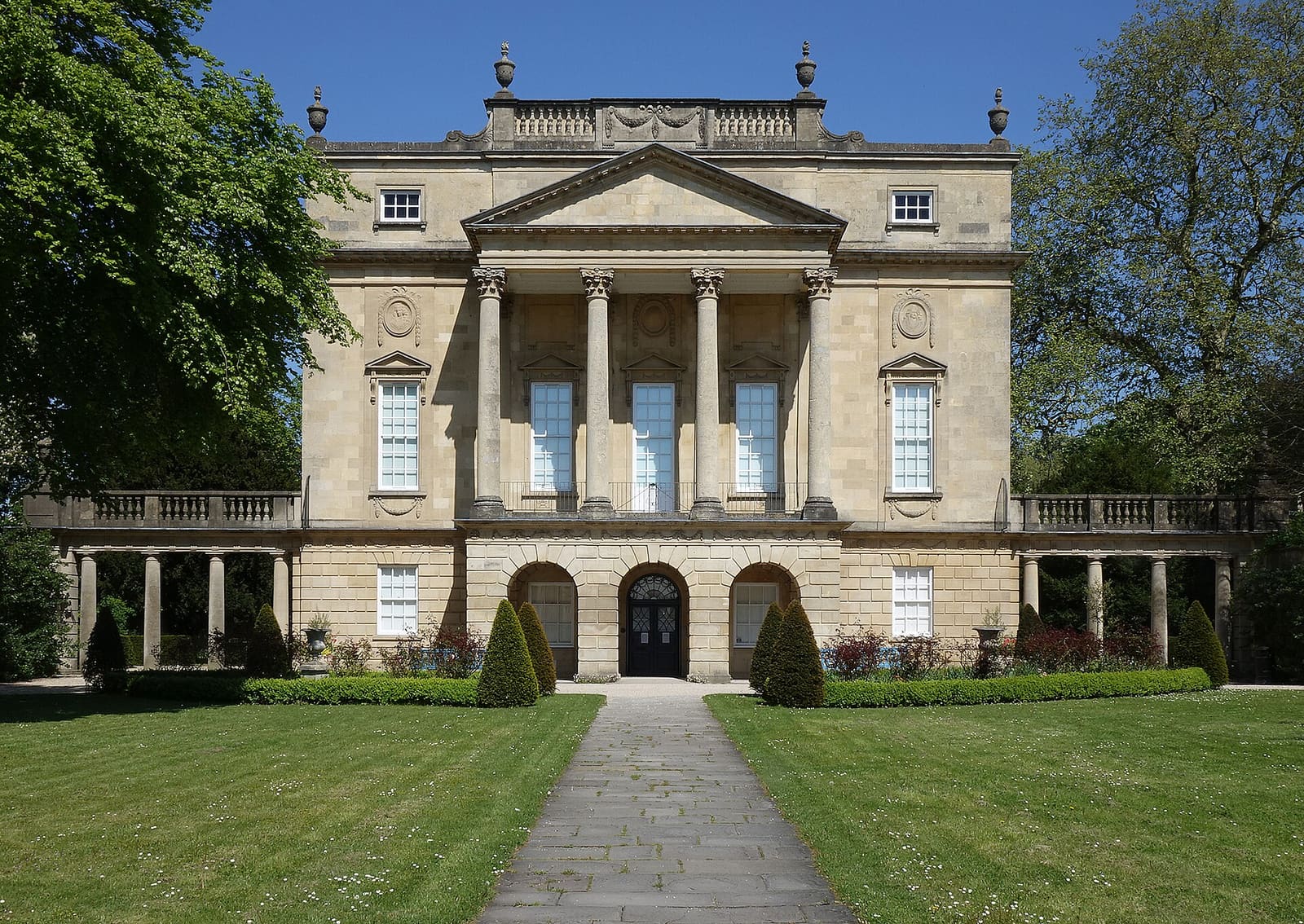
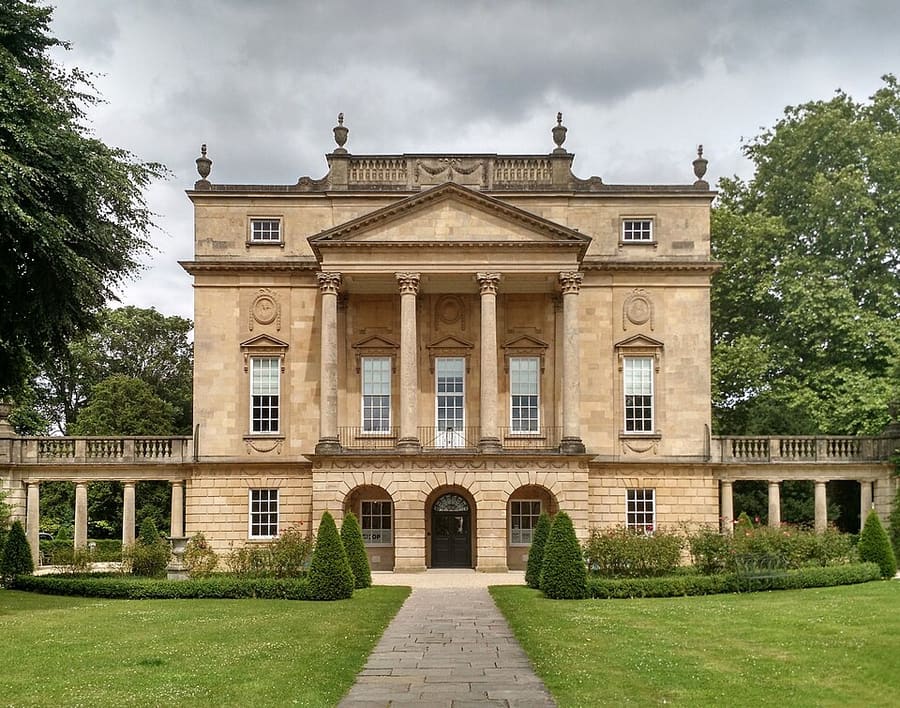
Wide Georgian street leading from the centre towards the Holburne Museum, planned for the Pulteney estate.
Medieval abbey church beside the Roman Baths, known for its fan-vaulted ceiling and the angels carved on its west front.
Street running north from Pulteney Bridge, lined with shops, cafés and pubs.
Ring of three-storey townhouses forming a circle with three entrances, begun by John Wood the Elder.
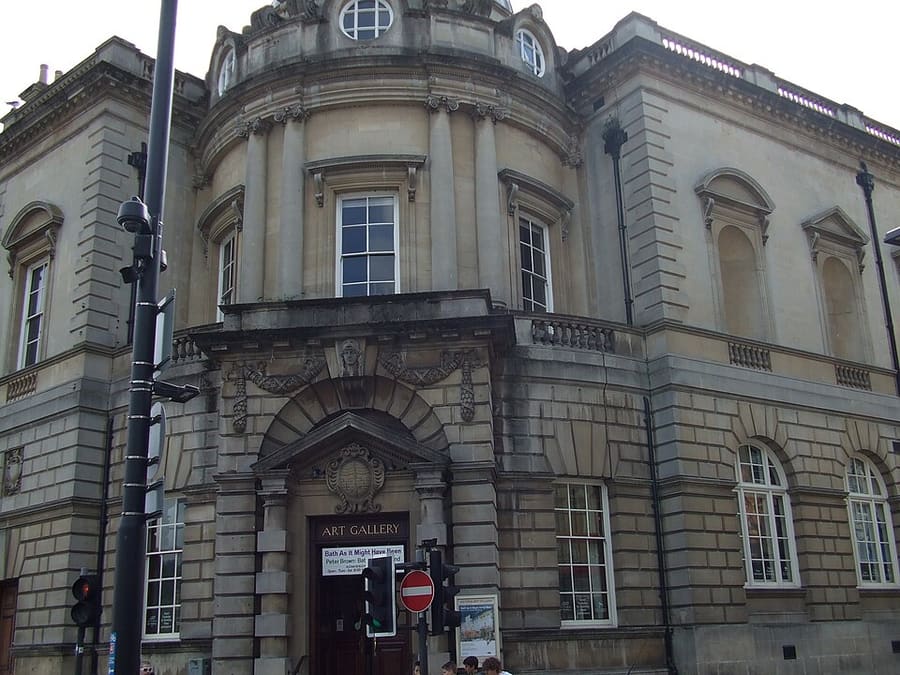
Art museum at the end of Great Pulteney Street, with decorative arts, British portraits and Renaissance works.
1 / 12Theatre
5 theatres and performance venues across 3 areas: see where each one is, how to get there and where to find what is on.
Filter 5 venues by area, type of show and step-free access.
Open the directory →One link to each venue's own programme page, plus seasonal highlights.
See what's on →A Georgian theatre in Sawclose with a main house, the Ustinov Studio and The Egg, and an annual Christmas show.
Venue page →Itineraries
Short routes that stitch the areas together.
Getting there
Bath has a railway station and a bus station in the city centre. Bristol is the nearest major airport. Always check the operators for current times, fares and disruption.
Bath Spa station is in the city centre. Visit Bath says Great Western Railway runs regular trains from London Paddington, taking about 80 minutes.
Bath Bus Station is on Dorchester Street, a few minutes' walk from the railway station. National Express and FlixBus run coaches from London Victoria, Heathrow and Gatwick, according to Visit Bath.
Bristol Airport is about 19 miles away. Visit Bath says the Air Decker bus runs from the airport to Bath in about an hour. From Heathrow, it suggests the Heathrow Express to Paddington and a train on to Bath Spa.
Bath is near the M4 and M5. The council runs Park & Ride from Lansdown, Newbridge and Odd Down, with buses to the centre in about 10 minutes, according to Visit Bath. The city also has a Clean Air Zone; cars are exempt.
Journey times on this page are Visit Bath's headline figures. We do not publish timetables or fares. A guide to visiting Bath from London is in the Britlens Day trips section at /day-trips/bath/.
The Abbey, Roman Baths, Pulteney Bridge and the shopping streets are close together. The Royal Crescent and Lansdown are uphill, so allow extra time.
Buses run from Lansdown, Newbridge and Odd Down to the centre about every 15 minutes or more often, according to Visit Bath.
Bath's Class C Clean Air Zone charges mainly taxis and goods vehicles. Cars and motorbikes are exempt, according to Visit Bath.
First Bus (Bristol, Bath and the West)
Best time to go
Bath works all year. Summer and holiday periods are busiest around the Abbey and the Roman Baths.
Gardens and parks such as Parade Gardens and Prior Park start to bloom, with fewer crowds than summer.
Long days for walks on the Skyline and along the canal. Book rooms and popular attractions ahead.
Good light on the stone terraces and quieter streets once the summer holidays end.
Short days, but the spa pool, museums and cosy pubs come into their own.
Day trips
Ideas for a day away from Bath. Check the operators for times and tickets.

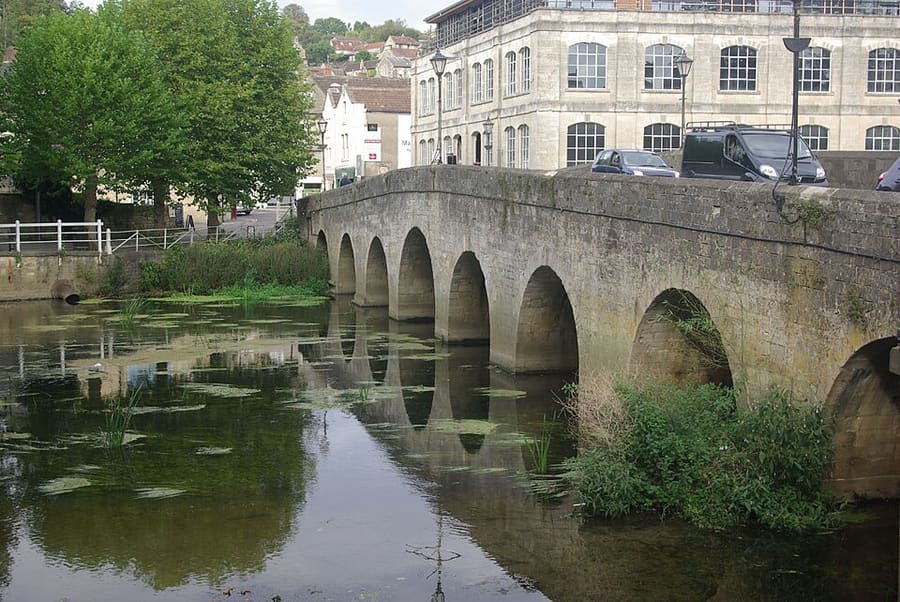
A small stone town on the River Avon and the Kennet and Avon Canal, east of Bath.
bradfordonavon.co.uk →
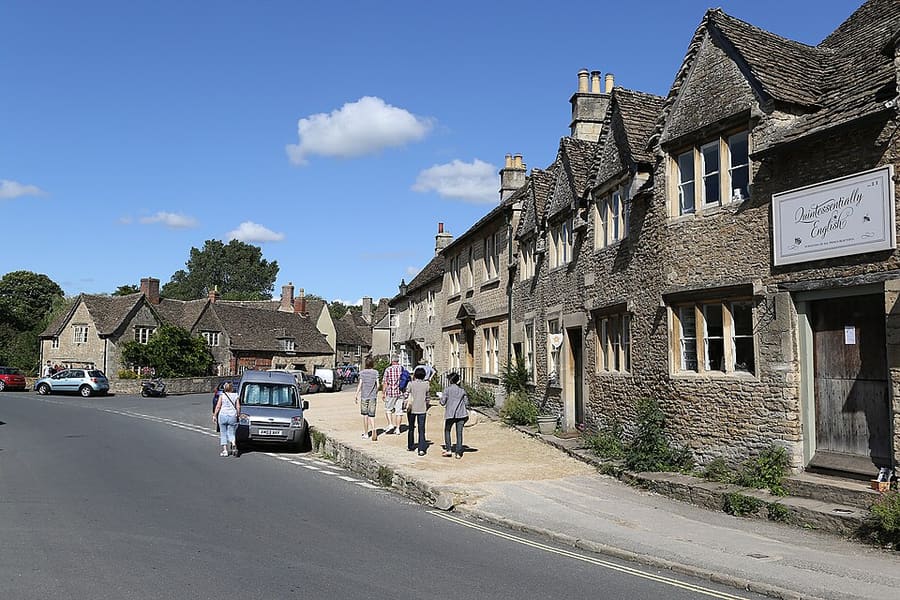
A village of historic stone buildings, owned by the National Trust together with Lacock Abbey.
National Trust: Lacock →
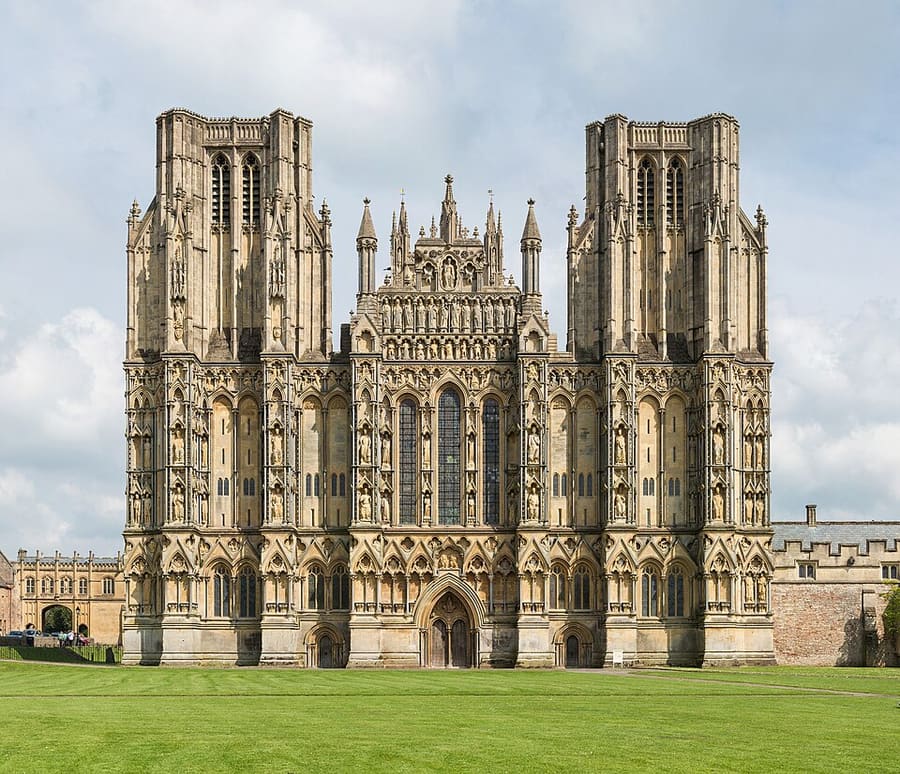
A small cathedral city in Somerset, with a medieval cathedral and its carved west front.
wellscathedral.org.uk →
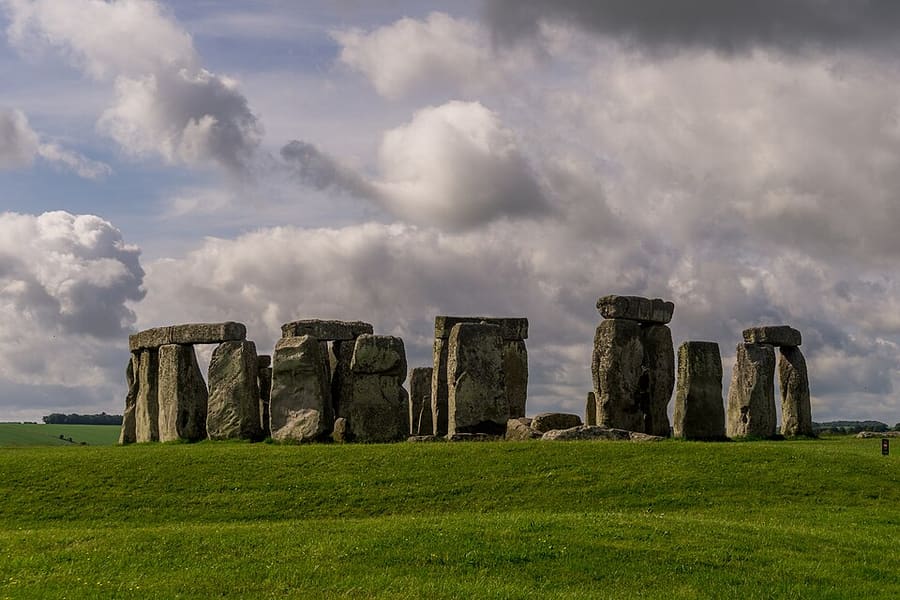
The prehistoric stone circle on Salisbury Plain, run by English Heritage.
English Heritage: Stonehenge →FAQ
One day covers the Roman Baths, the Abbey and the Georgian streets at a brisk pace. Two or three days leave time for Bathwick and Widcombe, Prior Park and the Skyline.
Yes. Visit Bath says Great Western Railway trains from London Paddington take about 80 minutes. Britlens has a Bath day-trip guide in its Day trips section at /day-trips/bath/.
Visit Bath says the Air Decker bus runs from Bristol Airport to Bath in about one hour. You can also take a coach to Bristol Temple Meads and a train on to Bath Spa.
Thermae Bath Spa has an open-air rooftop pool fed by natural thermal water. It admits guests aged 16 and over, and treatments are for guests aged 18 and over.
Yes. Bath's Class C Clean Air Zone charges mainly taxis and goods vehicles. Cars and motorbikes are exempt, according to Visit Bath, which suggests using Park & Ride.
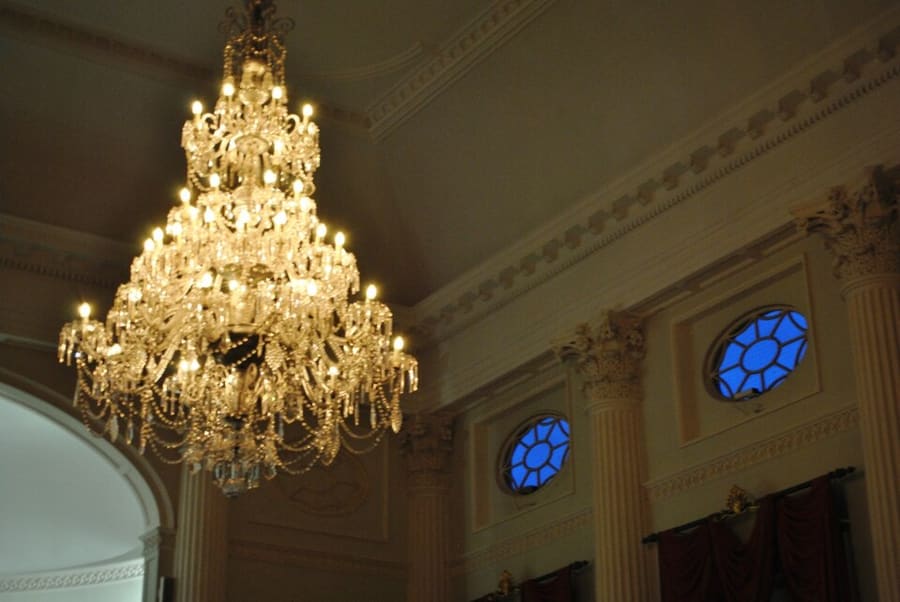
The National Trust says the Bath Assembly Rooms are closed for conservation and a new visitor experience, with reopening planned for 2027. Check the Trust's site for events.
The Abbey and Roman Baths area puts you beside the main sights and the station. Georgian Bath is quieter and more residential, and Bathwick and Widcombe are greener, across the river.
Bath was first inscribed as a World Heritage Site in 1987 and was inscribed again in 2021 as one of the Great Spa Towns of Europe, according to Bath World Heritage.
Nearby places
Our closest other guides, by straight-line distance between centres. Road and rail distances are longer: check a journey planner.
Photos from Wikimedia Commons, used under the licences shown. All photo credits
Plan it properly
Keep exploring