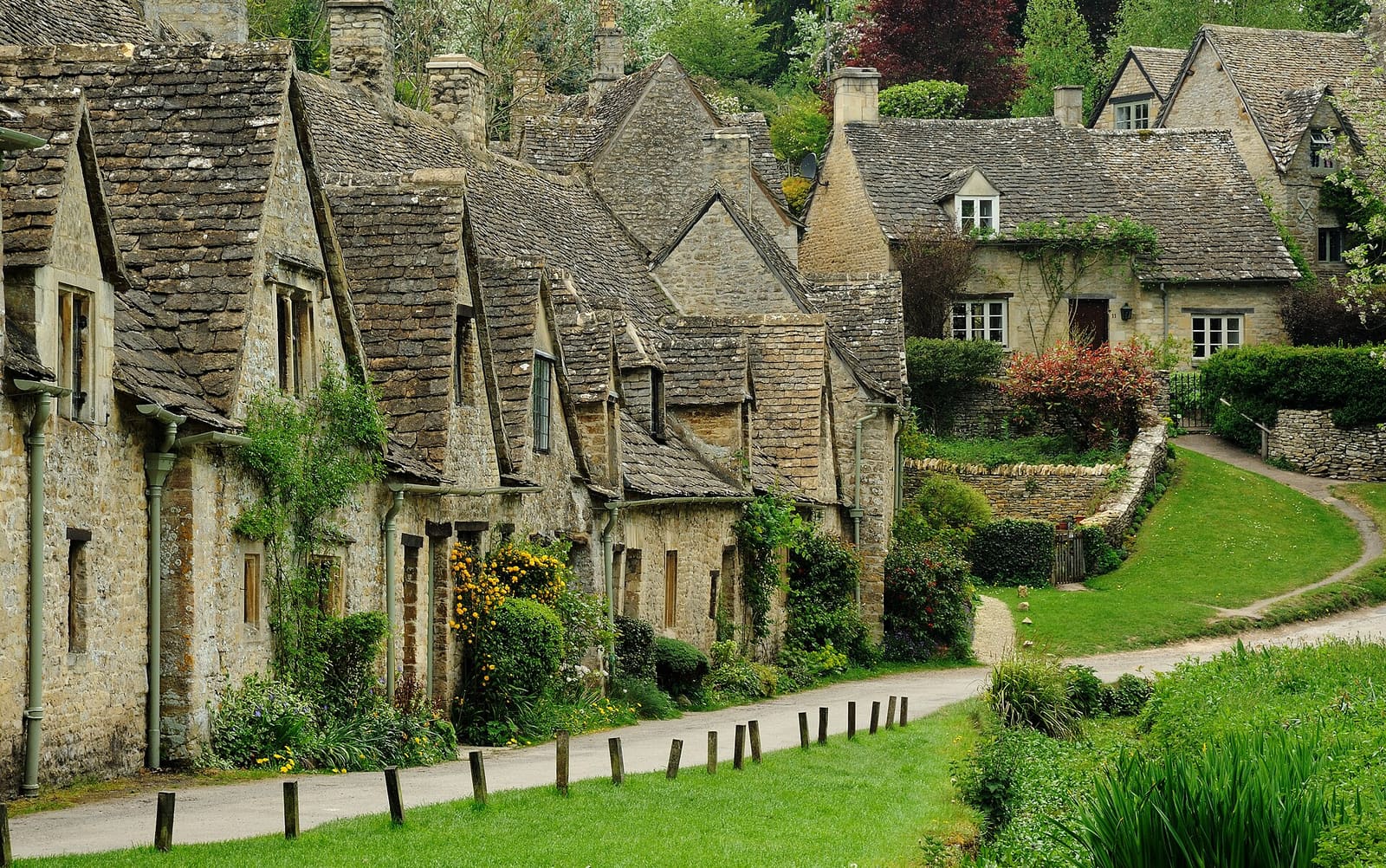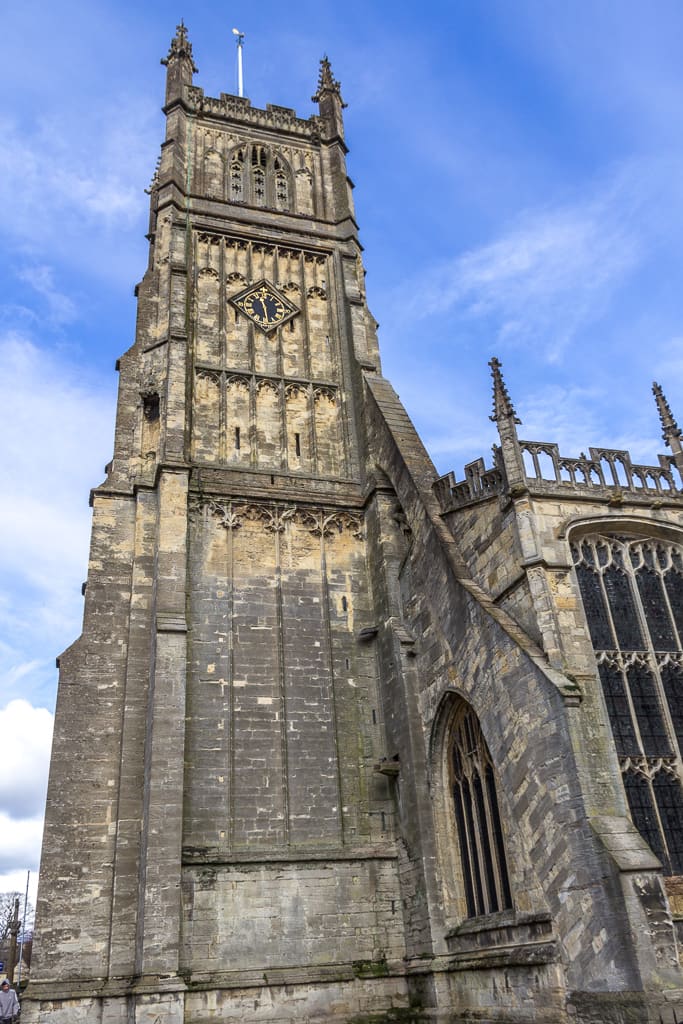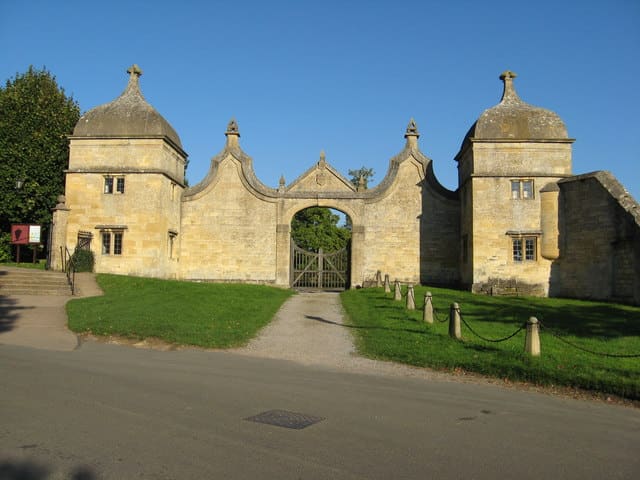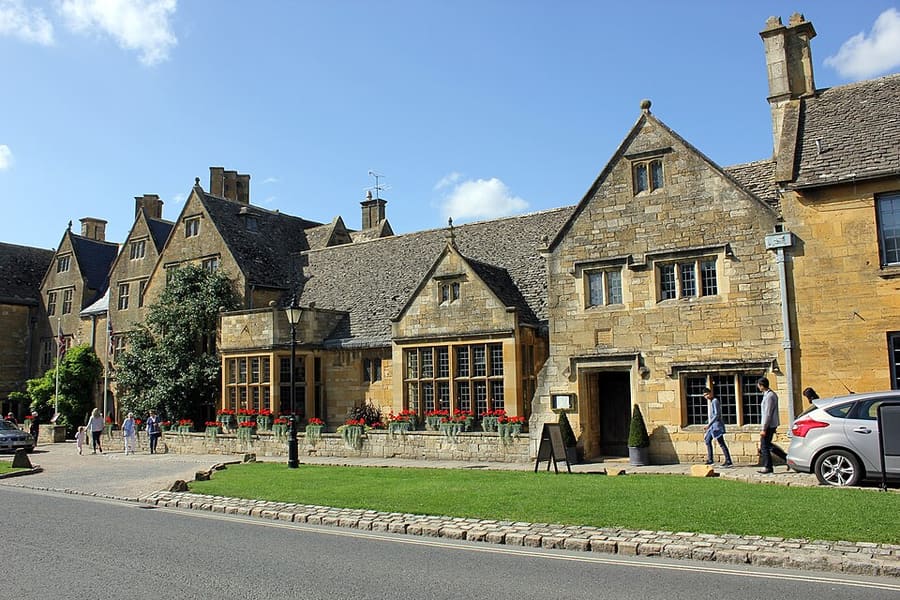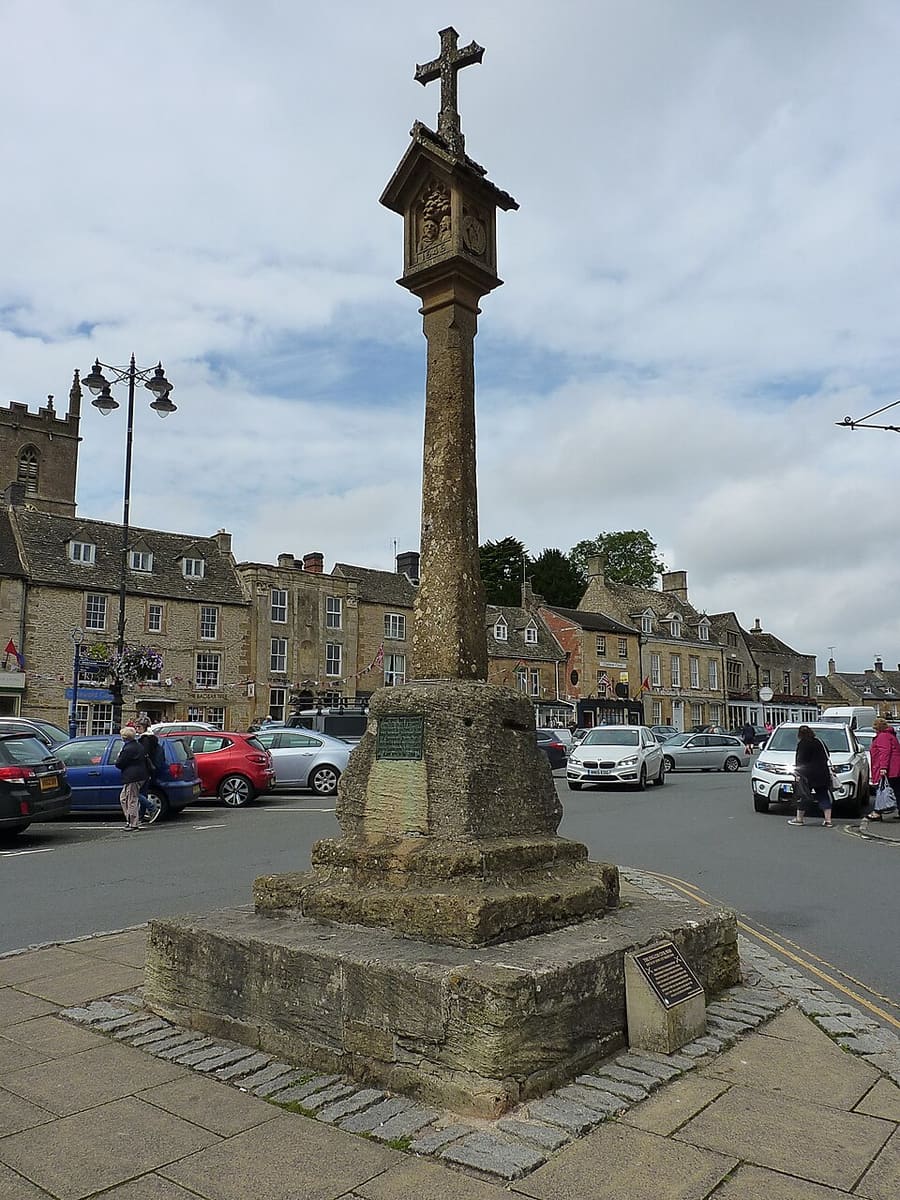

Arlington Row, a terrace of Cotswold stone cottages at Bibury, beside a path and garden

The Cotswolds

Honey-coloured villages, wool-merchant churches and rolling limestone hills

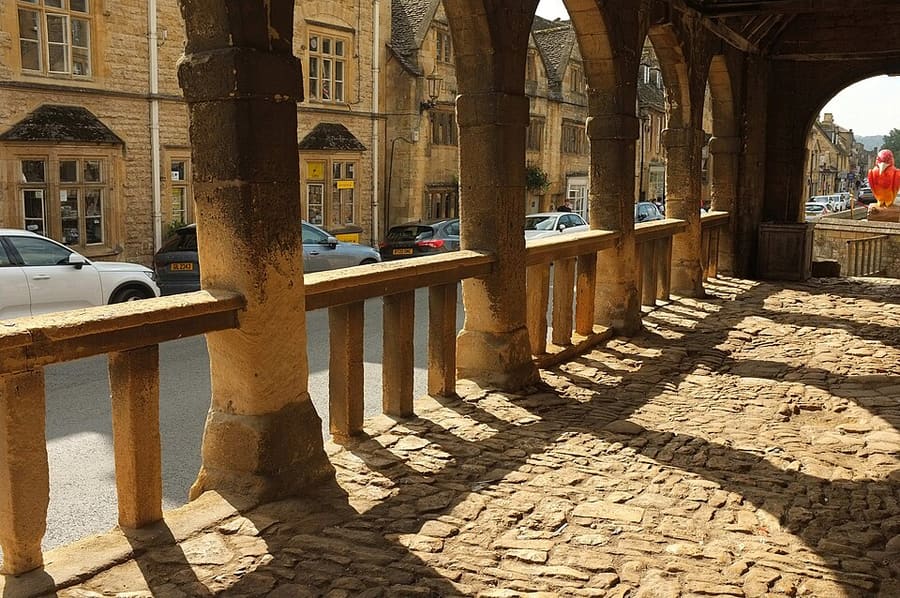
The Cotswolds are a region of small market towns and villages built from local yellow limestone, spread across a limestone upland that rises to an escarpment above the Severn and Evesham vales. Wool made the towns rich in the Middle Ages, and the churches, market halls and almshouses they paid for are still the main sights.

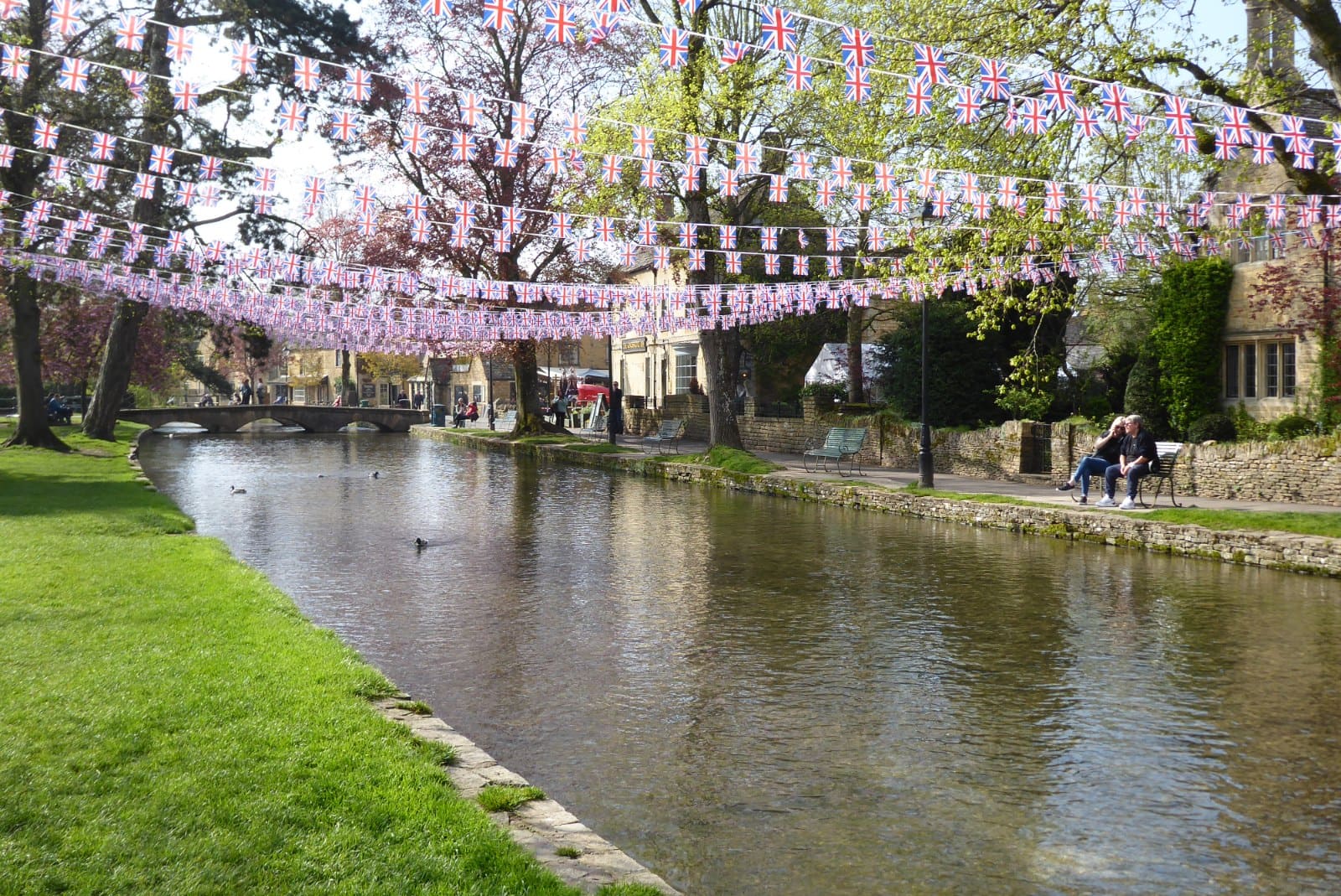
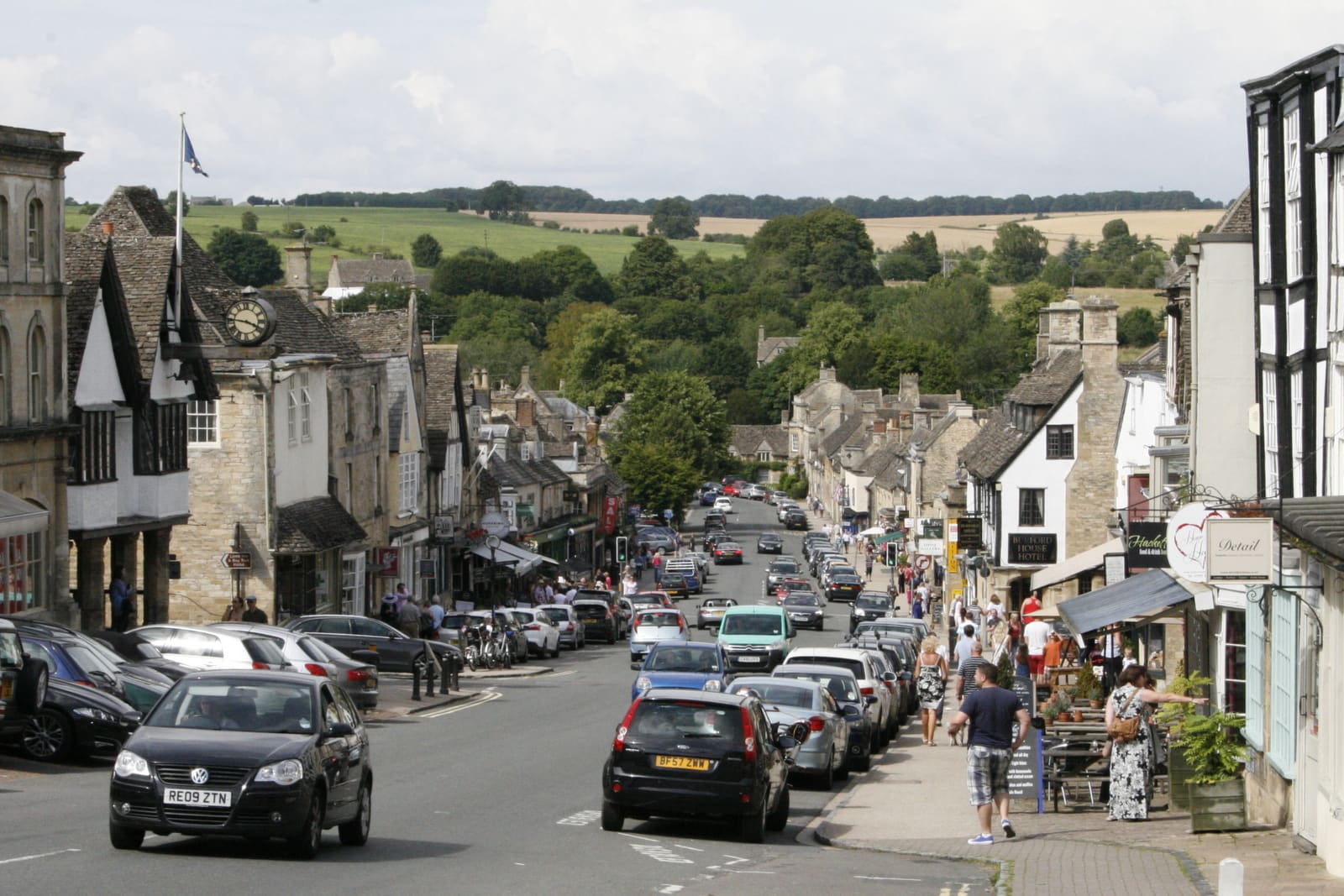
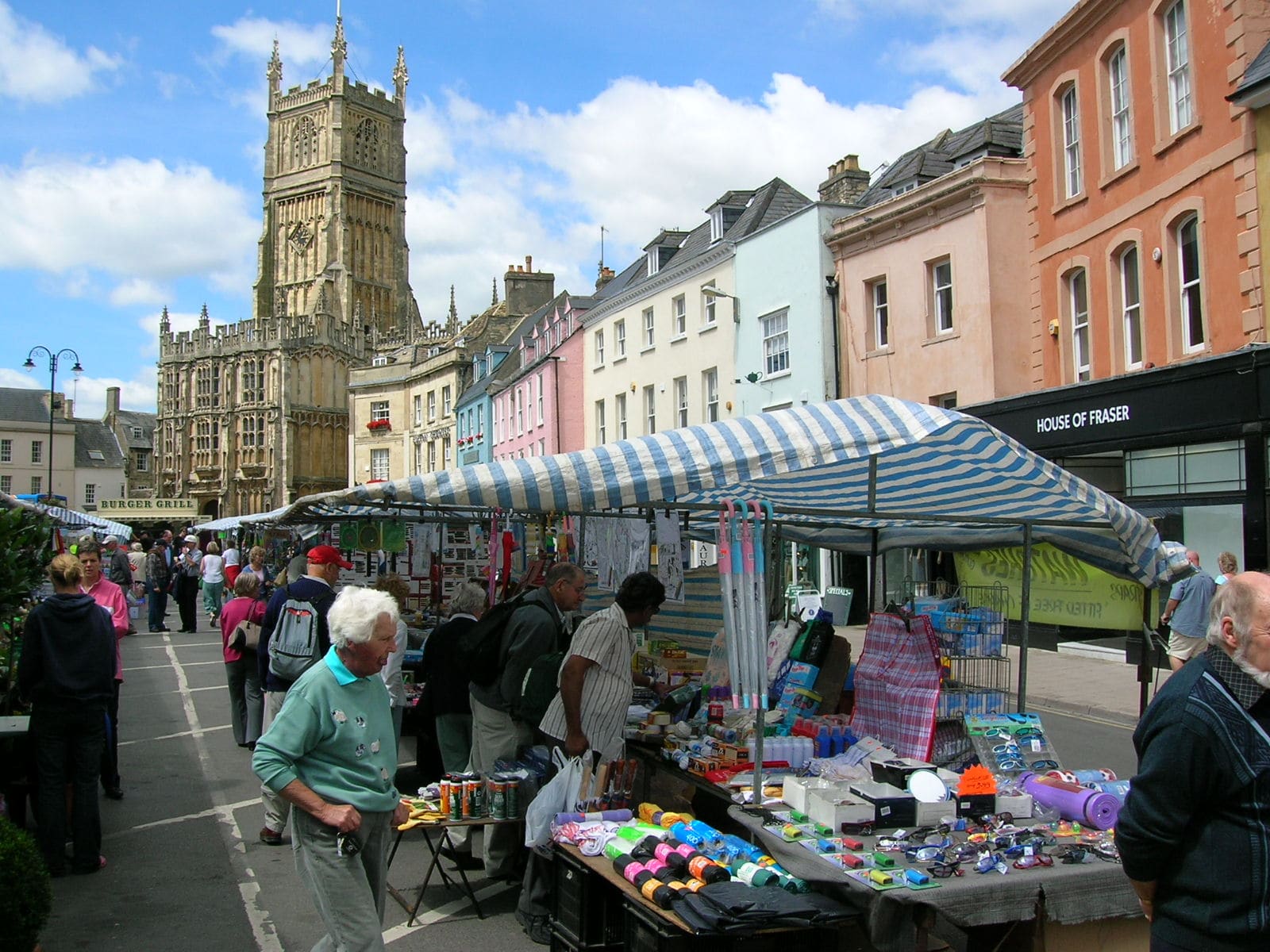
This guide covers six places with a real visitor draw: Bourton-on-the-Water, Burford, Chipping Campden, Stow-on-the-Wold, Broadway and Cirencester. The Cotswolds have limited rail and thin bus services, so plan your journey before you set out.

  • Designated1966Became an Area of Outstanding Natural Beauty, now branded a National Landscape
  • Cotswold Way102 milesNational Trail from Chipping Campden to Bath
  • Rail gatewaysMoreton-in-Marsh, KembleGWR stations for the north and the south Cotswolds; onward travel is by bus or taxi
  • Suggested stay2 to 4 daysBase yourself in one or two places and check the buses first

With kids in the Cotswolds

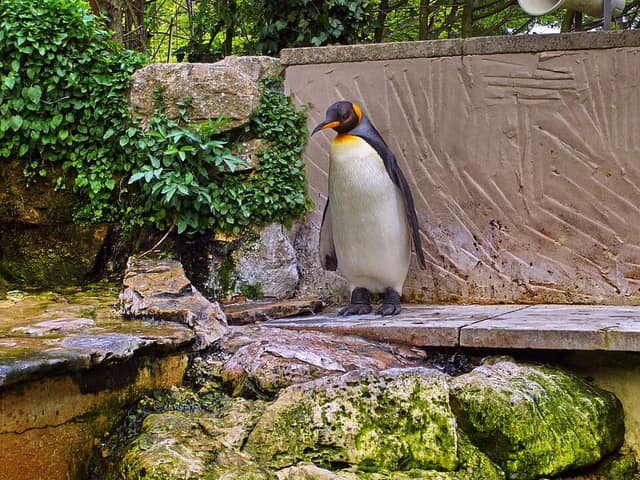
Animal attractions, railways, science centres, beaches and caves from our the Cotswolds guide, grouped by type. We hold no age ratings or child prices: check each place’s own site for age limits, height rules and family tickets.

Animals and wildlife

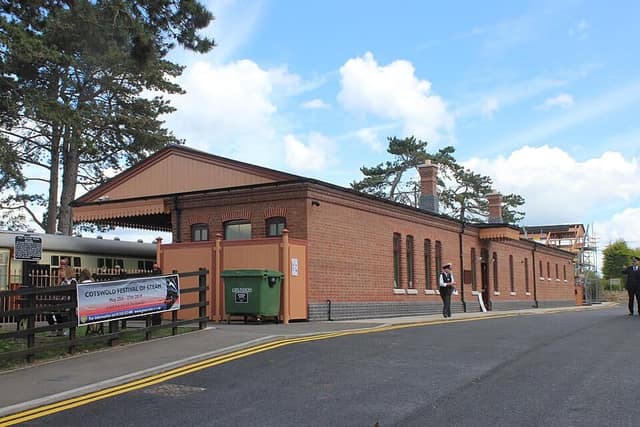
Railways, trams and rides

Practical help: travelling with children and where to stay in the Cotswolds.

Itineraries

Plan your days

Short routes that stitch the areas together.

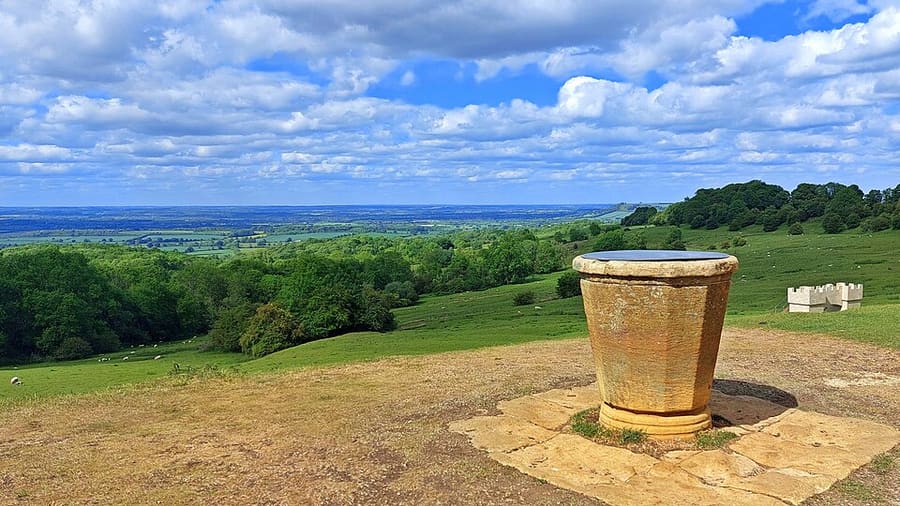
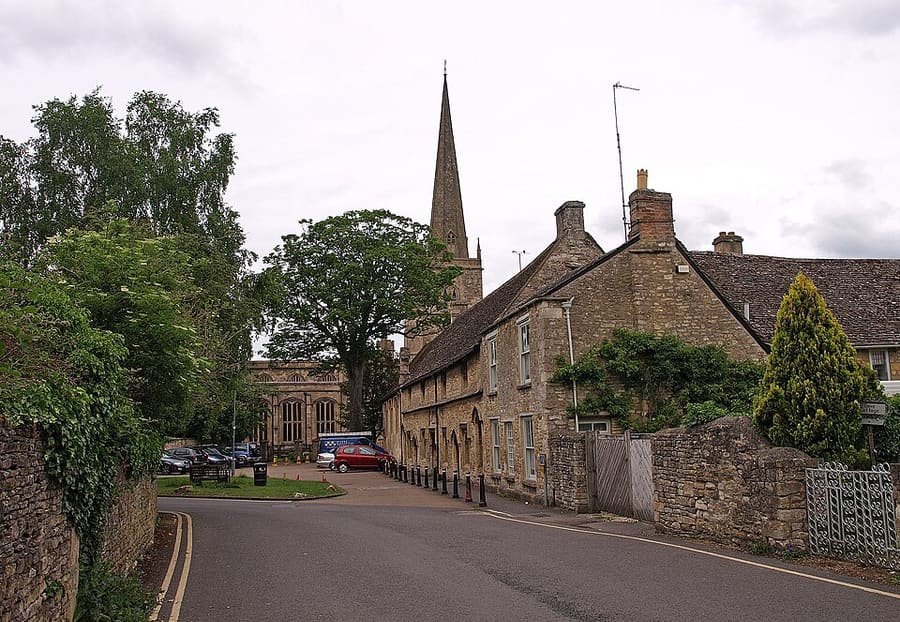
Dover's Hill, Chipping Campden
2 days

Walkers' north Cotswolds

  • Chipping Campden — the Market Hall, Court Barn and the start of the Cotswold Way
  • Dover's Hill — a short walk up to the National Trust viewpoint
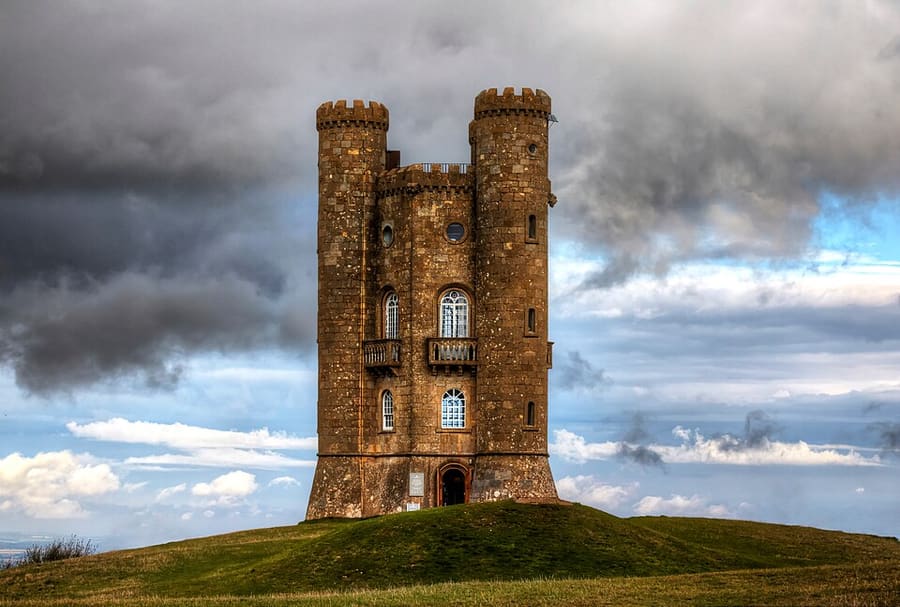
  • Broadway — the High Street, the museums and a walk up towards Broadway Tower
The Great Almshouses, Burford
3 days

Towns, Romans and a day trip

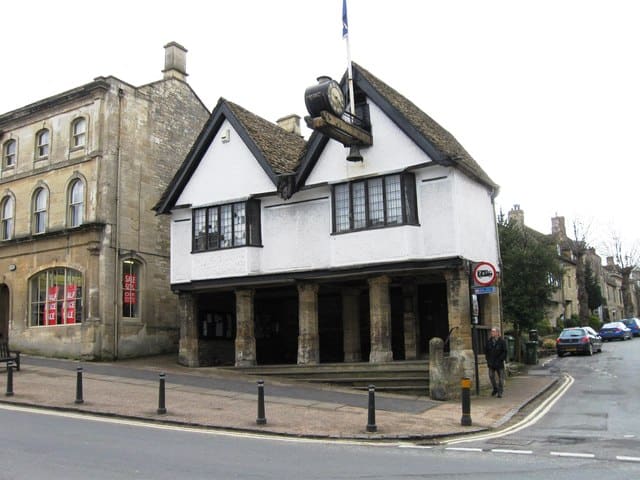
  • Burford — the High Street, the Tolsey and the churchyard
  • Cirencester — the Corinium Museum, the amphitheatre and the parish church
  • A day trip — Oxford, Bath, Cheltenham or Painswick (see below)

Getting there

Arriving in the Cotswolds

The Cotswolds have no airport of their own and only a few railway stations, so most visitors combine a train with a bus, a taxi or a car. Always check the operator for current times, fares and disruption.

By train

Great Western Railway (GWR) runs the Cotswold Line through Moreton-in-Marsh, Kingham and Charlbury, and serves Kemble, Stroud and Cheltenham Spa in the south and west. Oxford, Swindon and Worcester are common connection points.

By bus

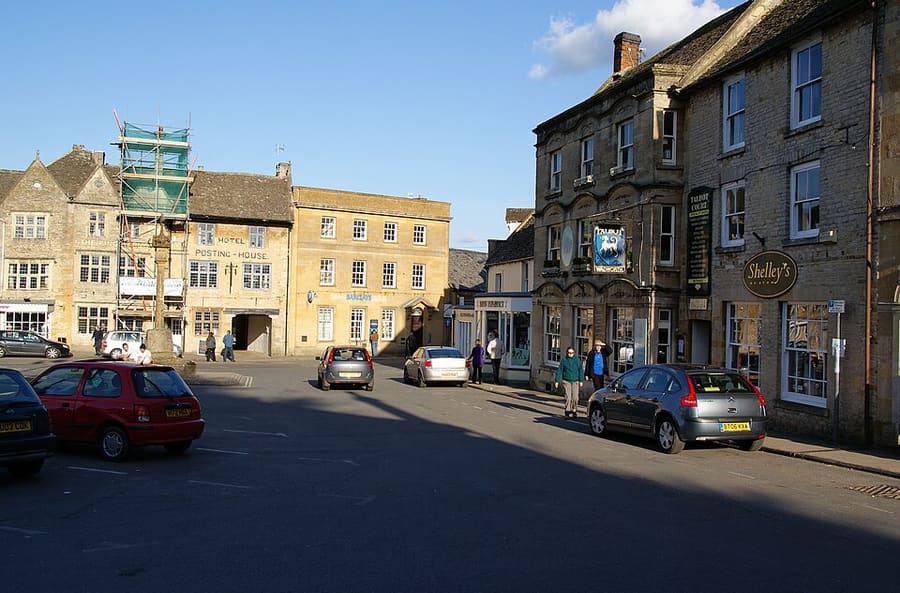
Buses connect some places from the stations. The Cotswolds tourism partnership gives the Pulhams 801 from Moreton-in-Marsh to Bourton-on-the-Water, Stow-on-the-Wold and Chipping Norton, running hourly Monday to Saturday and every two hours on Sundays. Stagecoach 1 and 2 serve Chipping Campden, the S2 runs from Oxford to Burford and the 882 from Kemble to Cirencester.

Bookable bus

In parts of Gloucestershire, The Robin is a bus you book in advance through Gloucestershire County Council, for journeys the timetabled buses do not cover. Check its page for the areas it serves.

By car

A car is the easiest way to link several villages, but the best-known villages have limited parking. Cotswold District Council car parks take only PayByPhone or contactless card payment, not cash.

By coach

The Cotswolds tourism partnership lists National Express coaches from London Victoria Coach Station as an option. Check the operator for destinations and times.

Journey times and bus details on these pages come from the operators and the Cotswolds tourism partnership. We do not publish timetables or fares. For Oxford and Bath, see our Day trips guides at /day-trips/.

Walk between sights

Each place in this guide is small enough to explore on foot. National Trails says the 102-mile Cotswold Way runs from Chipping Campden to Bath, so sections of it make good short walks.

Cotswold Way →

Buses and bookable buses

Buses link the larger places but not every village. Check Traveline before you go, and see The Robin for journeys the timetabled buses miss.

Traveline →

Bring a bike by train

GWR says cycles can be carried on its trains free of charge, and Moreton-in-Marsh station has cycle storage. Check the operator's current policy.

GWR: Moreton-in-Marsh station →

Paying for local transport in the Cotswolds

Rural buses, rail and a combined rail-and-bus ticket

  • Cotswolds Tourism says a combined rail-and-bus ticket covers trips to Bourton-on-the-Water, Stow-on-the-Wold and Chipping Norton, that the main coach route from London is National Express from Victoria Coach Station, and that the main bus stations in Gloucestershire and the Cotswolds are at Cheltenham, Gloucester and Stroud.Source: Cotswolds Tourism (opens in new tab), checked 1 Nov 2026.

Best time to go

The Cotswolds through the year

The Cotswolds can be visited all year. The best-known villages draw day visitors, so timing matters more than season.

SpringMarch to May

A good time for walks on the Cotswold Way and for hill viewpoints such as Dover's Hill and Broadway Tower.

SummerJune to August

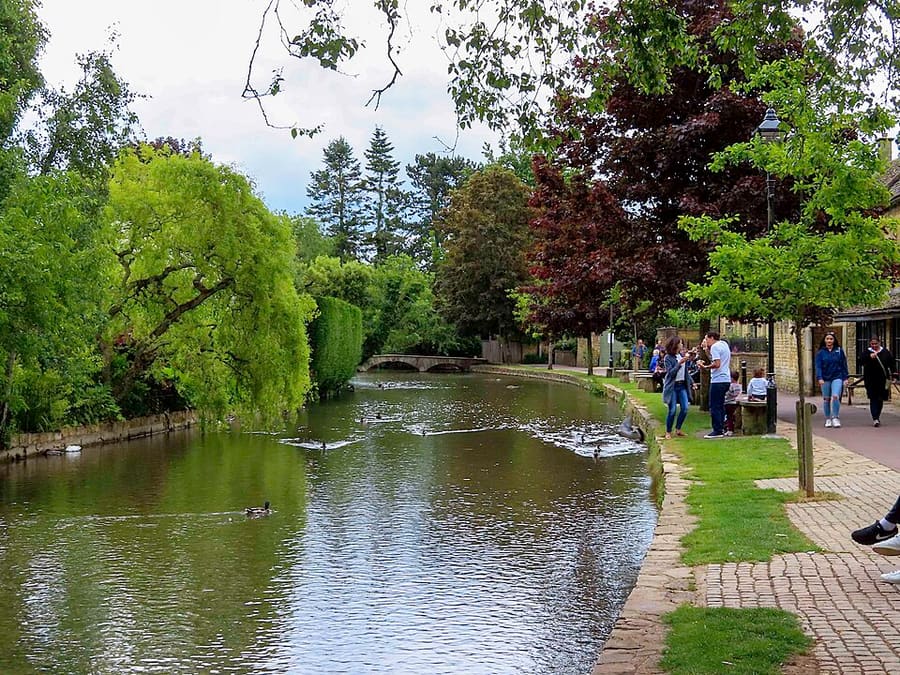
The longest days. Expect Bourton-on-the-Water and other well-known villages to be busy; Cotswold District Council charges a levy in Bourton's main car park to manage visitor numbers.

AutumnSeptember to November

Cooler walking weather. Some attractions change their opening hours, so check each website before you set out.

WinterDecember to February

Short days and some seasonal closures. Inns and museums are the best bets, but confirm opening times first.

Day trips

Beyond the city

Ideas for a day away from the Cotswolds. Check the operators for times and tickets.

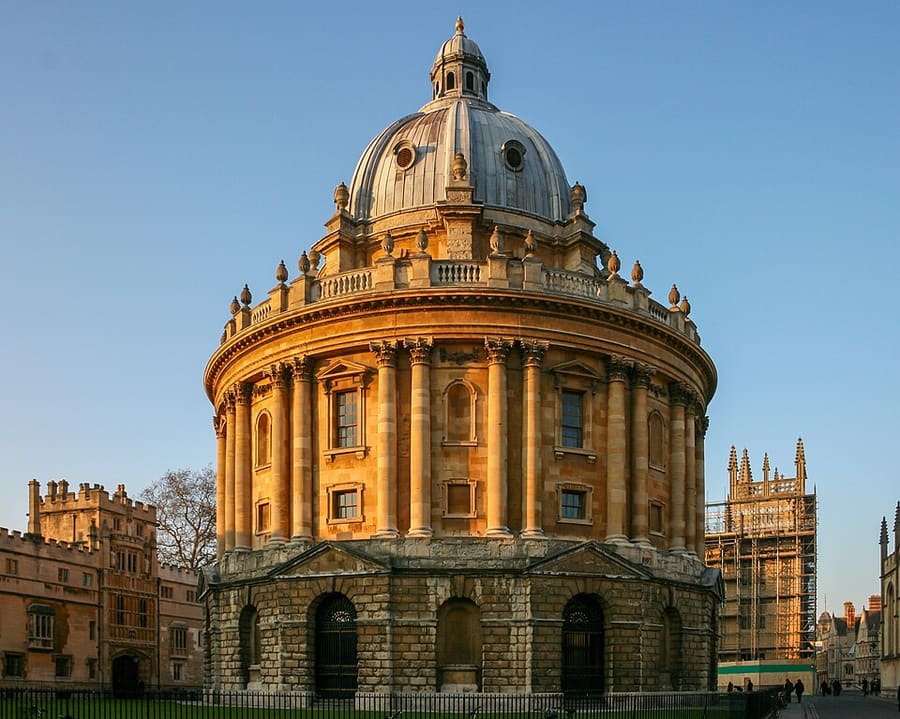
The domed Radcliffe Camera in Oxford
Oxfordshire

Oxford

The university city is the usual rail connection for Burford. Britlens has an Oxford day-trip guide in its Day trips section.

experienceoxfordshire.org →
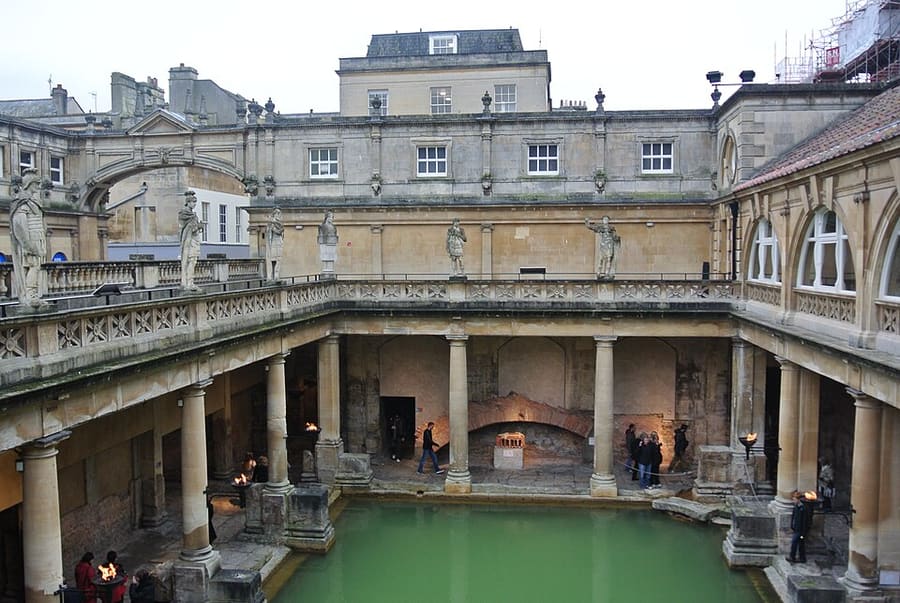
The Great Bath at the Roman Baths in Bath
Somerset

Bath

The Cotswold Way finishes in Bath, a Roman and Georgian city. Britlens has a Bath day-trip guide in its Day trips section.

romanbaths.co.uk →
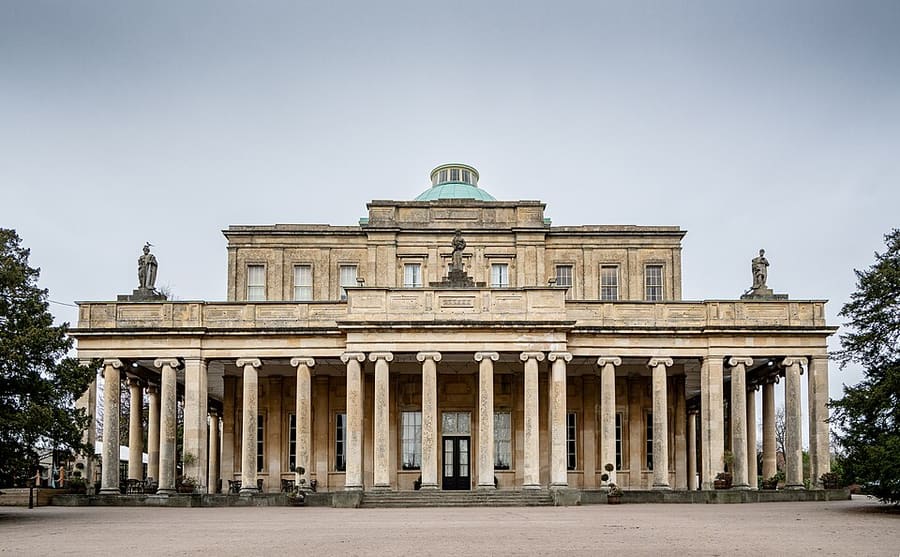
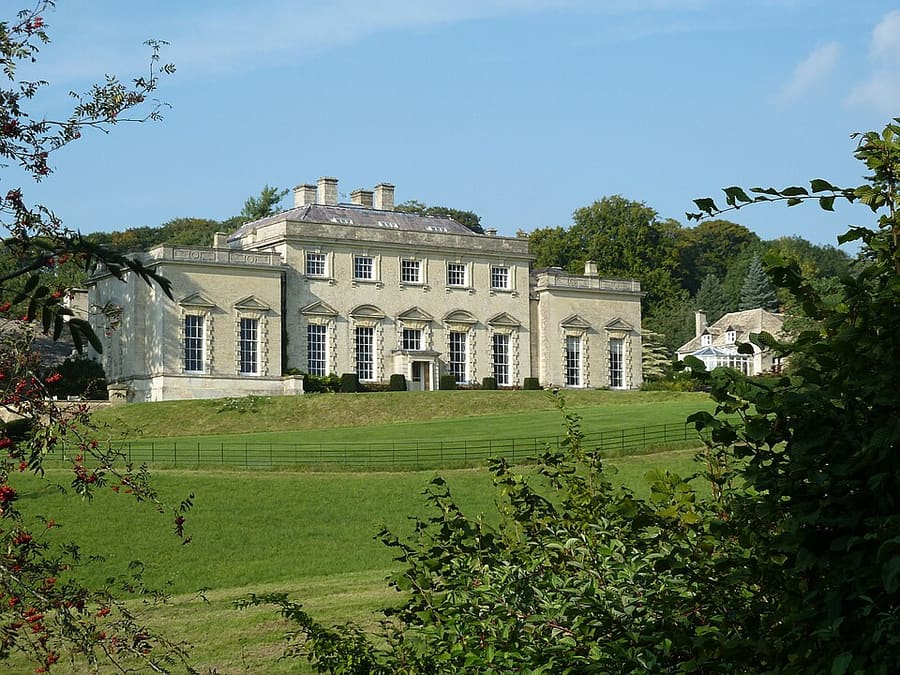
Painswick House seen across lawns from the Rococo Garden
Gloucestershire

Painswick Rococo Garden

An 18th-century rococo pleasure garden designed in the 1740s, with follies and views over the countryside.

rococogarden.org.uk →

FAQ

Good to know before you go

Do I need a car in the Cotswolds?

Not for every trip. Trains reach Moreton-in-Marsh and Kemble, and buses link some places from there. Services are limited, though, and The Robin bookable bus covers some journeys the timetabled buses miss. A car gives more freedom, but plan where to park.

Which station is best for each place?

The Cotswolds tourism partnership suggests Moreton-in-Marsh for Bourton-on-the-Water, Stow-on-the-Wold and Chipping Campden, Kemble for Cirencester, and Oxford for Burford. Broadway has no National Rail service; the nearest stations are Evesham, Honeybourne and Moreton-in-Marsh.

How long is the Cotswold Way?

National Trails gives the Cotswold Way as 102 miles (164 km), running from Chipping Campden to Bath. It can be walked in either direction.

Do car parks take cash?

Cotswold District Council says cash is no longer accepted at its car parks. Use the PayByPhone app or a contactless card at the machine. At Bourton-on-the-Water's Rissington Road car park the council adds a 50p tourism charge to each stay. West Oxfordshire District Council says parking is free in its car parks, including Burford's.

How many days do I need?

Two to four days lets you see several places without rushing. Choose one or two bases, and check bus times before you plan day-to-day moves.

Can I visit Oxford or Bath on the same trip?

Yes. Oxford is the usual rail connection for Burford, and the Cotswold Way ends in Bath. Both have guides in our Day trips section, at /day-trips/.

Is the Cotswolds a protected landscape?

Yes. The Cotswolds became an Area of Outstanding Natural Beauty in 1966 and is now branded a National Landscape. It covers about 2,038 square kilometres, mainly in Gloucestershire and Oxfordshire.

Nearby places

Guides near the Cotswolds

Our closest other guides, by straight-line distance between centres. Road and rail distances are longer: check a journey planner.

More in England · Places A to Z · Getting between regions

Photo credits

Photos from Wikimedia Commons, used under the licences shown. All photo credits