 English (UK)
 English (US)
 Français
 Deutsch
 Español
 Italiano
 Nederlands
 简体中文
Church
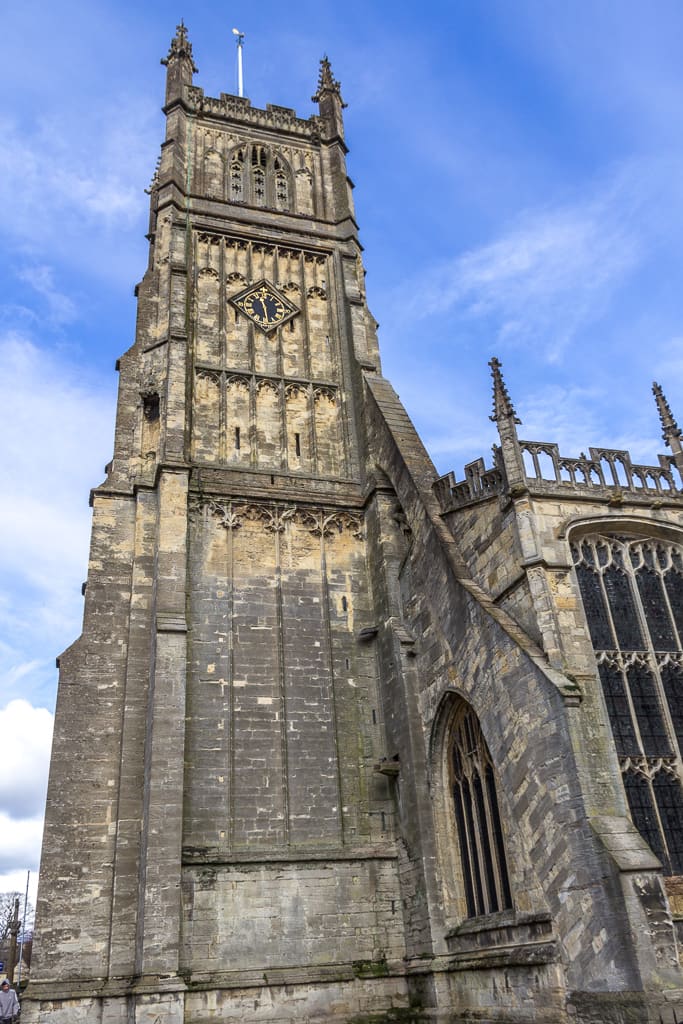
Church of St John the Baptist
Grade I listed church with a Perpendicular porch and fan vaults, paid for by wool merchants.
Directions Report a problem with Church of St John the Baptist
A mini guide to
A Roman town turned wool town, with a museum, a landmark church and an amphitheatre
 1 / 3
Welcome to the area
Cirencester was the Roman town of Corinium, the second-largest town in Roman Britain by area. The Corinium Museum holds finds from the town, including one of the country's largest concentrations of Roman mosaics.
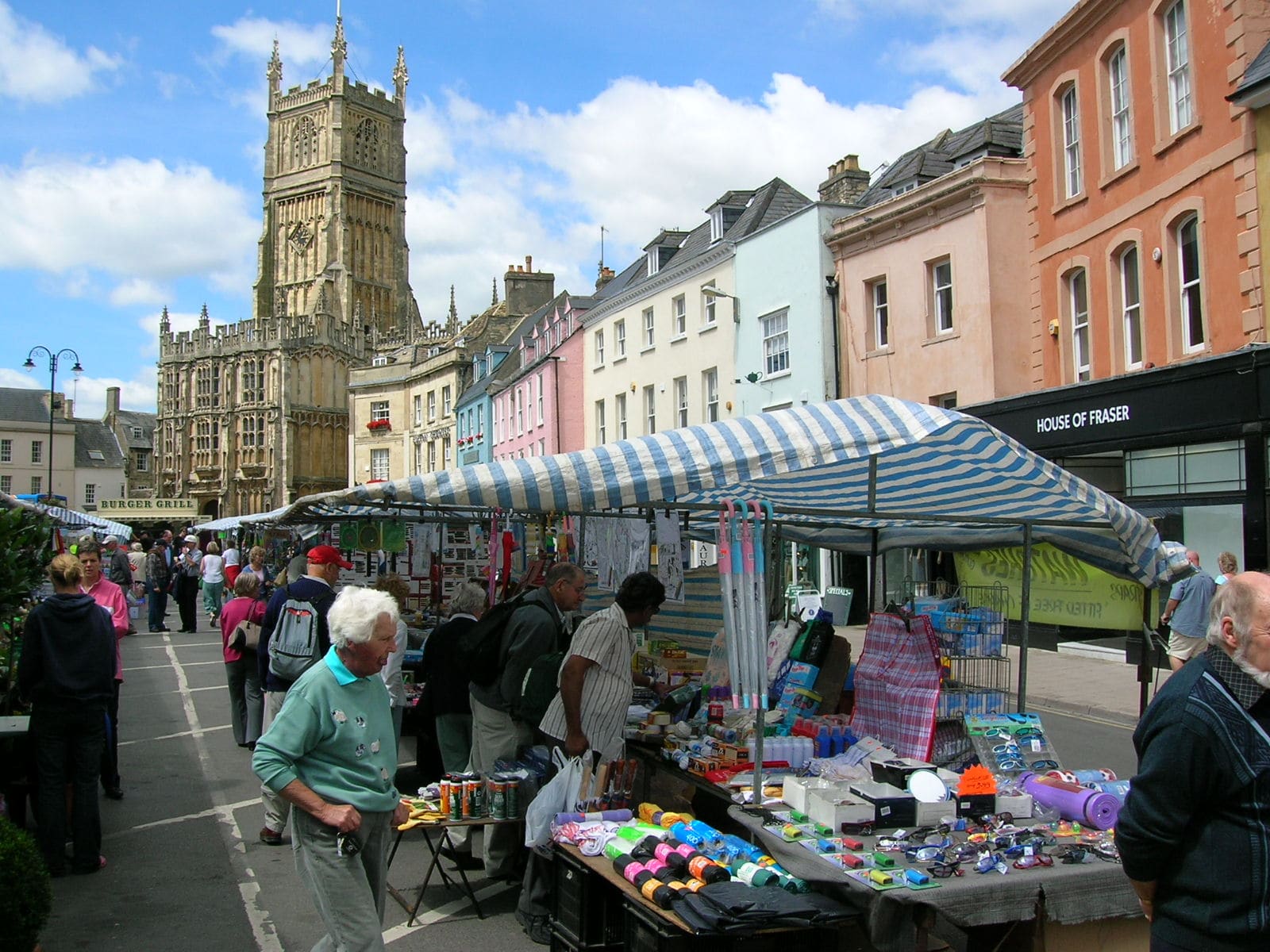
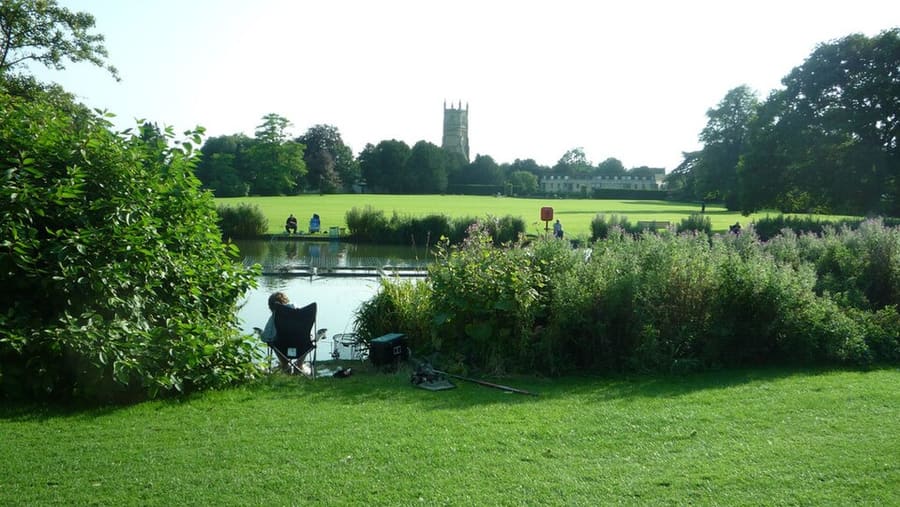
Wool merchants paid for the rebuilt nave of the Church of St John the Baptist, whose porch and fan vaults overlook the Market Place. The Bathurst family's Cirencester Park lies west of town, and the Abbey Grounds keep the Norman Arch.
Highlights
If you only have a few hours, these are good places to begin.
Grade I listed church with a Perpendicular porch and fan vaults, paid for by wool merchants.
Directions Report a problem with Church of St John the Baptist
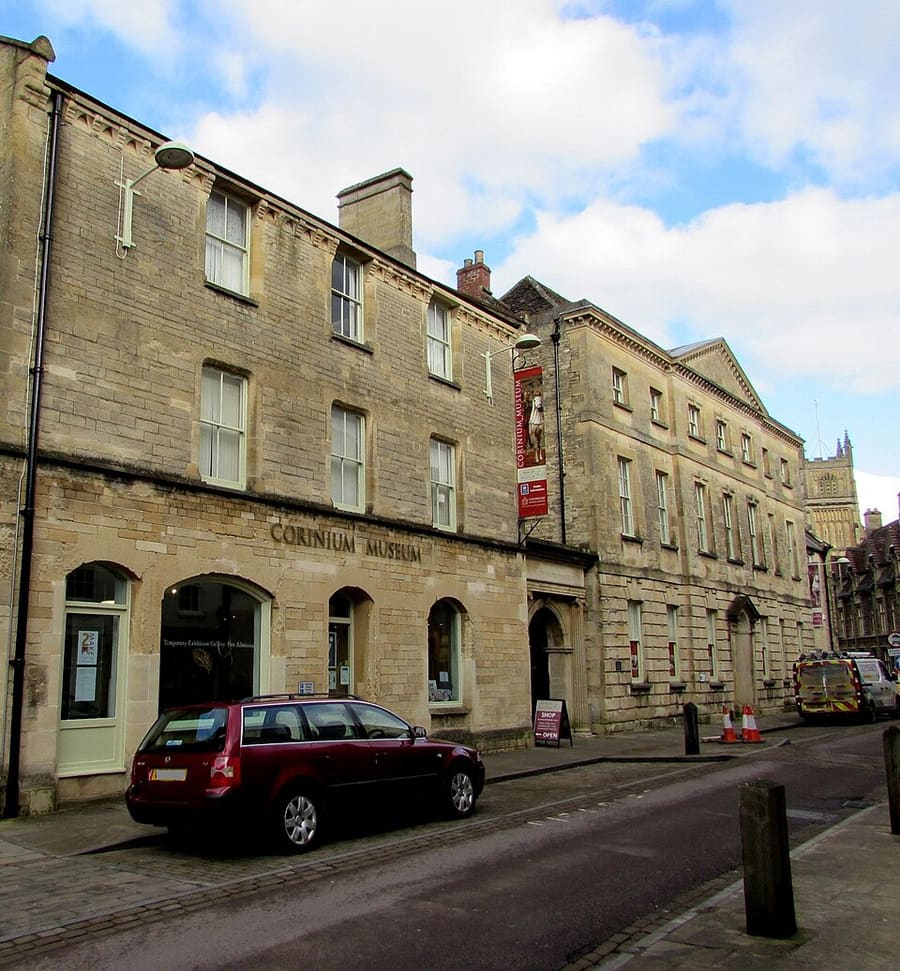
Museum of Roman Corinium and Cotswold history, with over 90 mosaics known from the town and area.
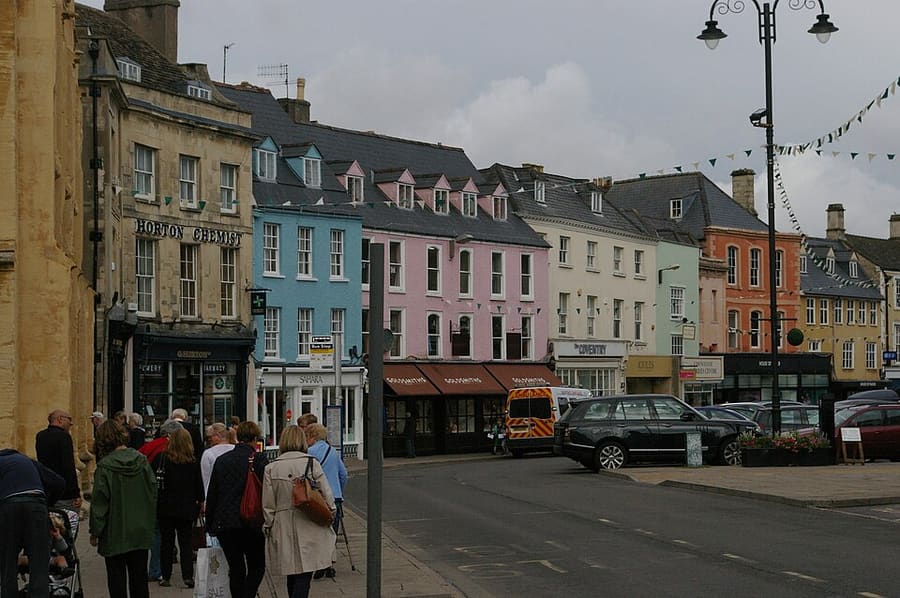
Central square beside the parish church, with the Corn Hall, the Kings Head and the Fleece around it.
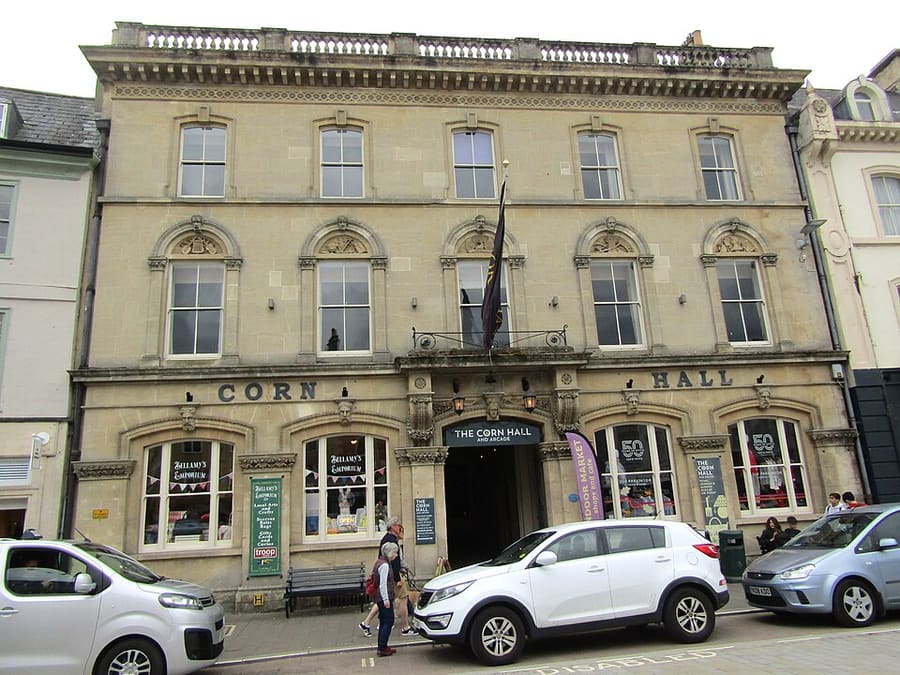
Corn exchange designed by Medland, Maberly and Medland and completed in 1863.
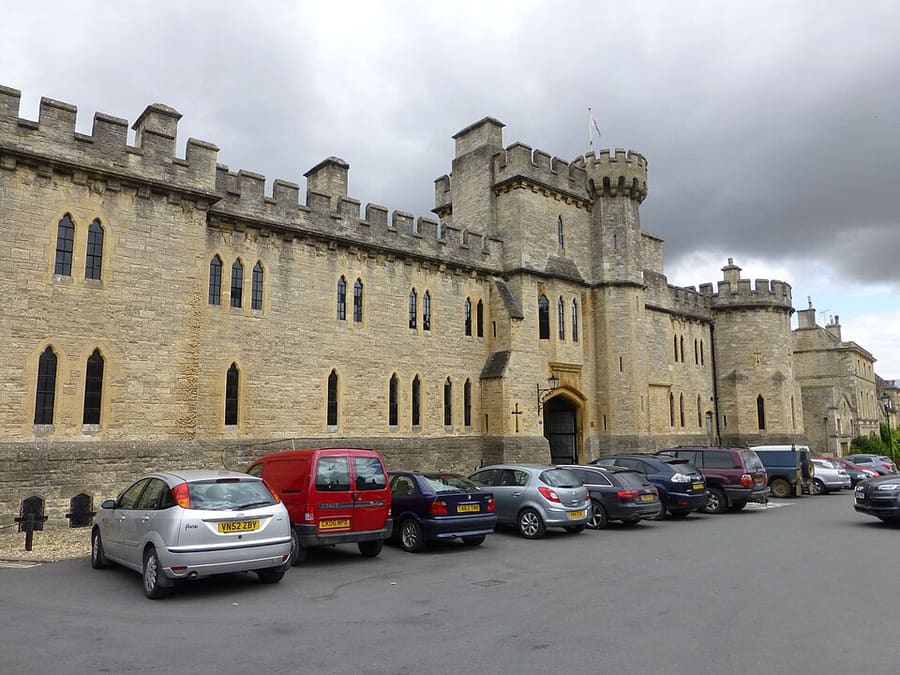
Castellated barracks building on Cecily Hill, close to the Cecily Hill gate of Cirencester Park.
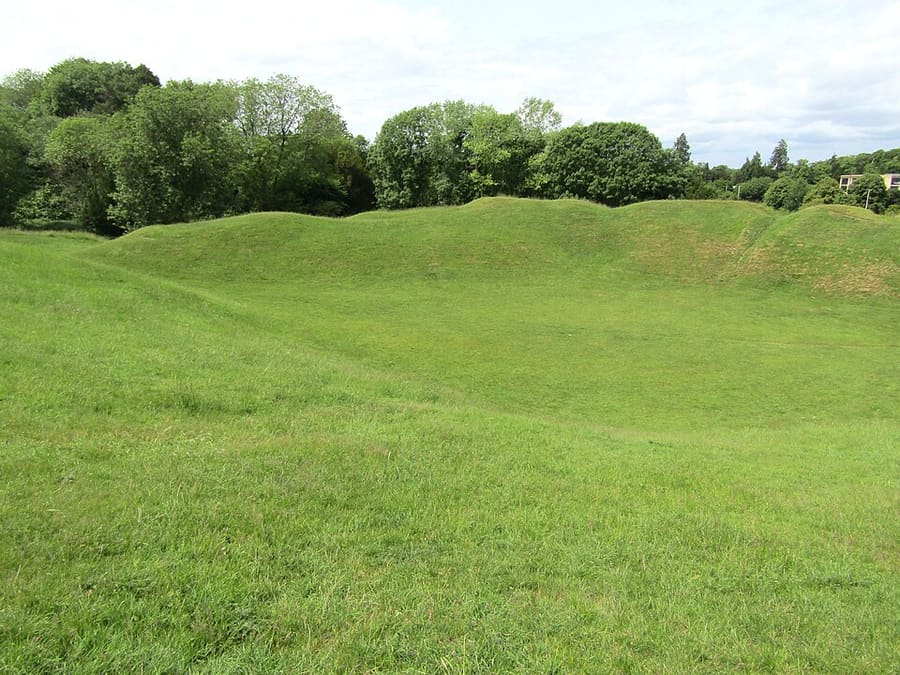
Early 2nd-century earthwork that could seat about 8,000 spectators; free entry in daylight hours.
Directions Website Report a problem with Cirencester Roman Amphitheatre
Find your way
The map shows Cirencester and the streets around it. The Getting there page lists nearby stops and stations.
Insider tips
Cotswold District Council lists car parks in Cirencester and takes only PayByPhone or contactless card payment, not cash.
English Heritage says entry to the Roman Amphitheatre is free and it is open daily in daylight hours, with dogs on leads welcome.
The Corinium Museum and the parish church are both close to the Market Place, so they link easily on foot.
Cirencester has no station of its own. The Cotswolds tourism partnership suggests Kemble, then the 882 bus.
Tips from the Britlens editors
The Cotswolds
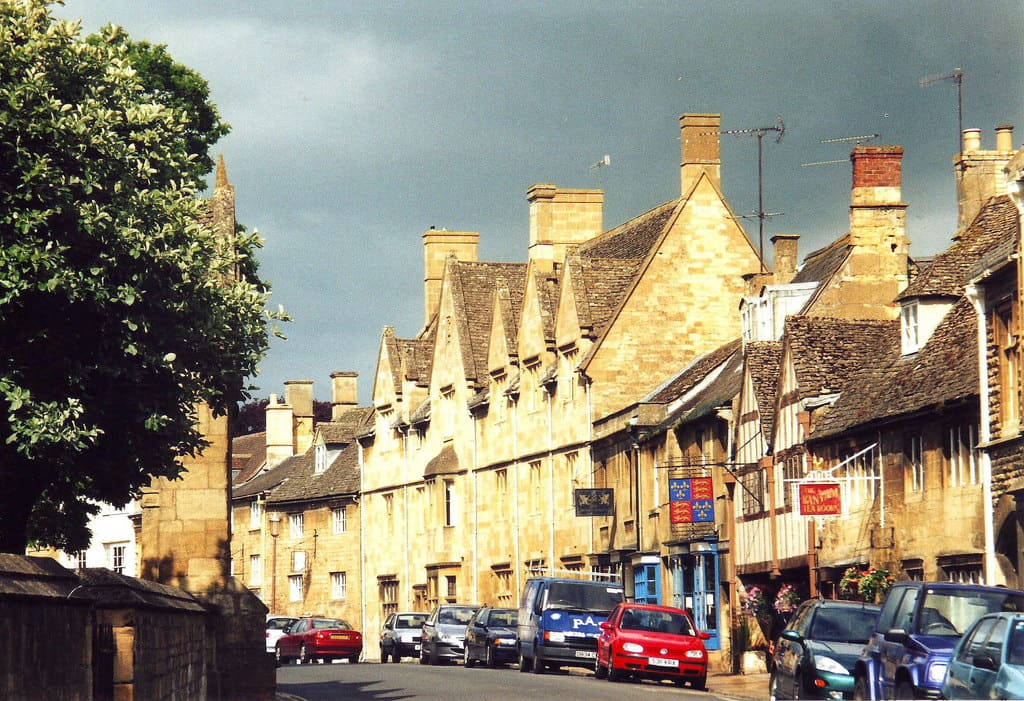
A wool town of stone terraces, a 1627 market hall and the start of the Cotswold Way
Open the mini guide →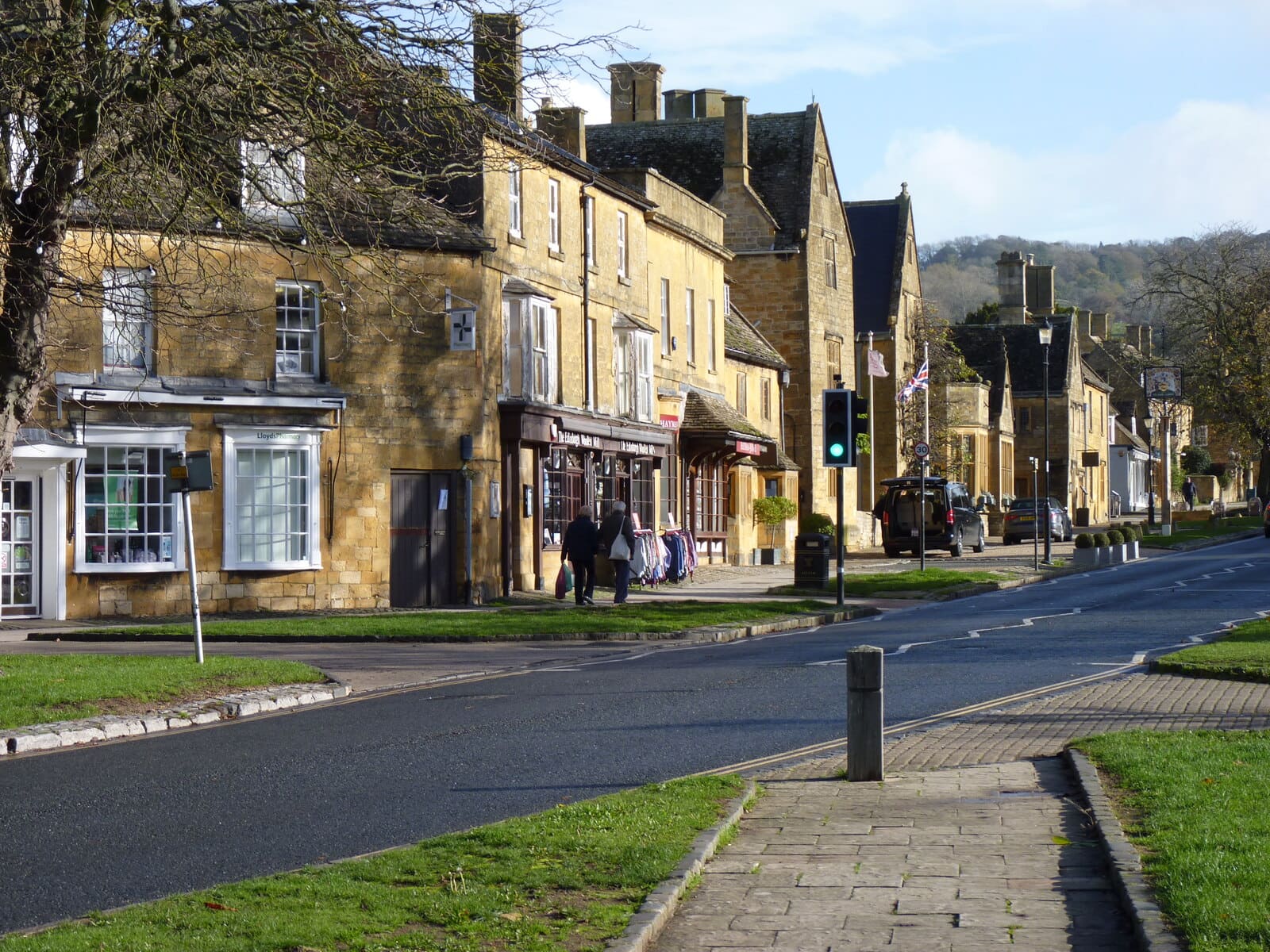
A wide High Street of stone houses below Broadway Tower
Open the mini guide →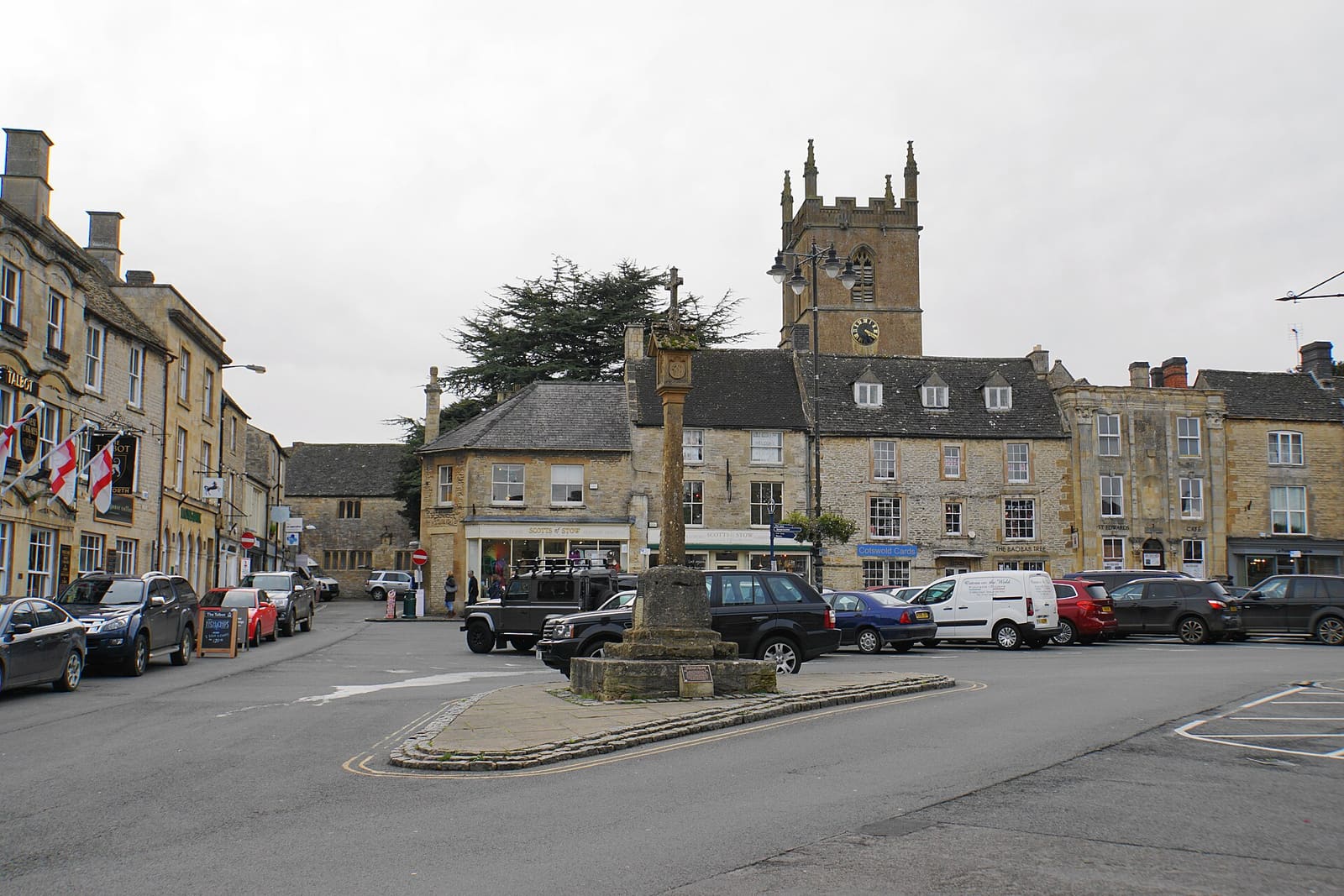
A hilltop market town around a large square where the Royalists surrendered in 1646
Open the mini guide →Photos from Wikimedia Commons, used under the licences shown. All photo credits
Keep exploring the Cotswolds