 English (UK)
 English (US)
 Français
 Deutsch
 Español
 Italiano
 Nederlands
 简体中文
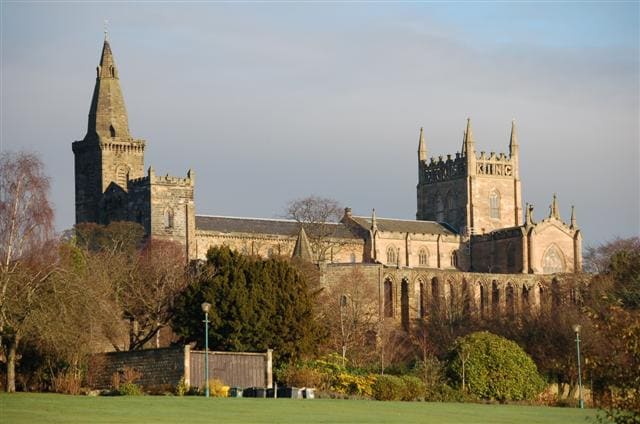
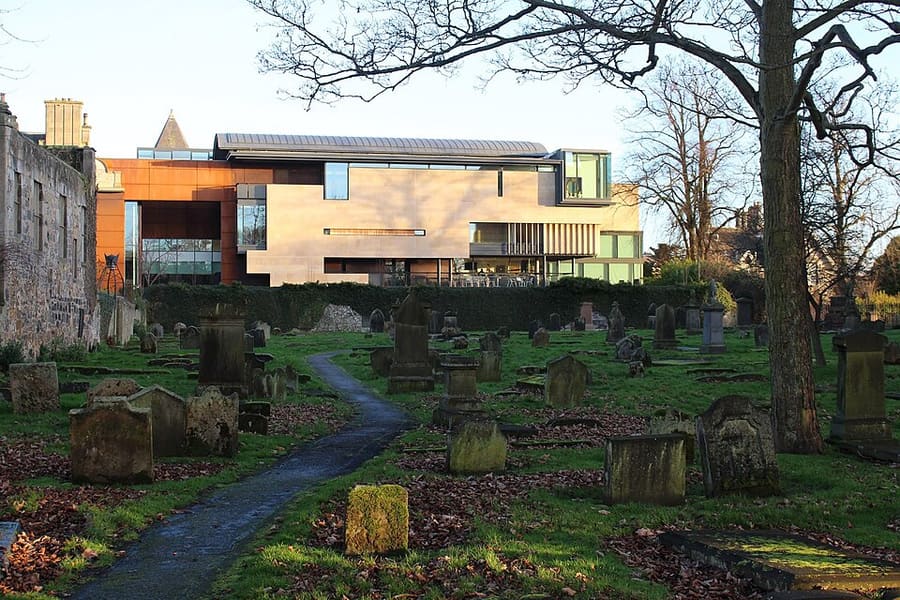
Église abbatiale
Dunfermline Abbey
Church of Scotland parish church on the site of a great Benedictine abbey, where Robert the Bruce is buried.
Un mini-guide de
Royal abbey and palace, Carnegie's birthplace, Culross and the Forth Bridge
 1 / 10
Bienvenue dans le quartier
Dunfermline was the main seat of Scottish kings between the 11th and 15th centuries. Queen Margaret founded a priory here and David I made it an abbey; Robert the Bruce is buried in the abbey church. The town became a city in 2022.
Andrew Carnegie was born in a weaver's cottage here and later gave Pittencrieff Park and the world's first Carnegie library to the town. This area also covers the Forth shore: North Queensferry under the Forth Bridge, Aberdour and its castle, and the 16th-century burgh of Culross.
Points forts
Si vous n'avez que quelques heures, voici de bons endroits pour commencer.
Church of Scotland parish church on the site of a great Benedictine abbey, where Robert the Bruce is buried.
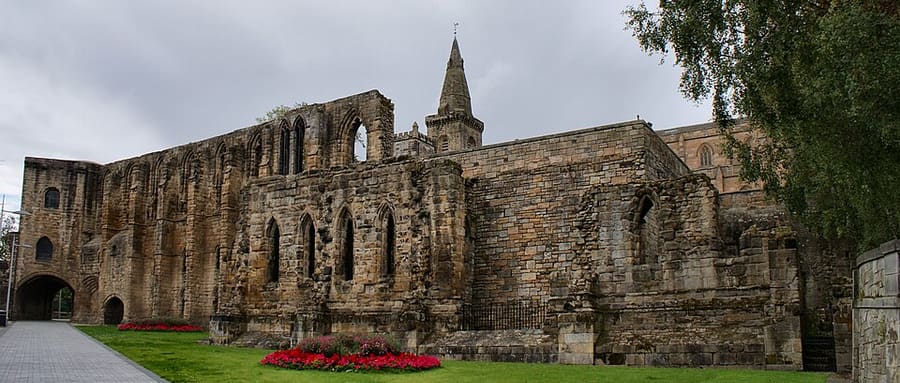
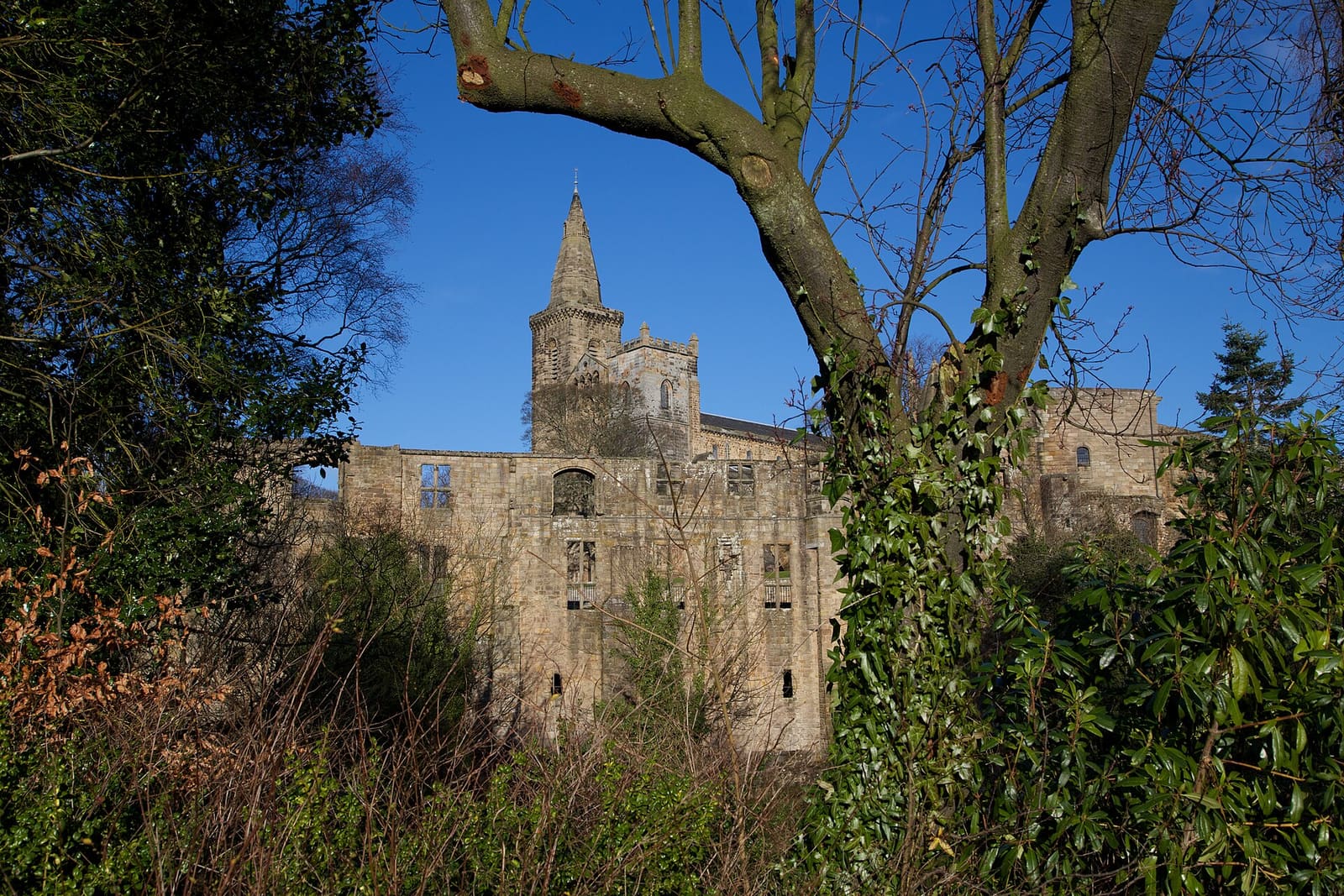
Ruined royal palace beside the abbey, cared for with the abbey ruins by Historic Environment Scotland.
Itinéraire Site web Report a problem with Dunfermline Palace
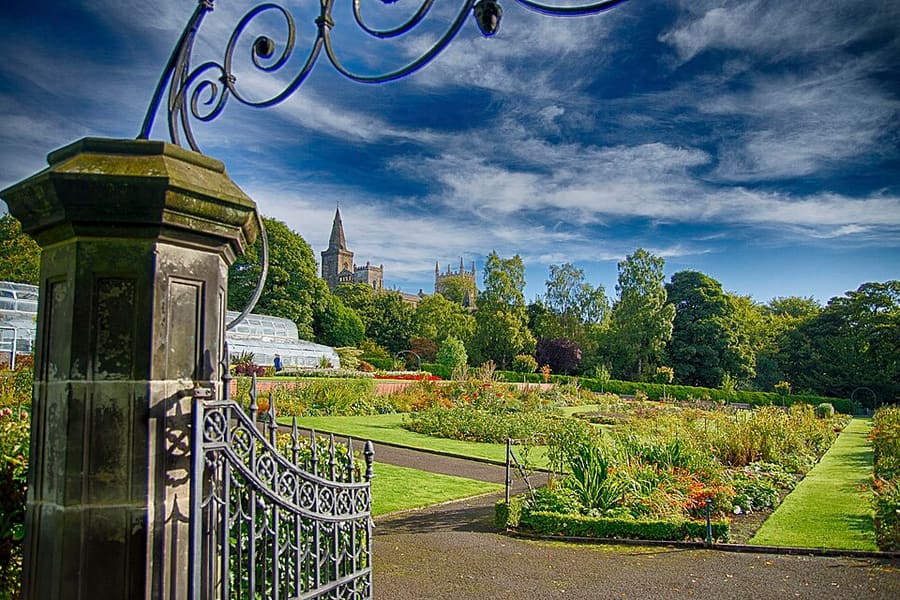
Park and wooded glen bought by Andrew Carnegie in 1902 and given to the people of Dunfermline the following year.
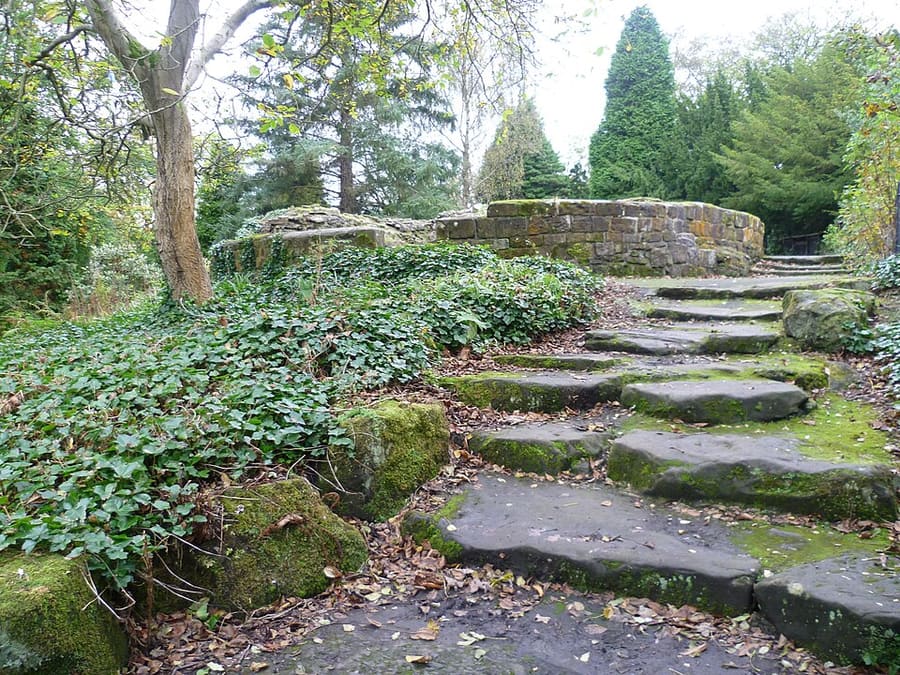
Foundations of a rubble-built tower inside Pittencrieff Park, linked by name to Malcolm III; a scheduled monument.
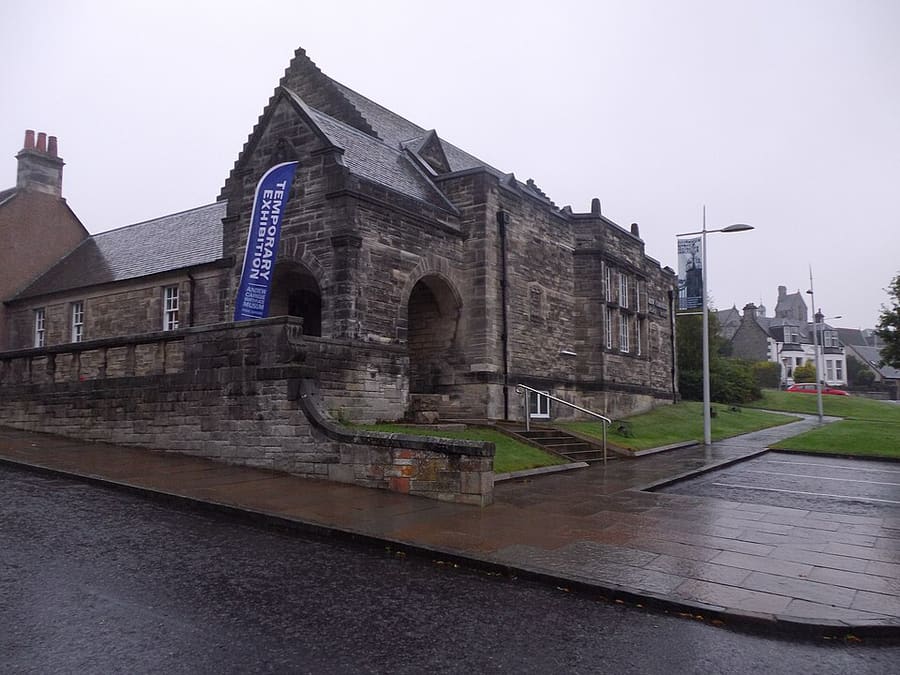
The 18th-century weaver's cottage where Andrew Carnegie was born, with a memorial hall added in 1928.
Itinéraire Site web Report a problem with Andrew Carnegie Birthplace Museum
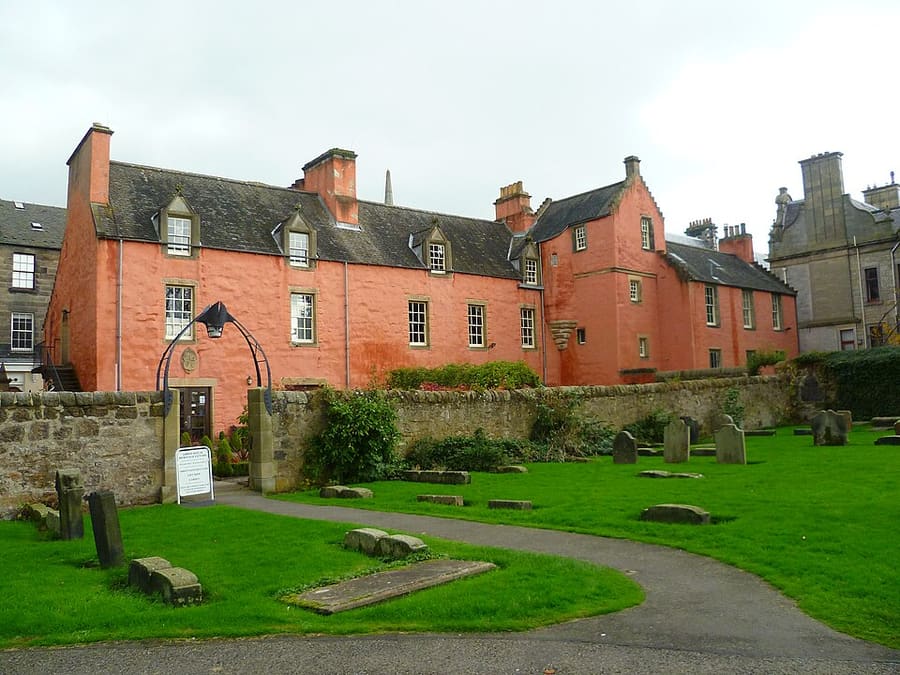
Oldest secular building in Dunfermline, beside the abbey, now run by a charity with a walled garden, coffee shop and gift shop.
S'orienter
The map shows Dunfermline and the Forth and the streets around it. The Getting there page lists nearby stops and stations.
Bons plans d'initiés
Pittencrieff Park, known locally as the Glen, has woodland walks, gardens and resident peacocks, according to VisitScotland.
The abbey church and the ruined palace stand side by side; Historic Environment Scotland looks after the palace and the abbey ruins.
The shore at North Queensferry looks up at the Forth Bridge, opened in 1890 and a World Heritage Site, with the two road bridges beyond.
Culross Palace, the Mercat Cross and the abbey are on a steep hillside; wear good shoes on the cobbles.
Les conseils de la rédaction d'Britlens
St Andrews and Fife
Photos from Wikimedia Commons, used under the licences shown. All photo credits
Keep exploring St Andrews and Fife