 English (UK)
 English (US)
 Français
 Deutsch
 Español
 Italiano
 Nederlands
 简体中文

Tutte le destinazioni sono elencate anche qui sotto, quindi la pagina funziona senza JavaScript.
Inghilterra
-
Londra
Ideale senza auto
Londra: ideale da visitare senza auto.
Zona di guida da controllare.
-
Bath
Ideale senza auto
Si può visitare Bath senza auto: ha una propria stazione ferroviaria e le attrazioni del centro sono vicine tra loro.
Zona di guida da controllare.
-
Birmingham
Not yet assessed
We have not yet assessed getting around Birmingham.
-
Blackpool and the Lancashire coast
Not yet assessed
We have not yet assessed getting around Blackpool and the Lancashire coast.
-
Brighton & Hove
Not yet assessed
We have not yet assessed getting around Brighton & Hove.
-
Bristol
Ideale senza auto
Il centro di Bristol è compatto e ha collegamenti in treno, autobus, battello e Park & Ride.
Zona di guida da controllare.
-
Cambridge
Ideale senza auto
Cambridge è facile da visitare senza auto: i college e i musei si trovano in un centro compatto e la stazione ferroviaria ha collegamenti diretti.
-
Canterbury & Kent
Not yet assessed
We have not yet assessed getting around Canterbury & Kent.
-
Cornovaglia
Misto: dipende da dove si va
La linea principale, le linee secondarie e i traghetti della Cornovaglia rendono possibile un viaggio senza auto tra le località maggiori, ma il trasporto pubblico si dirada lontano da esse.
-
Coventry
Not yet assessed
We have not yet assessed getting around Coventry.
-
Devon
Not yet assessed
We have not yet assessed getting around Devon.
-
Gloucester
Not yet assessed
We have not yet assessed getting around Gloucester.
-
Hereford
Not yet assessed
We have not yet assessed getting around Hereford.
-
Ironbridge Gorge
Not yet assessed
We have not yet assessed getting around Ironbridge Gorge.
-
Isles of Scilly
Not yet assessed
We have not yet assessed getting around Isles of Scilly.
-
Leeds
Not yet assessed
We have not yet assessed getting around Leeds.
-
Leicester
Not yet assessed
We have not yet assessed getting around Leicester.
-
Lincoln
Not yet assessed
We have not yet assessed getting around Lincoln.
-
Lindisfarne (Holy Island)
Not yet assessed
We have not yet assessed getting around Lindisfarne (Holy Island).
-
Liverpool
Ideale senza auto
Liverpool è semplice senza auto: Merseyrail, autobus, il traghetto e un centro percorribile a piedi coprono le principali attrazioni.
-
Lundy
Not yet assessed
We have not yet assessed getting around Lundy.
-
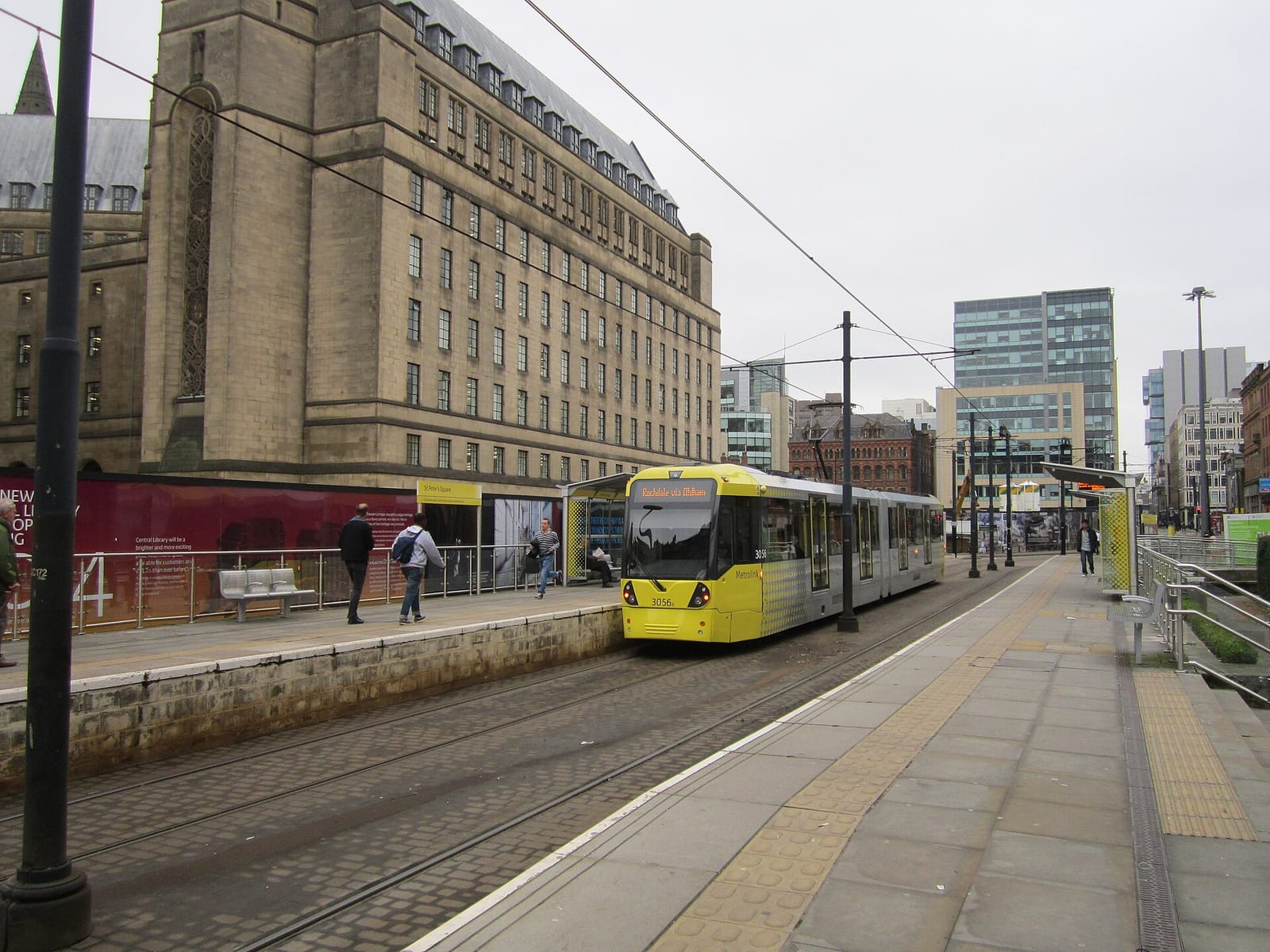
Manchester
Ideale senza auto
Manchester è semplice anche senza auto: tram, autobus e treni raggiungono il centro, l’aeroporto e i quartieri principali.
-
Newcastle and Gateshead
Not yet assessed
We have not yet assessed getting around Newcastle and Gateshead.
-
Norfolk and the Broads
Not yet assessed
We have not yet assessed getting around Norfolk and the Broads.
-
Nottingham
Not yet assessed
We have not yet assessed getting around Nottingham.
-
Oxford
Ideale senza auto
Il centro di Oxford è compatto e la città ha una stazione ferroviaria e collegamenti in pullman.
Zona di guida da controllare.
-
Portsmouth and Southampton
Not yet assessed
We have not yet assessed getting around Portsmouth and Southampton.
-
Salisbury & Stonehenge
Not yet assessed
We have not yet assessed getting around Salisbury & Stonehenge.
-
Sheffield
Not yet assessed
We have not yet assessed getting around Sheffield.
-
Shrewsbury
Not yet assessed
We have not yet assessed getting around Shrewsbury.
-
Stratford & Warwickshire
Not yet assessed
We have not yet assessed getting around Stratford & Warwickshire.
-
I Cotswolds
Misto: dipende da dove si va
Le città con stazione ferroviaria e le principali linee di autobus si raggiungono facilmente senza auto, ma molti collegamenti tra i villaggi funzionano solo poche volte al giorno o in determinati giorni della settimana.
-
Costa Giurassica
Misto: dipende da dove si va
La costa non ha una ferrovia continua, quindi la maggior parte dei visitatori arriva in treno o in auto e completa il viaggio in autobus, in taxi o a piedi.
-
Distretto dei Laghi
Misto: dipende da dove si va
Le valli principali sono servite da autobus, battelli e treni, e diverse sono ben collegate.
-
The New Forest
Not yet assessed
We have not yet assessed getting around The New Forest.
-
The Peak District
Misto: dipende da dove si va
Alcune località base si raggiungono in treno e si visitano a piedi o lungo un sentiero su ex ferrovia, e un autobus scoperto estivo collega diversi villaggi, ma circola solo in stagione.
-
The South Downs
Not yet assessed
We have not yet assessed getting around The South Downs.
-
Windsor
Not yet assessed
We have not yet assessed getting around Windsor.
-
Worcester
Not yet assessed
We have not yet assessed getting around Worcester.
-
York
Ideale senza auto
Il centro di York è raccolto: secondo Visit York si attraversa a piedi in circa 20 minuti.
-
Yorkshire
Not yet assessed
We have not yet assessed getting around Yorkshire.
Scozia
-
Aberdeen and Aberdeenshire
Not yet assessed
We have not yet assessed getting around Aberdeen and Aberdeenshire.
-
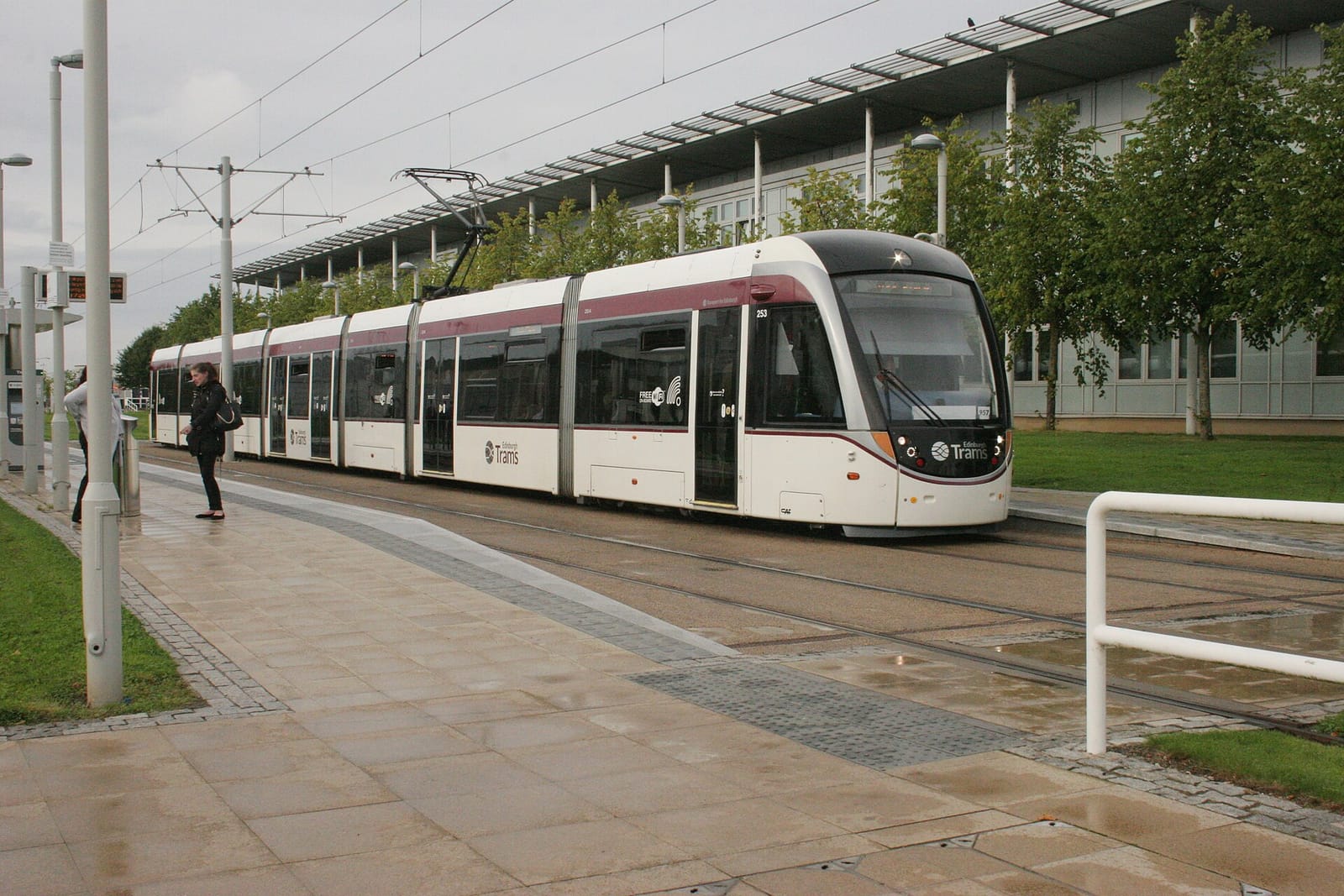
Edimburgo
Ideale senza auto
Edinburgh: ideale da visitare senza auto.
Zona di guida da controllare.
-
Glasgow
Ideale senza auto
Glasgow si visita senza auto: il centro si gira a piedi e la Subway, i treni e gli autobus coprono le principali attrazioni.
Zona di guida da controllare.
-
Islay and Jura
Not yet assessed
We have not yet assessed getting around Islay and Jura.
-
Isle of Arran
Not yet assessed
We have not yet assessed getting around Isle of Arran.
-
Isle of Bute
Not yet assessed
We have not yet assessed getting around Isle of Bute.
-
Mull and Iona
Not yet assessed
We have not yet assessed getting around Mull and Iona.
-
North Coast 500
Not yet assessed
We have not yet assessed getting around North Coast 500.
-
Orkney
Not yet assessed
We have not yet assessed getting around Orkney.
-
Shetland
Not yet assessed
We have not yet assessed getting around Shetland.
-
St Andrews and Fife
Not yet assessed
We have not yet assessed getting around St Andrews and Fife.
-
Stirling and the Trossachs
Not yet assessed
We have not yet assessed getting around Stirling and the Trossachs.
-
The Outer Hebrides
Not yet assessed
We have not yet assessed getting around The Outer Hebrides.
-
Highlands scozzesi
Scarso: conviene pianificare l’auto o percorsi studiati con cura
I trasporti pubblici nelle Highlands sono scarsi.
Galles
-
Anglesey
Not yet assessed
We have not yet assessed getting around Anglesey.
-
Cardiff
Not yet assessed
We have not yet assessed getting around Cardiff.
-
Llangollen and Pontcysyllte
Not yet assessed
We have not yet assessed getting around Llangollen and Pontcysyllte.
-
Galles
Misto: dipende da dove si va
Le città e la costa tra l’una e l’altra sono servite da treni e autobus a lunga percorrenza, ma i parchi nazionali e la costa occidentale sono molto più difficili da raggiungere senza auto.
Irlanda del Nord
-
Irlanda del Nord
Misto: dipende da dove si va
Belfast e Derry sono collegate da autobus e treni, e Translink copre la rete, ma la Causeway Coast, i Mournes e i laghi del Fermanagh si raggiungono più facilmente in auto.
Dove i mezzi pubblici scarseggiano
La nostra lettura delle fonti: le Highlands scozzesi sono la zona più difficile senza auto. Tra le altre destinazioni, i punti deboli comprendono Wasdale nel Lake District, la costa settentrionale della Cornovaglia, il Pembrokeshire in inverno e i villaggi dei Cotswolds. Ogni pagina indica le opzioni documentate.

In auto e tra le regioni
- Guidare in Gran Bretagna: guida a sinistra, patenti, auto a noleggio, limiti di velocità in mph, zone, pedaggi e ricarica dei veicoli elettrici.
- Spostarsi tra le regioni: distanze e tempi di percorrenza in treno più rapidi pubblicati per ogni coppia.
- Pianificatore dei trasporti di Londra e arrivo.
Official sources
Rules, fares and times change. These official pages have the current details (links checked on ).
- National Rail journey planner (opens in a new tab): train times and fares across Britain
- Traveline (opens in a new tab): bus and coach journey planning across Britain
- TfL journey planner (opens in a new tab): routes, step-free options and live times in London
- GOV.UK: driving in Great Britain on a non-GB licence (opens in a new tab): whether your licence is valid here

Domande frequenti
Posso visitare la Gran Bretagna senza noleggiare un'auto?
Spesso sì: le città e molte località hanno treni, autobus e tram. Alcune zone sono difficili senza auto, in particolare le Highlands scozzesi, Wasdale nel Lake District e parti della costa settentrionale della Cornovaglia e del Pembrokeshire. Ogni pagina di destinazione indica dove i trasporti pubblici sono scarsi e propone alternative realistiche.
Queste pagine mostrano orari e tariffe?
No. Mostriamo una tariffa o un tetto solo quando una pagina ufficiale lo indicava al momento della lettura, con la data, e per gli orari rimandiamo al gestore o a Traveline.