 English (UK)
 English (US)
 Français
 Deutsch
 Español
 Italiano
 Nederlands
 简体中文
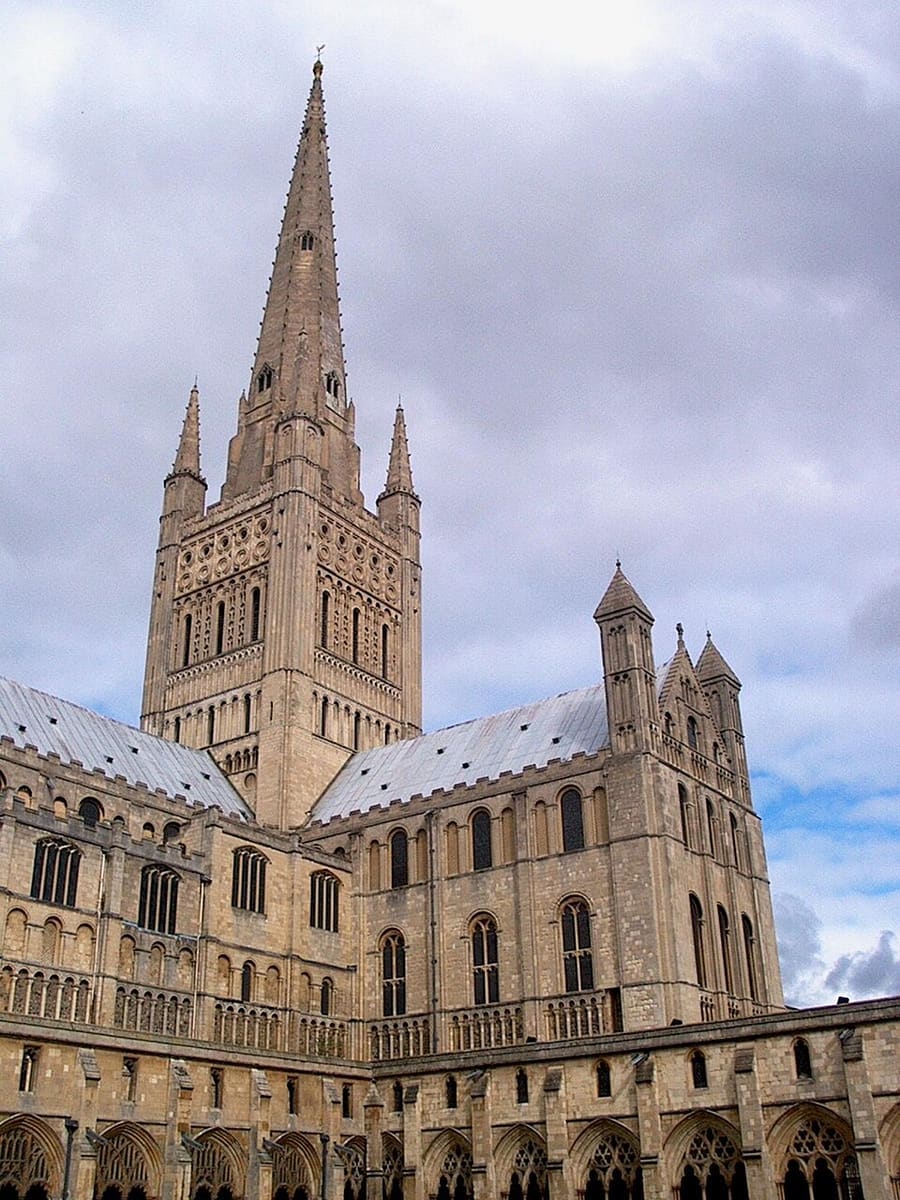
Catedral
Norwich Cathedral
Grade I listed Norman cathedral begun in 1096, the seat of the Bishop of Norwich, with daily Church of England services.
Cómo llegar Sitio web Report a problem with Norwich Cathedral
Una miniguía de
Places worth your time in Norwich
Lugares imprescindibles
Monumentos, museos, parques y miradores en la zona y sus alrededores.
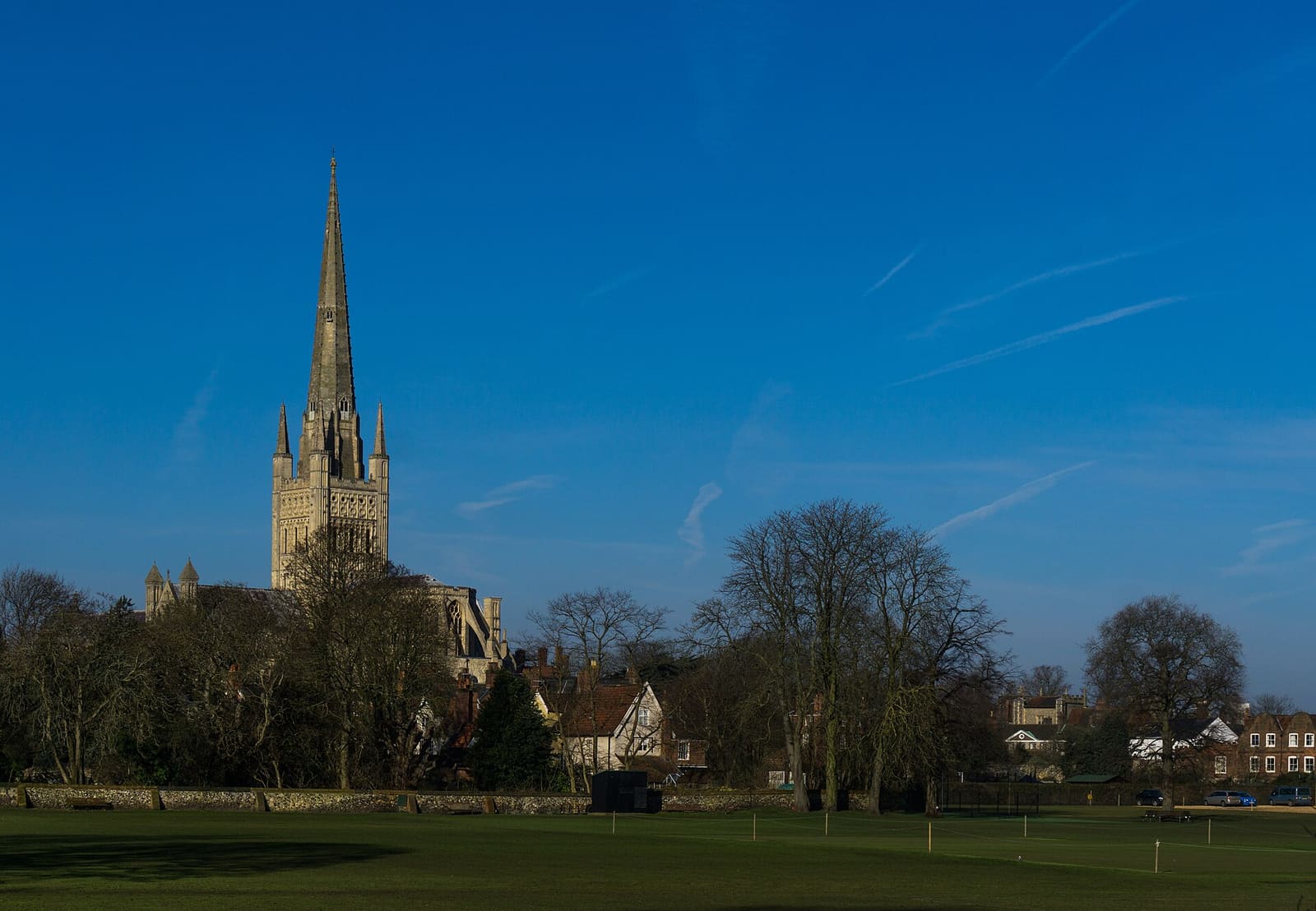
Grade I listed Norman cathedral begun in 1096, the seat of the Bishop of Norwich, with daily Church of England services.
Cómo llegar Sitio web Report a problem with Norwich Cathedral
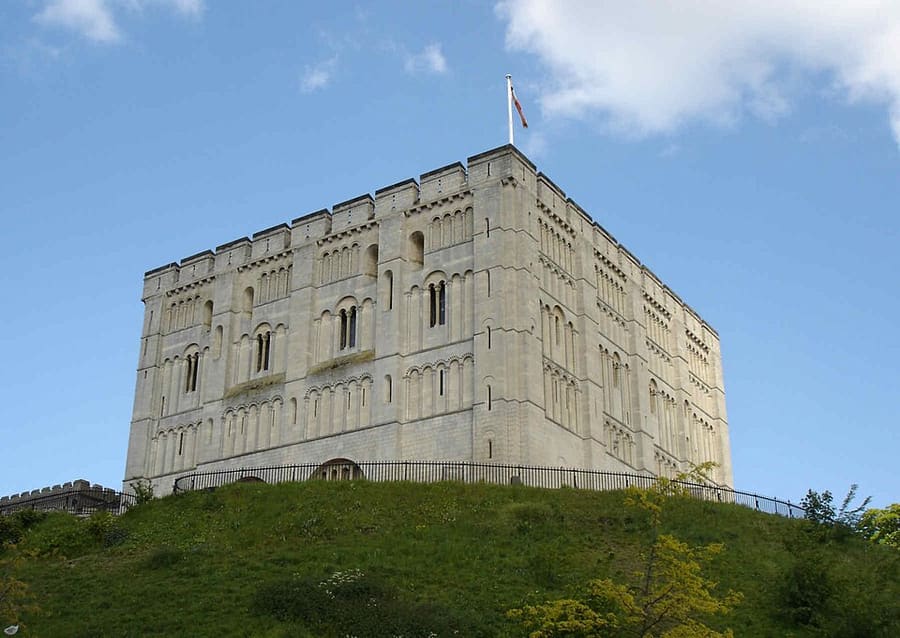
Royal castle ordered by William the Conqueror, used as a gaol until 1887 and home to the city museum and art gallery since 1894.
Roman Catholic cathedral at the west end of the city centre, seat of the Bishop of East Anglia.
Cómo llegar Report a problem with Cathedral of St John the Baptist
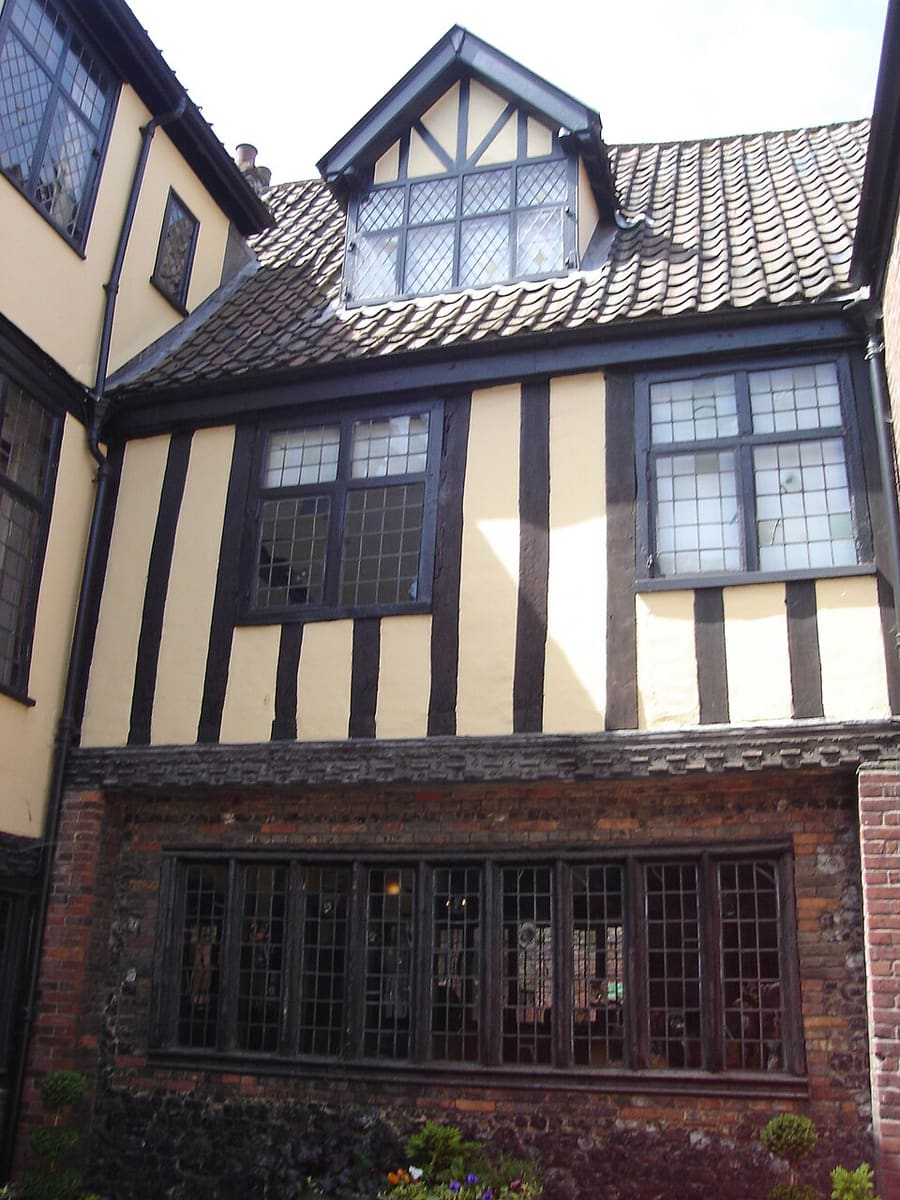
Grade I listed house with a 700-year history, home to several Mayors of Norwich and now a museum of domestic life.
14th-century merchant house, later a prison and a factory, now a museum of the social history of Norwich.
Cómo llegar Report a problem with Museum of Norwich at the Bridewell
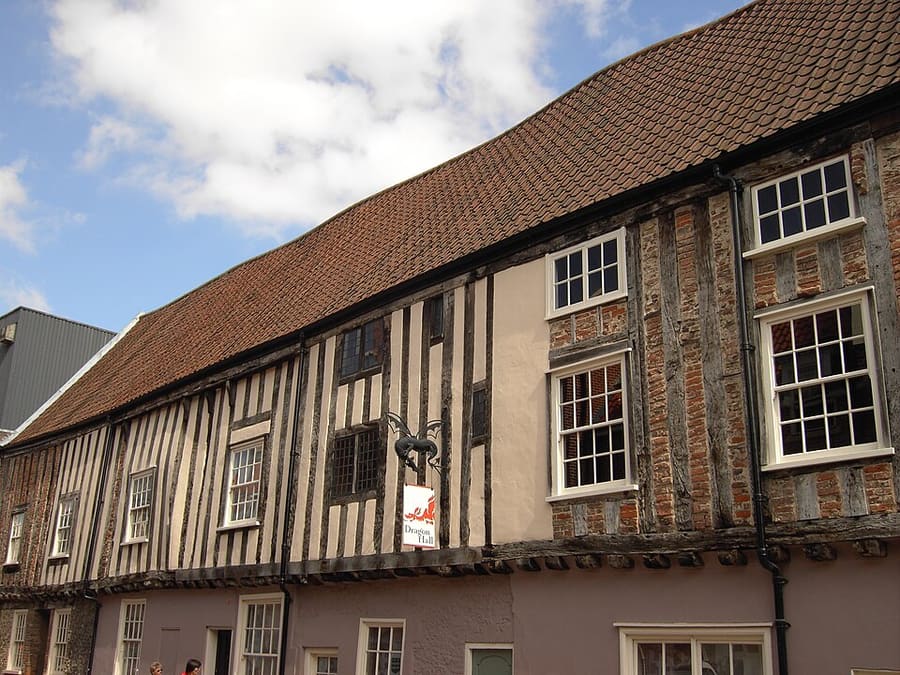
Grade I listed medieval merchant's trading hall on King Street, home to the National Centre for Writing since 2018.
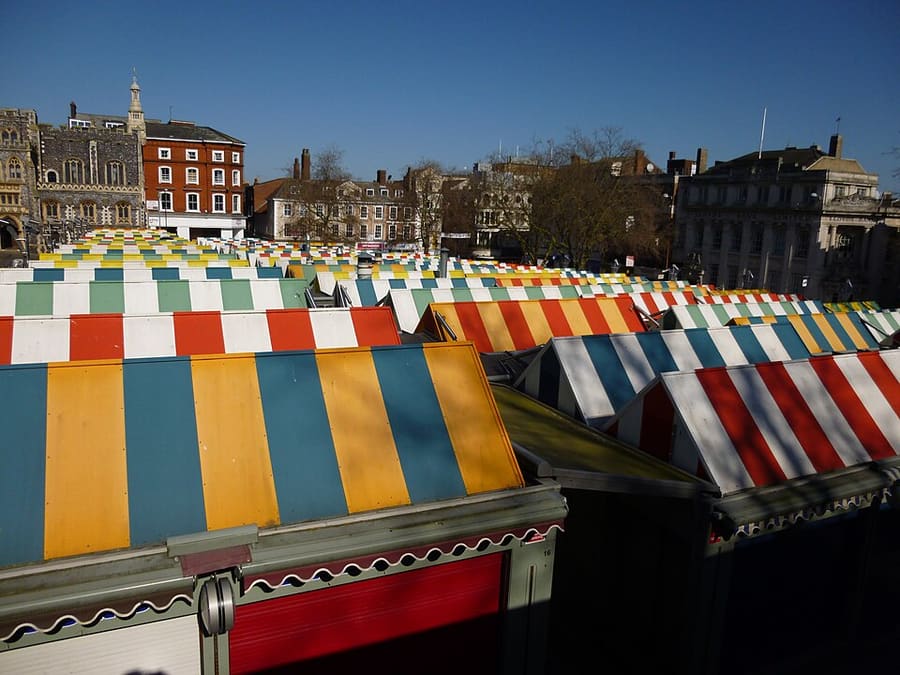
Outdoor market of around 200 stalls, trading on this site for over 900 years since its Norman foundation.
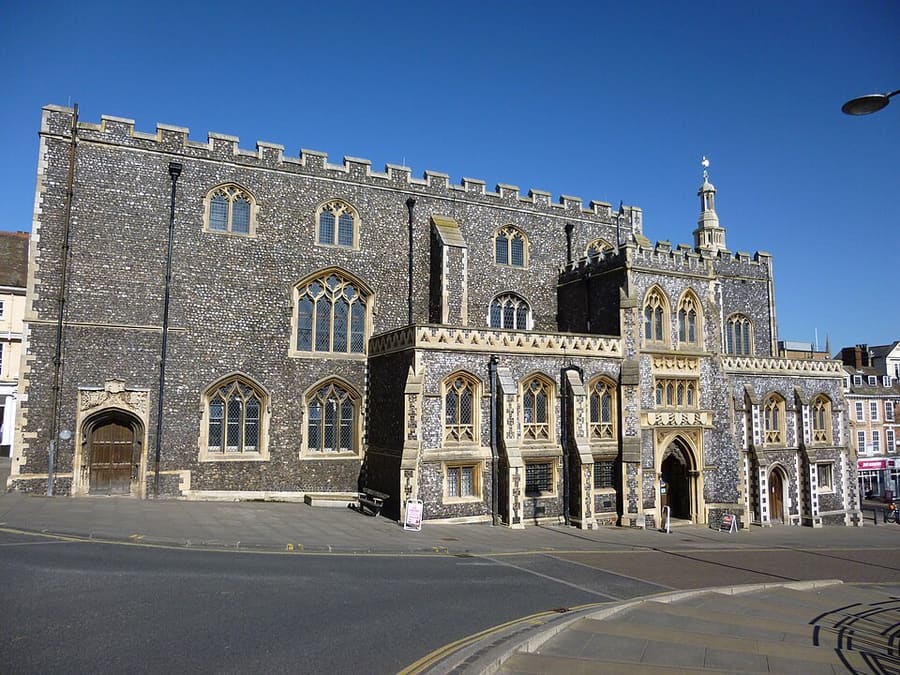
Grade I listed medieval municipal building on Gaol Hill, at the top of the market.
The largest parish church in Norwich, a Grade I listed Perpendicular Gothic building raised above the market.
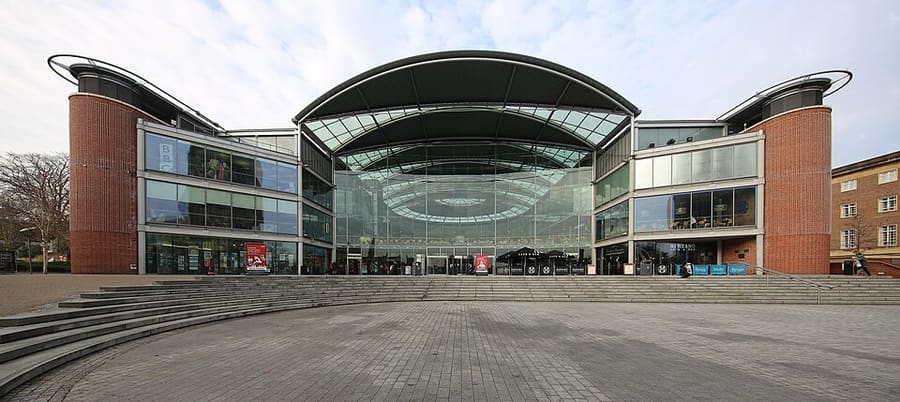
Public building by Hopkins Architects, opened in 2001 on the site of the central library that burned down in 1994.
Art Deco city hall completed in 1938, Grade II* listed, overlooking the market.
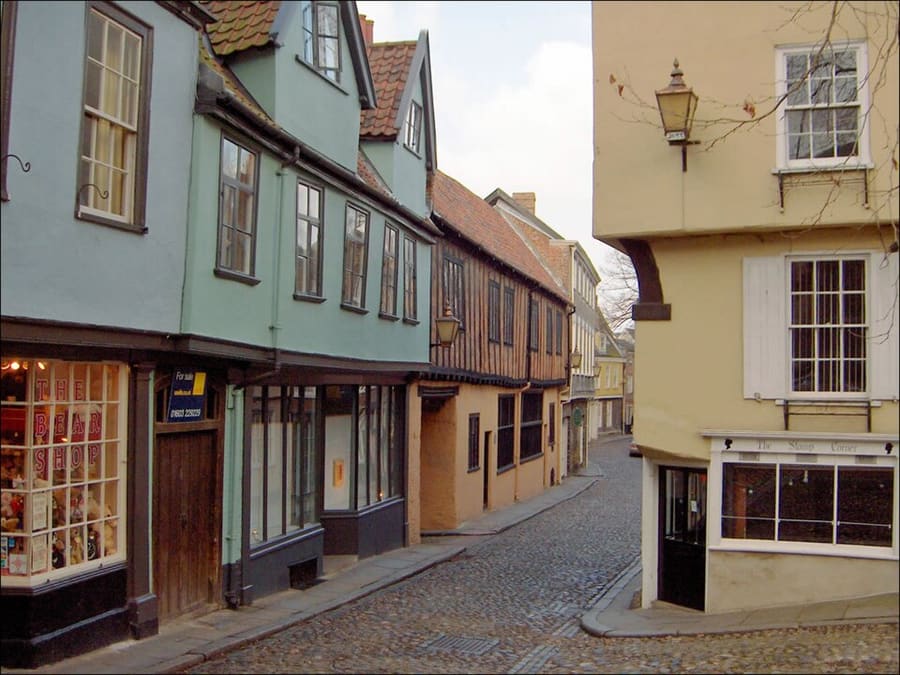
Cobbled lane with many buildings from the Tudor period, including the Britons Arms.
Grade II* listed shopping arcade of 1899 linking the market with Back of the Inns.
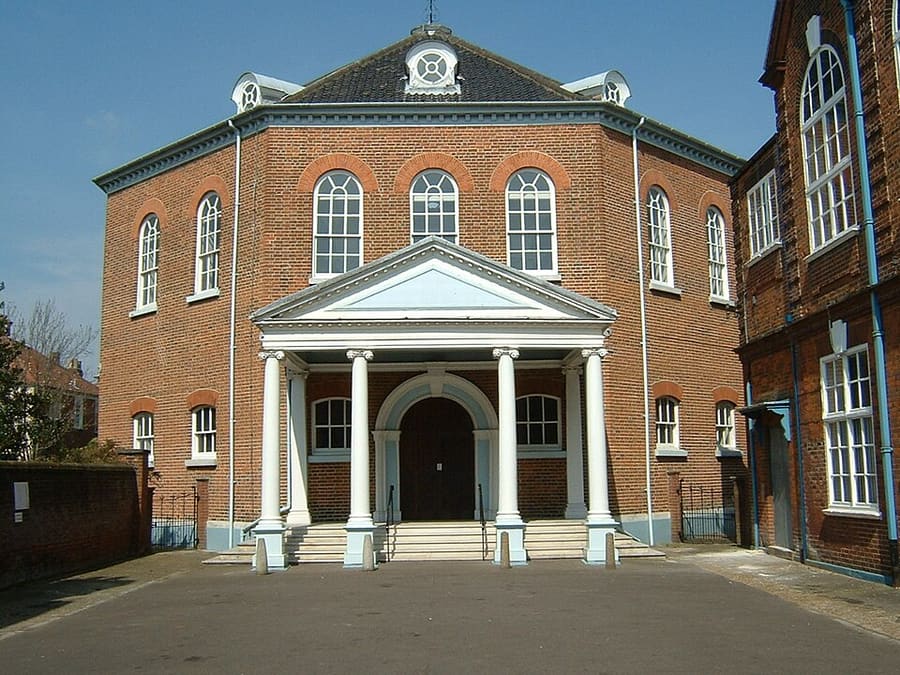
Eight-sided Unitarian chapel on Colegate, north of the river.
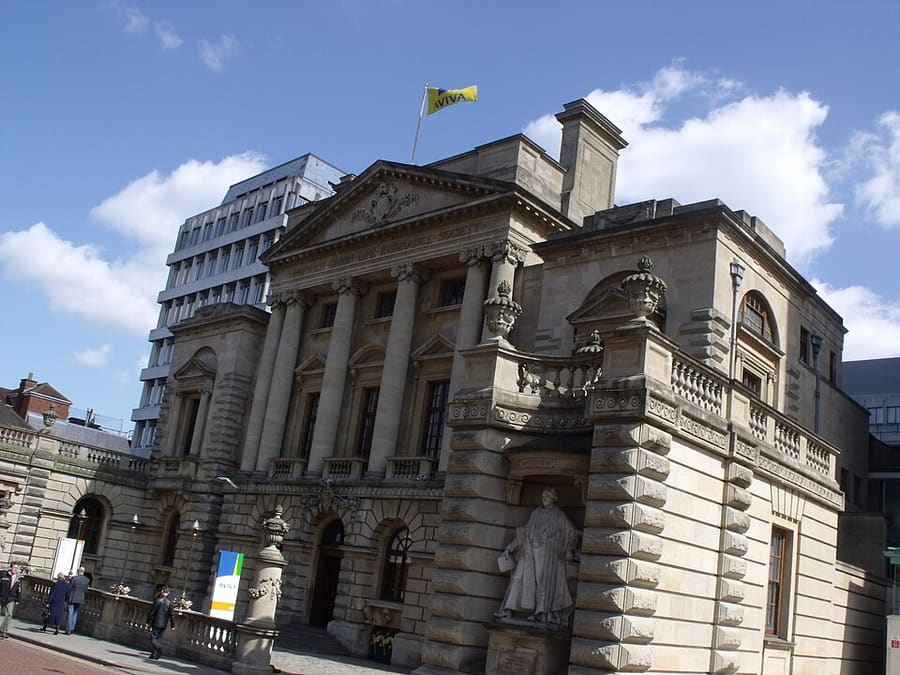
Grade I listed headquarters building of the insurer Aviva, its historic home in Norwich.
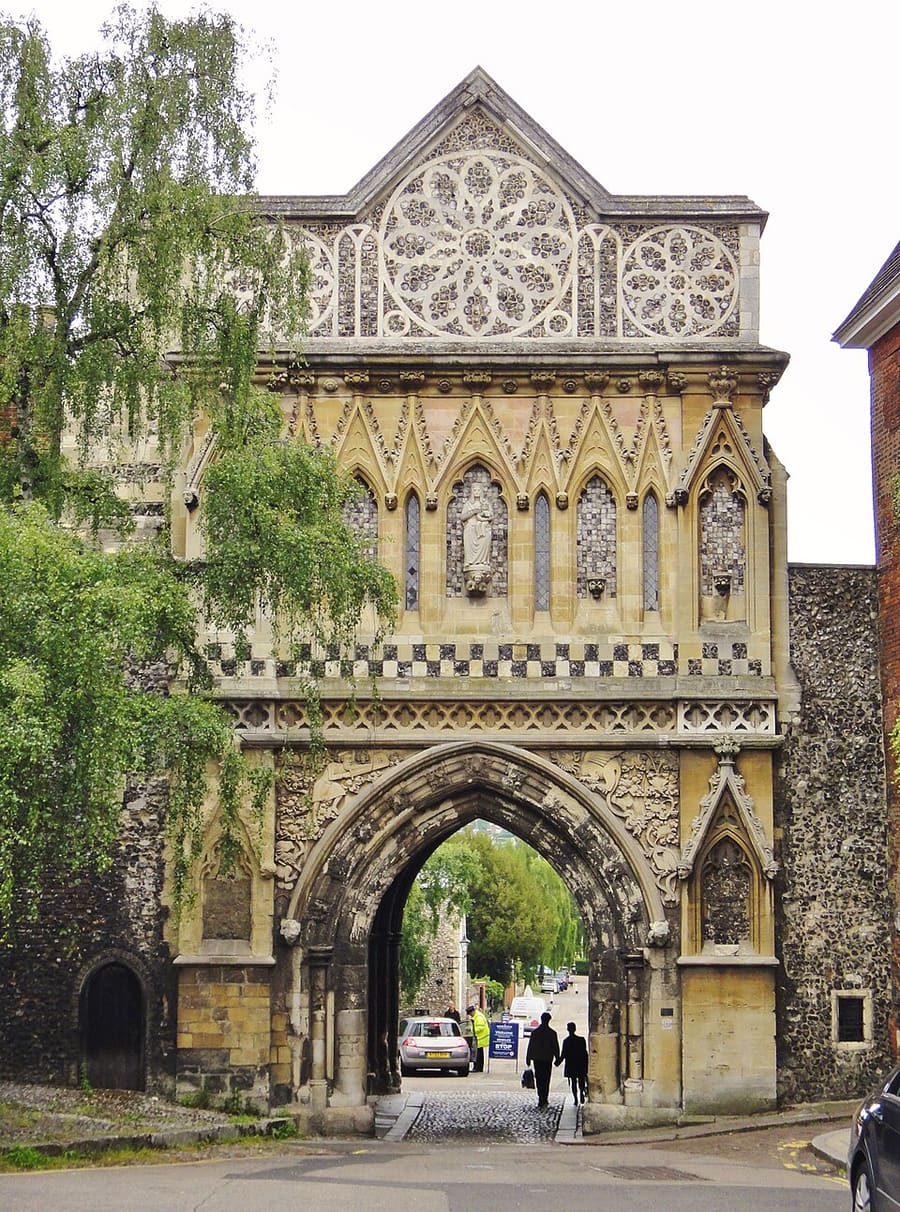
Grade I listed 14th-century gatehouse into the cathedral precinct, built around 1316 after a riot destroyed the earlier gate.
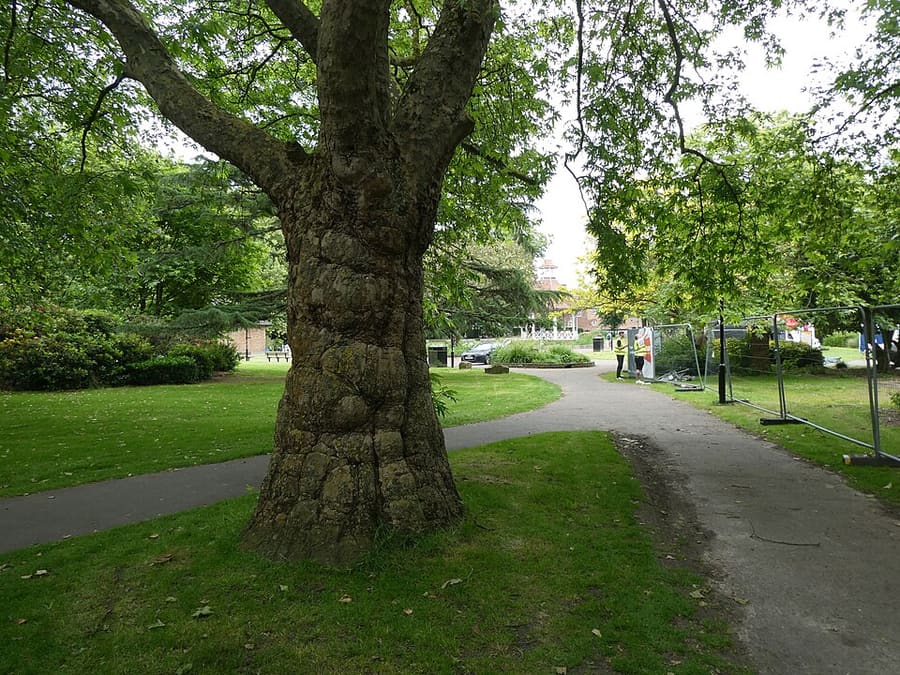
Triangular Grade II listed park with a bandstand, the city's earliest surviving ornamental public open space.
Flint former ferry house and 15th-century watergate on the Wensum, where stone for the cathedral was landed.
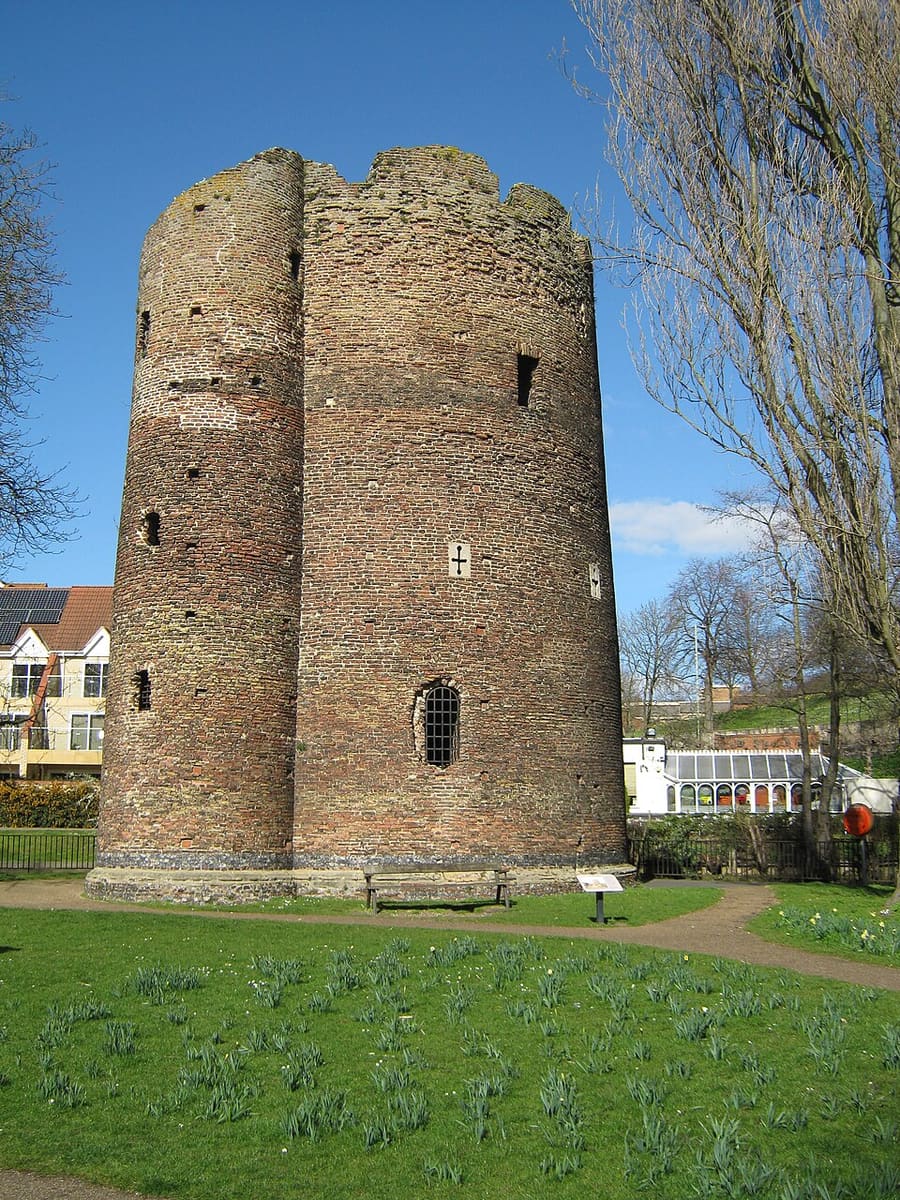
Brick artillery tower built in 1398-99 beside the River Wensum to guard the north-eastern approach to the city.
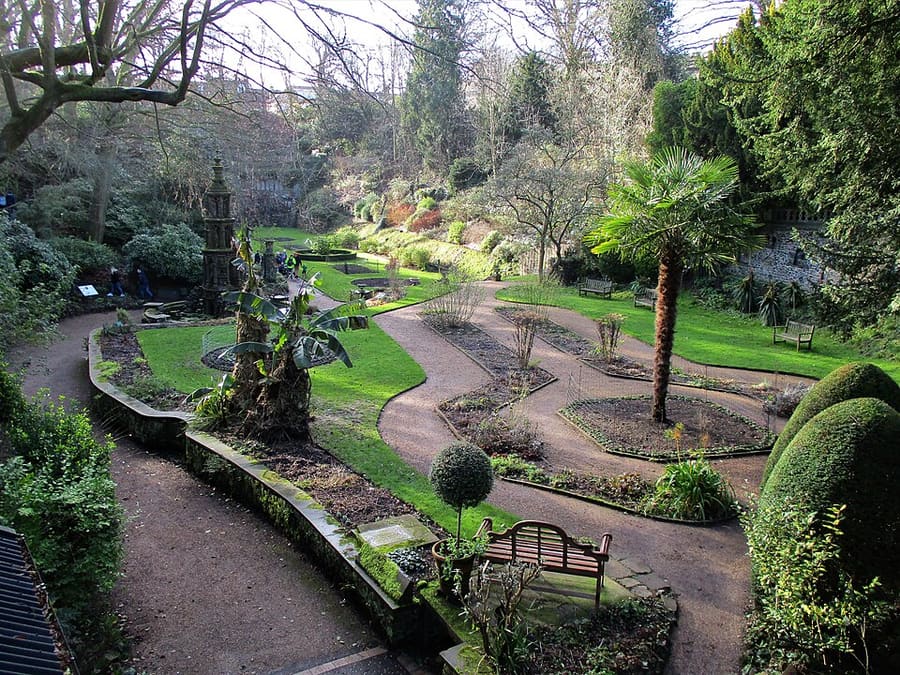
Restored Victorian town garden laid out in a disused lime quarry off Earlham Road.
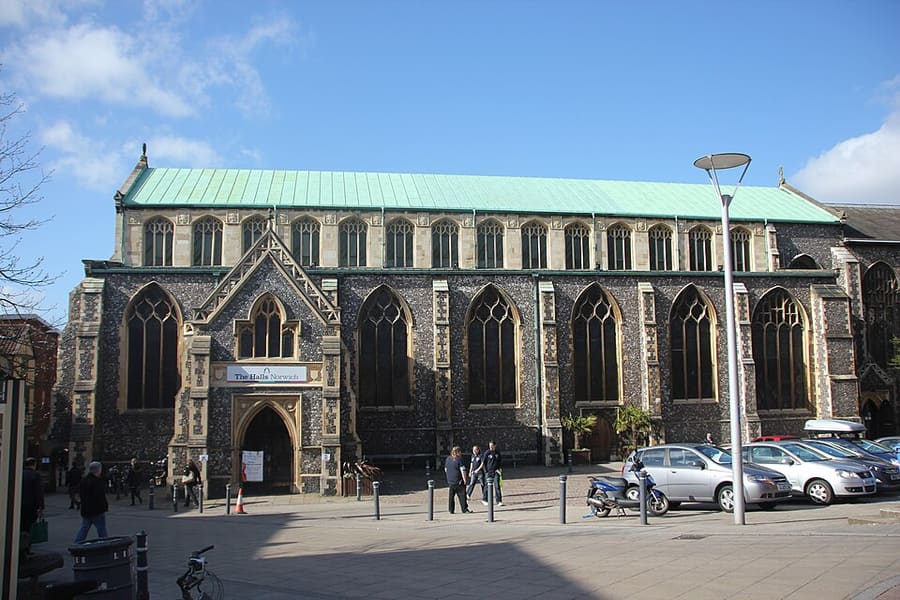
Former Dominican friary church and convent, the most complete surviving set of friary buildings in England.
Cómo llegar Report a problem with St Andrew's and Blackfriars' Halls
Norfolk and the Broads
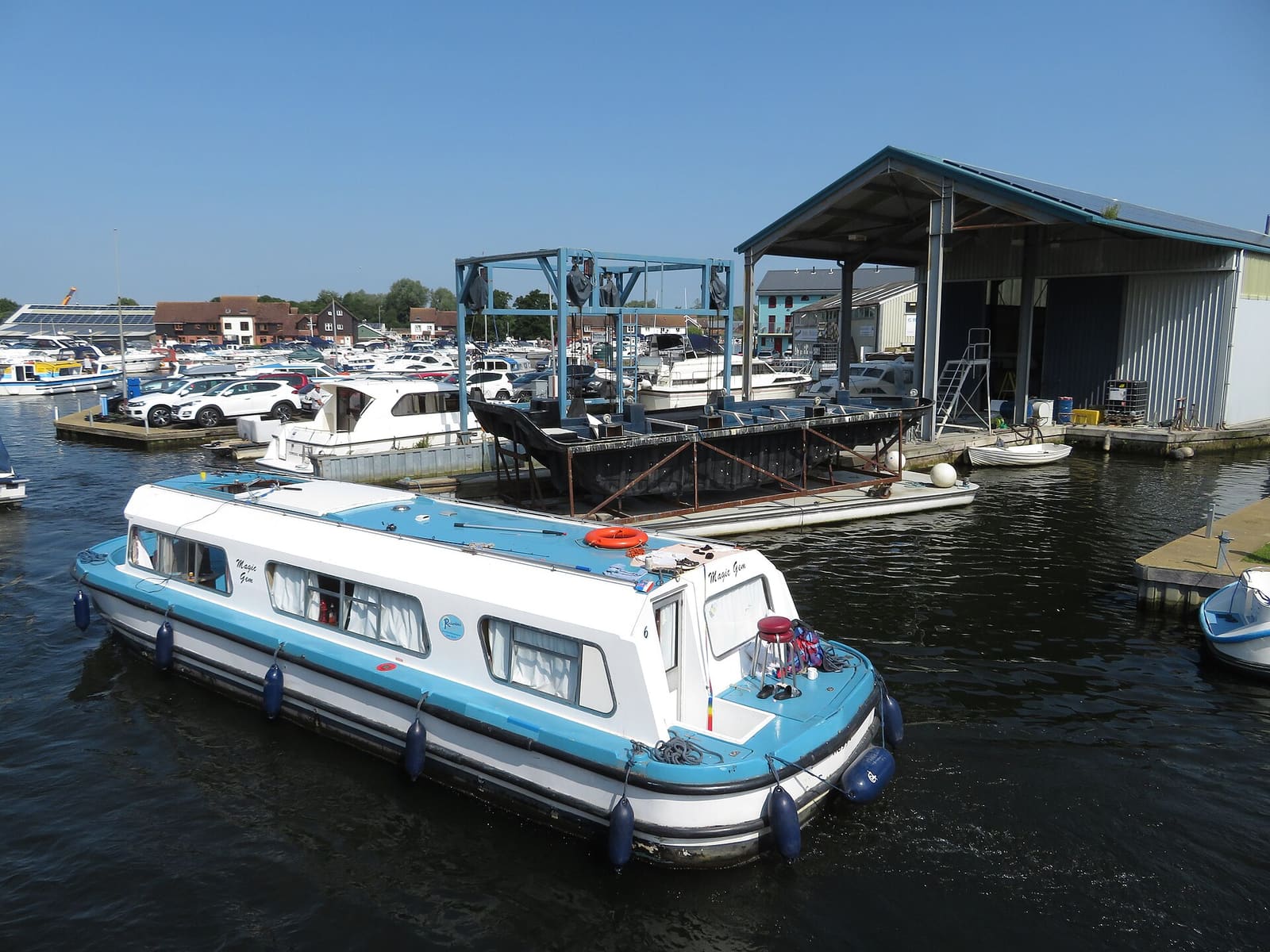
Boatyards, river trips and broads on the River Bure, a train ride from Norwich
Abrir la miniguía →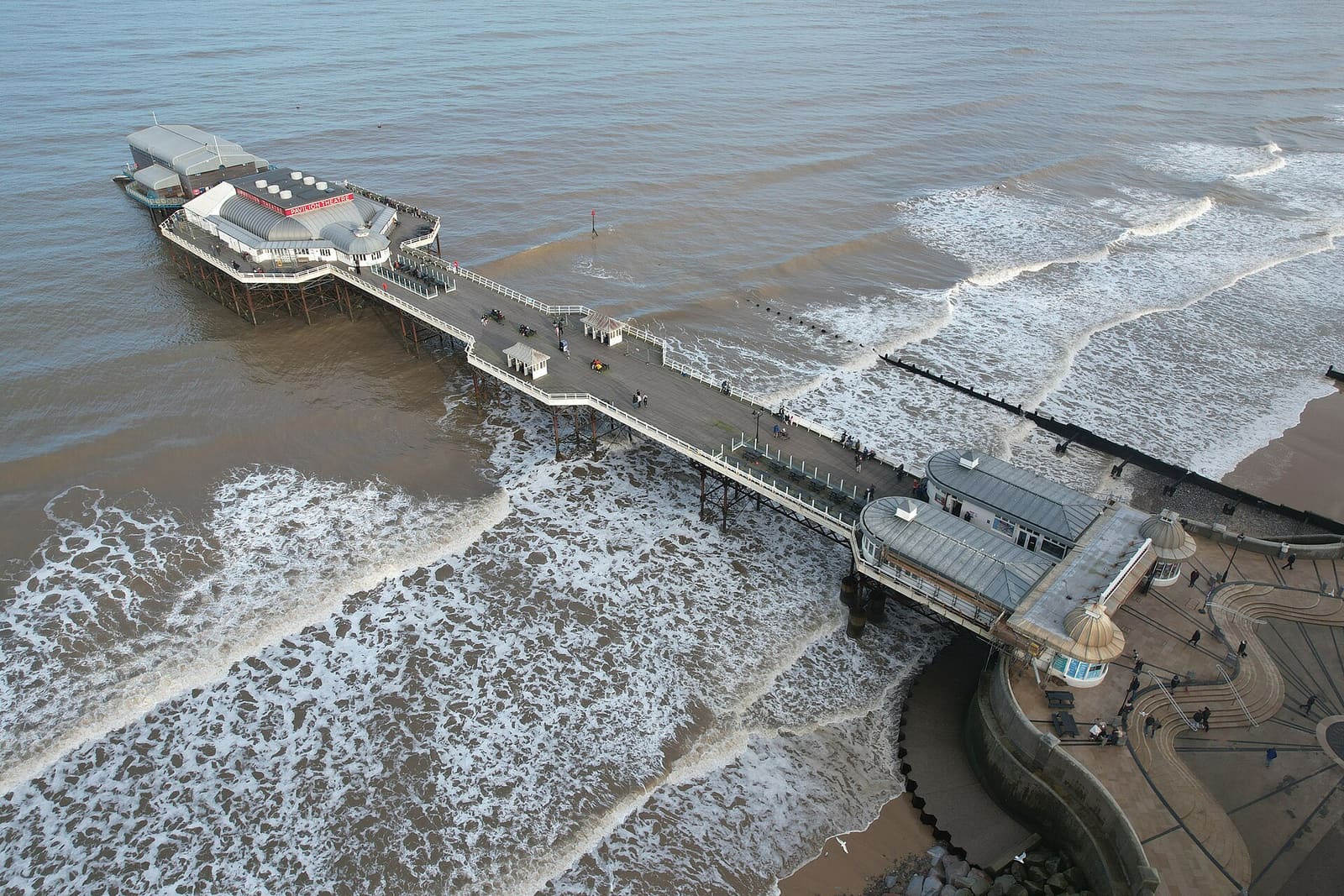
Victorian seaside towns with a pier, crab boats, heritage steam trains and the highest hill in Norfolk
Abrir la miniguía →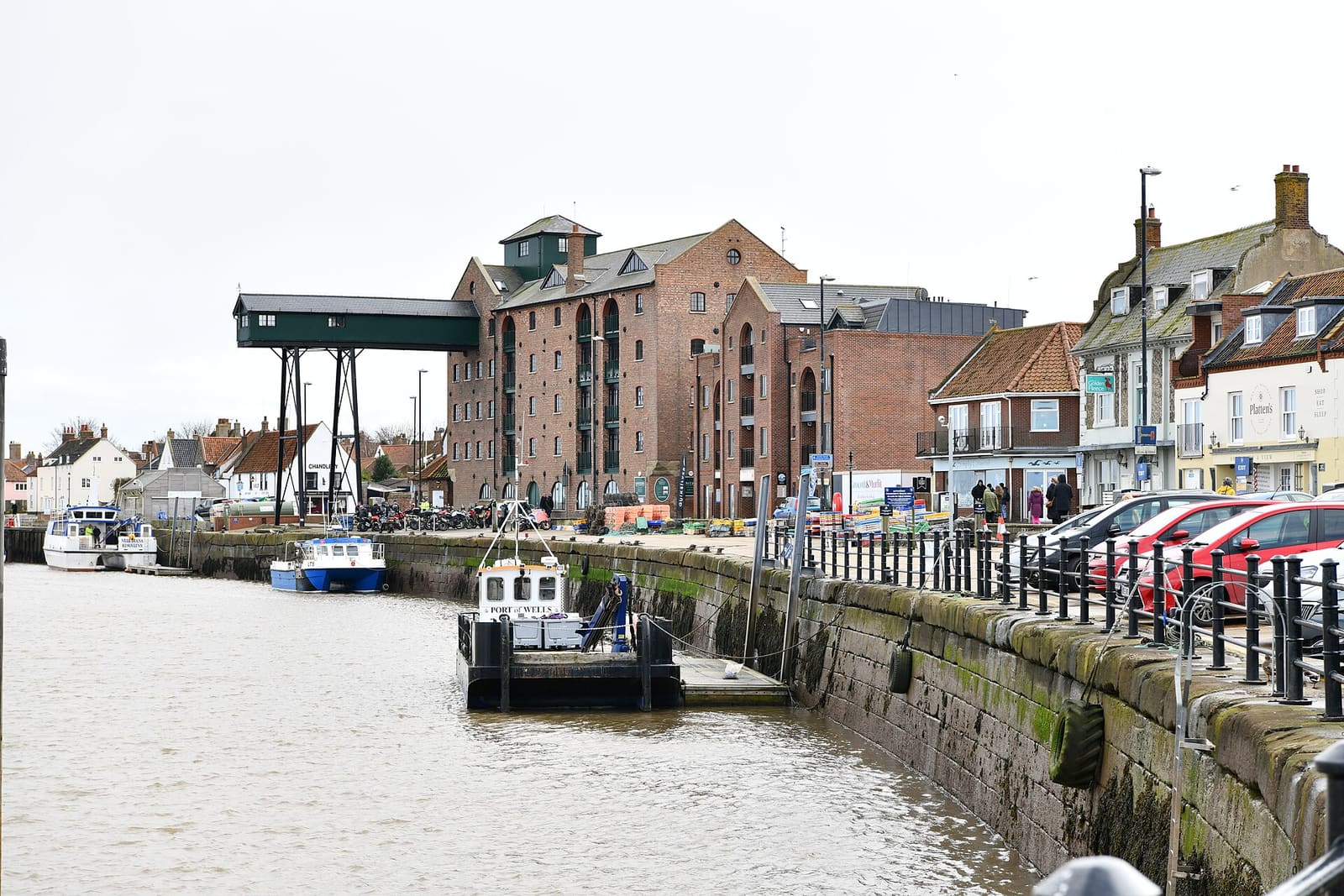
Salt marsh, dunes and seals between a harbour town, a Palladian house and flint villages
Abrir la miniguía →Photos from Wikimedia Commons, used under the licences shown. All photo credits
Keep exploring Norfolk and the Broads