 English (UK)
 English (US)
 Français
 Deutsch
 Español
 Italiano
 Nederlands
 简体中文
Heritage and roots
Tracing English roots
England's civil records start in July 1837 and sit with the General Register Office; older and official papers are at The National Archives in Kew and in county archives.
Facts checked 1 November 2026 against the sources listed at the end. Britlens is independent: see our editorial policy.

Certificates and indexes
The General Register Office (GRO) holds registrations of births, marriages and deaths in England and Wales from July 1837. For anything earlier you need parish records. [1]
- Find the event in an index. The GRO's own online historical indexes are free to search once you register; GOV.UK also points to the free FreeBMD index. [2] [1]
- Note the GRO index reference, then order the certificate from the GRO. [1]
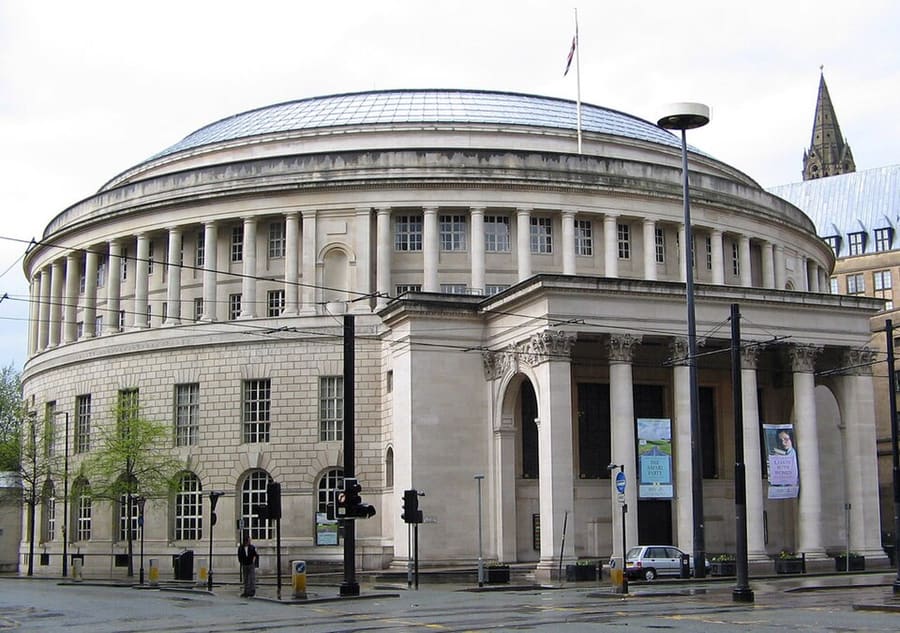
- If you prefer paper, some big libraries hold the complete microfiche index and let you search it free, including the Library of Birmingham, the British Library and Manchester Central Library. [1]
The National Archives, Kew
The National Archives is at Kew, Richmond (TW9 4DU), in south-west London. It is free to visit and children are welcome. [3] It opens Tuesday to Sunday; you do not need to book to visit, but reading room hours vary. [4]
To see original documents you need a free reader's ticket, and the archive strongly advises booking documents in advance in the summer months. [5] You can book ahead to view original documents. [3]


County archives
Parish registers, wills before civil registration, estate papers and local newspapers are usually in county or city archives. GOV.UK suggests searching local archives as well as The National Archives' catalogue. [1] Check each archive's opening days before you plan a day around it.
Places to add to the trip
- Manchester Central Library: the domed library on St Peter's Square. See Spinningfields and Deansgate.
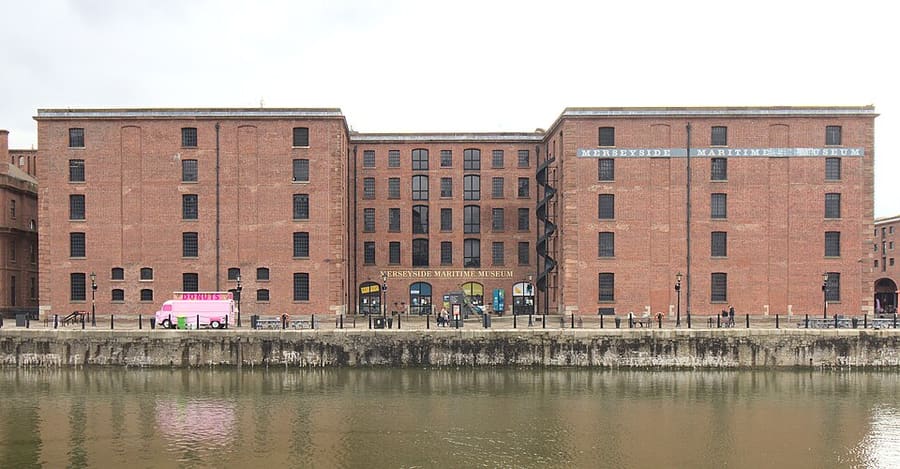
- Liverpool Central Library and the Merseyside Maritime Museum, for families who sailed from Liverpool. See Cavern Quarter and Ropewalks and Albert Dock.
- People's History Museum, Manchester: the national museum of the history of working people. See Spinningfields and Deansgate.

Quick answers
Guías relacionadas
Fuentes
Read on the dates shown. Rules, dates and services change: check the source before you rely on it. Pages marked “not read” refused automated access, so we state nothing from them.
- Research your family history (opens in new tab), GOV.UK, read 1 November 2026
- Certificates (opens in new tab), General Register Office, read 1 November 2026
- Visit us (opens in new tab), The National Archives, read 1 November 2026
- Plan your visit (opens in new tab), The National Archives, read 1 November 2026
- Researching here (opens in new tab), The National Archives, read 1 November 2026