 English (UK)
 English (US)
 Français
 Deutsch
 Español
 Italiano
 Nederlands
 简体中文
Heritage and roots
Tracing your family roots in Britain
Each part of the UK keeps its own records, in its own archive. Do the searching at home, then use the trip for the documents you can only see in person and the places your family lived.
Facts checked 1 November 2026 against the sources listed at the end. Britlens is independent: see our editorial policy.
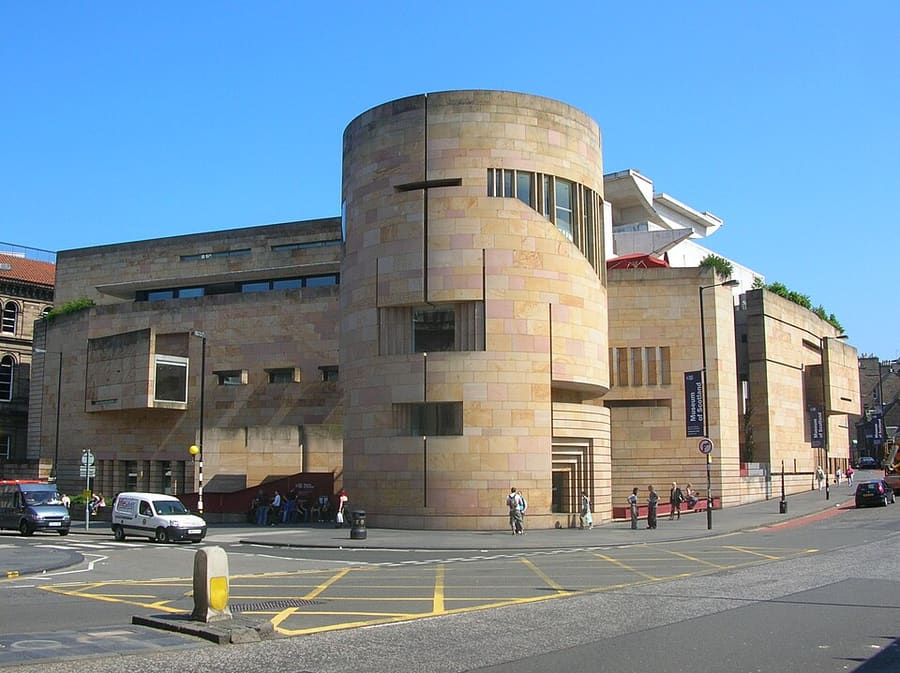

Which archive holds what
Births, marriages and deaths were registered separately in each part of the UK, so start with the nation your family came from. If you are not sure, a census entry or a ship's passenger list at home may name the county.
| Parte del Regno Unito | Main archive | Key point | Our guide |
|---|---|---|---|
| Scozia | ScotlandsPeople Centre, General Register House, Edinburgh | Book a seat online before you visit [1] | Scozia |
| Irlanda del Nord | Public Record Office of Northern Ireland (PRONI), Belfast | No booking for standard visits; register as a reader when you arrive [2] | Irlanda del Nord |
| Galles | National Library of Wales, Aberystwyth, and local archive services | Many sources (newspapers, tithe maps) are searchable online [3] [4] | Galles |
| England (and Wales for civil registration) | General Register Office for certificates; The National Archives, Kew | Civil registration from July 1837 [5] | Inghilterra |
Before you book the flight
- Write down what you already know: full names, rough dates, and the parish, town or county. Family Bibles, letters and naturalisation papers at home may hold the place name.
- Search the official online indexes first. In England and Wales, searching the General Register Office's historical birth and death indexes is free once you register an account. [6] Scotland's records are searched on ScotlandsPeople. [7]
- Order certificates that confirm the link before you travel, so you go to the right parish.
- Check opening days and booking rules for every archive on your list: the ScotlandsPeople Centre is open Monday to Friday and needs a booked seat; The National Archives at Kew is open Tuesday to Sunday. [1] [8]
- Leave time for the place itself: the village, the church, the cemetery or the street. Archives tell you where; walking it is the reason to make the trip.
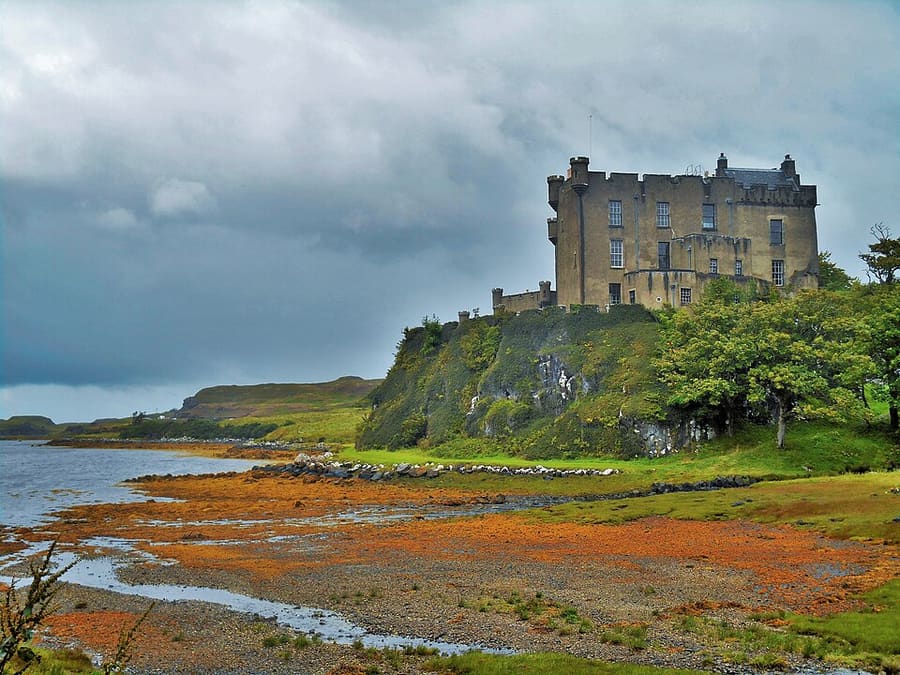

Clans, castles and Highland games
Many visitors with Scottish surnames want to see a clan seat. Several are in areas we cover:
- Dunvegan Castle, Skye: seat of the chief of Clan MacLeod, first built in the 13th century. See Skye: things to do.
- Duart Castle, Mull: 13th-century castle beside the Sound of Mull, seat of Clan MacLean. See Oban: things to do.
- Grantown Museum, Grantown-on-Spey: local museum with displays on Highland and Clan Grant history. See Cairngorms: things to do.
- Dunluce Castle, Antrim coast: ruined medieval castle, seat of Clan MacQuillan. See Causeway Coast: things to do.
- Culloden Battlefield, near Inverness: where a Jacobite army was defeated on 16 April 1746. See Inverness: things to do.
Highland games run mostly from May to September, with heavy events such as the caber toss, piping and Highland dancing. The Braemar Gathering is on the first Saturday in September and the Cowal Highland Gathering is in August. [9] Check each gathering's own site for the year's date.
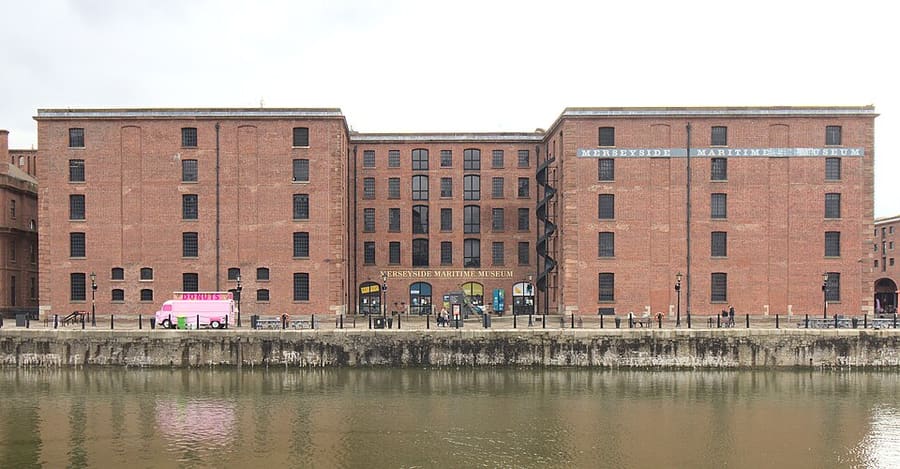

Museums about leaving and arriving
If your family emigrated, these museums in our guides help explain the journey:
- Merseyside Maritime Museum, Liverpool: on the Albert Dock; the International Slavery Museum is in the same building. See Albert Dock and the waterfront.
- Titanic Belfast: on the former Harland & Wolff shipyard site. See Titanic Quarter.
- Scottish Jewish Archives Centre, Glasgow: items on Jewish migration to Scotland and Jewish life there from the 18th century. See Charing Cross and Garnethill.
- St Fagans National Museum of History, Cardiff: free open-air museum of Welsh life with historic buildings. See Cardiff: things to do.
Quick answers
Do I need to book to visit the ScotlandsPeople Centre?
Yes. You must book a seat online before you visit; bookings cannot be made in person. [1]
Do I need to book to visit PRONI in Belfast?
Not for a standard visit. You register as a reader when you arrive, and visits to the search and reading rooms are free. [2]
How far back do civil records go in England and Wales?
The General Register Office holds registrations from July 1837; for earlier events you need parish records. [5]
Guide correlate
Fonti
Read on the dates shown. Rules, dates and services change: check the source before you rely on it. Pages marked “not read” refused automated access, so we state nothing from them.
- Visit us: ScotlandsPeople Centre (opens in new tab), National Records of Scotland, read 1 November 2026
- Your visit (opens in new tab), PRONI, read 1 November 2026
- Welsh Newspapers (opens in new tab), National Library of Wales, read 1 November 2026
- Places of Wales: tithe maps (opens in new tab), National Library of Wales, read 1 November 2026
- Research your family history (opens in new tab), GOV.UK, read 1 November 2026
- Certificates (opens in new tab), General Register Office, read 1 November 2026
- ScotlandsPeople (opens in new tab), National Records of Scotland, read 1 November 2026
- Plan your visit (opens in new tab), The National Archives, read 1 November 2026
- Highland games (opens in new tab), VisitScotland, read 1 November 2026