 English (UK)
 English (US)
 Français
 Deutsch
 Español
 Italiano
 Nederlands
 简体中文
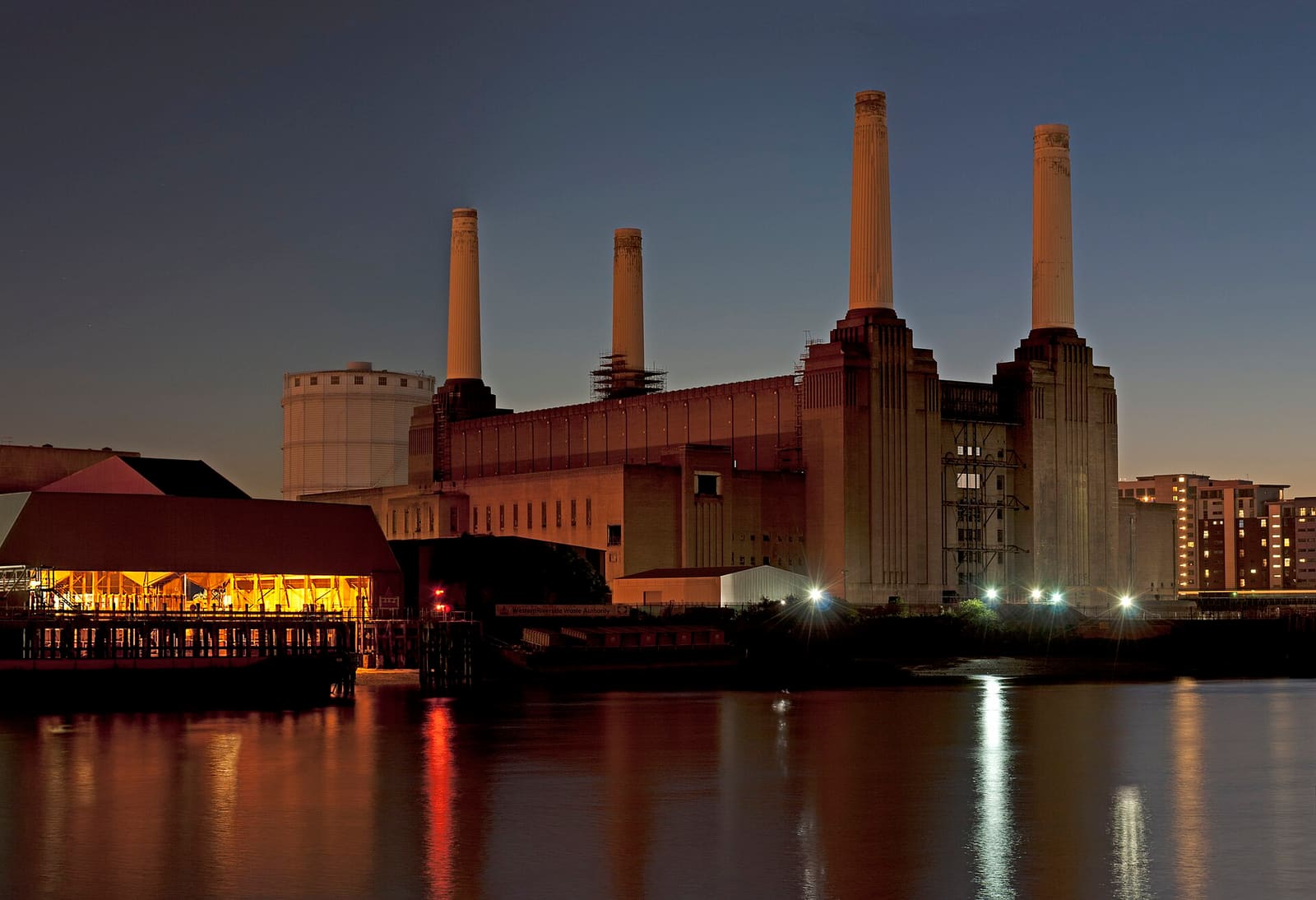
Battersea & Nine Elms
Battersea Park and the Power Station
Chelsea Pensioners, a Thames bridge, a peace pagoda and Battersea Power Station.
- Distance 5.4 km · 3.4 miles
- Walking time 1 h 15 min Allow 45 min for stops
- Stops5 Sloane Square to Battersea Power Station
- Terrain Flat
- Step-freeCheck routeNot verified for this walk
Take this walk offline
The route
From Sloane Square, pass the Royal Hospital Chelsea and cross Chelsea Bridge into Battersea Park, then follow the river to the Peace Pagoda and the Pump House Gallery before walking out to Battersea Power Station.
The interactive map needs JavaScript. The stops are listed below.
Stops
- Start: Sloane Square
- End: Battersea Power Station
Distance and times come from a pedestrian route between the stops. Allow extra time for stops, and check for temporary closures.
Route and map data © OpenStreetMap contributors (ODbL). Walking routes by the FOSSGIS OSRM service, saved 2026-10-18. Spotted a mistake? Fix the map.
Saved. Plan your days in My trip
Google Maps chooses its own footpaths between the stops, so its line may differ slightly from the map above. The GPX file has our route and every stop as waypoints, for use in a walking or hiking app.
5 stops, in order
Each caption is a short fact; check opening times and tickets on the official site before you go.
-

Stop 1 · Attraction
Royal Hospital Chelsea
Home of the Chelsea Pensioners, veterans of the British Army.
960 m to the next stop
-
Stop 2 · Bridge
Chelsea Bridge
Suspension bridge across the Thames, opened in 1937.
910 m to the next stop
-
Stop 3 · Landmark
Peace Pagoda
Buddhist peace pagoda beside the Thames in Battersea Park.
850 m to the next stop
-

Stop 4 · Gallery
Pump House Gallery
Gallery in a former pump house in Battersea Park.
1.7 km to the next stop
-

Stop 5 · Shopping centre
Battersea Power Station
Former power station with four chimneys, now a shopping and leisure destination.
350 m to Battersea Power Station station
Read the guide
A short note for each stop, written to be read or recorded as an audio walk. Audio is not available for this walk yet.
Introduction
Read the guide
This walk goes from Sloane Square to Battersea Power Station. You pass the Royal Hospital Chelsea, then cross Chelsea Bridge into Battersea Park. You follow the river to the Peace Pagoda and the Pump House Gallery, then walk out to the old power station with its four chimneys.
Stop 1: Royal Hospital Chelsea
Read the guide
King Charles the Second founded the Royal Hospital in 1682 as a retreat for veterans, with Sir Stephen Fox as the main driving force. Sir Christopher Wren designed the buildings, including the chapel and the Great Hall. The first Chelsea Pensioners were admitted in 1692. Inside, they usually wear blue. They wear scarlet coats for ceremonies and when travelling further. The Chelsea Flower Show has been held in the South Grounds since 1913. The buildings are Grade One listed. Next stop: Chelsea Bridge.
Sources for this stop
Stop 2: Chelsea Bridge
Read the guide
Chelsea Bridge opened on 6 May 1937. The Canadian prime minister, William Lyon Mackenzie King, did the honours while in London for the coronation of George the Sixth. G. Topham Forrest and E. P. Wheeler designed it for the London County Council. It is a self-anchored suspension bridge, the first of its type built in Britain. It replaced an earlier bridge, opened in 1858 as Victoria Bridge. The bridge is Grade Two listed. Next stop: the Peace Pagoda.
Sources for this stop
Stop 3: Peace Pagoda
Read the guide
The Peace Pagoda was built by monks, nuns and volunteers of Nipponzan Myohoji, a Japanese Buddhist order. About fifty of them started work in 1984, and it was completed in 1985. The Greater London Council was looking for ideas for its Peace Year and agreed to host a pagoda in the park. The pagoda at Milton Keynes, opened in 1980, inspired it. The order's founder, Nichidatsu Fujii, lived from 1885 to 1985 and sent monks and nuns out to build peace pagodas. Next stop: Pump House Gallery.
Sources for this stop
Stop 4: Pump House Gallery
Read the guide
The Pump House Gallery sits in a Victorian building from 1861, built by James and William Simpson. It was a pump house, supplying water to the park's boating lake. The building was restored in 1987 and 1988. It is Grade Two listed, and it is the only listed building in Battersea Park. Today it shows contemporary art, and Wandsworth council owns and manages it. Next stop: Battersea Power Station.
Sources for this stop
Stop 5: Battersea Power Station
Read the guide
Battersea Power Station was built in two halves. The first, Station A, was built from 1929 to 1935. Station B came into operation gradually between 1953 and 1955. J. Theo Halliday was the project architect, and Sir Giles Gilbert Scott was brought in for the outside. Station A closed in 1975, and Station B stopped generating in October 1983. The four concrete chimneys are each a hundred and three metres tall. The building was listed in 1980, and upgraded to Grade Two star in 2007. The main building opened to the public on 14 October 2022.
Sources for this stop
Written for Britlens from the sources listed under each stop. Check opening times and access on the official sites before you go.
Getting there and back
Both ends of the walk are at stations. Check live times and any planned works before you travel.
- The park is level and mostly paved. Attraction and gallery opening times vary: check before you go.
- Step-free access has not been checked for this walk. Check the route and station access before you go.
- Opening times, prices and closures change: check before you visit.
More walks
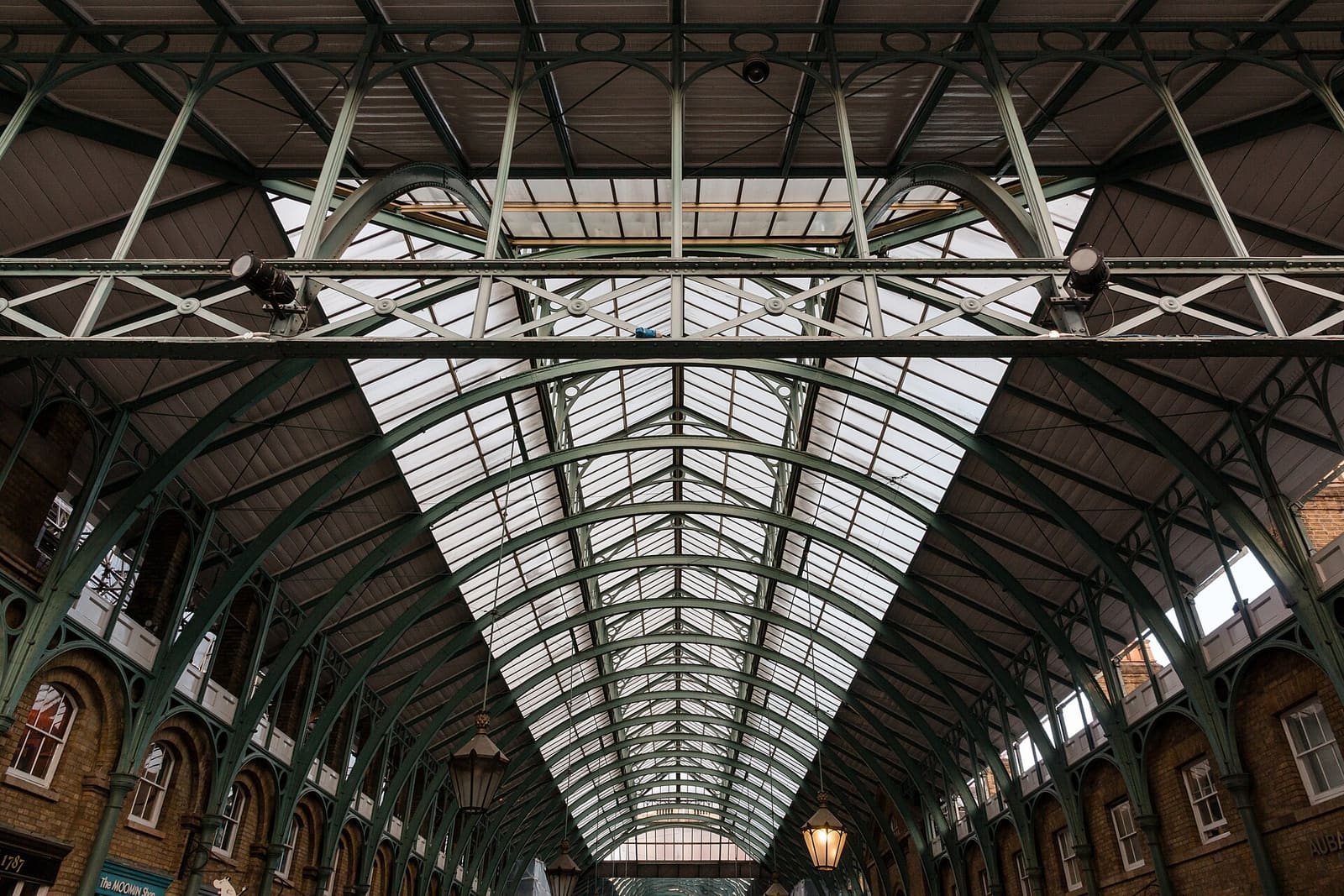 Soho and Covent Garden
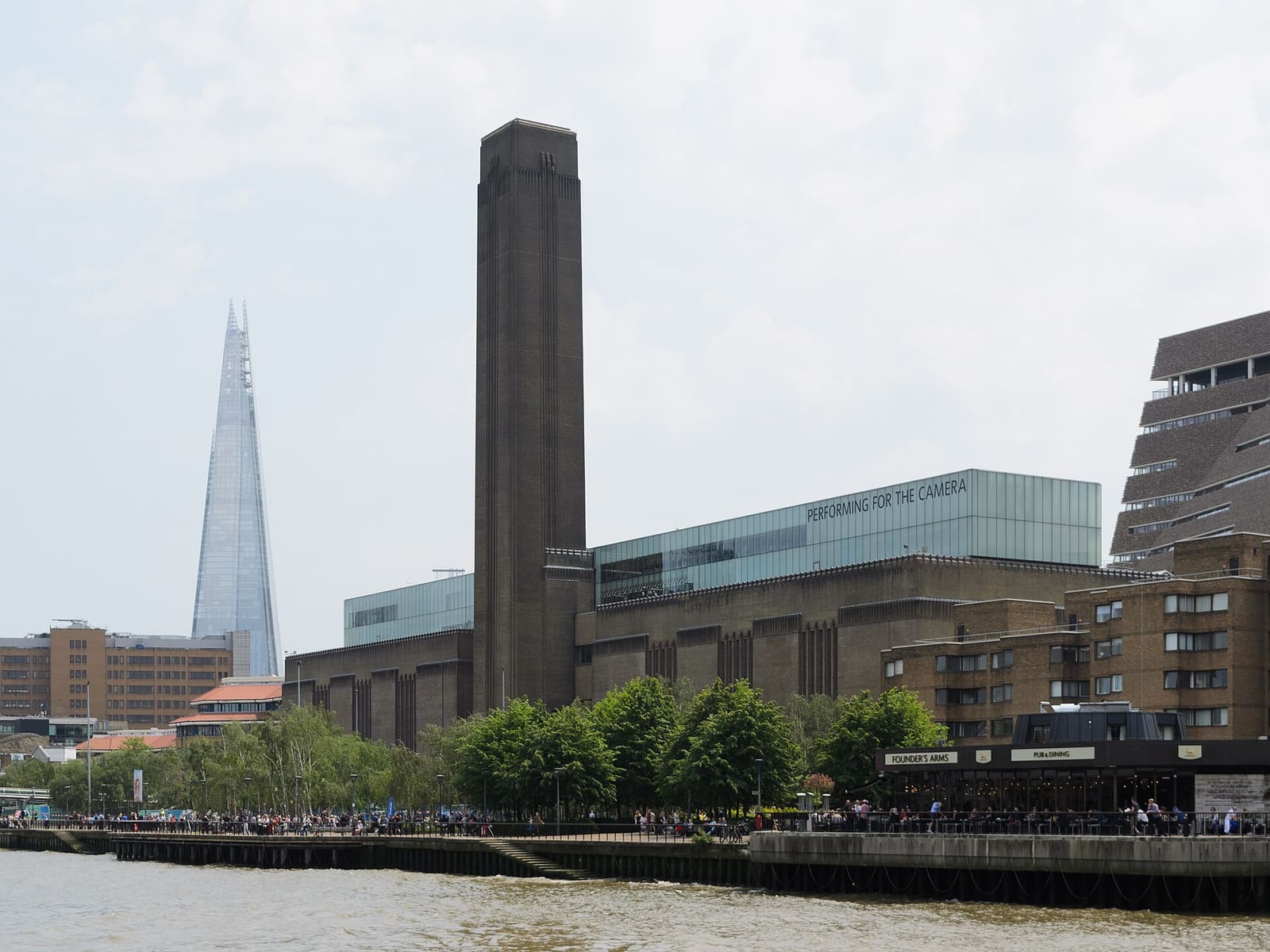 Thames Path: Westminster to Tower Bridge
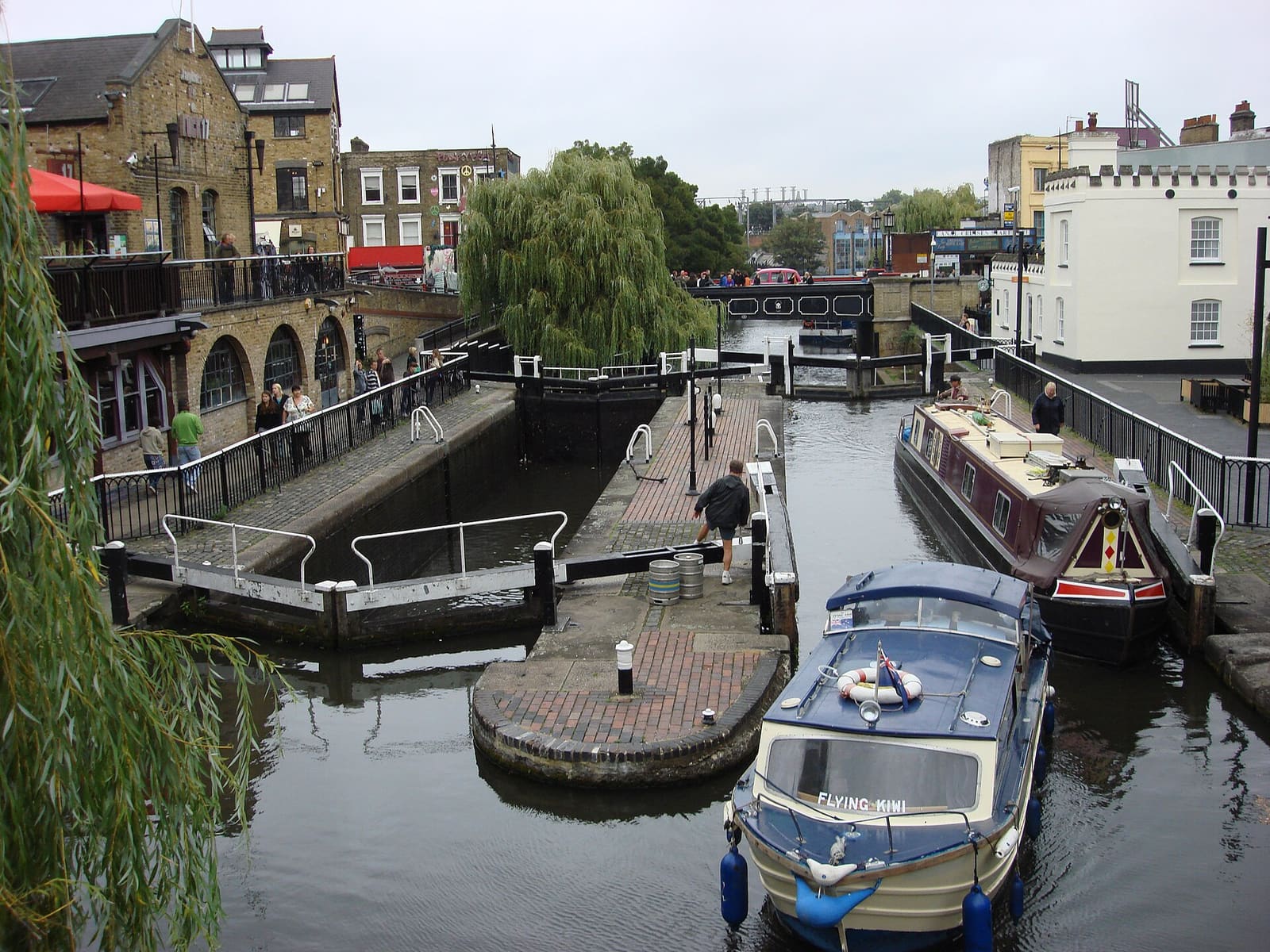 Camden, Primrose Hill and Little Venice
 Greenwich: Park, Observatory and Riverside
Photos are credited on the photo credits page. Route and map data © OpenStreetMap contributors.