 English (UK)
 English (US)
 Français
 Deutsch
 Español
 Italiano
 Nederlands
 简体中文
Tor
Haytor
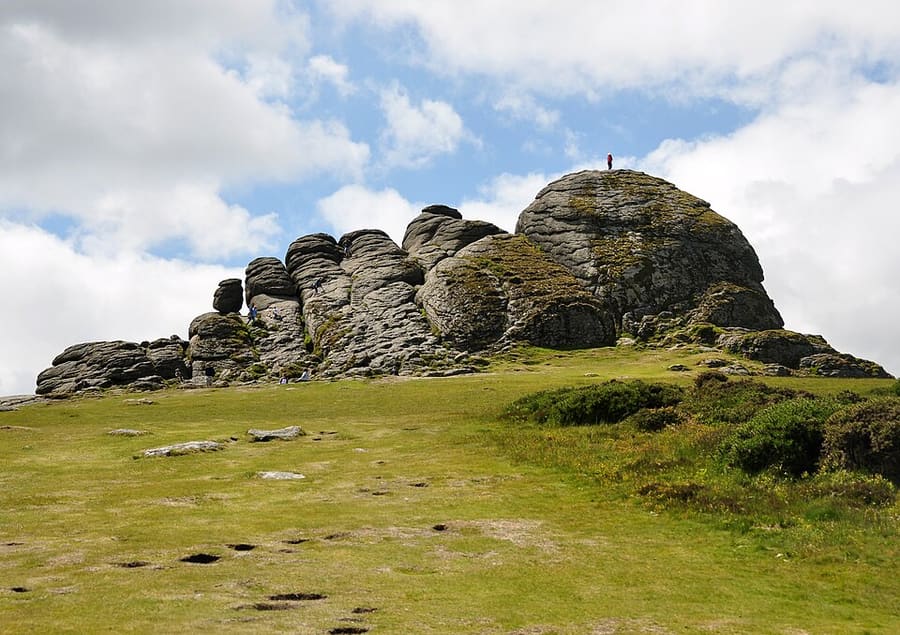
Granite tor on the eastern edge of Dartmoor, also known as Haytor Rocks.
Ein Mini-Guide zu
Places worth your time in Dartmoor
Top-Adressen
Wahrzeichen, Museen, Parks und Aussichtspunkte in der Gegend und ihrer Umgebung.
Granite tor on the eastern edge of Dartmoor, also known as Haytor Rocks.
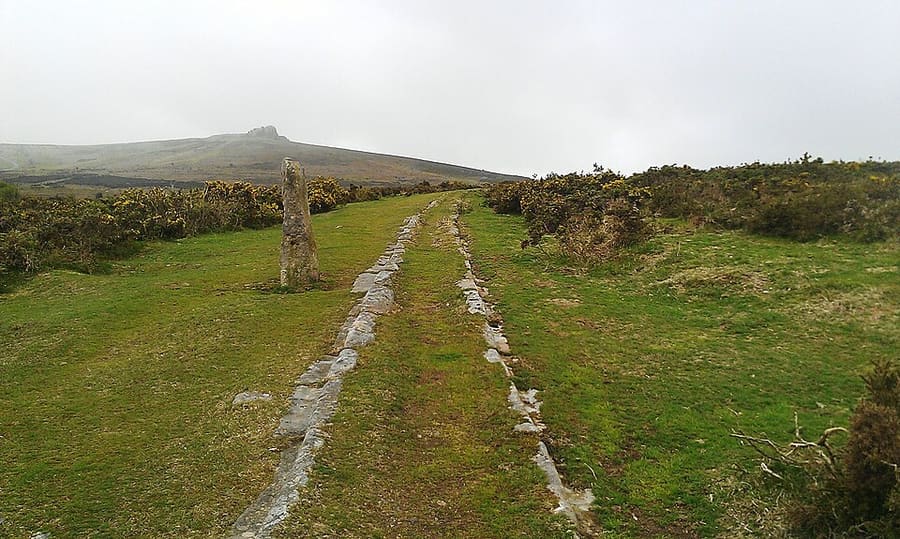
Tramway of 1820 with rails cut from granite, built to carry stone from the Haytor quarries to the Stover Canal.
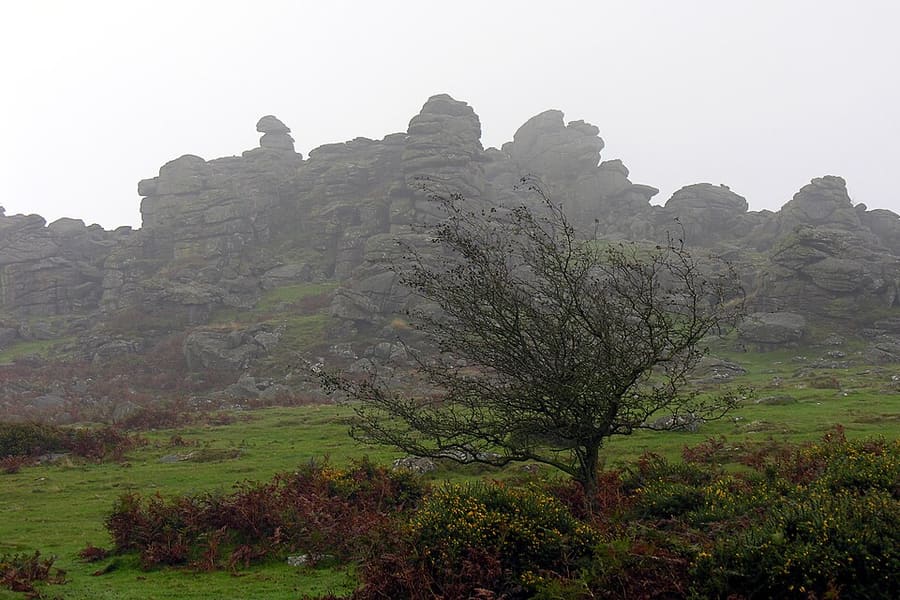
Weathered granite tor with the ruins of a medieval village nearby, cared for by the national park for English Heritage.
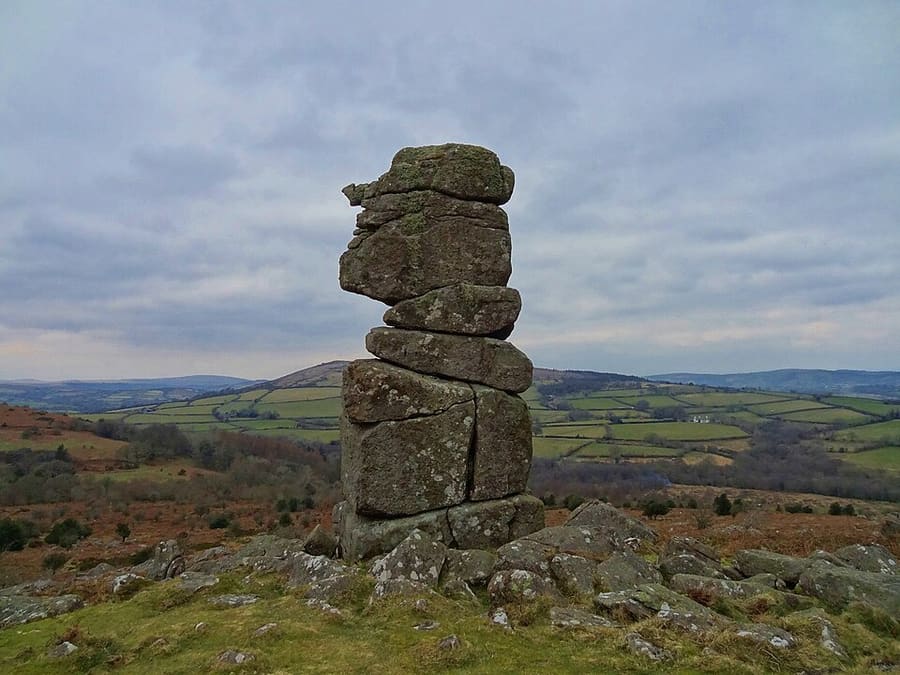
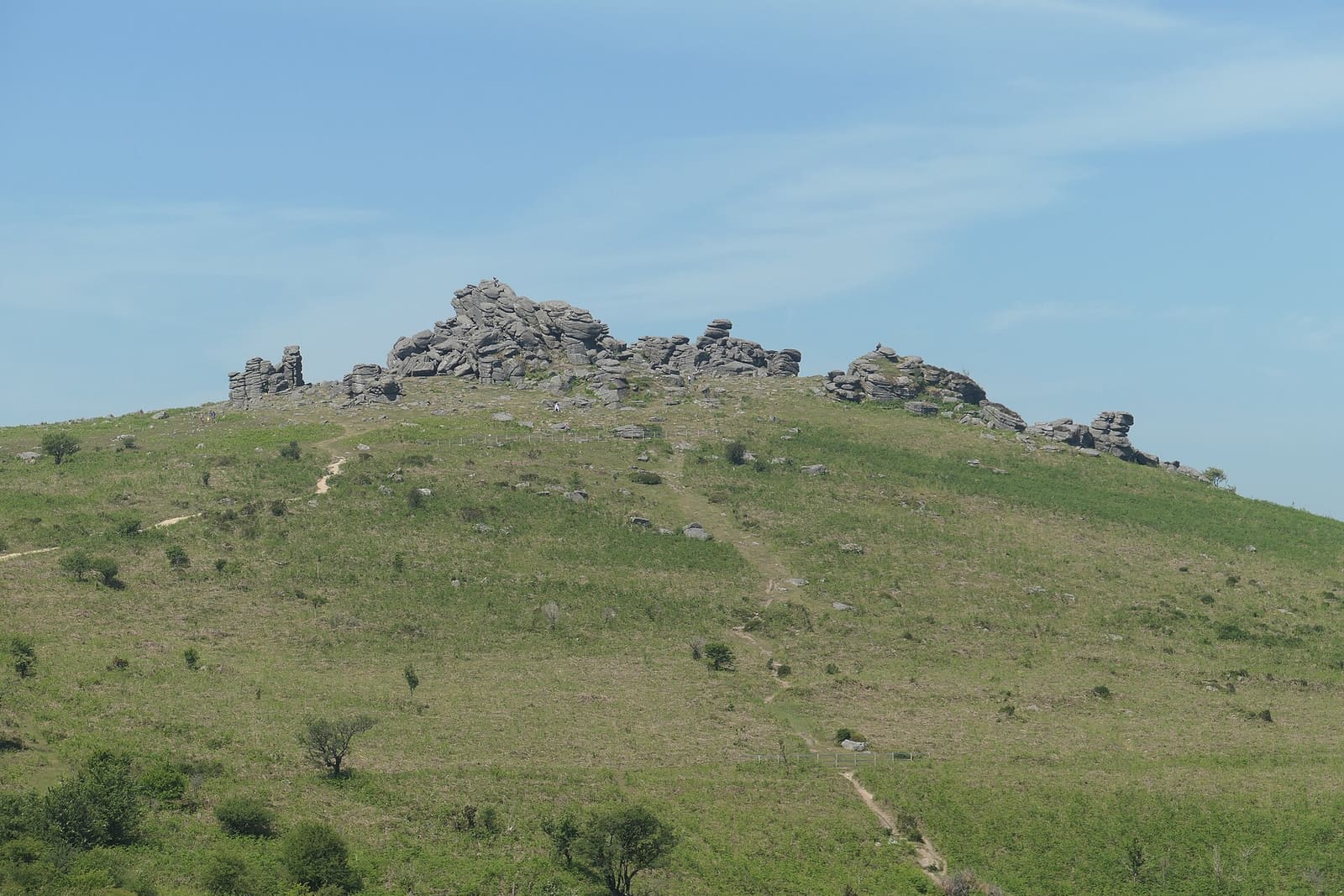
Stack of weathered granite about 6.6 metres high on Hayne Down, near Manaton.
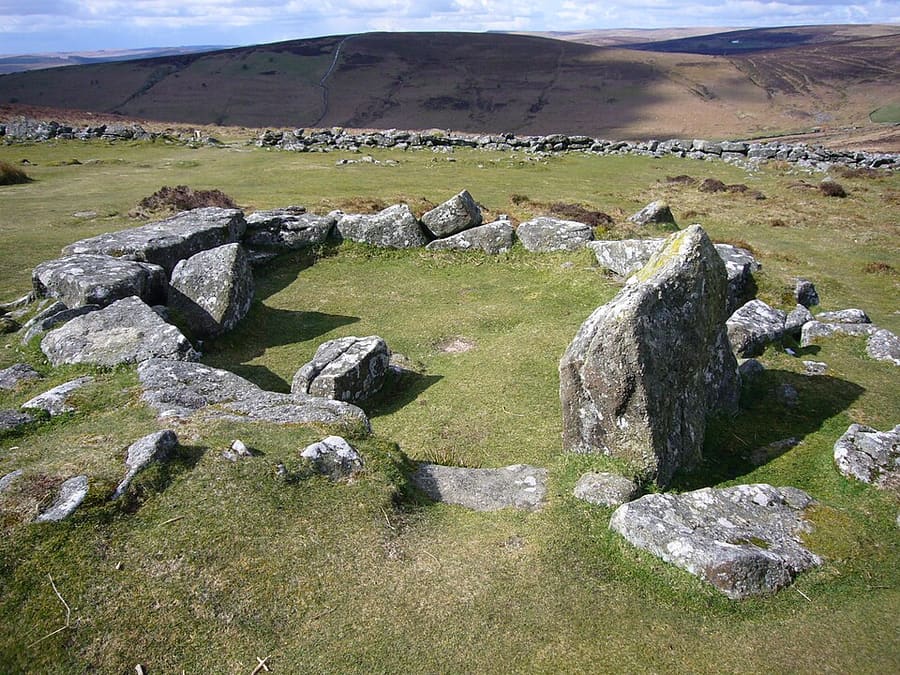
Bronze Age settlement of 24 hut circles inside a low stone wall; a scheduled monument since 1928.
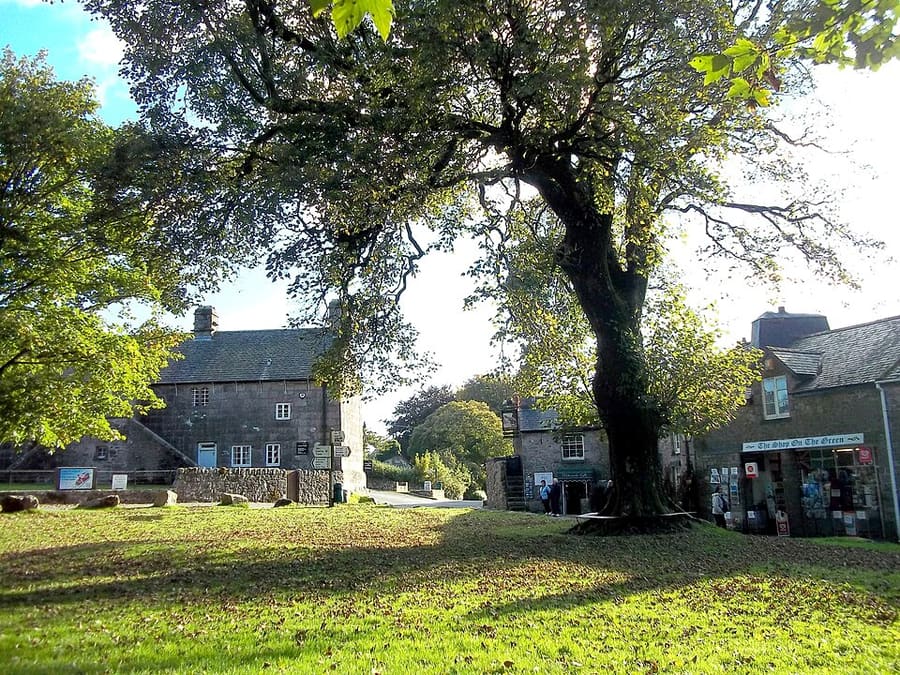
Moorland village whose church is called the Cathedral of the Moors for its tall tower; home of Widecombe Fair.
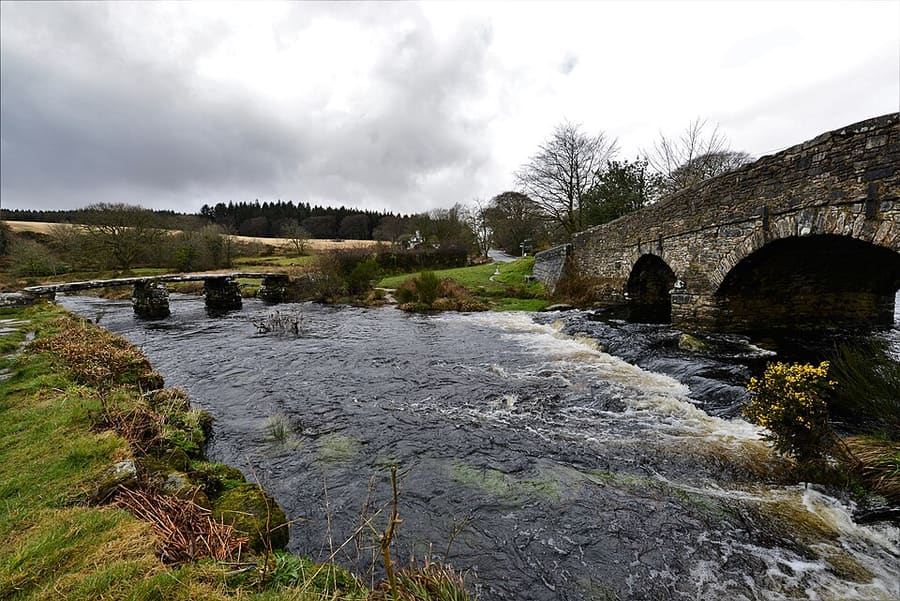
Medieval clapper bridge over the East Dart at Postbridge, probably built in the 13th century for packhorses.
One of the few remaining high-altitude oakwoods on Dartmoor, first recorded in the 17th century.
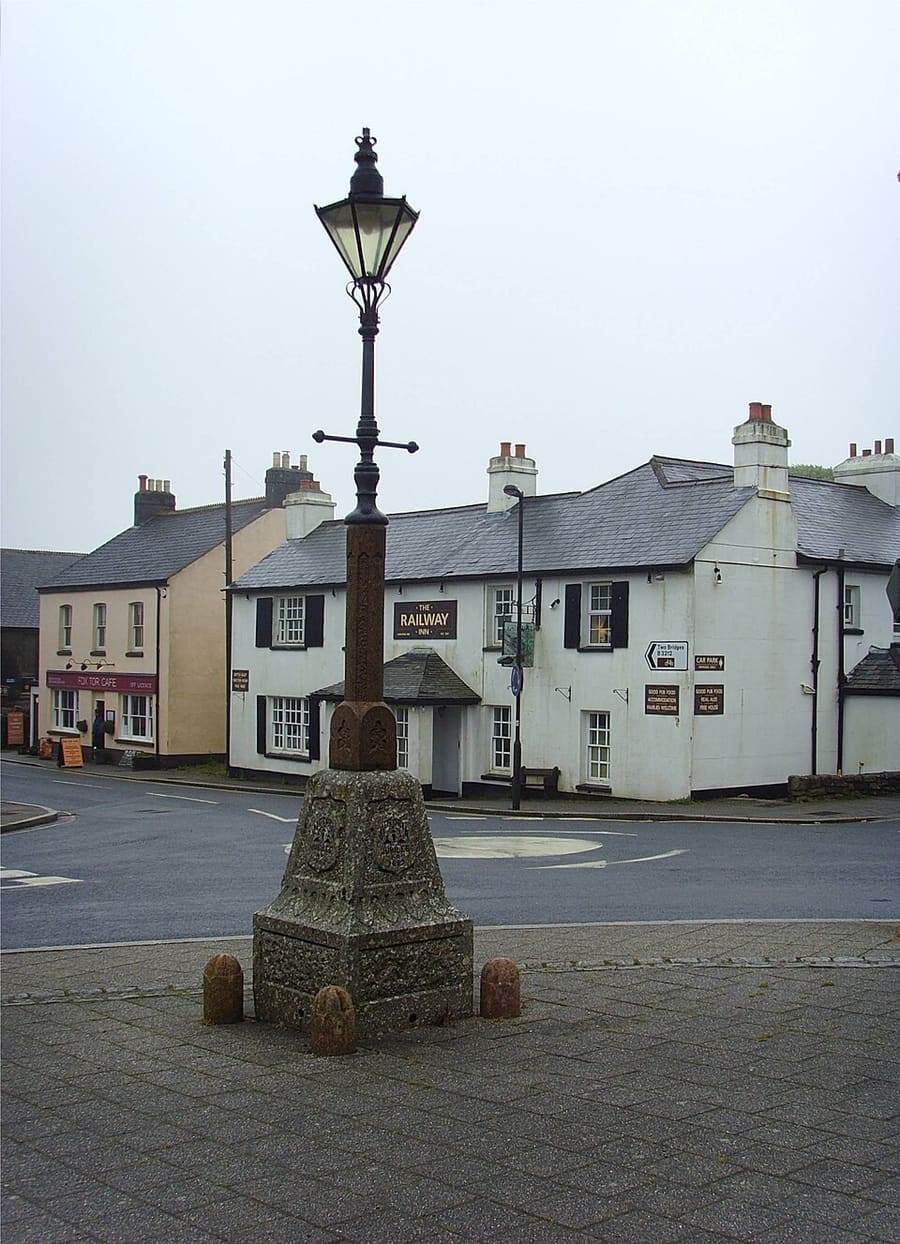
The moor's main village, founded in 1785, beside the granite walls of Dartmoor Prison.
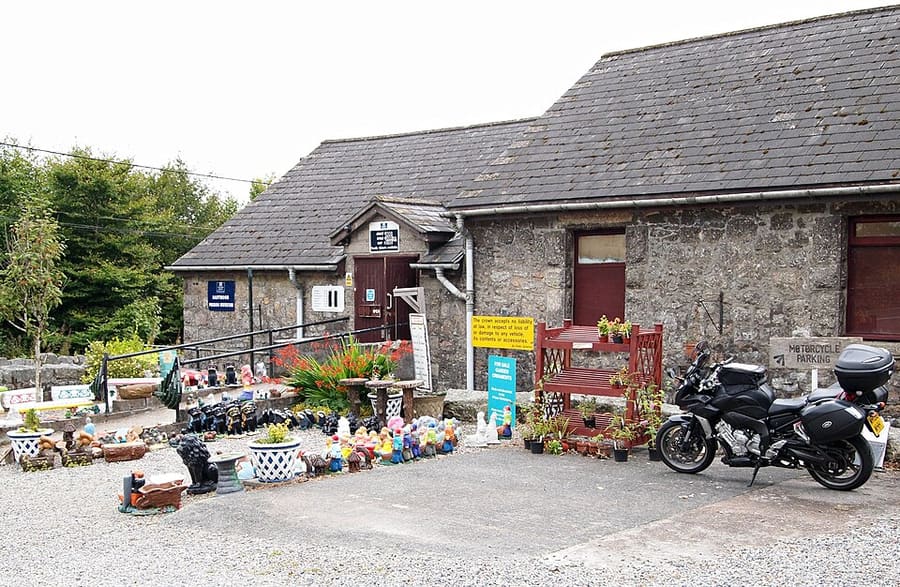
Museum of the history of Dartmoor Prison in Princetown.
Bronze Age stone rows and other megalithic monuments south of the road at Merrivale, managed for English Heritage.
Route Website Report a problem with Merrivale Prehistoric Settlement
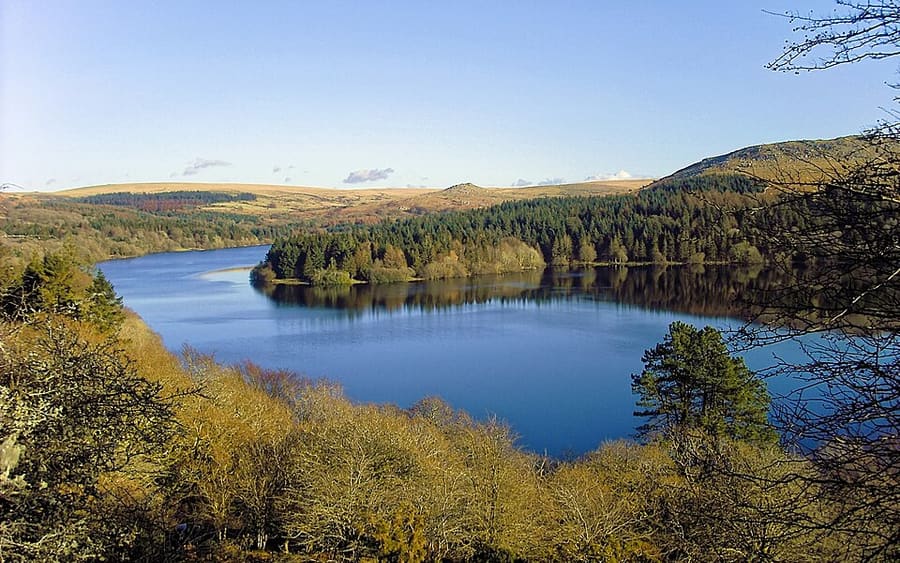
Reservoir on the southern side of the moor, completed in 1898 to supply Plymouth with water.
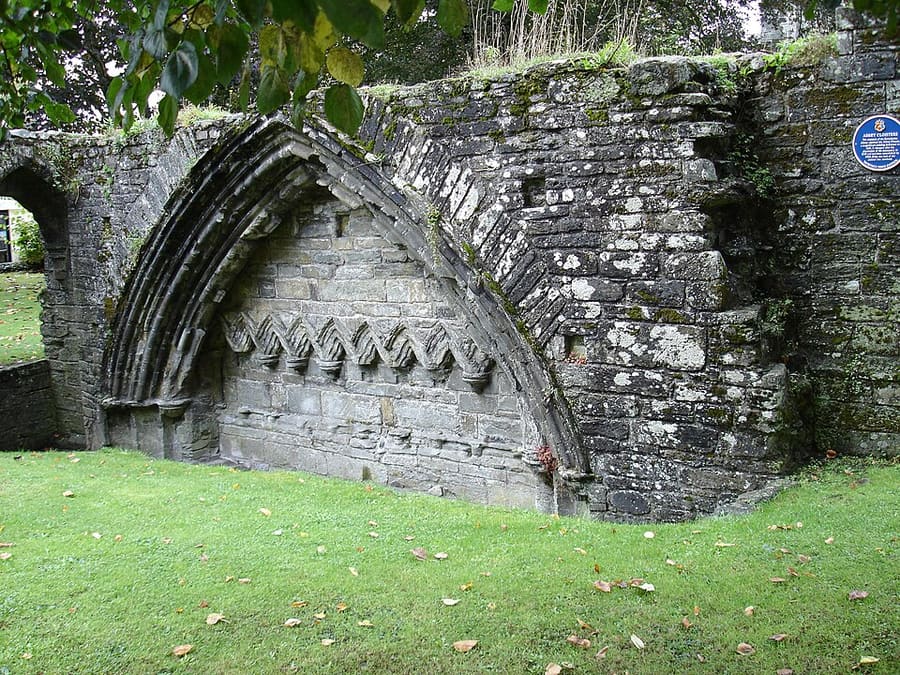
Remains of a Benedictine abbey surrendered in 1539; the refectory, two gateways and a porch survive.
Covered market hall in the centre of Tavistock.
Village below the hill of Brent Tor, which is topped by the church of St Michael of the Rock.
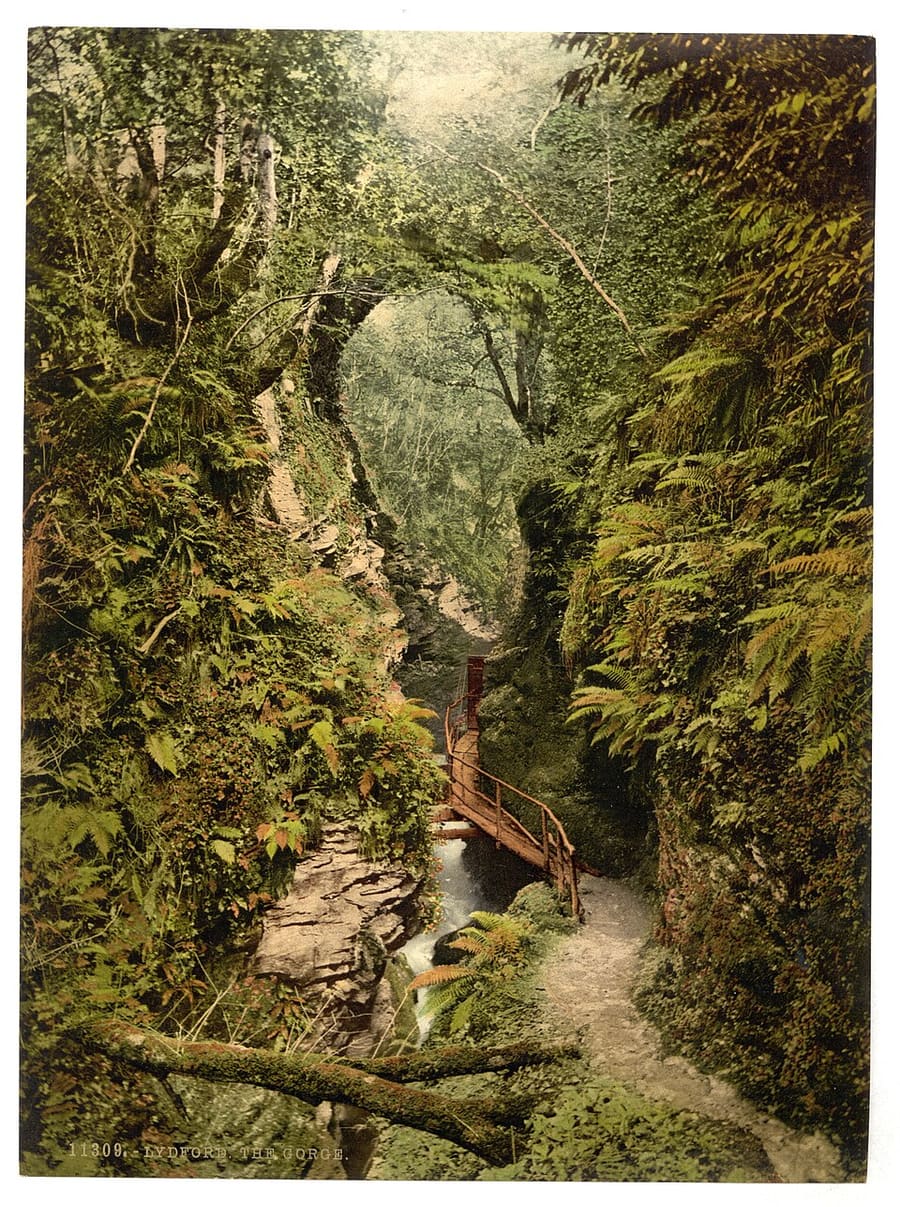
The deepest gorge in South West England, cut by the River Lyd, with a 30-metre waterfall; National Trust, closed in winter.
Stone tower of 1195, rebuilt in the 13th century and used as a prison and court for the Forest of Dartmoor.
Norman motte-and-bailey castle built between 1068 and 1086, later turned into a hunting lodge by the Courtenays.
Social history museum of Dartmoor in an early 19th-century mill with a waterwheel, opened in 1981.
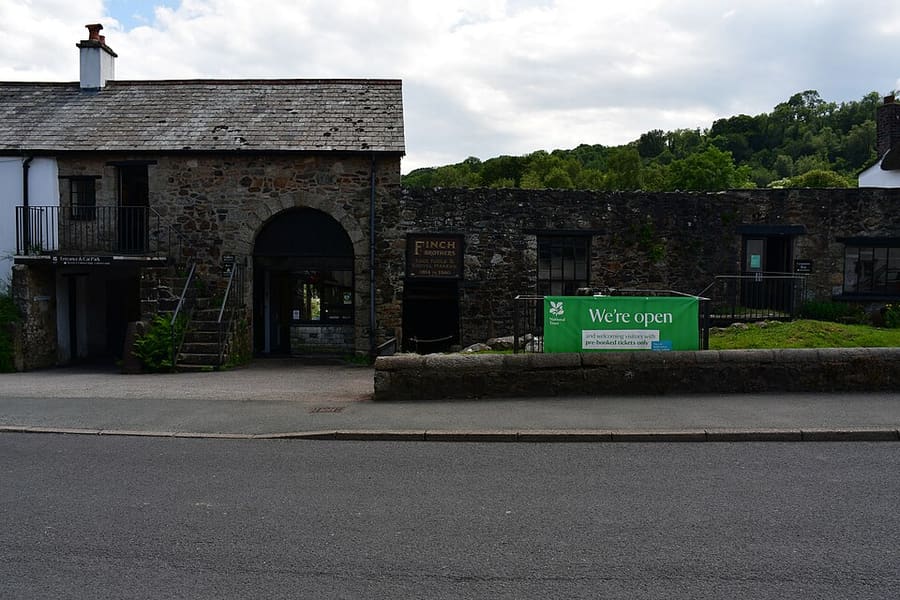
Water-powered forge at Sticklepath that made edge tools until 1960; National Trust, with working hammers.
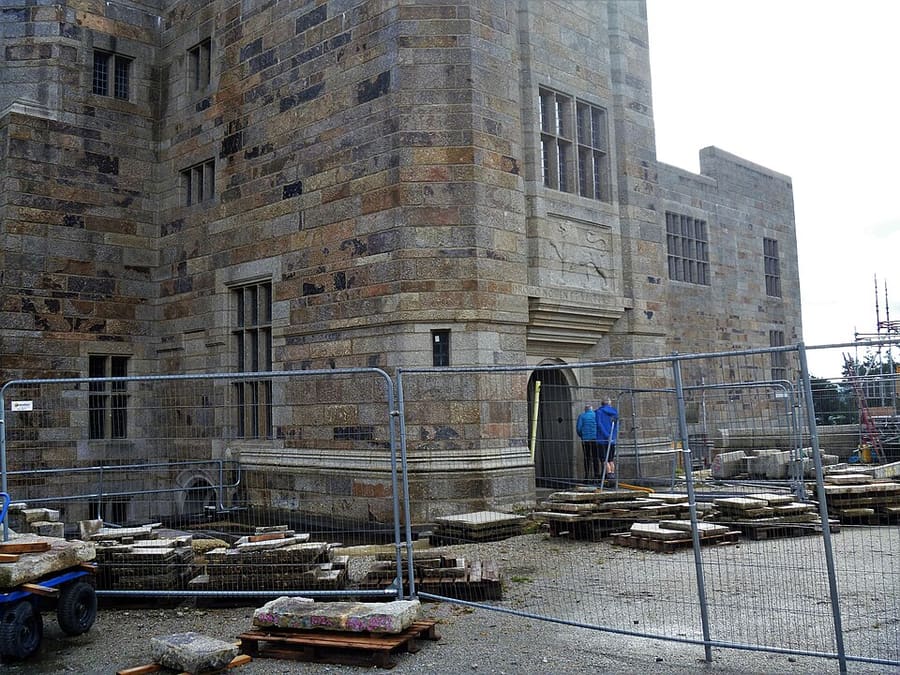
Granite castle by Edwin Lutyens built between 1911 and 1930, described as the last castle built in England.
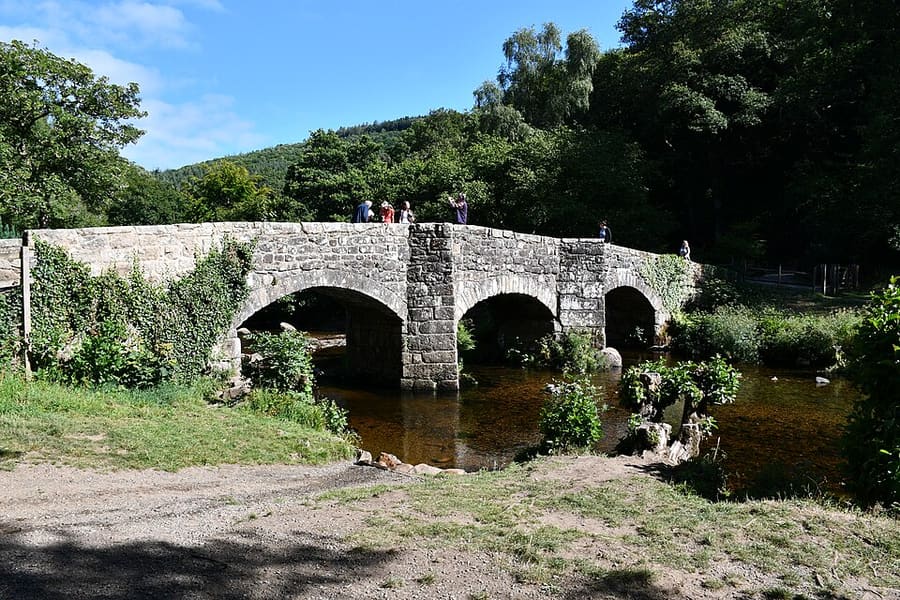
Seventeenth-century three-arched packhorse bridge over the River Teign near Drewsteignton.
Waterfall of about 20 metres in a woodland park with trails and a small animal area.
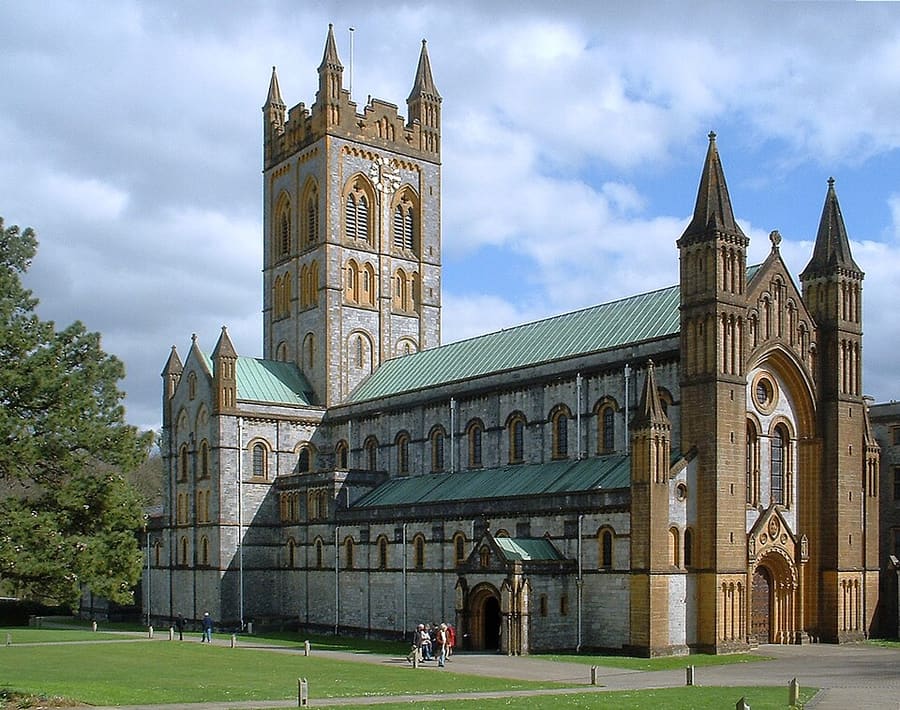
Active Benedictine monastery refounded in 1882; the abbey church was built between 1907 and 1938.
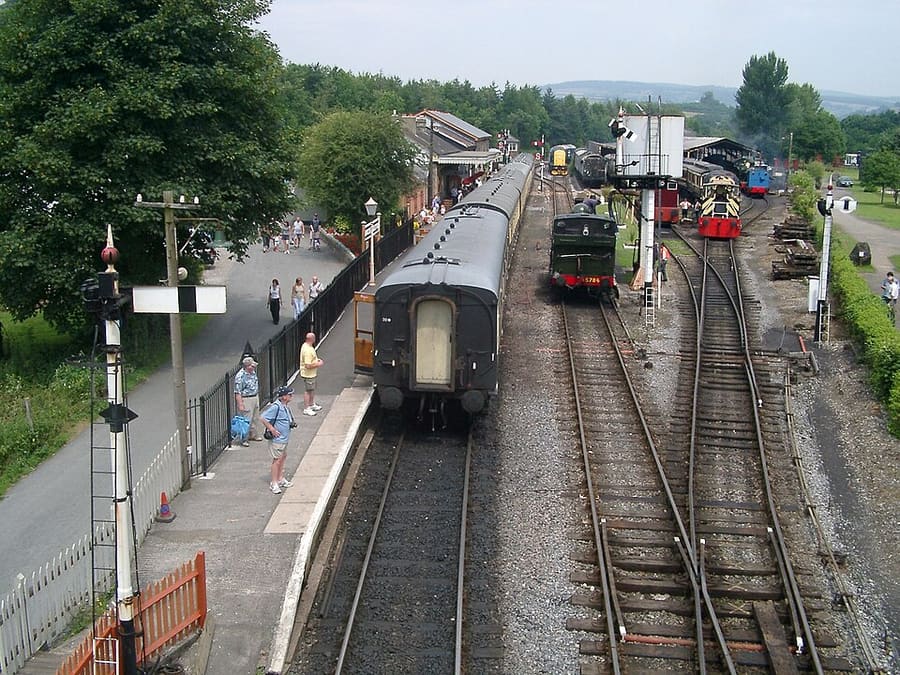
Steam railway of about seven miles along the River Dart between Buckfastleigh and Totnes.
Devon
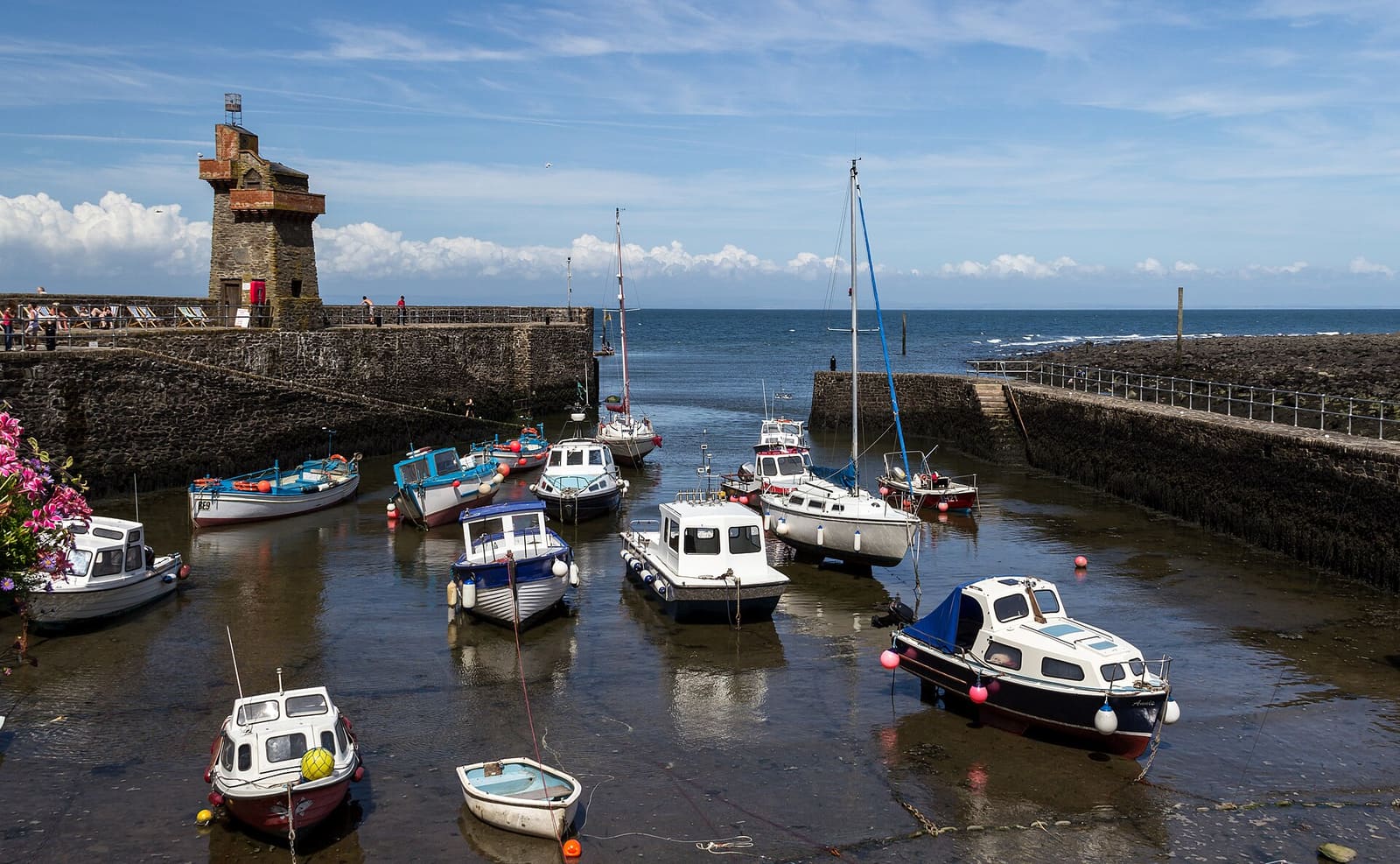
A cliff railway, wooded gorges and high moorland where Exmoor meets the sea
Mini-Guide öffnen →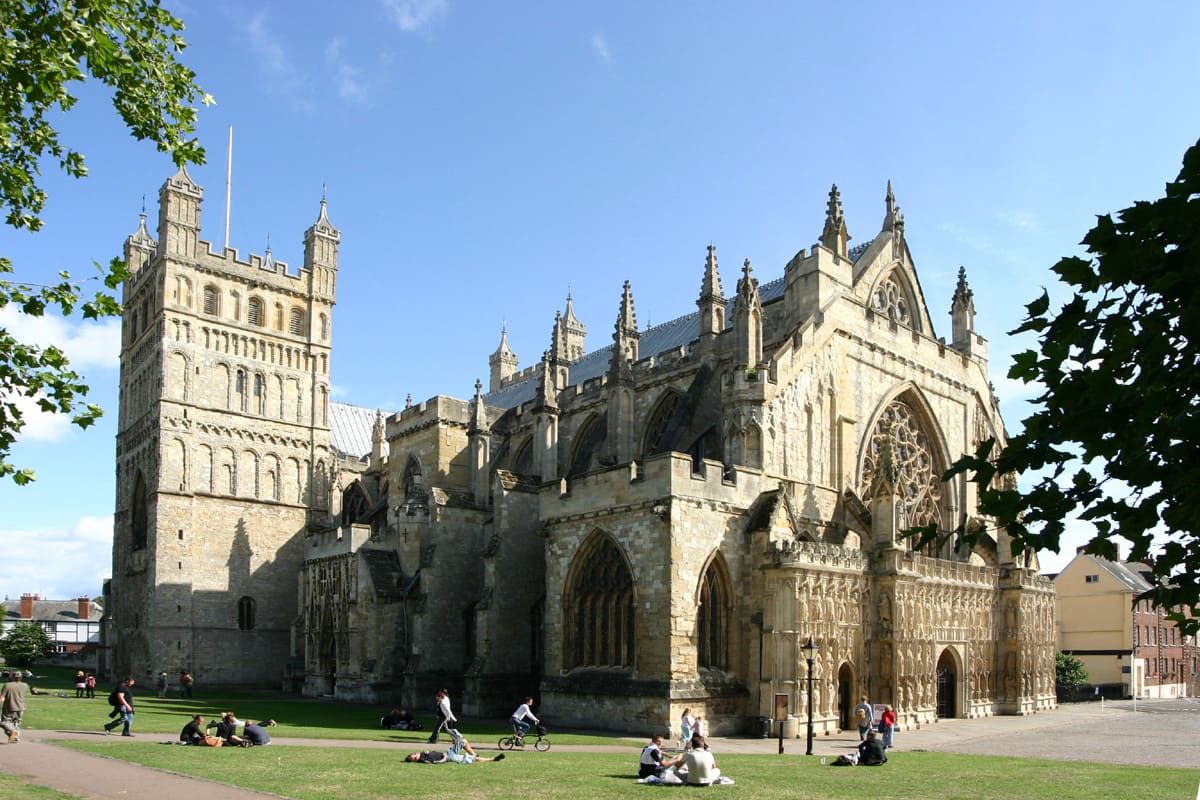
Cathedral city on the Exe with Roman walls, medieval passages and a historic quayside
Mini-Guide öffnen →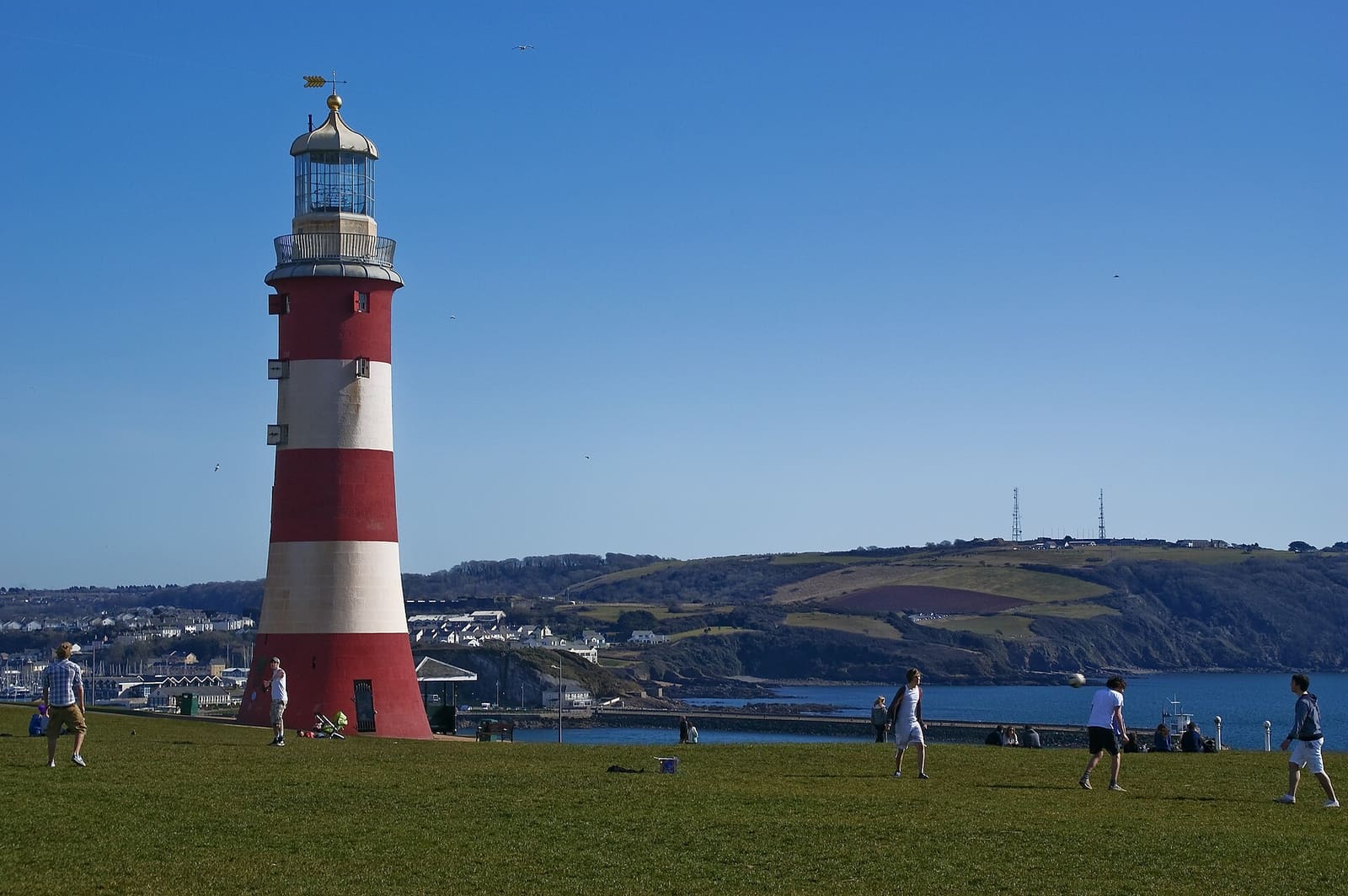
Waterfront city of the Hoe, the Barbican and the Mayflower Steps
Mini-Guide öffnen →Photos from Wikimedia Commons, used under the licences shown. All photo credits
Keep exploring Devon