 English (UK)
 English (US)
 Français
 Deutsch
 Español
 Italiano
 Nederlands
 简体中文
Health and insurance
Travel insurance and healthcare for visitors to the UK
What you can get without paying, what you will be charged for, and why the NHS and the government both tell visitors to buy insurance. Sourced to nhs.uk, NHS inform, nidirect and GOV.UK.
Fakten zuletzt geprüft am 1. Nov. 2026. Britlens ist unabhängig: Lesen Sie unsere Redaktionsrichtlinie.
Rules change. Check before you travel. This page summarises official NHS and government pages as we read them on 1 November 2026. It is not medical, legal or insurance advice.

If someone's life is at risk, call 999. The NHS says to call 111 if you urgently need medical help or advice that is not life-threatening.[1] All the numbers are in our health and safety guide.
What is free for visitors
In England, the NHS lists services that are free to everyone, including visitors:[1]
- A&E (accident and emergency), but not emergency treatment once you are admitted to hospital.[1]
- Seeing a GP as a temporary patient during a short visit. The NHS adds that being registered with a GP does not in itself mean you are entitled to free hospital treatment.[1]
- NHS 111, the urgent advice line.[1]
The NHS also says that if paying in advance would prevent or delay treatment a clinician decides is urgent, that treatment is not held up for payment.[2]
What visitors pay for
The NHS says that if you are not exempt, you will be charged for hospital (secondary) care at 150% of the national NHS rate.[1][2] You also pay for things such as prescriptions, dental treatment and eye tests.[1] Some visitors are exempt, and the NHS says visitors from some non-EU countries with a reciprocal arrangement may be covered for some treatment; its page does not list the countries, so ask your own health authority or insurer.[3]
For visits of under 6 months, the NHS says you should make sure you are covered for healthcare through personal medical or travel insurance for all of your visit.[1][2]


Scotland, Wales and Northern Ireland
Health is run separately in each nation, and the pages above are for England.[6]
- Scotland: NHS inform says emergency treatment is free in A&E, casualty departments and walk-in centres that offer A&E-type services; you may be charged if you are admitted as an inpatient or registered as an outpatient; and as a temporary resident you do not pay to see a GP. It says anyone coming to Scotland should always have travel insurance with medical cover.[4]
- Northern Ireland: nidirect says there is no charge for treatment in an emergency department, and that other treatment may be charged.[5]
- Wales: we did not find a visitor charging page for Wales that we could read. GOV.UK says the way you access healthcare in Scotland, Wales and Northern Ireland could be different from England.[6]
EHIC, GHIC and the health surcharge
EHIC (visitors from the EU, Norway, Iceland, Liechtenstein and Switzerland). GOV.UK says to bring your European Health Insurance Card if you are eligible to keep using it in the UK. A valid EHIC covers medically necessary care, pre-existing conditions and routine maternity care. It does not cover planned treatment, private healthcare, being flown home, or lost or stolen property. If you lose the card, ask the relevant organisation at home for a Provisional Replacement Certificate (PRC).[6] Without an EHIC or PRC you may be charged 150% of the NHS rate.[6][3] NHS inform adds that the EHIC is not a replacement for travel insurance, because it does not pay for medical repatriation.[4]
GHIC is the UK's own card for UK residents going abroad, so it is not something a visitor can use here.[7]
Immigration health surcharge (IHS). This is paid with longer visa applications. GOV.UK says you do not pay it when applying for a visitor visa, or when applying from outside the UK for 6 months or less.[8] A Standard Visitor visa is usually for stays of up to 6 months.[9]


Choosing a policy
We do not sell or recommend insurance. These are the questions that follow from what the official pages say is not covered for visitors; read the policy wording for the answers:
- Medical cover in the UK, including hospital admission, which the NHS charges visitors for.[1]
- Repatriation (being flown home), which an EHIC does not pay for.[6][4]
- Pre-existing conditions: GOV.UK says insurance is particularly important if you have one; declare it so the policy covers it.[6]
- Your activities: if you plan hill walking, scrambling or water sports, check they are included. See our regional kit notes.
- Lost or stolen belongings and cancellations, which health cover does not include.[6] If it happens, our lost passport and cards guide lists who to contact.
- Prescriptions: visitors pay for these, so bring enough of your regular medicines; see travelling with medicines.[1]
If you need care during your trip
- Life-threatening: call 999.
- Urgent but not life-threatening: call 111 (England; NHS 24 on 111 in Scotland).[1]
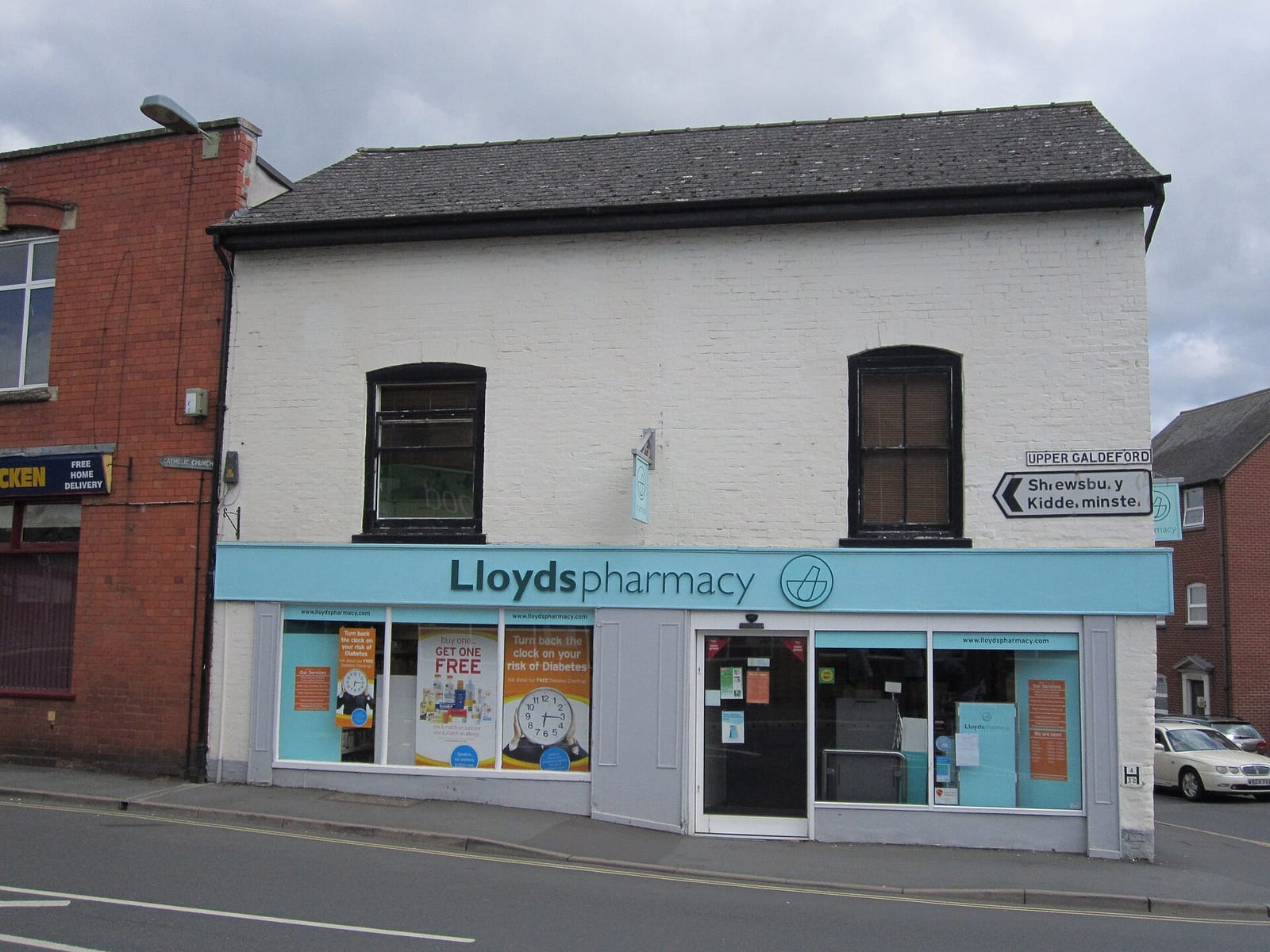
- Minor illness: a pharmacist can advise; see pharmacies and urgent care.
- Tell your insurer early if you are admitted, keep receipts, and ask the hospital how it will charge you.
Quick answers
Is NHS treatment free for tourists?
Not all of it. In England, A&E is free to everyone (but not emergency treatment once you are admitted to hospital), and seeing a GP as a temporary patient is free. Hospital treatment for visitors is charged at 150% of the national NHS rate unless an exemption applies.
Do I need travel insurance to visit the UK?
It is not an entry requirement on the pages we read, but the NHS says visitors should be covered by personal medical or travel insurance for the whole visit, and GOV.UK says the government always advises visitors to take out travel or health insurance.
Does my EHIC work in the UK?
If you are eligible to use it in the UK, yes: GOV.UK says a valid EHIC covers medically necessary care, pre-existing conditions and routine maternity care. It does not cover planned treatment, private care, being flown home or lost or stolen property.
Do visitors pay the immigration health surcharge?
No. GOV.UK says you do not pay the immigration health surcharge when applying for a visitor visa, or when applying from outside the UK for 6 months or less.
Next: check whether you need an ETA or a visa, then use the pre-trip checklist.
Quellen
Read on the dates shown. Rules, fees and services change: check the source before you rely on it. Pages marked “not read” refused automated access, so we state nothing from them.
- How to access NHS services in England if you are visiting from abroad (opens in new tab), NHS (nhs.uk), read 1 November 2026
- Visitors from outside the European Economic Area (EEA) (opens in new tab), NHS (nhs.uk), read 1 November 2026
- Visitors who do not need to pay for NHS treatment (opens in new tab), NHS (nhs.uk), read 1 November 2026
- Healthcare for overseas visitors (opens in new tab), NHS inform (Scotland), read 1 November 2026
- Health services for visitors to Northern Ireland (opens in new tab), nidirect, read 1 November 2026
- Healthcare for visitors to the UK from the EU (opens in new tab), GOV.UK (DHSC), read 1 November 2026
- Apply for a free UK Global Health Insurance Card (GHIC) (opens in new tab), NHS (nhs.uk), read 1 November 2026
- Pay for UK healthcare as part of your immigration application (opens in new tab), GOV.UK, read 1 November 2026
- Visit the UK as a Standard Visitor (opens in new tab), GOV.UK, read 1 November 2026