
Avebury Henge and Stone Circles
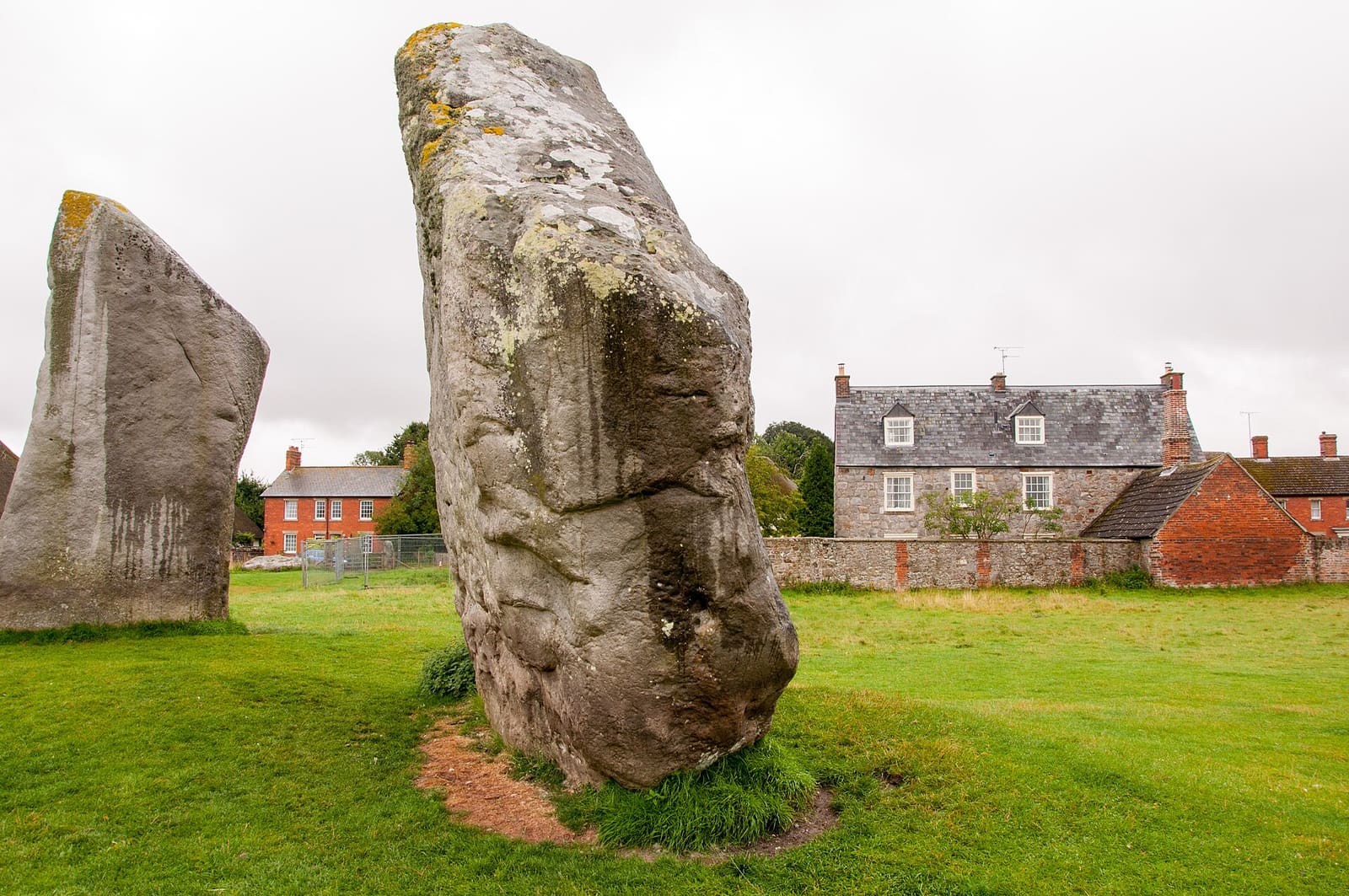
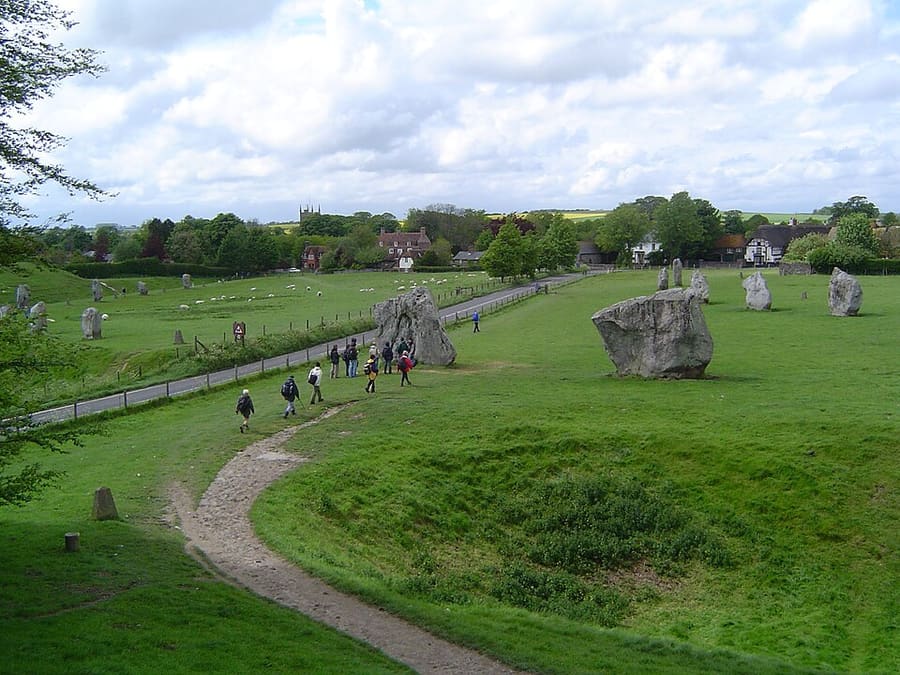
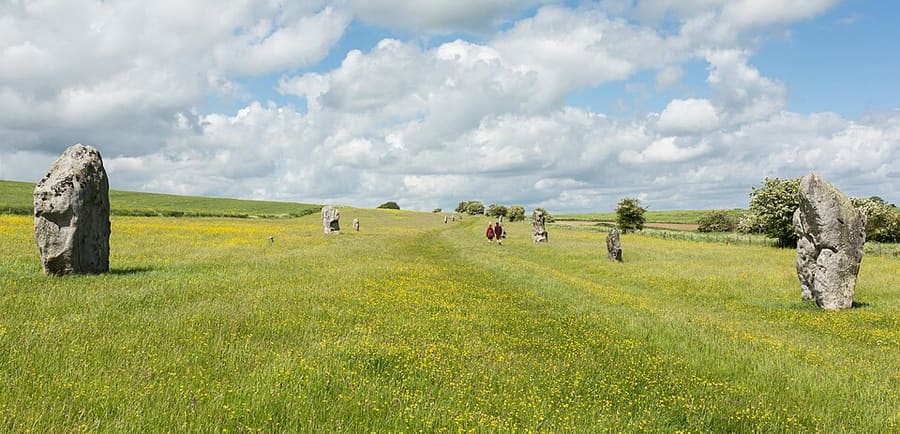
Neolithic bank, ditch and the largest stone circle in Britain, built between about 2850 and 2200 BC around part of the village.
Directions Website Report a problem with Avebury Henge and Stone Circles
A mini guide to
The Avebury stone circles, Silbury Hill, West Kennet Long Barrow and the market town of Marlborough
1 / 7Welcome to the area
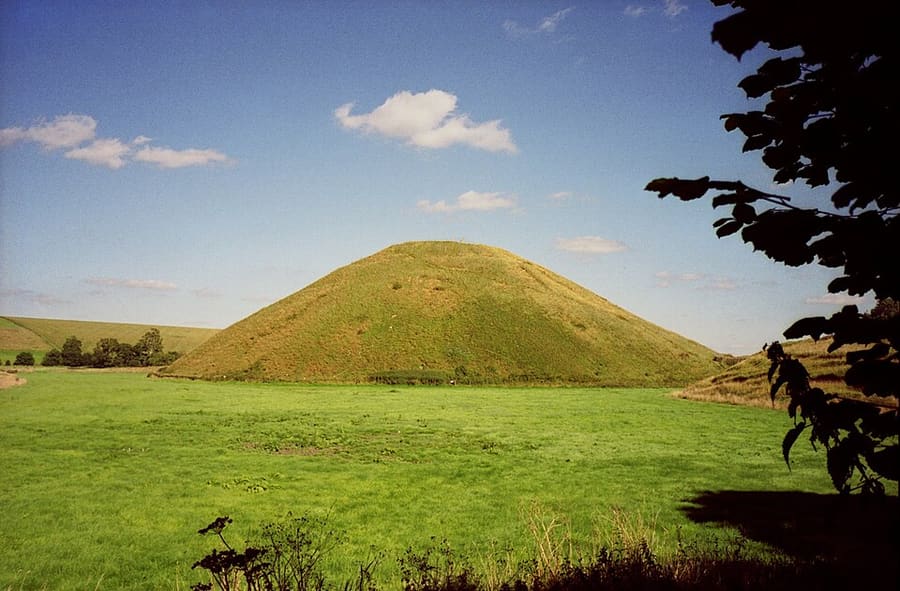
Avebury's henge was built and reshaped between about 2850 and 2200 BC: a huge bank and ditch around part of the village, enclosing the largest stone circle in Britain and two smaller circles. West Kennet Avenue, The Sanctuary, Silbury Hill, West Kennet Long Barrow and Windmill Hill lie around it, many within walking distance.
The National Trust manages the henge on behalf of English Heritage and runs the Alexander Keiller Museum, Avebury Manor and the car park. Marlborough, 6 miles east on the River Kennet, is a market town of about 9,100 people with a broad High Street, a twice-weekly market and Savernake Forest to the south-east.
Highlights
If you only have a few hours, these are good places to begin.
Neolithic bank, ditch and the largest stone circle in Britain, built between about 2850 and 2200 BC around part of the village.
Directions Website Report a problem with Avebury Henge and Stone Circles
Museum of finds from the Avebury monuments; English Heritage suggests starting here to learn about the sites around the village.
Directions Website Report a problem with Alexander Keiller Museum
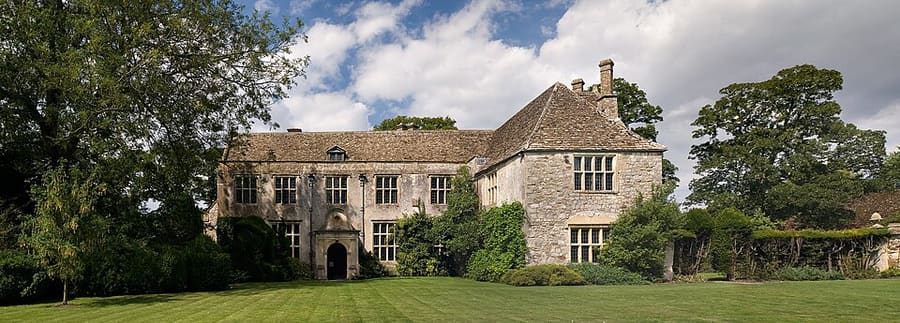
Grade I listed early 16th-century manor house next to the church, run by the National Trust, with a formal garden.
Directions Website Report a problem with Avebury Manor and Garden
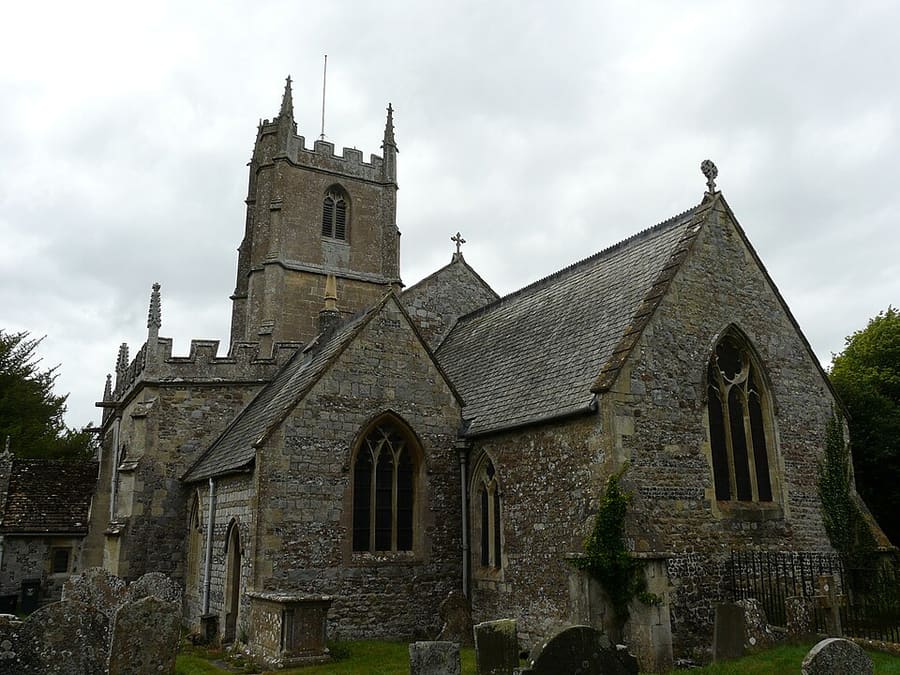
Village church beside Avebury Manor, just west of the henge bank.
Avenue of paired standing stones, originally about 100 pairs, running 1.5 miles from Avebury towards The Sanctuary.
Site of rings of timber posts and stones begun about 2500 BC on Overton Hill, now marked by concrete blocks and posts.
Find your way
The map shows Avebury and Marlborough and the streets around it. The Getting there page lists nearby stops and stations.
Insider tips
English Heritage suggests beginning at the Alexander Keiller Museum to learn about the six monuments in its care before walking out to them.
Sheep often graze among the stones, so keep dogs on a lead; dogs are welcome everywhere except the café.
There is no public access to the hill itself. The viewing area has information panels and a small car park with no space for coaches.
Paths between the sites are uneven and can be muddy; walking is the best way to see them.
Tips from the Britlens editors
Explore this guide
Salisbury & Stonehenge
The cathedral and Magna Carta, the Close, the Market Place and the hillfort of Old Sarum
Open the mini guide →
The stones, Woodhenge, Durrington Walls and the barrows of the Stonehenge landscape
Open the mini guide →Photos from Wikimedia Commons, used under the licences shown. All photo credits
Keep exploring Salisbury & Stonehenge