 English (UK)
 English (US)
 Français
 Deutsch
 Español
 Italiano
 Nederlands
 简体中文
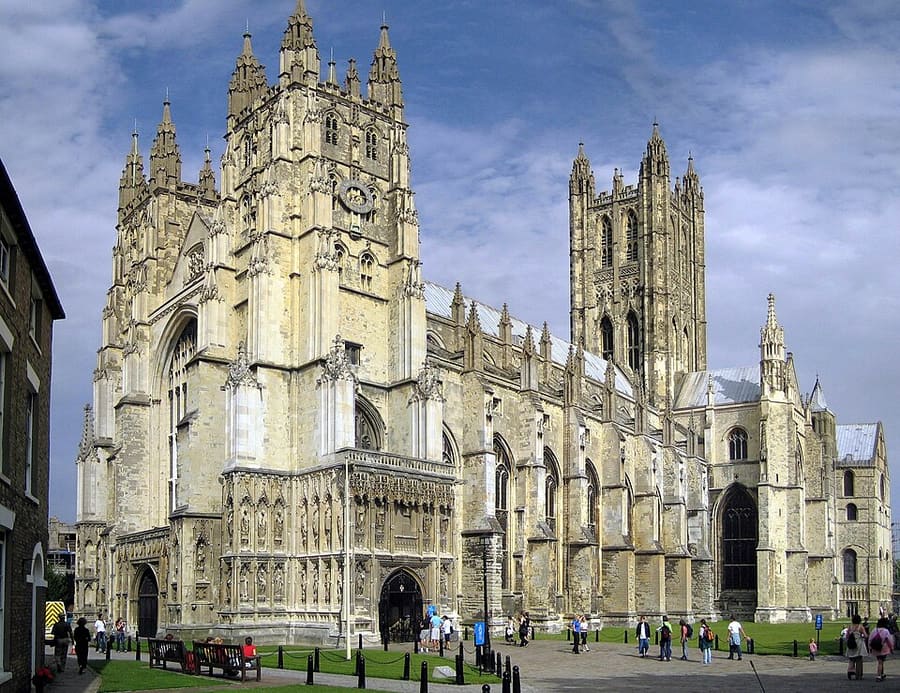
Cathedral
Canterbury Cathedral
Seat of the Archbishop of Canterbury and part of the World Heritage Site; Romanesque and early Gothic, partly rebuilt after a fire in 1174.
Directions Website Report a problem with Canterbury Cathedral
A mini guide to
Places worth your time in Canterbury
Top places
Landmarks, museums, parks and viewpoints in and around the area.
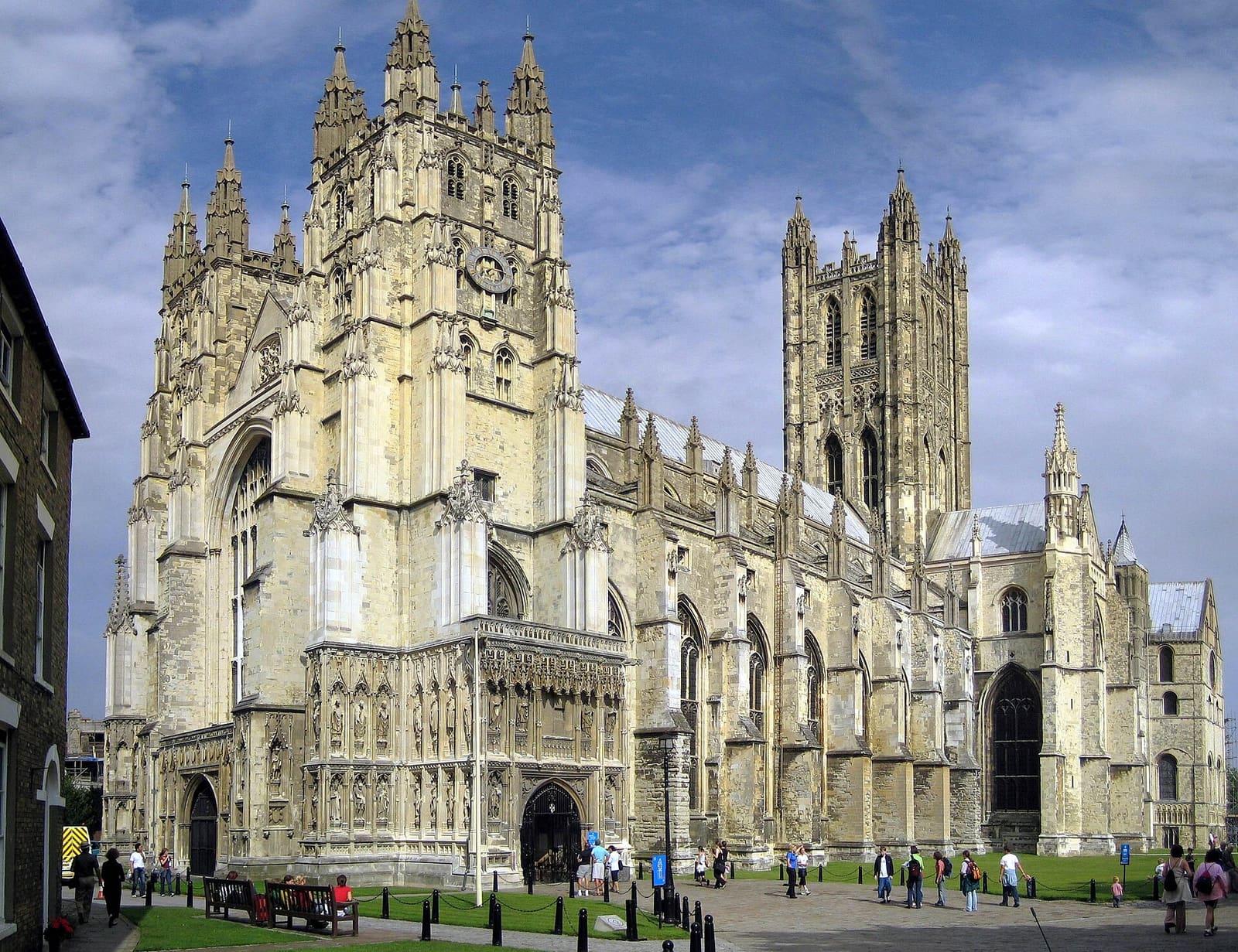
Seat of the Archbishop of Canterbury and part of the World Heritage Site; Romanesque and early Gothic, partly rebuilt after a fire in 1174.
Directions Website Report a problem with Canterbury Cathedral
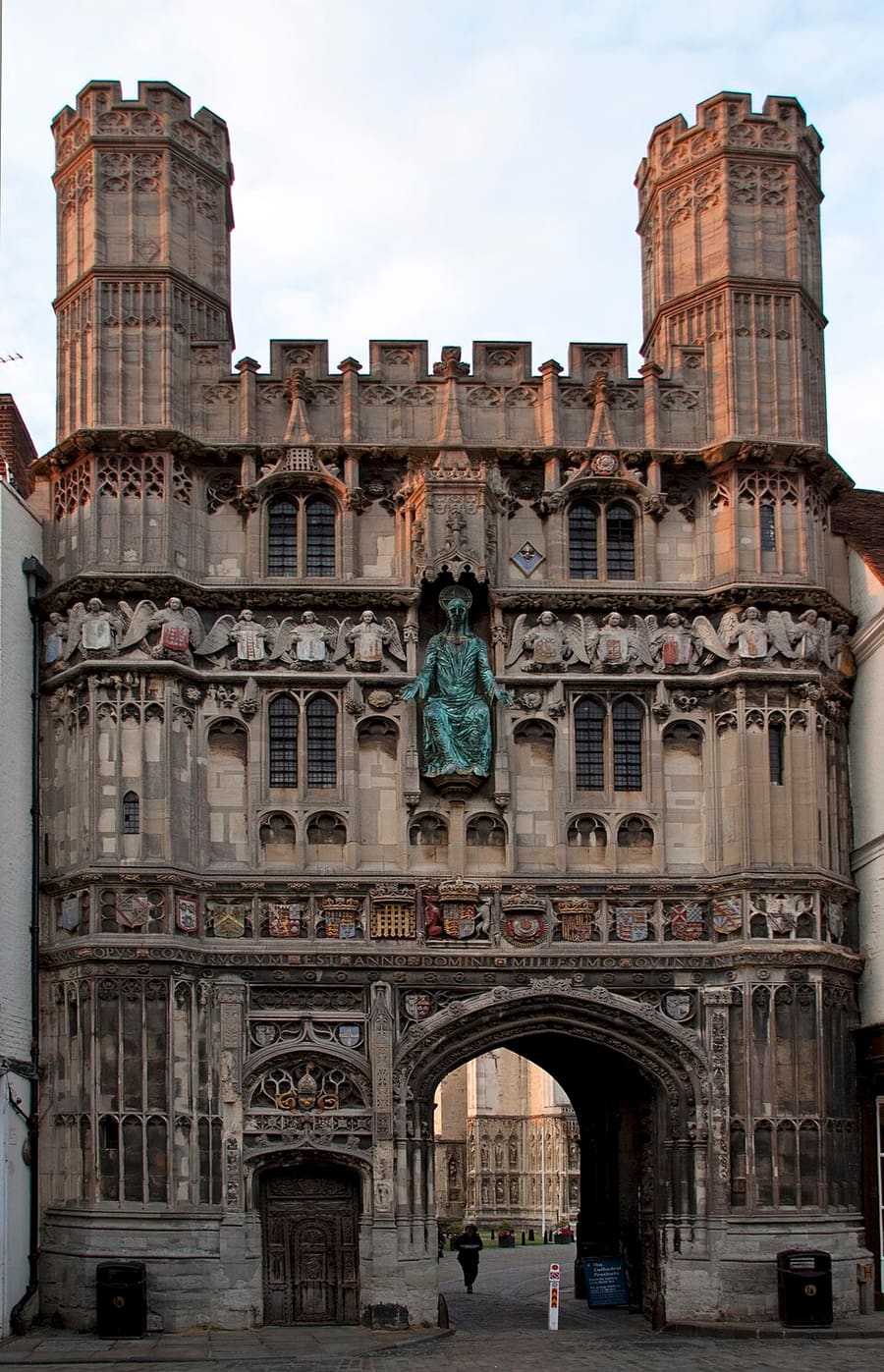
Grade I listed gateway leading from the city centre into the cathedral precincts.
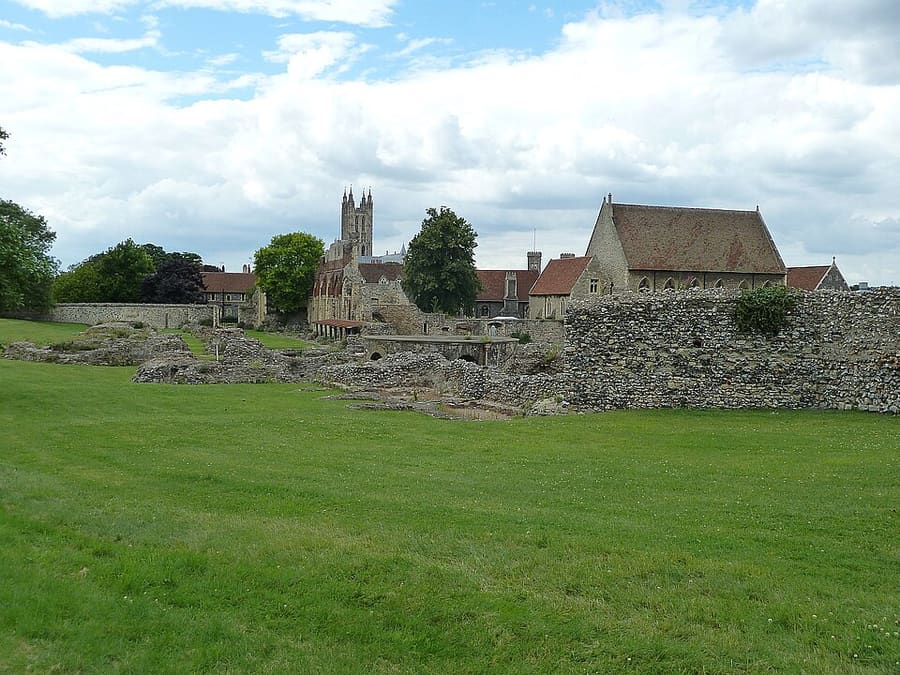
Ruins of a Benedictine monastery founded in 598 and dissolved in 1538, now looked after by English Heritage.
Directions Website Report a problem with St Augustine's Abbey
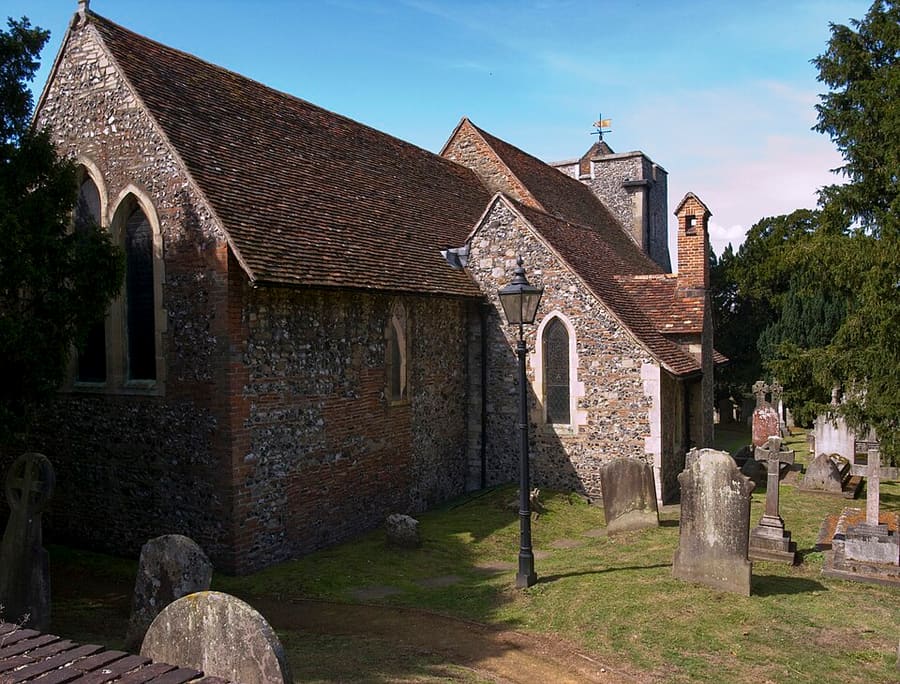
A working parish church on the eastern edge of the city, part of the World Heritage Site with the cathedral and the abbey.
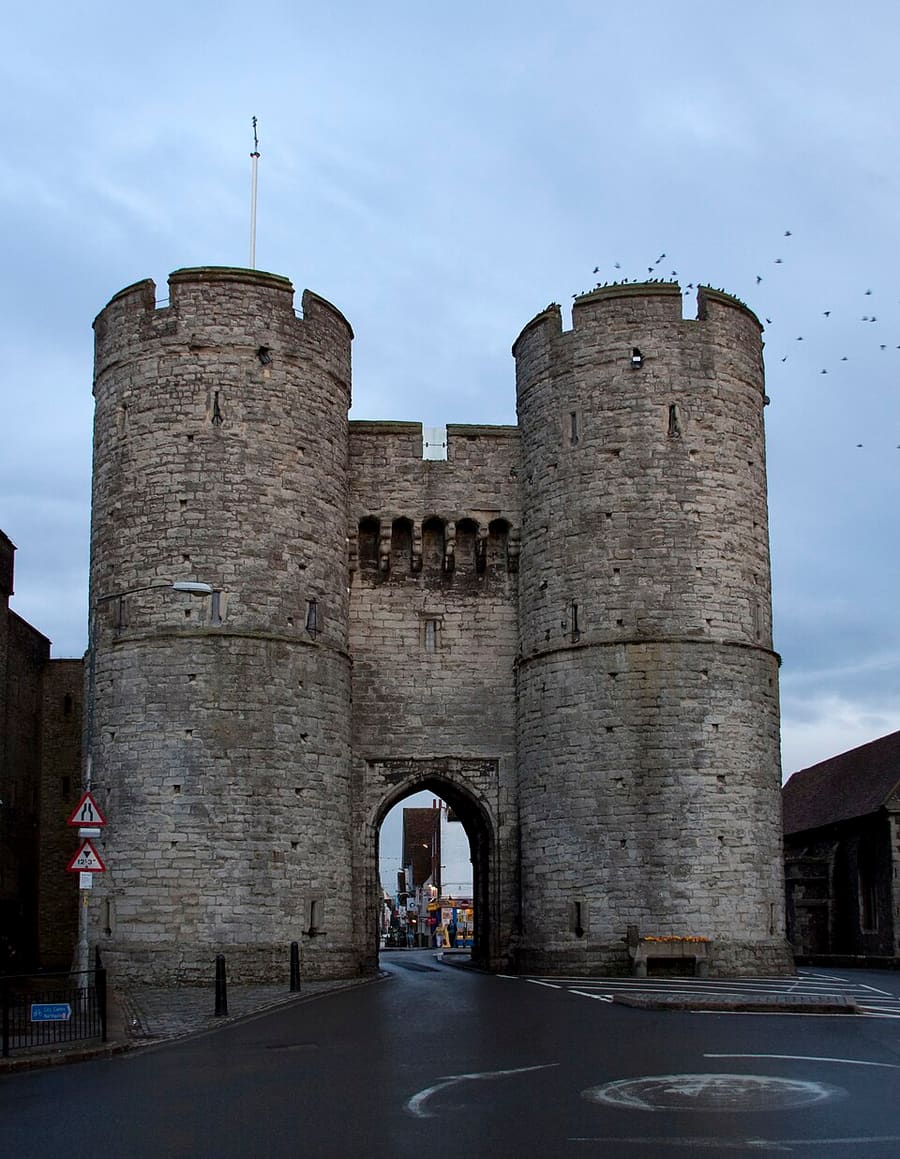
The largest surviving medieval city gate in England, built of Kentish ragstone around 1379; the road still runs between its drum towers.
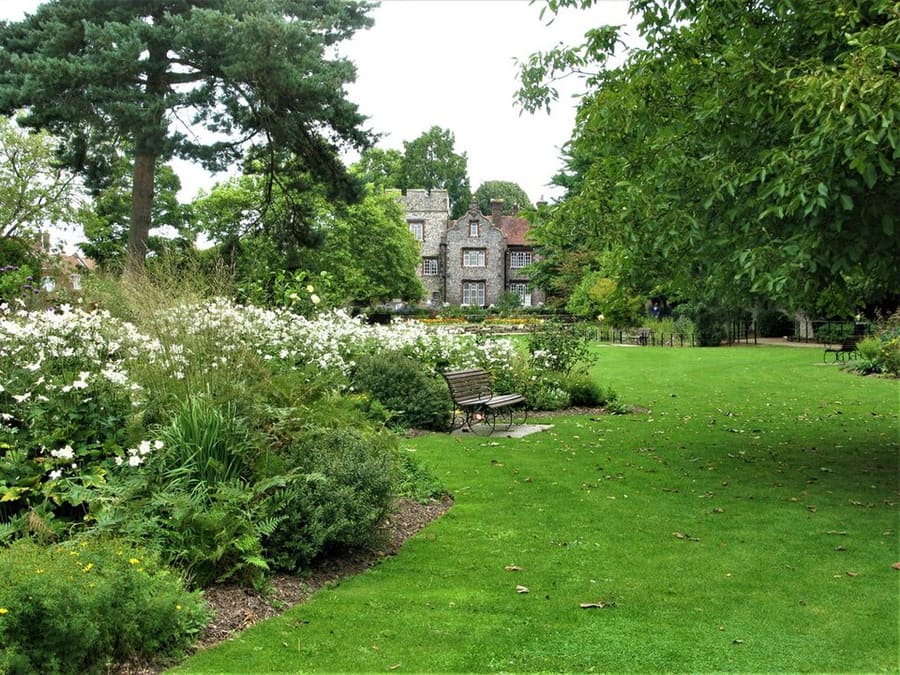
Riverside gardens on the Stour next to the Westgate.
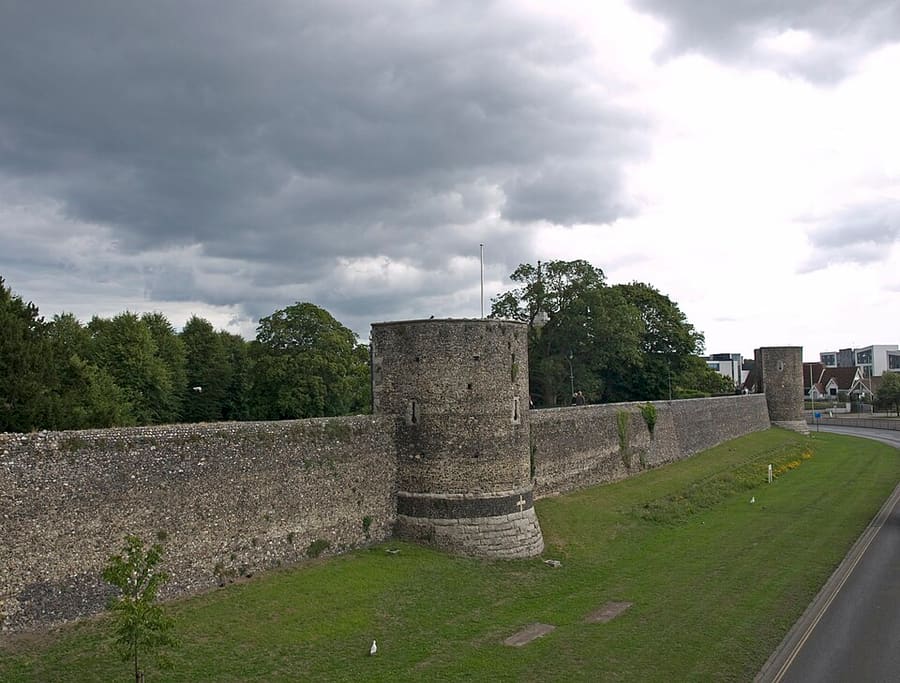
Medieval walls on Roman foundations that still circle much of the centre; a wall walk runs above Dane John Gardens.
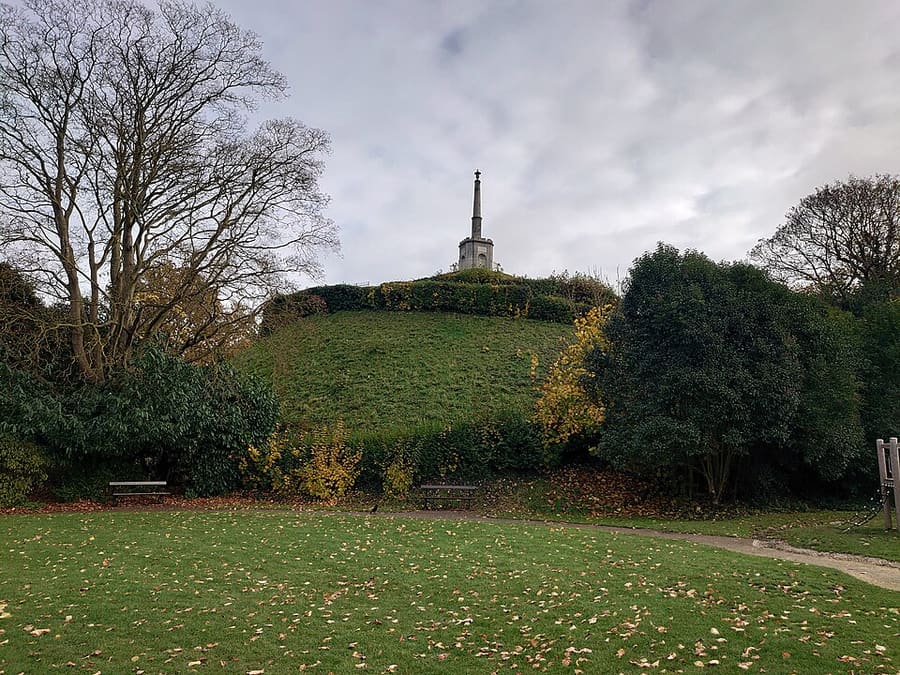
Gardens laid out between 1790 and 1803 in the south-east corner of the walls, around the Dane John mound.
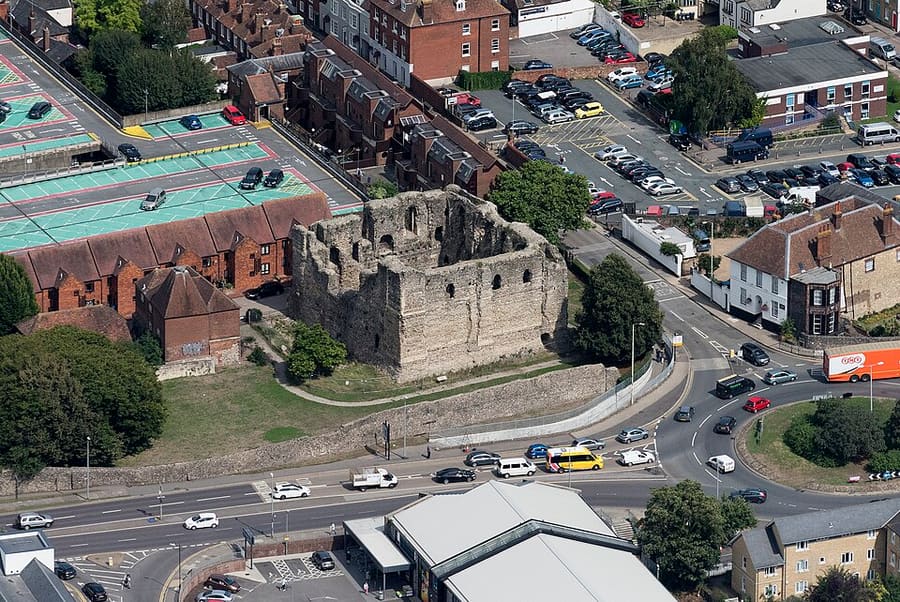
Ruined Norman keep beside the city walls, one of the royal castles built after the conquest, rebuilt in stone in the early 12th century.
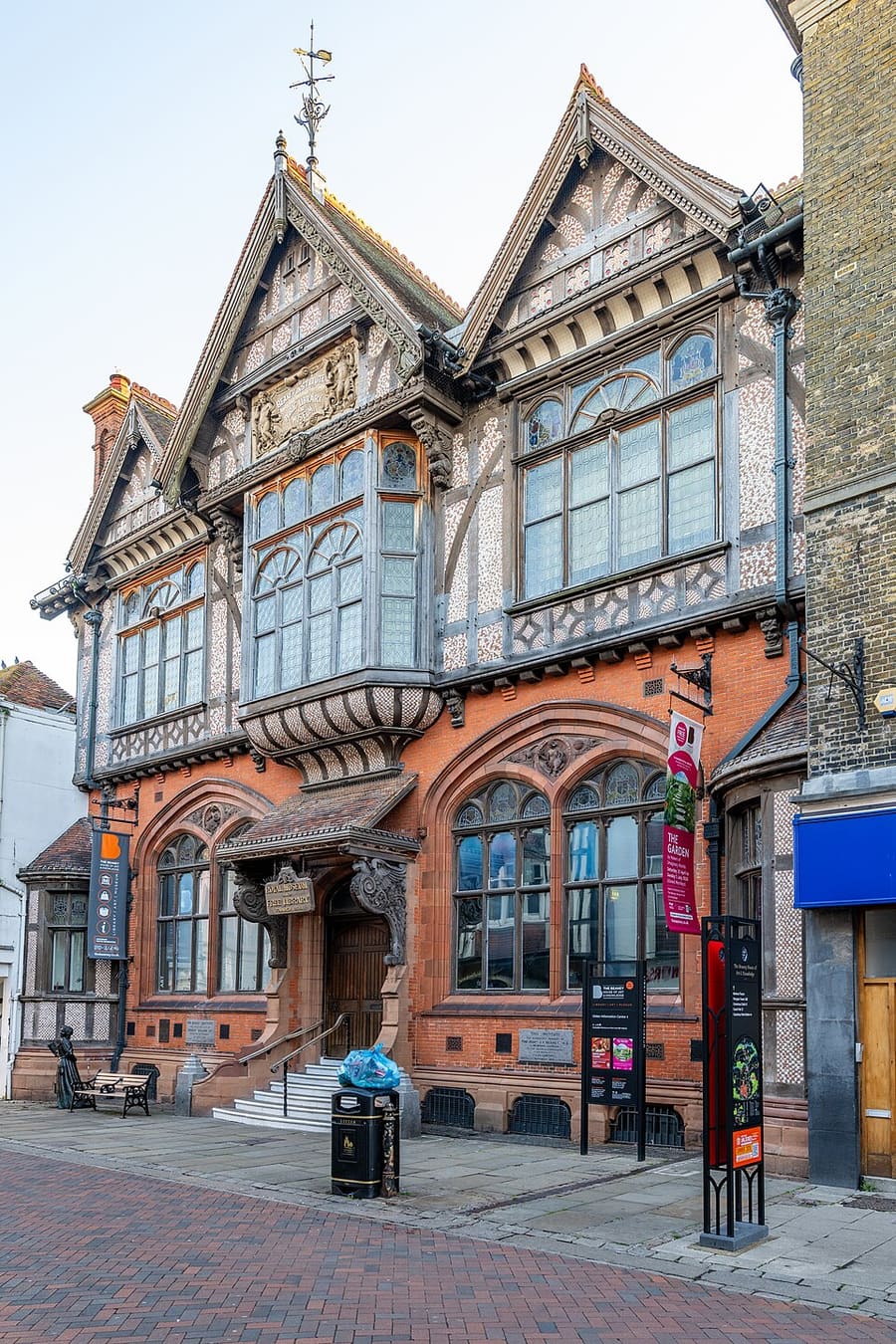
Museum, art gallery and library on the High Street; it also houses the Canterbury visitor information centre.
Directions Report a problem with The Beaney House of Art and Knowledge
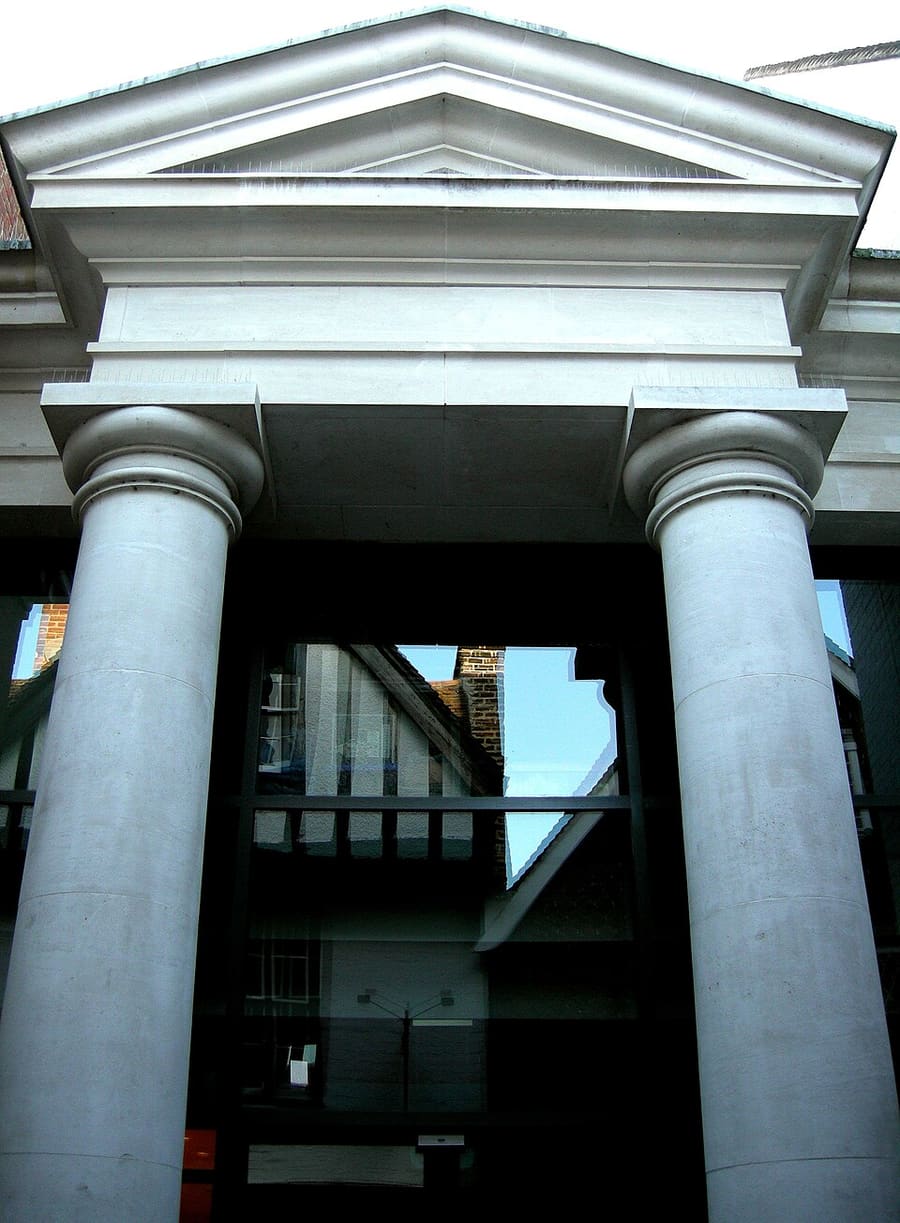
Museum built around the remains of a Roman town house and its mosaics, below the modern street level.
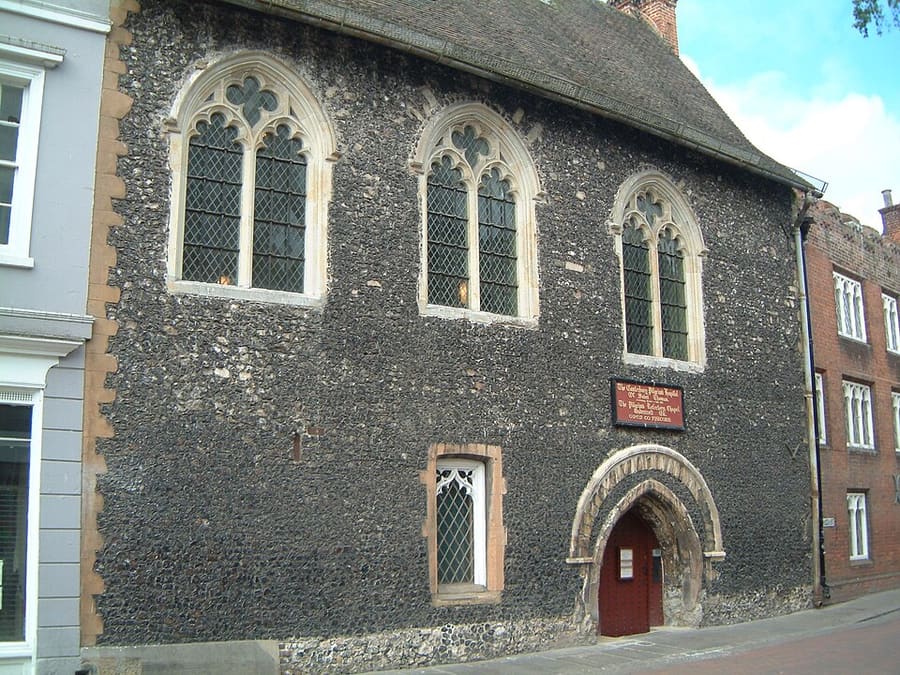
Founded in the 12th century to give poor pilgrims a night's lodging, on the High Street.
Directions Website Report a problem with Eastbridge Hospital
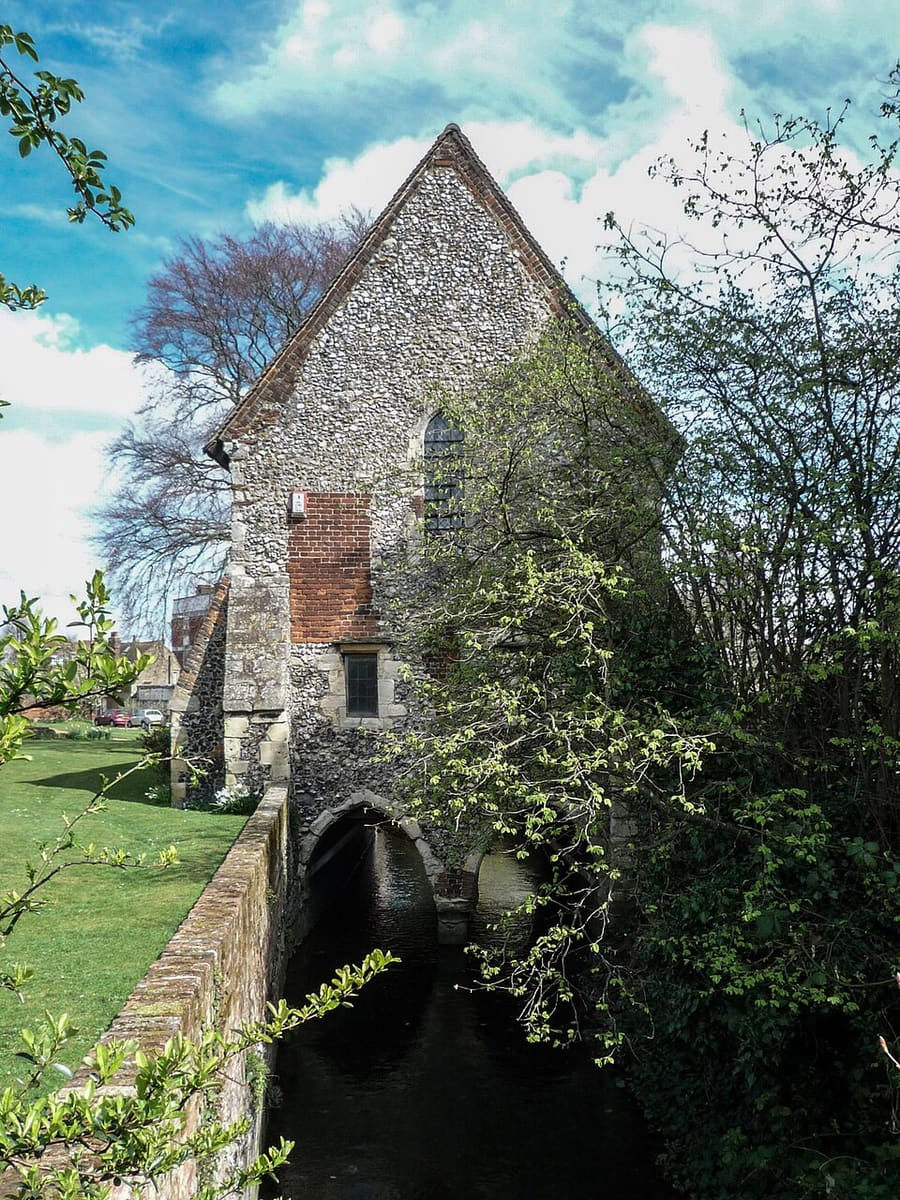
Surviving building of Greyfriars, the first Franciscan friary in England.
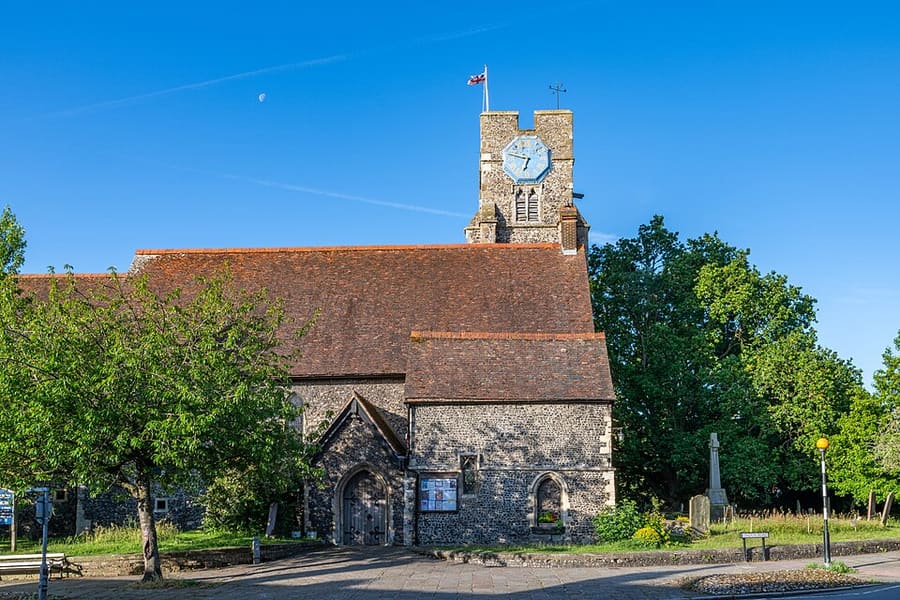
Grade I listed church just outside the Westgate, at the junction of London Road and Whitstable Road.
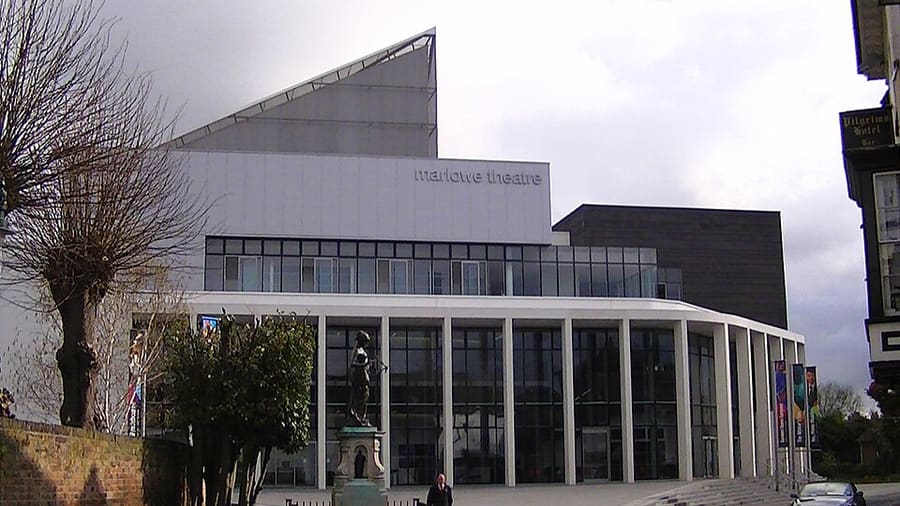
The city's main theatre, named after the playwright Christopher Marlowe, who was born in Canterbury.
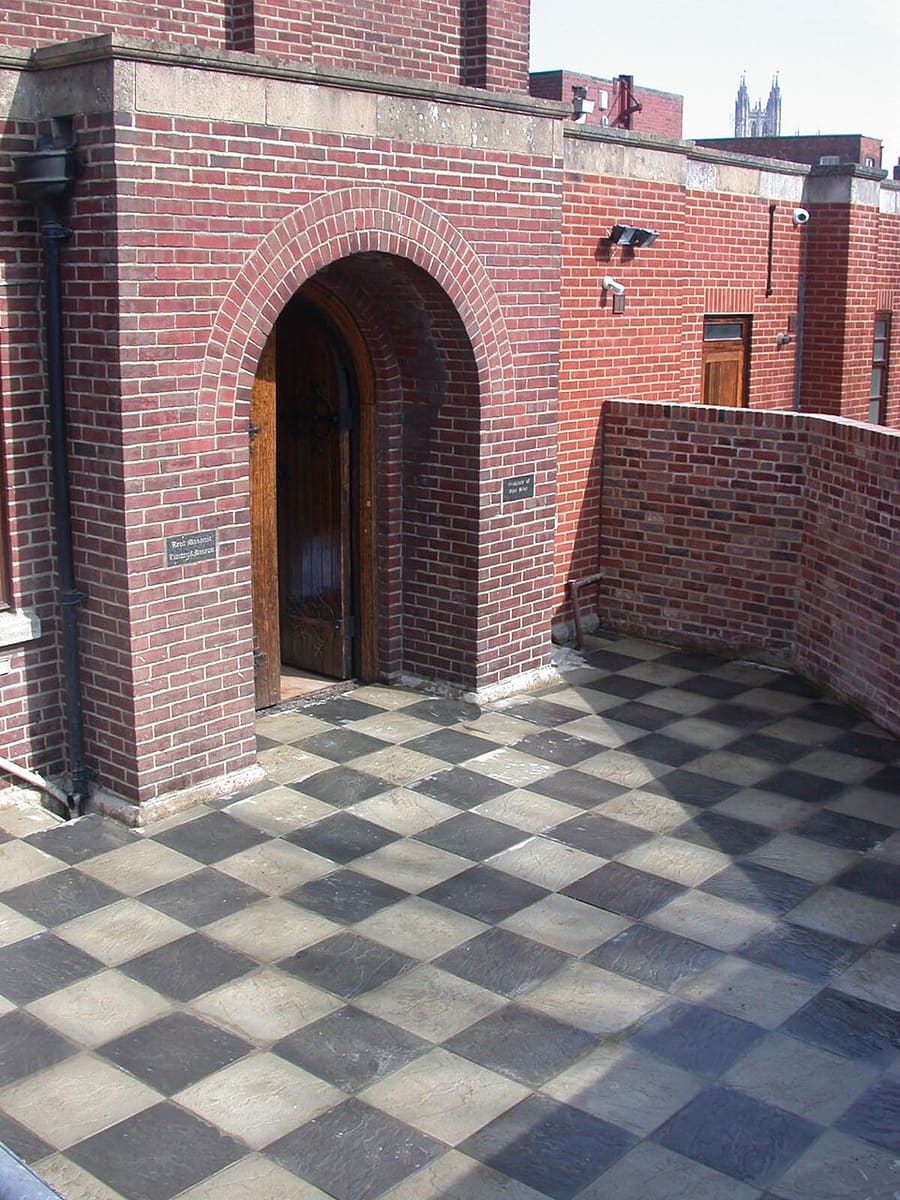
Local history and masonic museum in St Peter's Place, between the two railway stations.
The Archbishop of Canterbury's residence in the city, a Grade I listed building in the cathedral precincts.
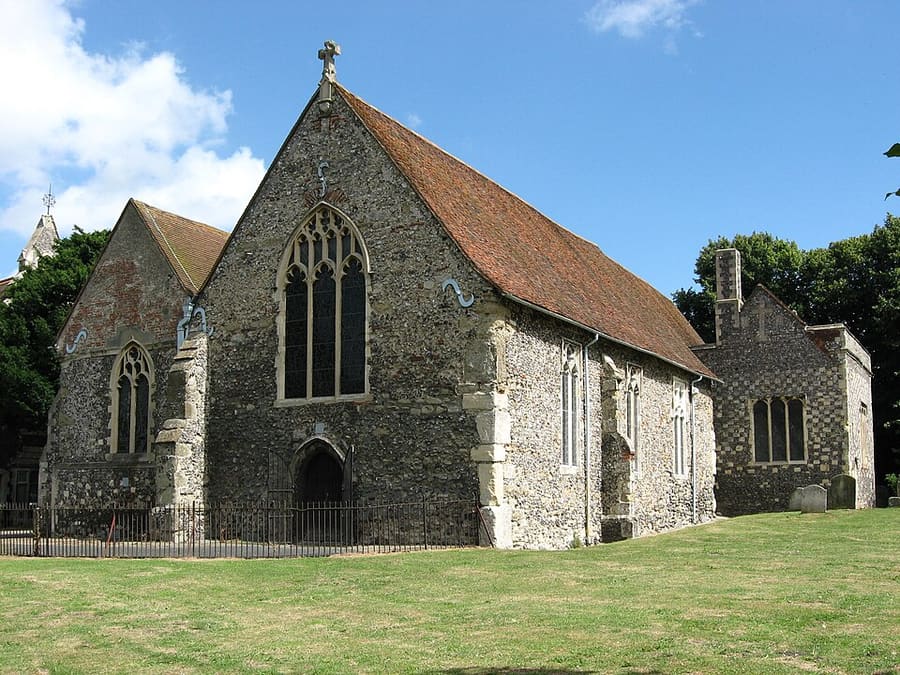
Partly Anglo-Saxon church near the castle, the only pre-Norman church left inside the walls.
Canterbury & Kent
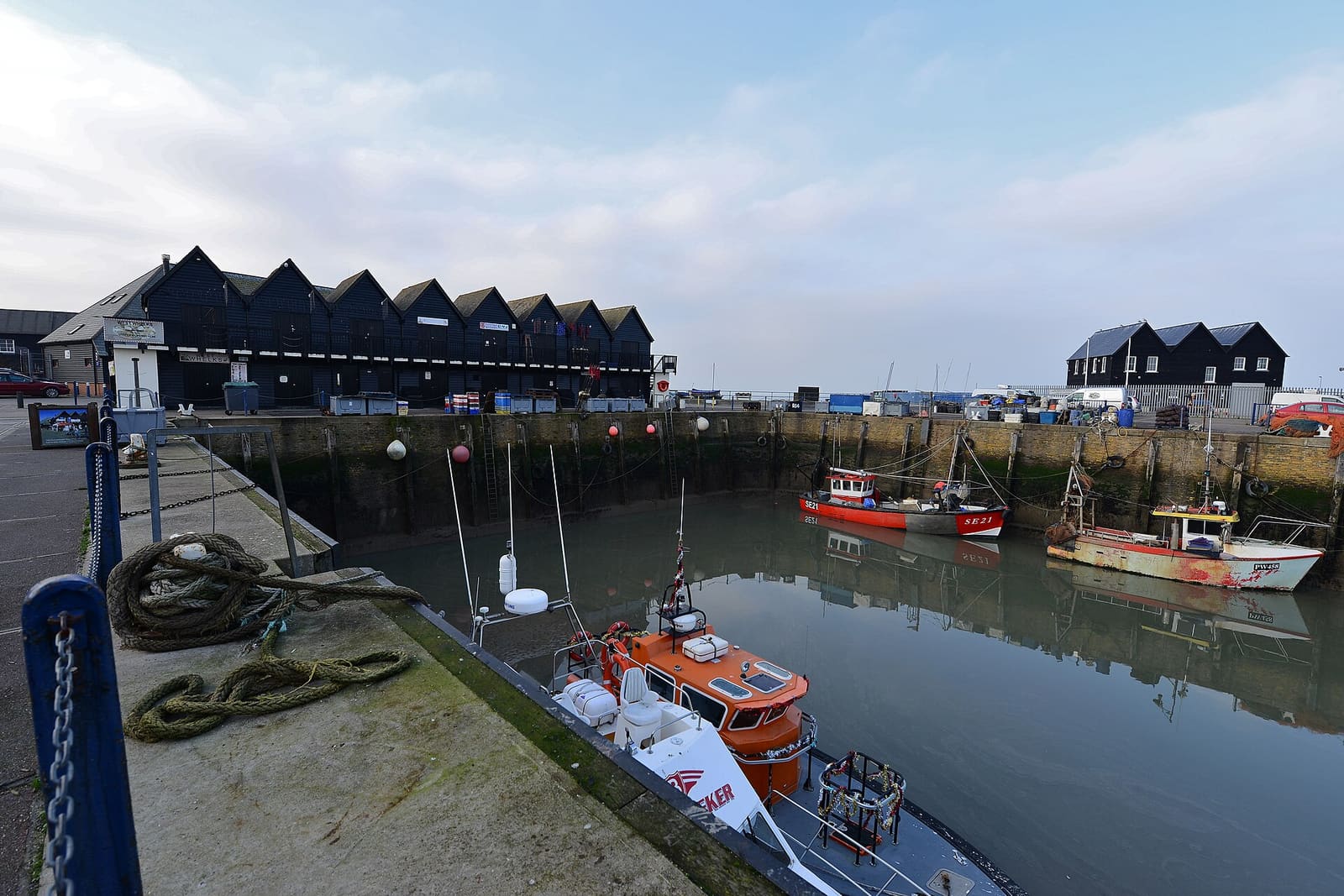
Oysters, a working harbour and a long shingle beach facing the Thames Estuary
Open the mini guide →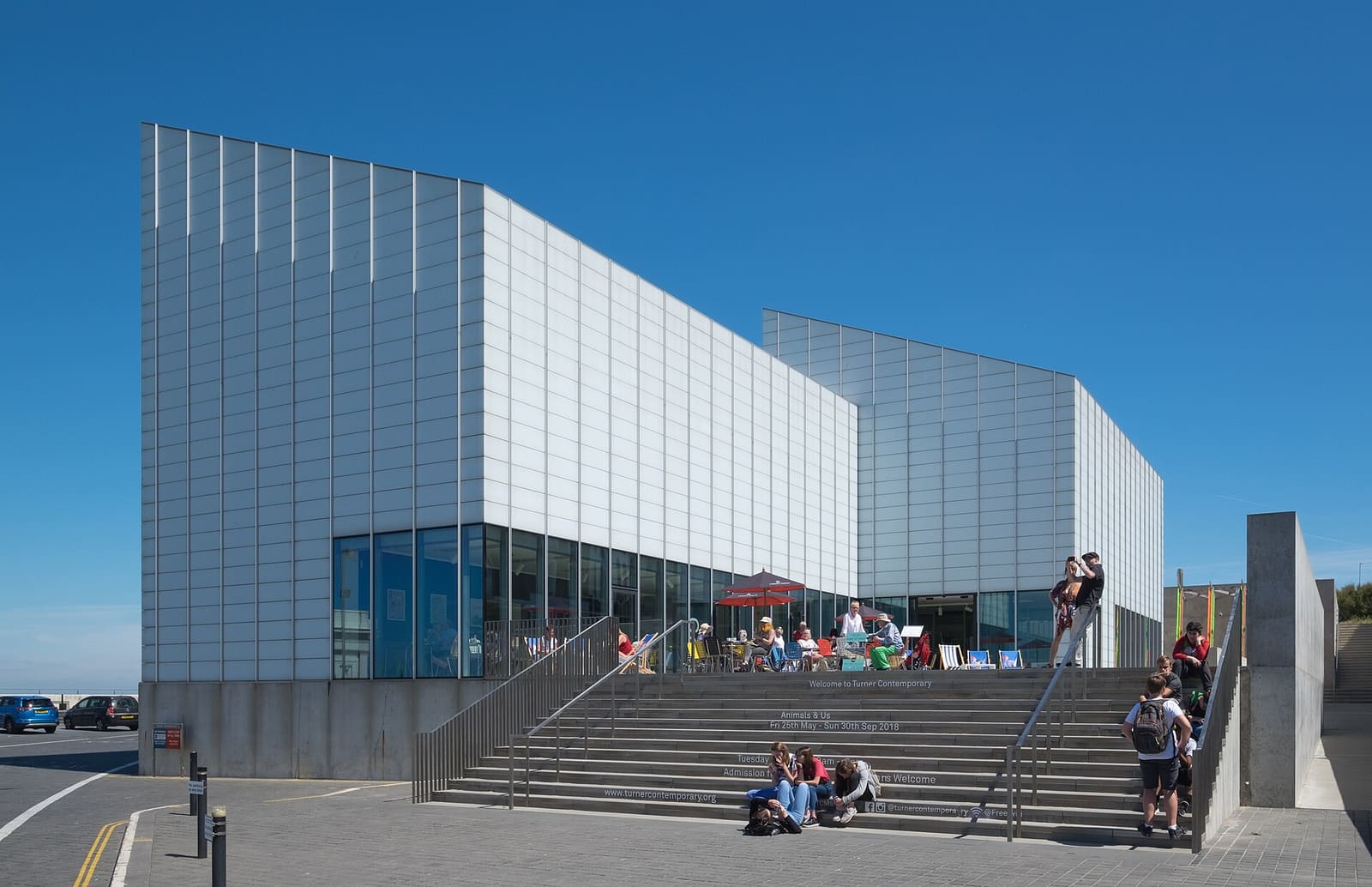
Sandy bays, Turner Contemporary, Margate Old Town and Dickens's Broadstairs
Open the mini guide →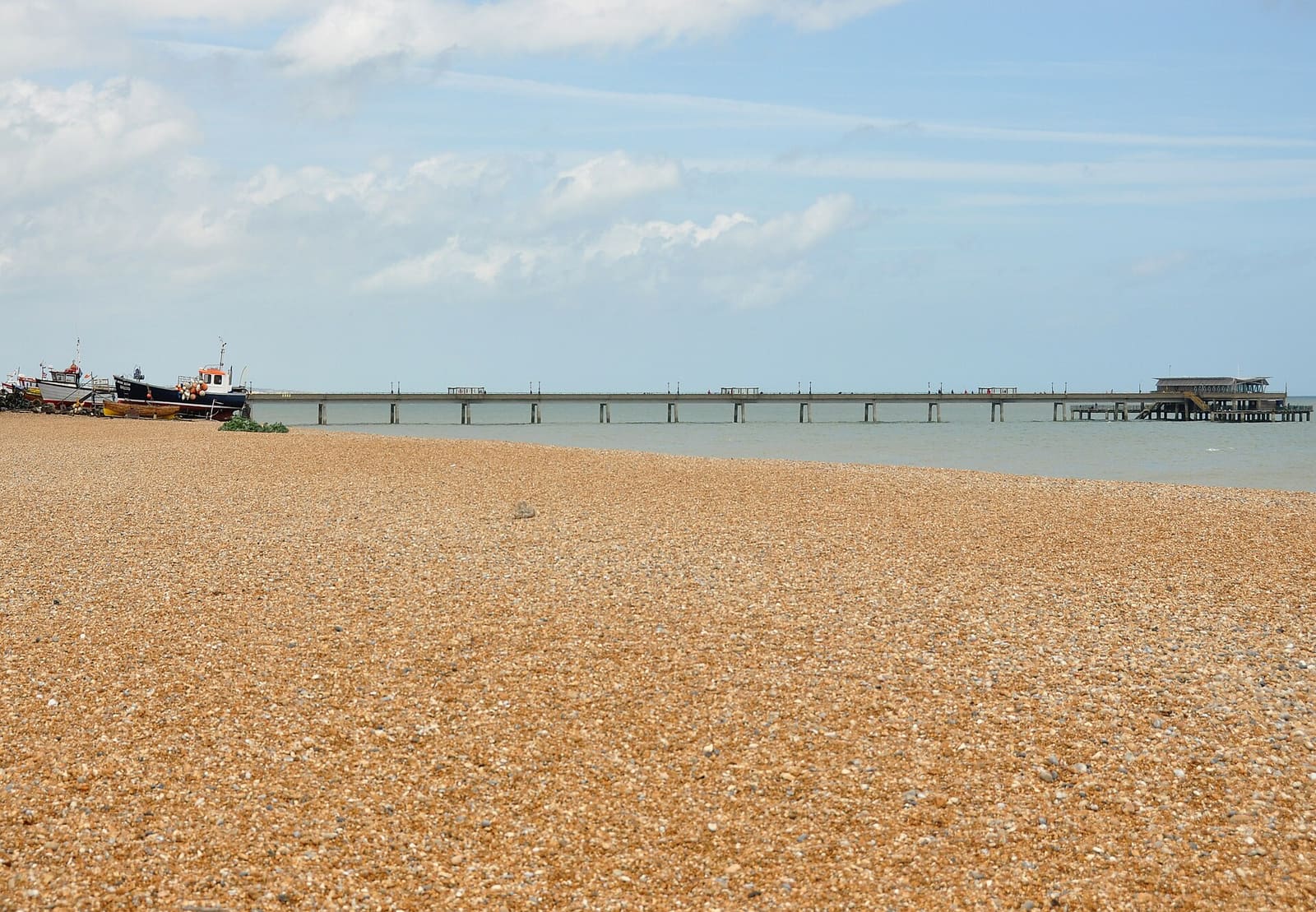
A shingle seafront, a pier and two Tudor castles
Open the mini guide →Photos from Wikimedia Commons, used under the licences shown. All photo credits
Keep exploring Canterbury & Kent