 English (UK)
 English (US)
 Français
 Deutsch
 Español
 Italiano
 Nederlands
 简体中文
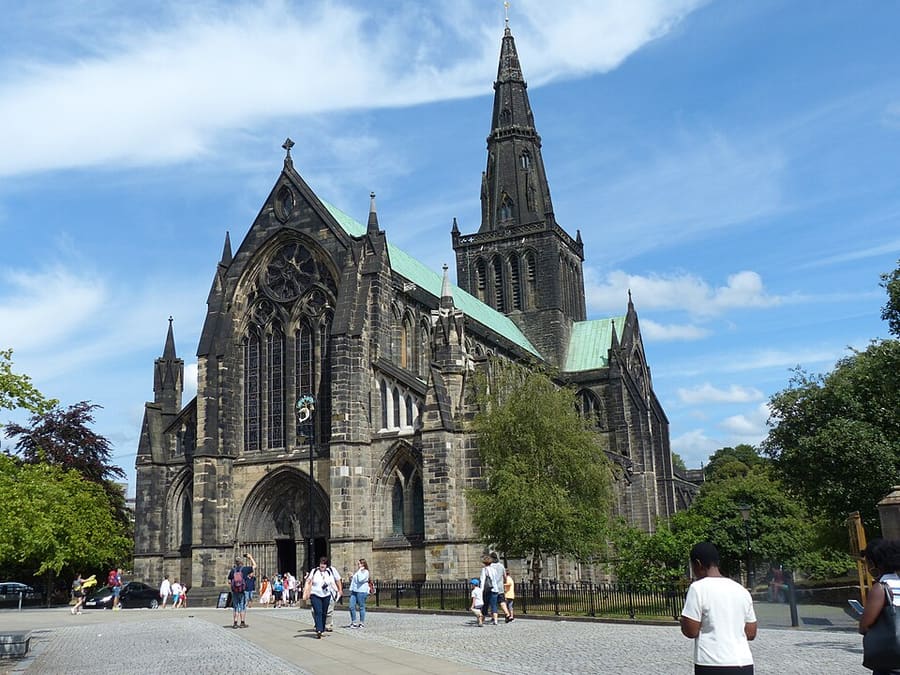
Cathedral
Glasgow Cathedral
Church of Scotland parish church, the oldest cathedral in mainland Scotland and the oldest building in Glasgow.
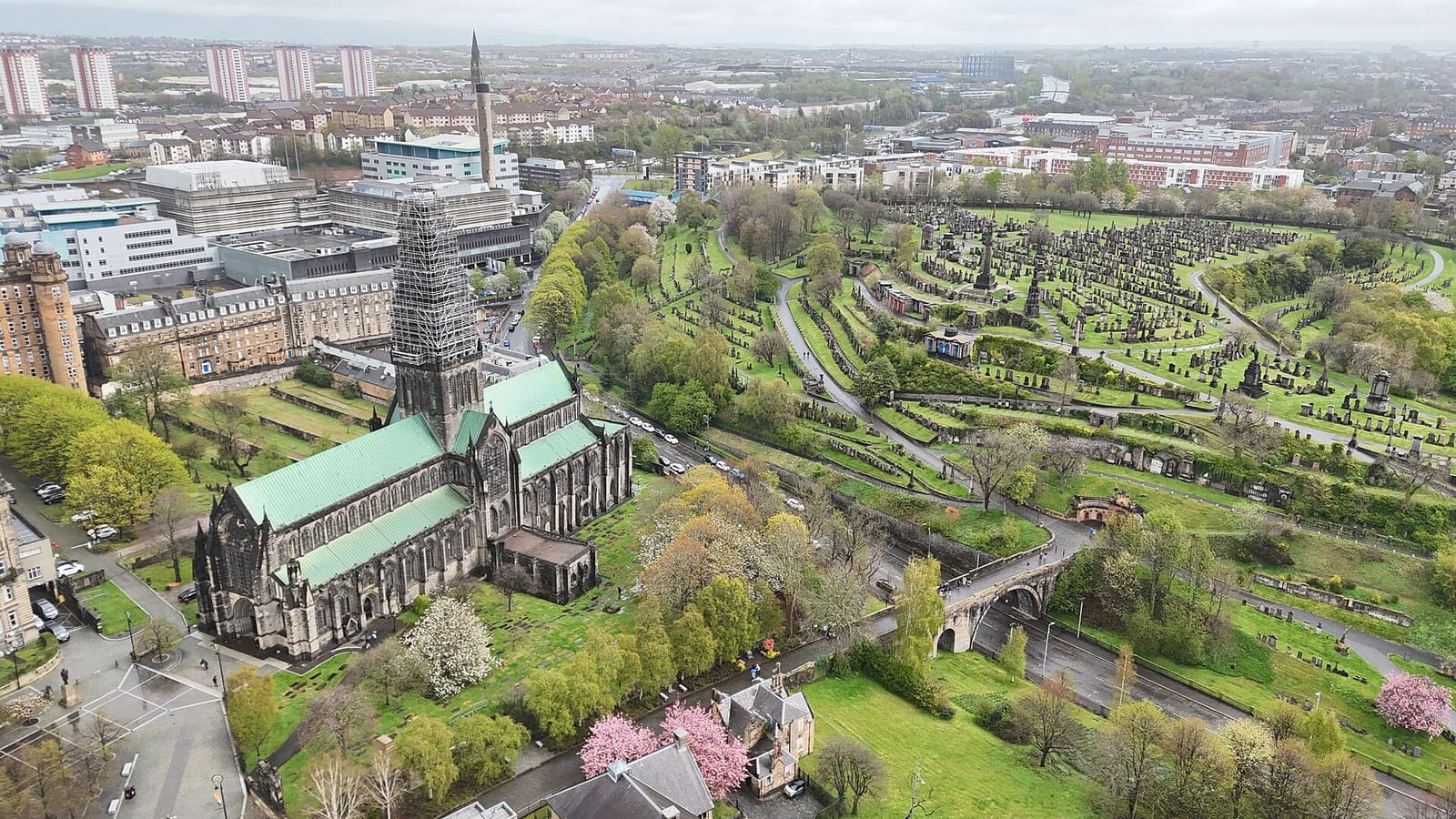
A mini guide to
The medieval cathedral, the oldest house in the city, a Victorian hilltop cemetery and Dennistoun
 1 / 8
Welcome to the area
Glasgow Cathedral is the oldest cathedral in mainland Scotland and the oldest building in Glasgow, and one of only two medieval Scottish cathedrals to survive the Reformation virtually intact. Beside it stand Provand's Lordship, a medieval house museum, and the St Mungo Museum of Religious Life and Art, which Wikipedia calls the only museum dedicated to religion and art in the British Isles. A statue of William III, dated 1735, stands in Cathedral Square.
The Glasgow Necropolis, a Victorian cemetery on the hill to the east, opened in 1833 and has roughly 3,500 monuments. Beyond it lies Dennistoun, a mostly residential district about 2 kilometres east of the centre, with Alexandra Park, which opened in 1870 and has views to Ben Lomond. The Tennent Caledonian brewery, founded in 1740, is next to the Necropolis.
Highlights
If you only have a few hours, these are good places to begin.
Church of Scotland parish church, the oldest cathedral in mainland Scotland and the oldest building in Glasgow.
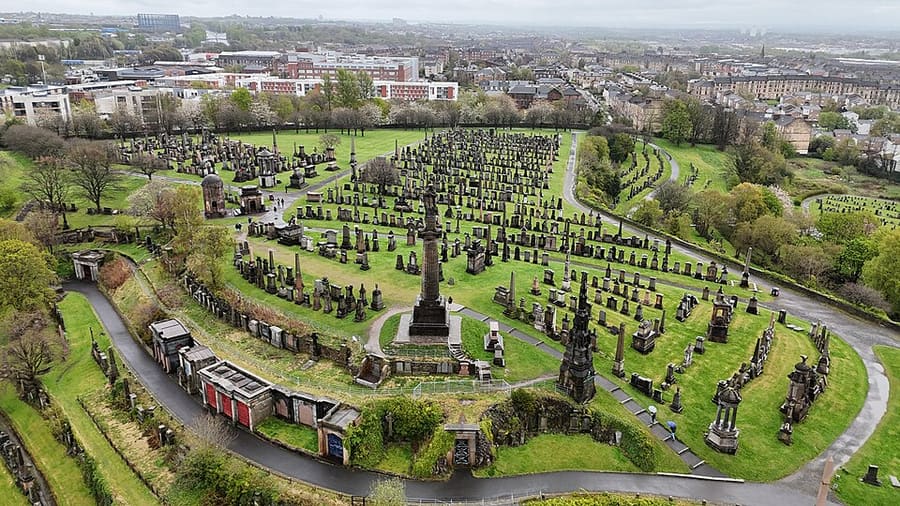
Victorian cemetery on a hill east of the cathedral, opened in 1833, with about 3,500 monuments.
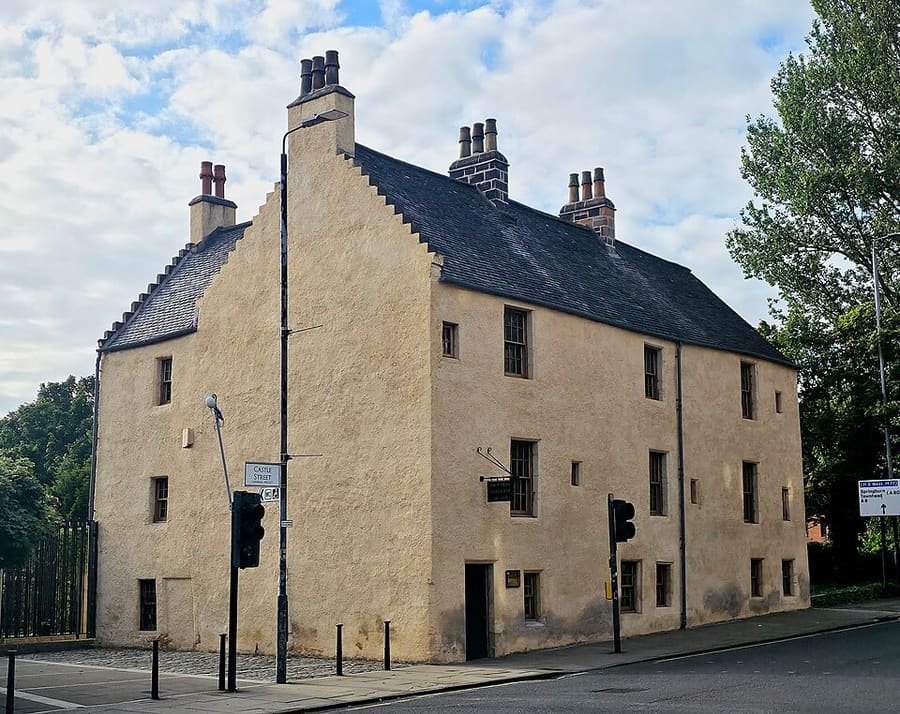
Medieval historic house museum at the top of Castle Street, the oldest house in the city.
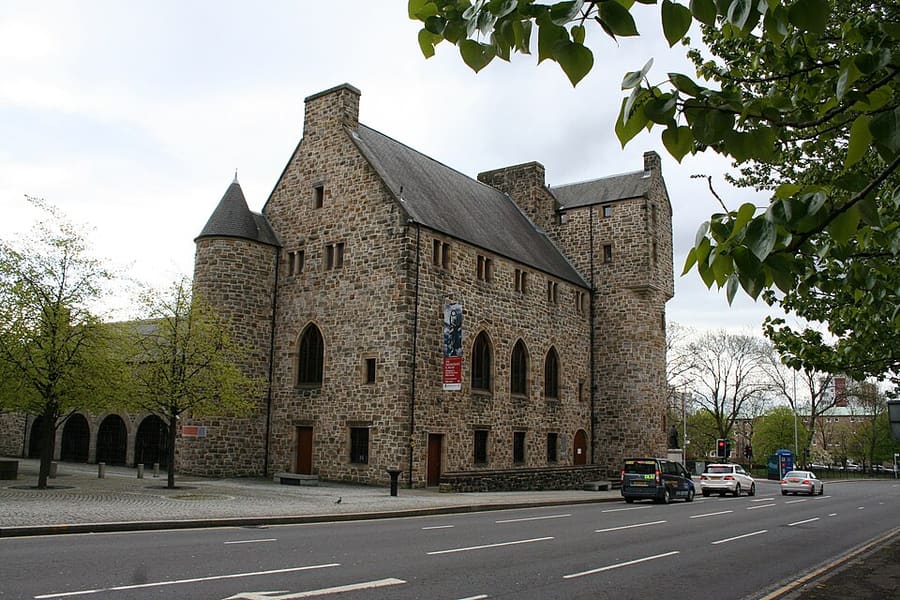
Museum of religion in Cathedral Square, described as the only one dedicated to religion and art in the British Isles.
Directions Website Report a problem with St Mungo Museum of Religious Life and Art
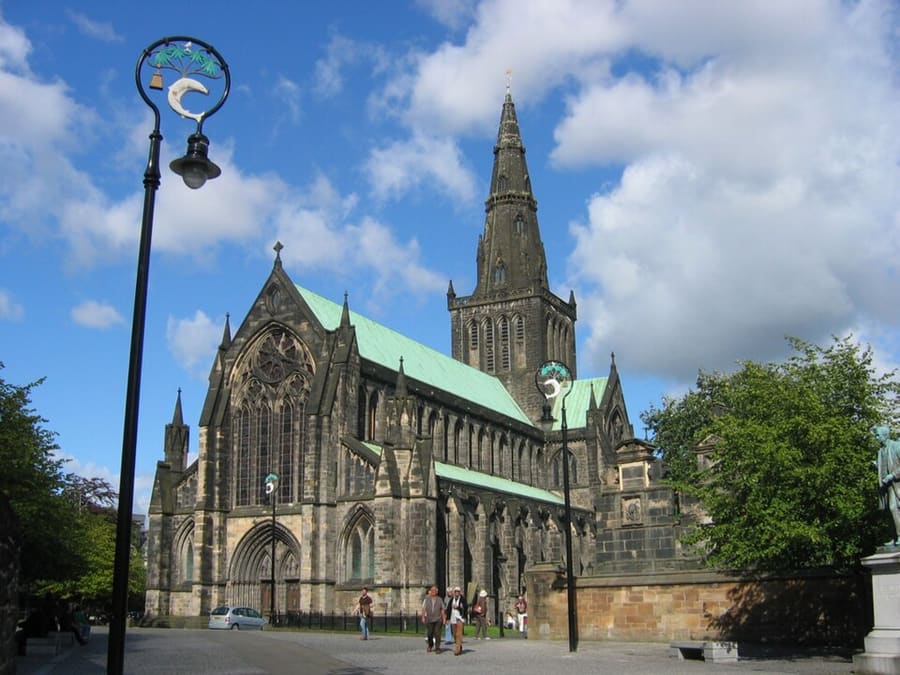
Public square beside the cathedral, one of six squares and precincts in the city centre.
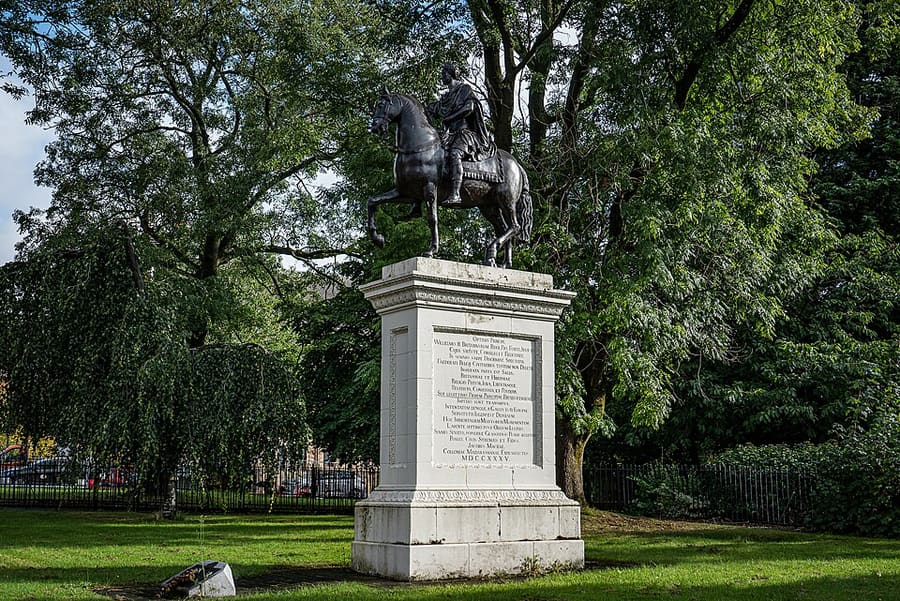
Bronze statue of 1735 by an unknown sculptor, showing William III in Roman dress, now in Cathedral Square.
Directions Report a problem with Equestrian statue of William III
Find your way
The map shows Cathedral Precinct, Necropolis & Dennistoun and the streets around it. The Getting there page lists nearby stops and stations.
Insider tips
Provand's Lordship is next to the St Mungo Museum and within sight of the cathedral, so the three make a compact route.
The Necropolis occupies a low but prominent hill with uneven paths, and has around 3,500 monuments.
The Friends of Glasgow Necropolis offer walking tours of the cemetery; check their site for details.
Alexandra Park is about 3 kilometres east of the centre and is generally open from dawn to dusk, according to Wikipedia.
Tips from the Britlens editors
Explore this guide
Glasgow
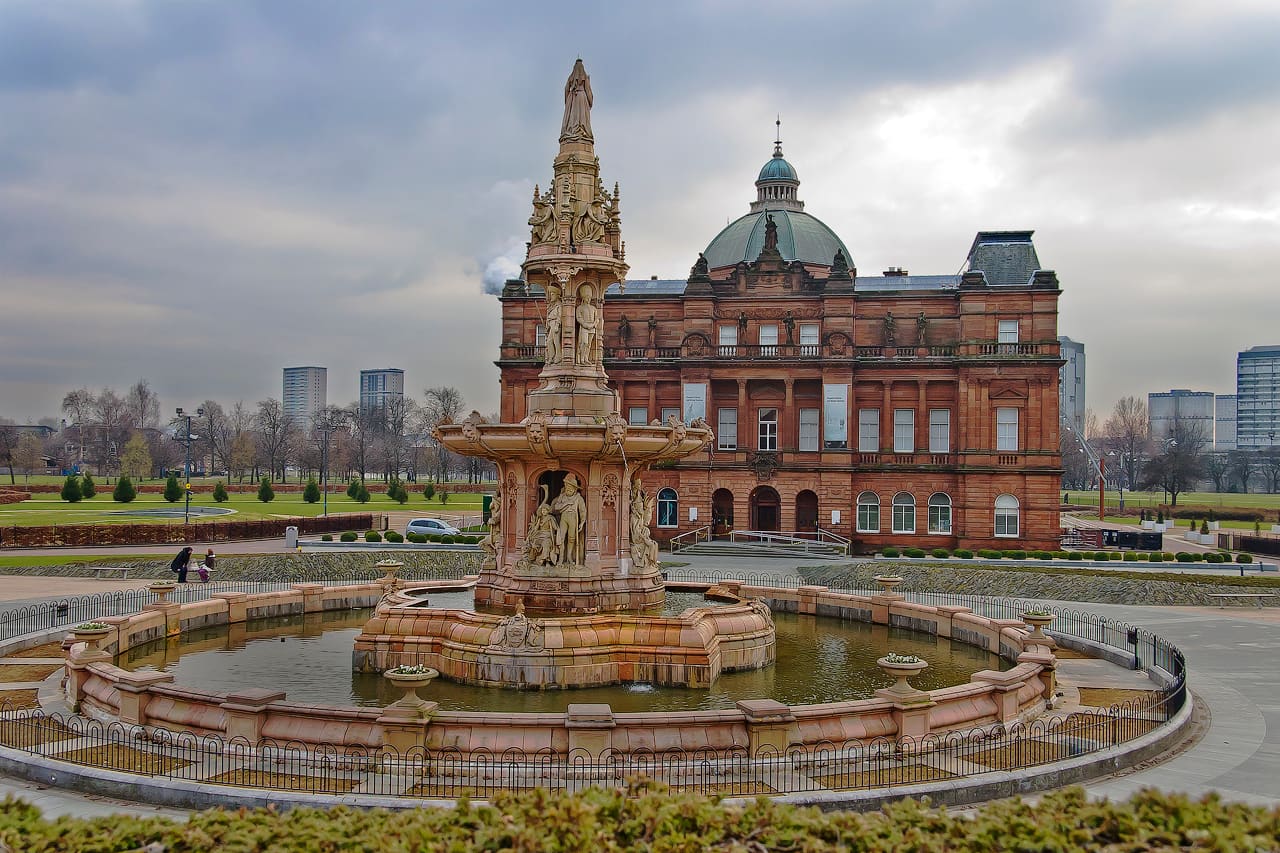
The city's oldest park, a carpet factory, the Barras and Celtic Park
Open the mini guide →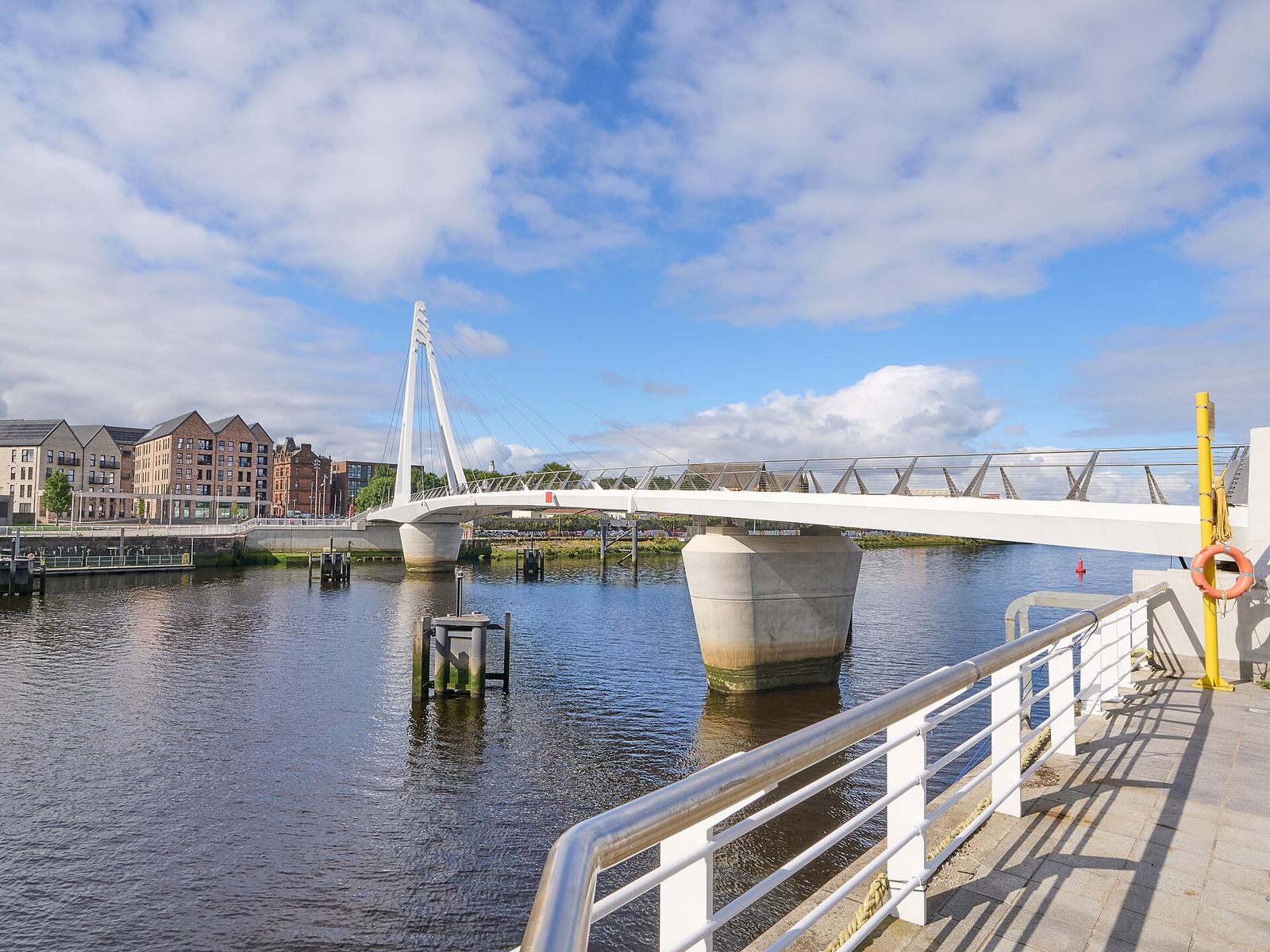
Dumbarton Road's pubs and restaurants, the Govan footbridge and the quieter streets of Hyndland and Dowanhill
Open the mini guide →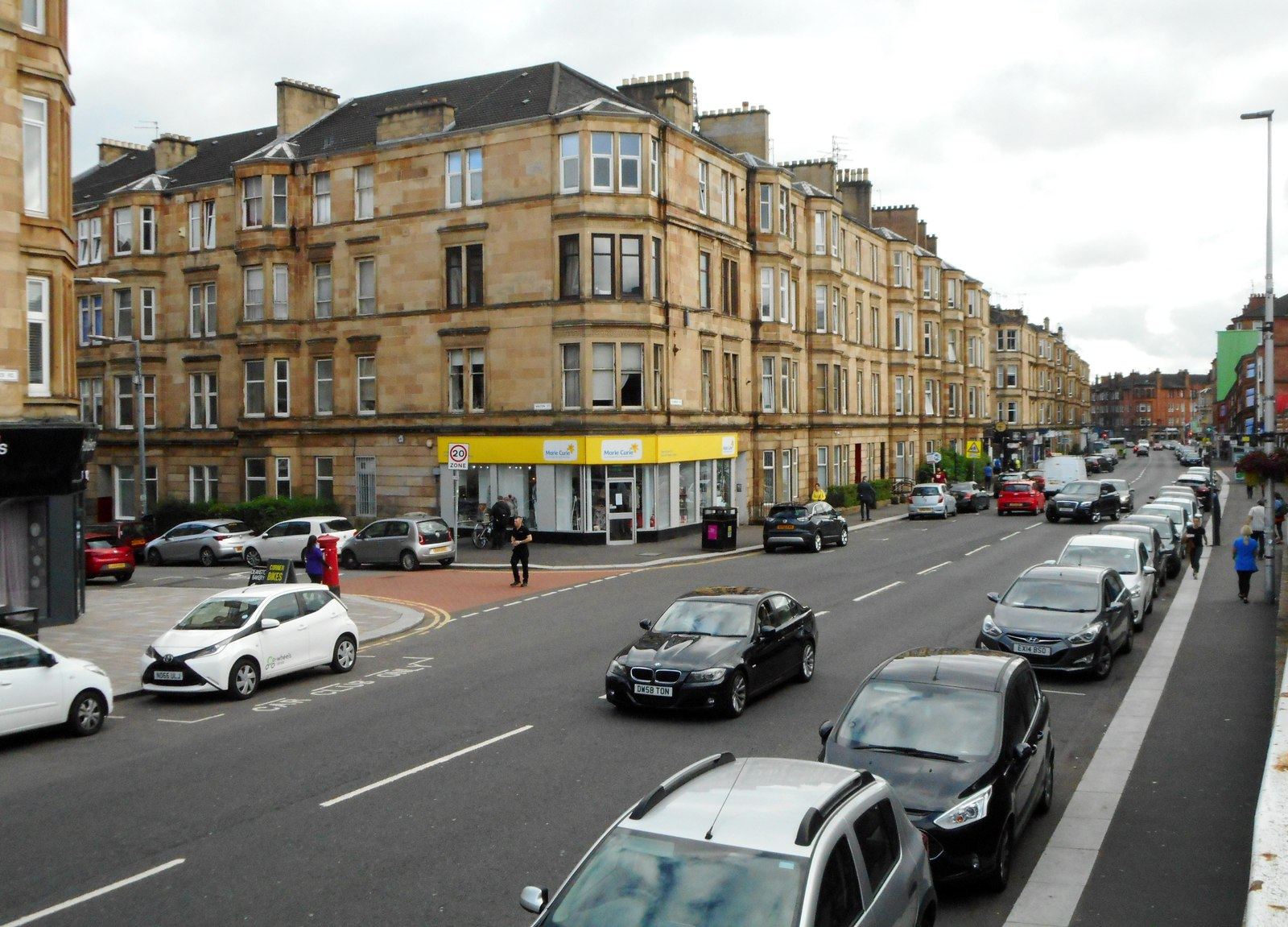
The Southside's independent cafés and restaurants, a battlefield district and a cricket ground
Open the mini guide →Photos from Wikimedia Commons, used under the licences shown. All photo credits
Keep exploring Glasgow