Compare destinations

Cornwall or the Lake District?

Two places visitors weigh up, side by side. Every figure comes from our guides, the Met Office, National Rail or an event organiser, and we do not rank either one.

Cornwall guide · The Lake District guide

Who each place suits

outdoor-leaning

Cornwall

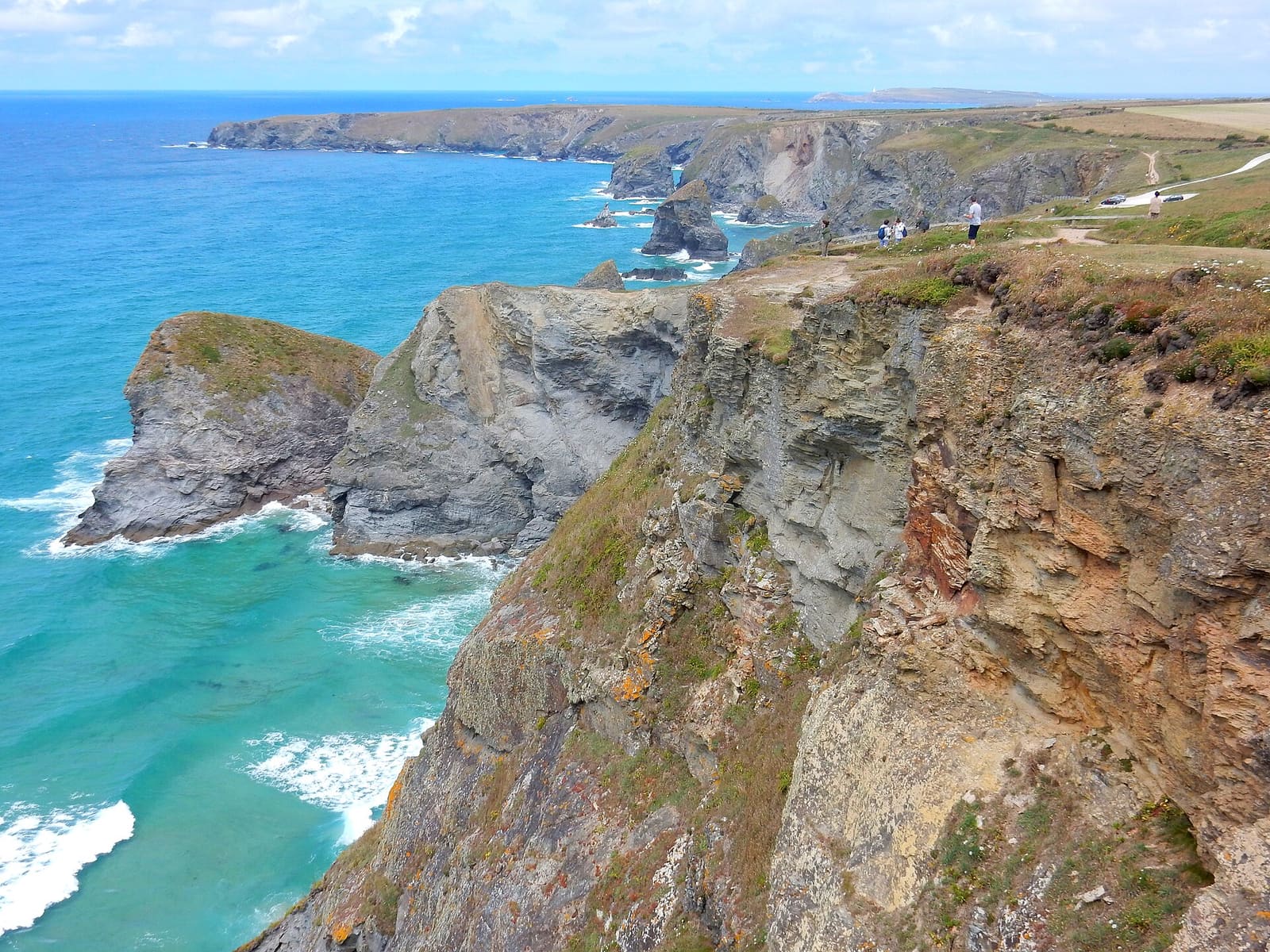
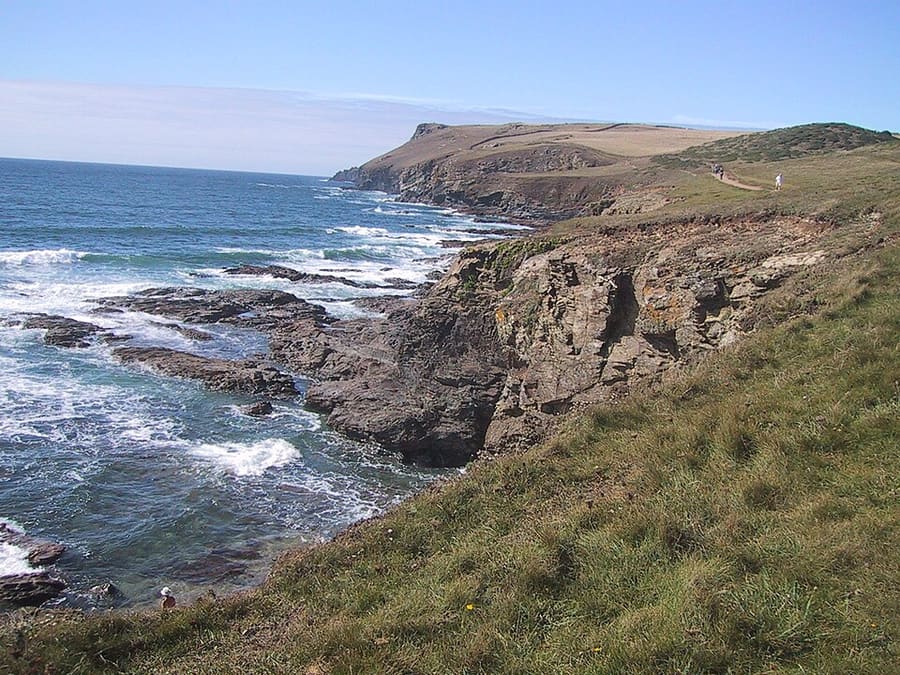
Harbour towns, art galleries, tidal castles and Atlantic beaches at the end of the line.

Our guide covers 6 areas, with 88 sights, 82 places to eat and drink and 37 places to stay, and 4 theatre venues in the directory.

Most common sight types we list: Beach (12), Headland (10), Village (6).

73% of the 48 sights we tag are outdoor places and 27% are indoors, so it reads as outdoor-leaning.

Our Cornwall guide suggests 5 to 7 days; its sample plans run from 3 days to 7 days.

mixed

The Lake District

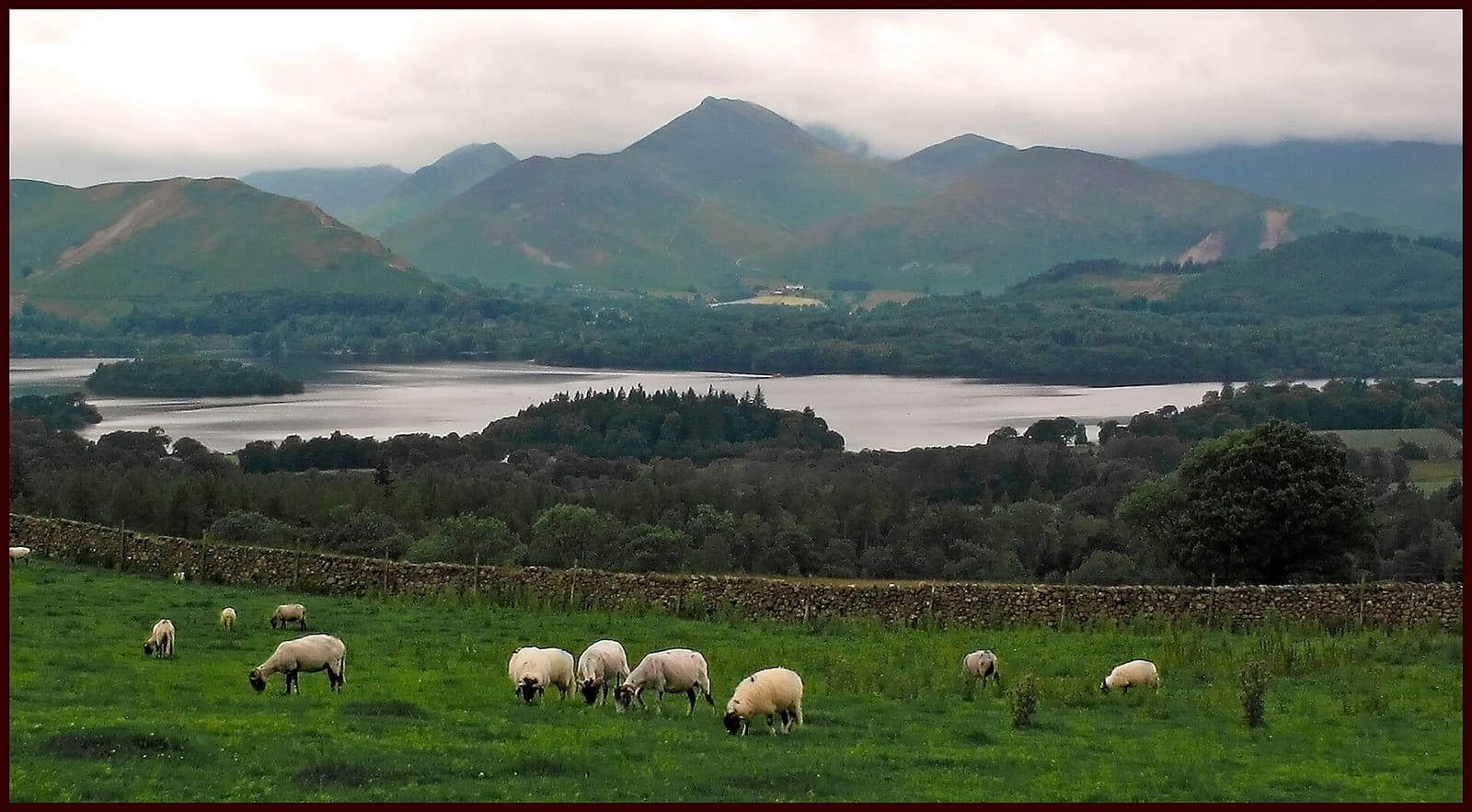
Lakes, fells and market towns in Cumbria, with a National Park and World Heritage Site to explore on foot, by boat and by bus.

Our guide covers 6 areas, with 90 sights, 79 places to eat and drink and 63 places to stay, and 2 theatre venues in the directory.

Most common sight types we list: Church (9), Lake (9), Fell (8).

41% of the 29 sights we tag are outdoor places and 59% are indoors, so it reads as mixed.

Our Lake District guide suggests 3 to 5 days; its sample plans run from 2 days to 5 days.
Side by side

Facts only. Counts show how much our guides list, not how much exists. “Reported” means tagged on OpenStreetMap or a venue’s own page: check with the venue.

Cornwall and the Lake District: counts from our guides, climate averages and events.
ItemCornwallThe Lake District
Country England England
Areas in our guide 6 6
Sights listed 88 90
Places to eat and drink listed 82 79
Places to stay listed 37 63
Theatre venues in our directory 4 2
Eat, stay and theatre entries reported step-free 3 2
Eat, stay and theatre entries marked family-friendly 0 3
Character from sight types Outdoor-leaning (73% of 48 tagged sights are outdoors) Mixed (41% of 29 tagged sights are outdoors)
Suggested stay in our guide 5 to 7 days 3 to 5 days
Average high in July 18.7°C1 19.8°C2
Average high in January 9.2°C1 7.4°C2
Rain in a year (sum of monthly averages) 1077 mm on about 155 days1 1575 mm on about 178 days2
Sunshine in a year (sum of monthly averages) 1672 hours1 Not published for this station2
Daylight mid-June / mid-December (calculated) 16 h 23 / 8 h 03 17 h 13 / 7 h 18
Dated events in our calendar 2 dated, from organiser pages 3 dated, from organiser pages
Weather station used Camborne Keswick
Between the twoAbout 490 km in a straight line. No published train time in our data: check National Rail. Journey details

Climate: Met Office 1991-2020 averages, stored 25 October 2026. Each station sits in or near the region, not necessarily in the town, so differences of a degree or two or small rainfall gaps can come from the station rather than the place. Daylight is calculated from latitude, not a Met Office figure. Station notes: Cornwall: Camborne is in west Cornwall, about 20 km west of Truro and inland from the north coast. The south coast and the Isles of Scilly are a little milder; Bodmin Moor is cooler and wetter. Lake District: Keswick is a valley-floor town in the northern Lakes. The Met Office does not publish sunshine hours for it, so that column is not shown. Rain varies hugely across the fells: its Ambleside station averages about 2,100 mm a year against Keswick's 1,575 mm, and summits are far wetter and colder.

Choose Cornwall if… choose the Lake District if…

Choose Cornwall if you…

  • want walking, coast, parks or hills: 73% of the sights we tag in Cornwall are outdoor places, against 41% in the Lake District.
  • are going in January and want milder days: highs average 9.2°C at the Cornwall station (Camborne), against 7.4°C at the other.
  • want less rain: the Cornwall station (Camborne) averages 1077 mm a year, against 1575 mm at the other (different stations, see the note under the table).
  • can give it longer: our Cornwall guide suggests 5 to 7 days.

Choose the Lake District if you…

  • prefer museums, galleries, churches and other indoor sights: 59% of the sights we tag in the Lake District are indoors, against 27% in Cornwall.
  • have a short break: our Lake District guide suggests 3 to 5 days, against 5 to 7 days for Cornwall.

Each line appears only where our data shows a clear gap. The thresholds are listed under “How we write this”.

How many days each needs

  • Our Cornwall guide suggests 5 to 7 days; its sample plans run from 3 days to 7 days. Cornwall guide
  • Our Lake District guide suggests 3 to 5 days; its sample plans run from 2 days to 5 days. The Lake District guide

These are our guides’ suggestions, not a rule. Add travel time between places: check National Rail for the journey.

Plan both

We have no itinerary that combines Cornwall and the Lake District yet. These cover one of them:

Questions people ask

How far apart are Cornwall and the Lake District?

About 490 km in a straight line between the region centres. We hold no published journey time for this pair, so check National Rail.

How many days do I need in Cornwall and in the Lake District?

Our Cornwall guide suggests 5 to 7 days; its sample plans run from 3 days to 7 days. Our Lake District guide suggests 3 to 5 days; its sample plans run from 2 days to 5 days.

Is Cornwall better than the Lake District?

We do not rank destinations. This page shows where our data differs so you can match it to your own interests, season and time.

Can I visit Cornwall and the Lake District on one trip?

We have no itinerary that combines them yet. See the journey details on getting between regions and check National Rail for current times.

Editorial note. We do not claim one destination ranks above another. There are no scores, no “best”, and no cost levels, because we hold no sourced price data. For prices, check each operator or venue.

Facts last checked 1 November 2026.

How we write this

  • Counts come from our own region guides (sights, eat and drink, stays) and theatre directories. A “Choose … if” line appears only when the gap is at least: 1.25x and 8 sights; 10 percentage points of outdoor share; 1.5x and 5 theatre venues; 1.5°C in July or January highs; 15% in yearly rain; 10% in yearly sunshine.
  • Character: outdoor-leaning at 50% or more of tagged sights outdoors, city-leaning at 30% or less, otherwise mixed. Tags come from the sight type (park, museum, church and so on) with a short list of overrides in src/data/weather-fit.json.
  • Step-free and family-friendly counts include only entries tagged on OpenStreetMap or a venue page; many entries carry no tag, so a low count does not mean low access.

Sources

  1. Met Office: Camborne, 1991-2020 averages (for Cornwall). Camborne is in west Cornwall, about 20 km west of Truro and inland from the north coast. The south coast and the Isles of Scilly are a little milder; Bodmin Moor is cooler and wetter.
  2. Met Office: Keswick, 1991-2020 averages (for the Lake District). Keswick is a valley-floor town in the northern Lakes. The Met Office does not publish sunshine hours for it, so that column is not shown. Rain varies hugely across the fells: its Ambleside station averages about 2,100 mm a year against Keswick's 1,575 mm, and summits are far wetter and colder.

Sights, places to eat and stay, suggested stays and events come from our Cornwall and The Lake District guides, each of which cites its sources. Journey times are as National Rail publishes them, retrieved 25 October 2026, and are not timetables.

Related comparisons

All comparisons Where to go each month