 English (UK)
 English (US)
 Français
 Deutsch
 Español
 Italiano
 Nederlands
 简体中文
 Other sight
Square
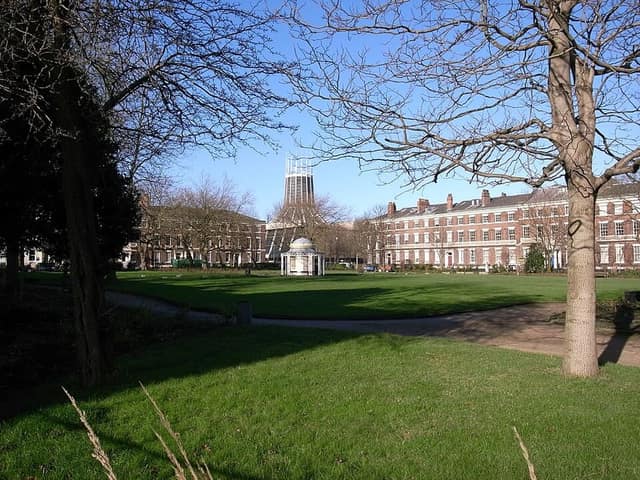
Abercromby Square
University of Liverpool square named after General Sir Ralph Abercromby, with gardens in the centre.
Outdoor
- Lime Street & the Knowledge Quarter, Liverpool
109 places from our Liverpool guide, from Albert Dock & the Waterfront to The Cathedrals & Hope Street. Each links to its area guide and, where we have one, its official site.
Attractions
109 places · showing 60
Each dot is a place in the list below. Scroll with the page; click or focus the map to zoom with the wheel.
Other sightUniversity of Liverpool square named after General Sir Ralph Abercromby, with gardens in the centre.
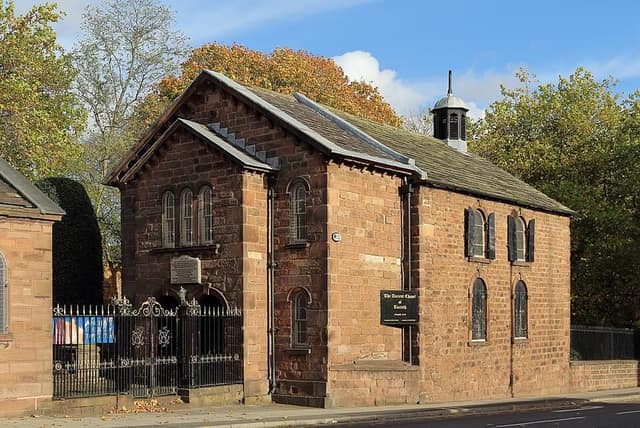 Cathedral or church
Unitarian chapel on Park Road in Dingle, known since the 1830s as the Ancient Chapel of Toxteth.
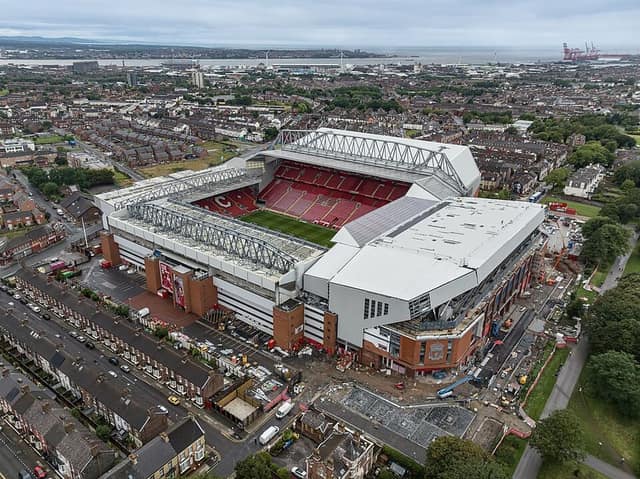 Other sight
Home of Liverpool Football Club since the club formed in 1892. Stadium tours are listed on the club's booking site.
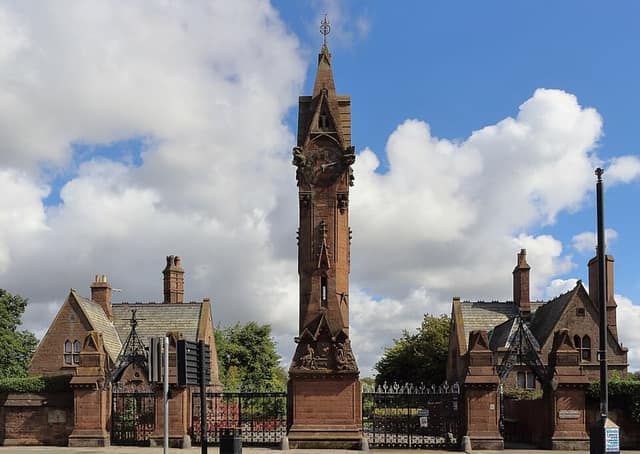 Other sight
The City of Liverpool Cemetery, north-east of Stanley Park between Walton Lane and Priory Road.
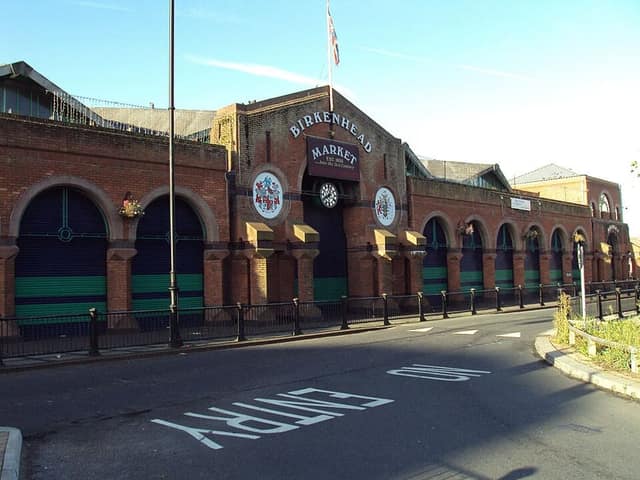 Other sight
Market hall with stalls for food, clothes and household goods; its website says it has served Wirral for nearly 200 years.
 Park or nature
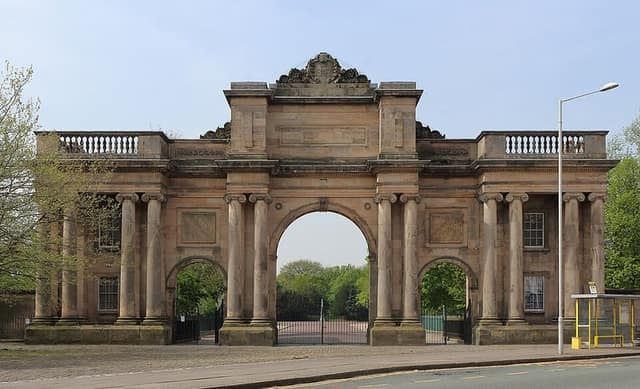
Park designed by Joseph Paxton and opened in 1847; a Grade I listed landscape with a visitor centre and café.
 Cathedral or church
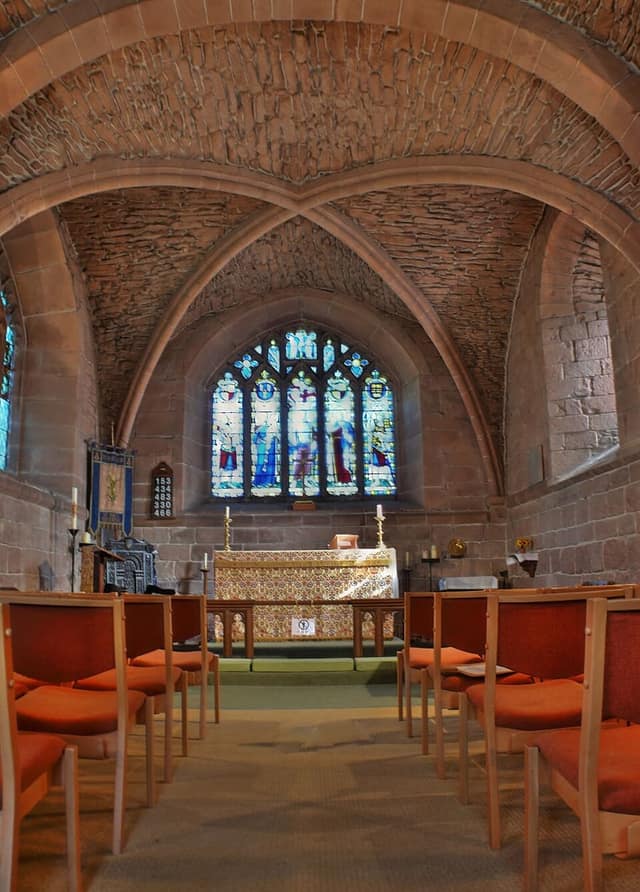
Oldest standing building on Merseyside, with a tower offering river views, according to its website.
 Other sight
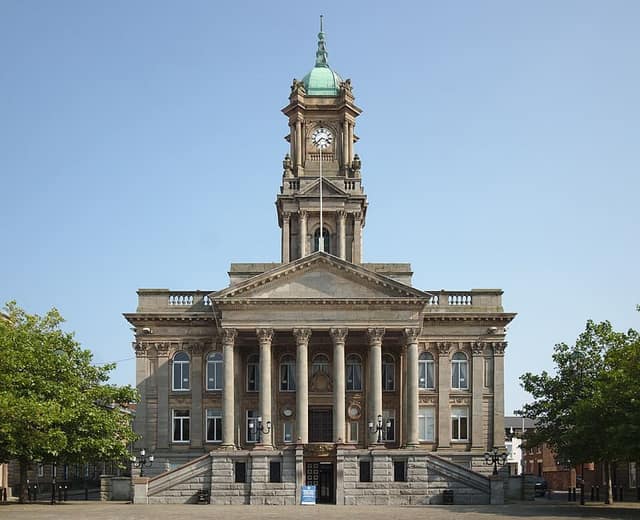
Former town hall on Hamilton Square, later used as council offices for Wirral.
 Other sight
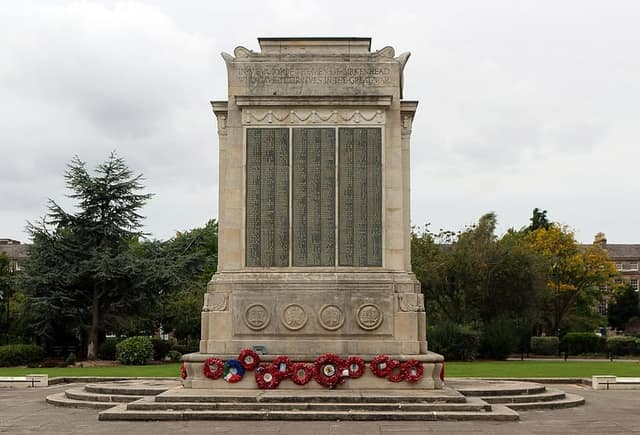
Portland stone cenotaph in Hamilton Square, opposite the town hall, designed by Lionel Budden and unveiled in 1925.
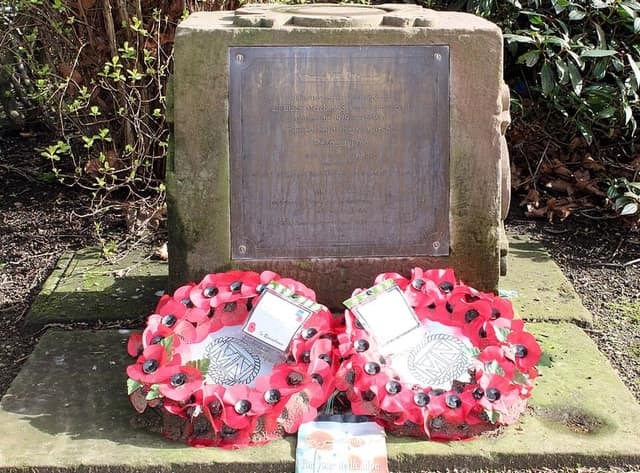 Other sight
Sandstone memorial in Falkner Square with a bronze plaque dedicated to the Black seamen who served in the Second World War.
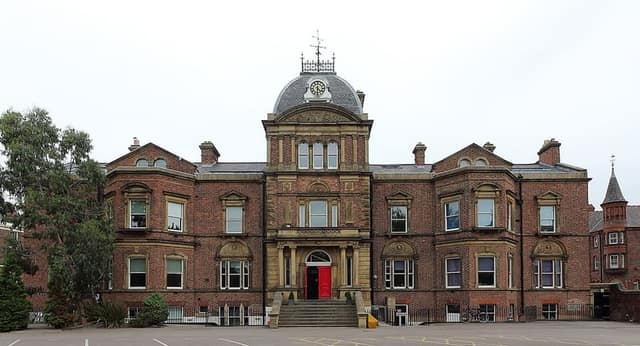 Historic house
Grade II listed house of 1788, remodelled in 1874-76, on the east side of Hope Street.
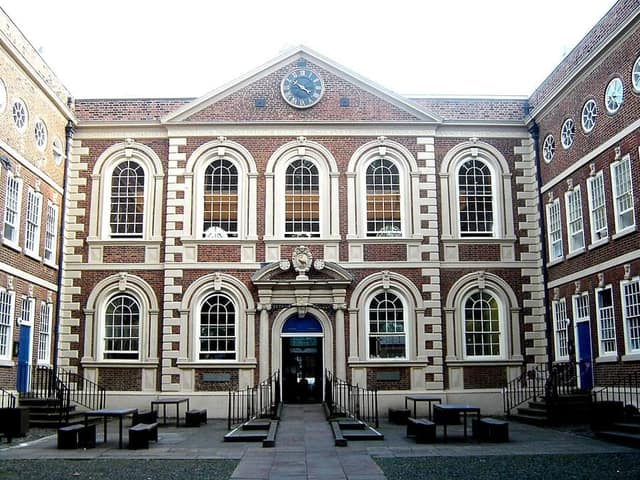 Other sight
Arts centre in a building of 1716-17 built as a charity school, the oldest surviving building in central Liverpool.
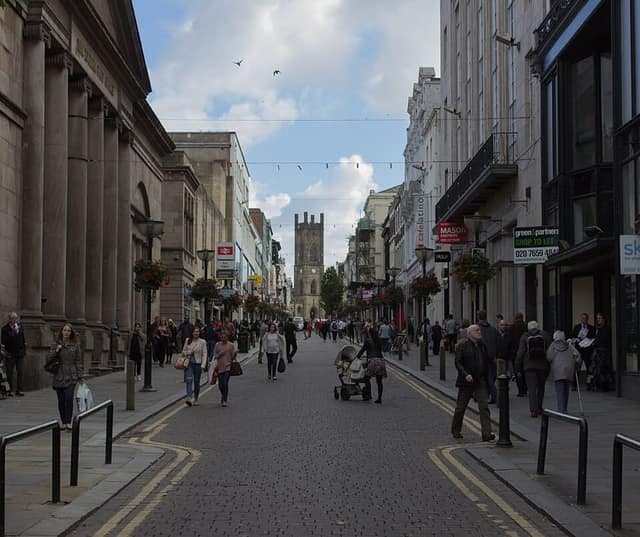 Other sight
Street known for its concentration of independent businesses, with St Luke's church at its top end.
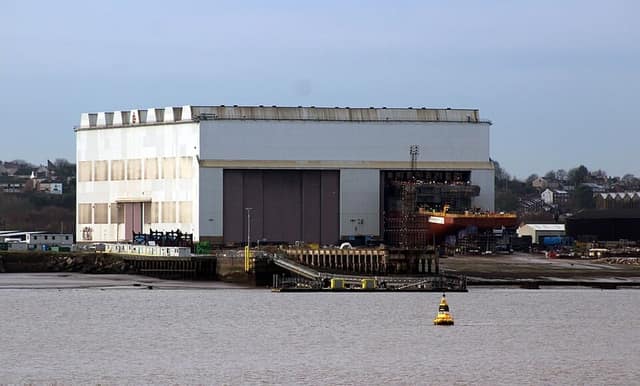 Other sight
Shipbuilding company formed by the merger of Laird Brothers of Birkenhead and Johnson Cammell of Sheffield; the yard is on the Mersey.
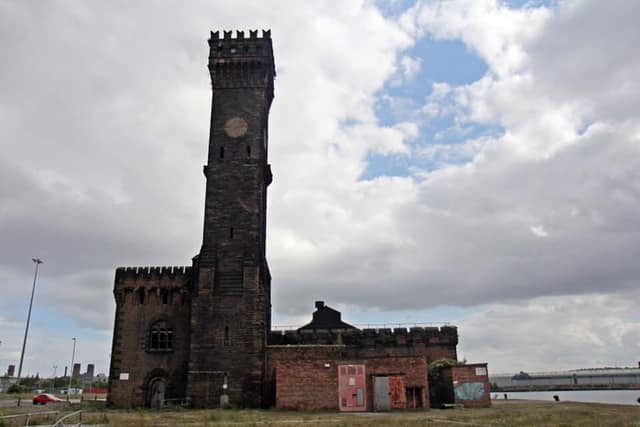 Other sight
Grade II listed tower that powered dock bridges and lock gates; currently disused, so view it from outside.
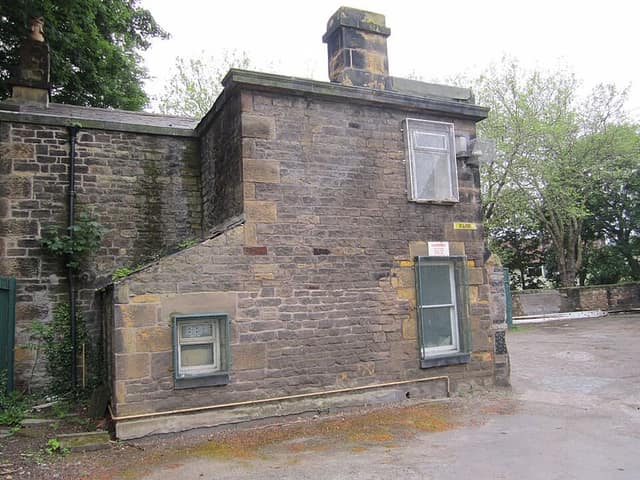 Park or nature
Park on the site of Liscard Hall, the home of Sir John Tobin, which was destroyed by fire in 2008.
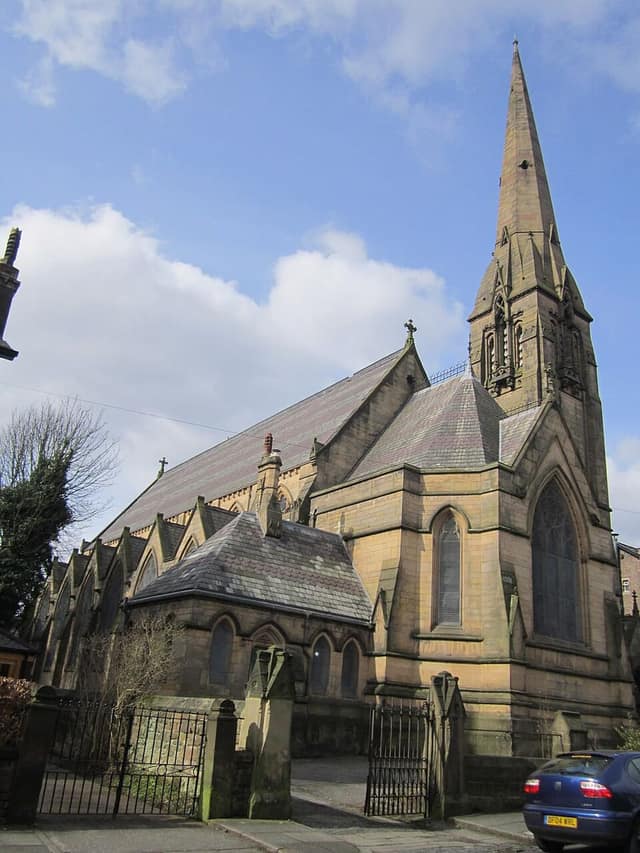 Cathedral or church
Active Anglican parish church on Linnet Lane.
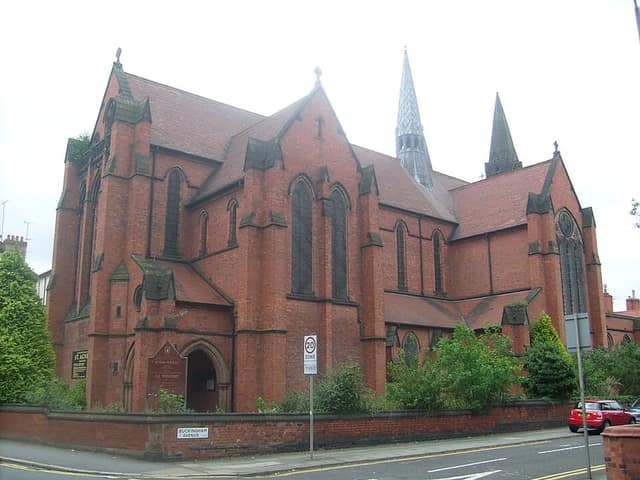 Cathedral or church
Grade I listed Anglican church on Ullet Road in Toxteth Park.
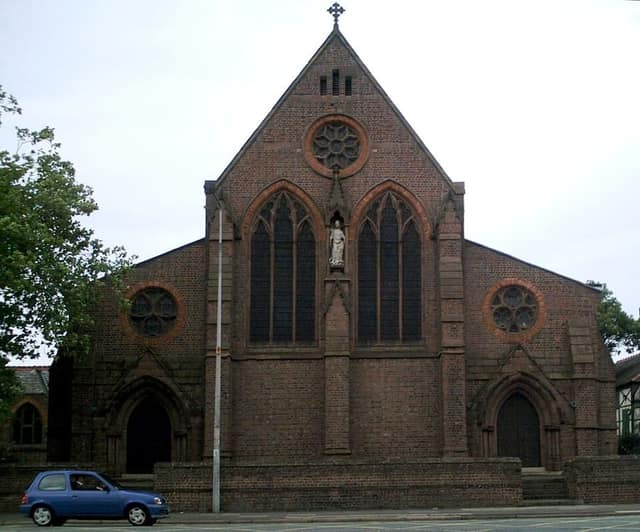 Cathedral or church
Active Anglican parish church on Princes Road in Toxteth.
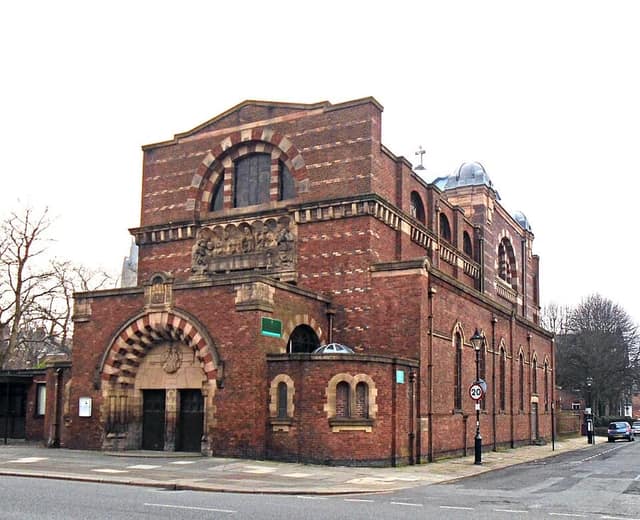 Cathedral or church
Byzantine Revival church of 1914-20 by P. S. Gilby, the Catholic chaplaincy for two local universities.
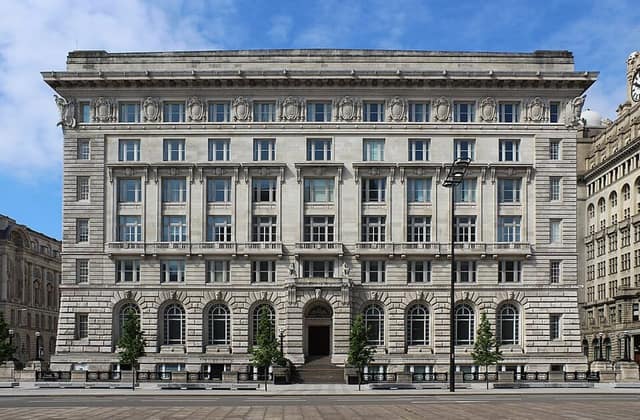 Other sight
Grade II* listed building at the Pier Head, one of the Three Graces along the waterfront.
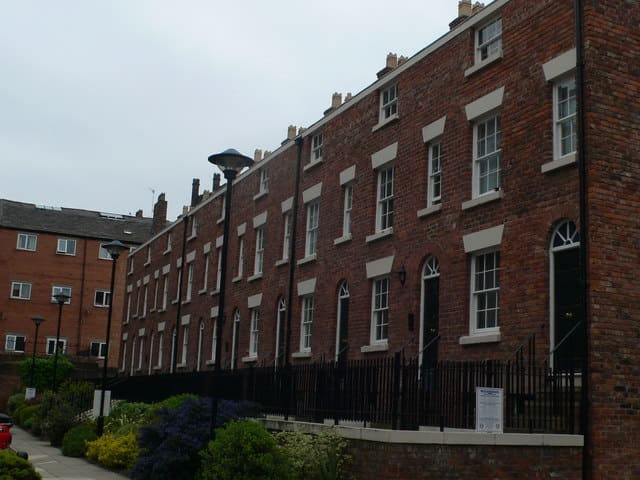 Other sight
Grade II listed terrace of 1843, said to be the last of Liverpool's back-to-back building style.
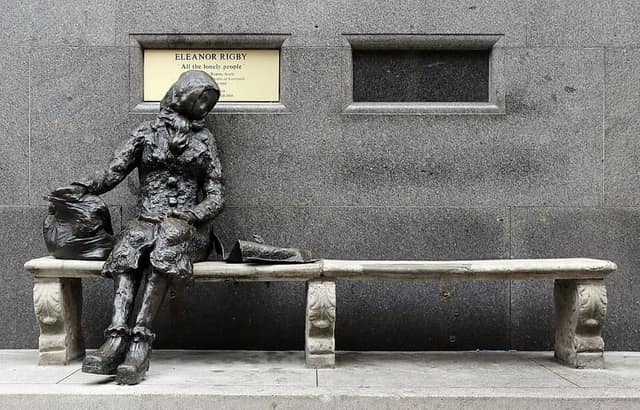 Other sight
Statue on Stanley Street by the entertainer Tommy Steele, based on the Beatles song Eleanor Rigby.
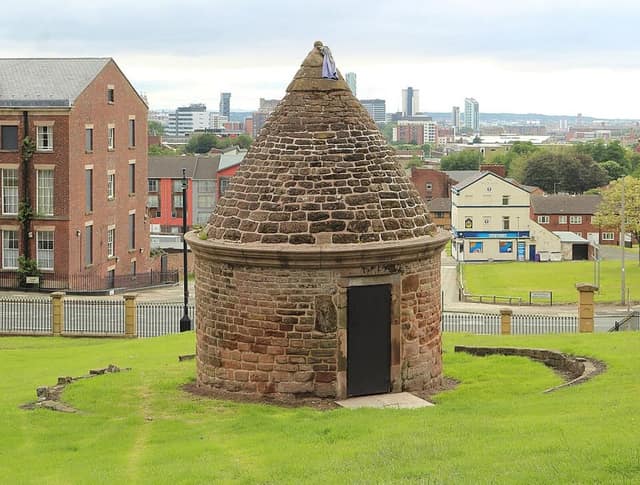 Other sight
Eighteenth-century village lock-up on Everton Brow, also called Prince Rupert's Tower, one of two Georgian lock-ups surviving in Liverpool.
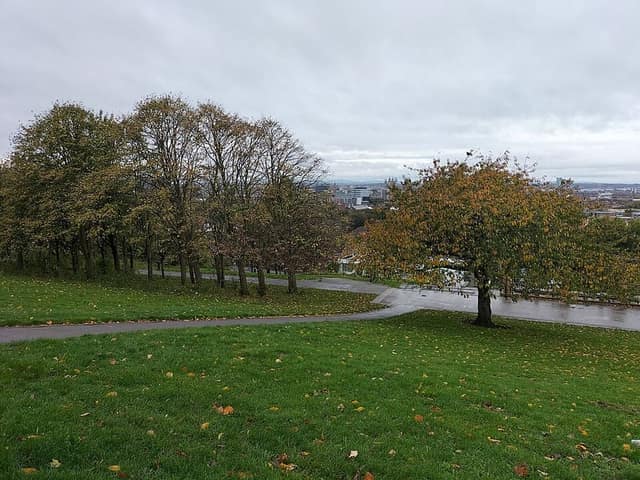 Park or nature
Park of over 40 hectares created between 1984 and 1989 on Everton Hill after a major house clearance.
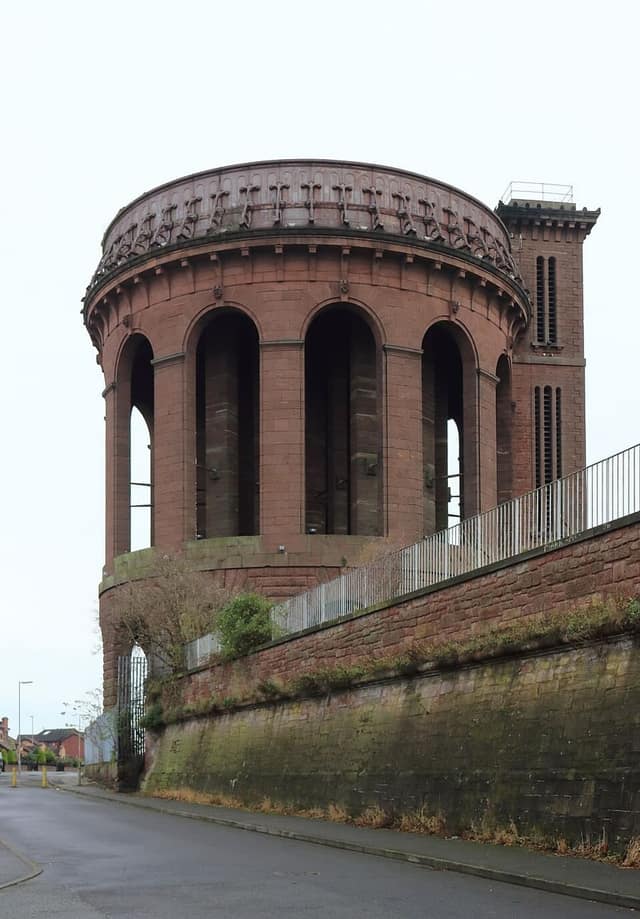 Other sight
Grade II listed water tower on Margaret Street, now surrounded by a modern housing estate.
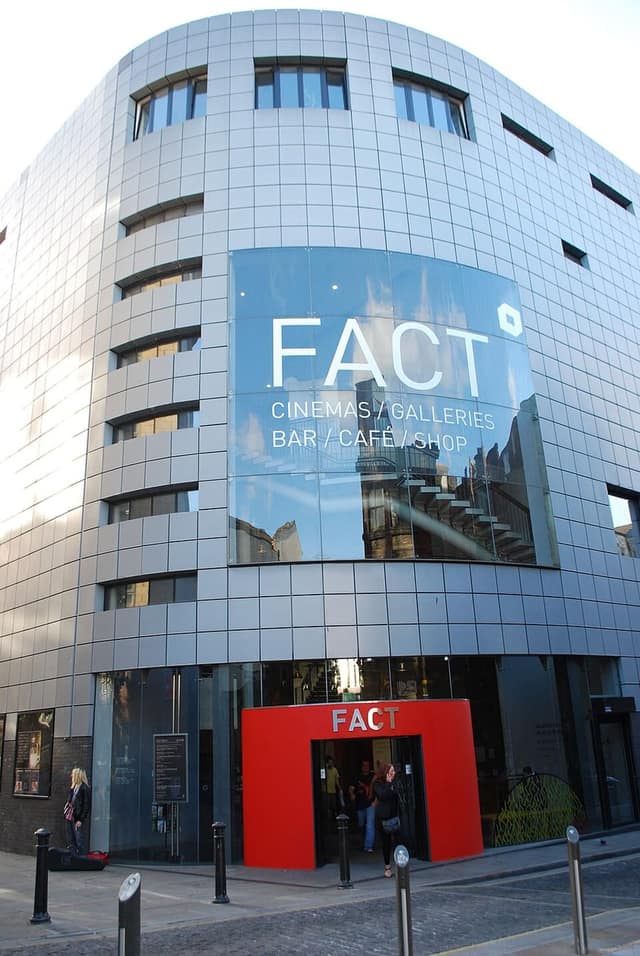 Other sight
New media arts centre with galleries, a Picturehouse cinema, a bar and a café.
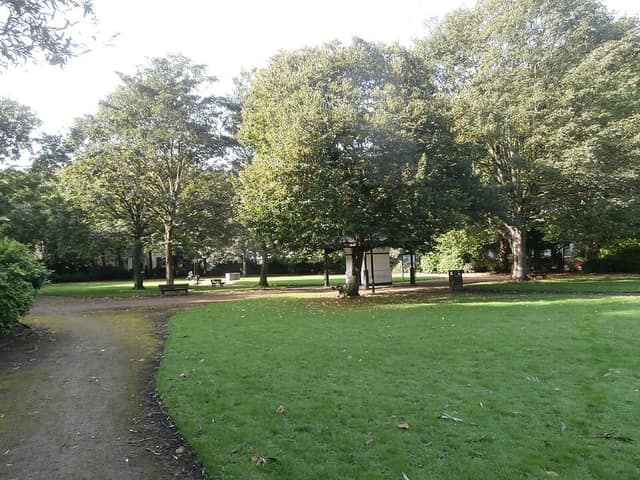 Other sight
Square on the border of the city centre and Toxteth, with public gardens in the middle.
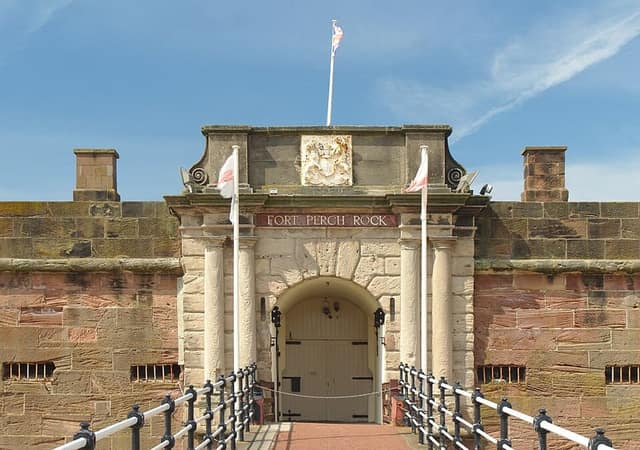 Other sight
Grade II* listed fort built in the 1820s to defend the Port of Liverpool, now a museum and visitor attraction.
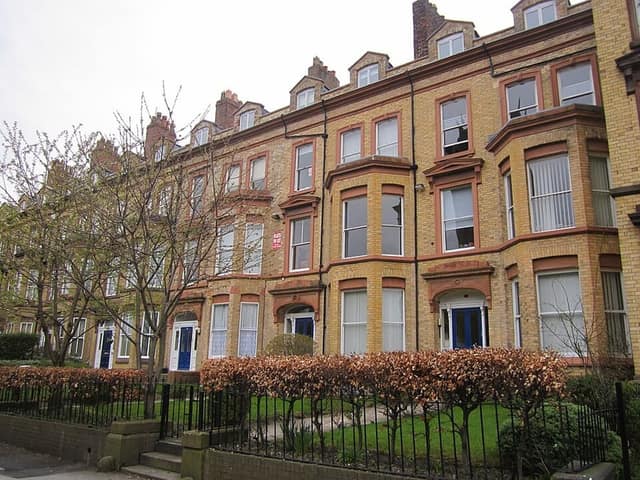 Other sight
Street of 19th-century houses overlooking St James's Mount and Gardens and the Anglican Cathedral.
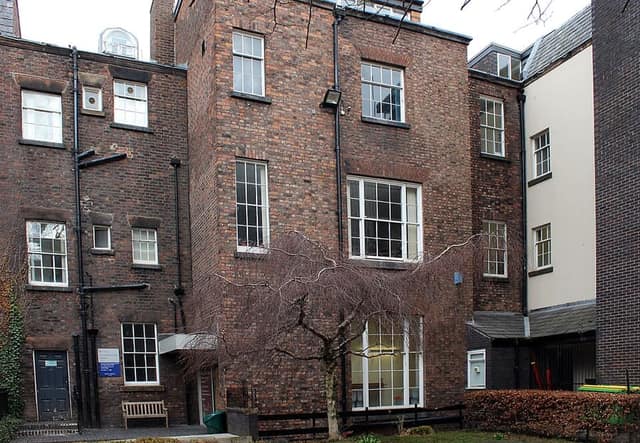 Museum
University museum and research centre whose collections include objects from Egypt, Sudan and the Near East.
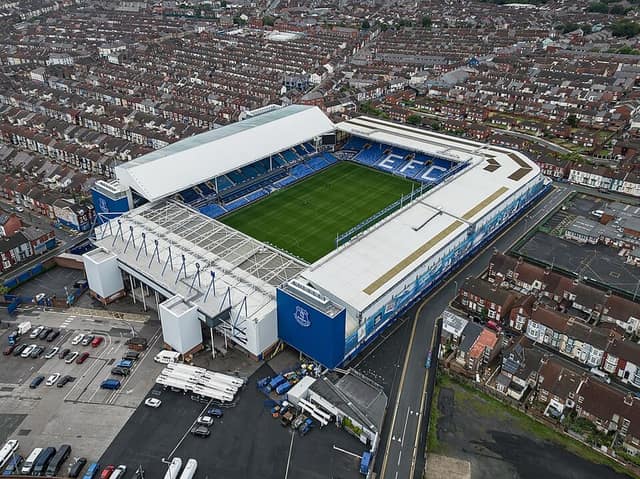 Other sight
Everton's home ground from its opening in 1892. The club's website lists Goodison Park tours.
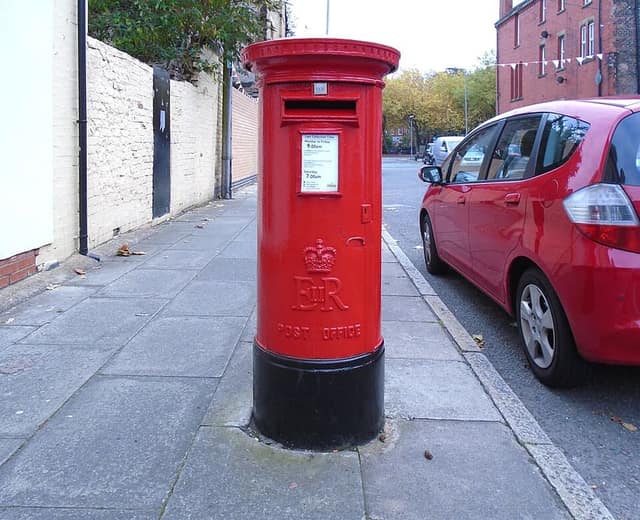 Other sight
Four streets near Princes Park, designed by Richard Owens and built by Welsh workers in the late 19th century.
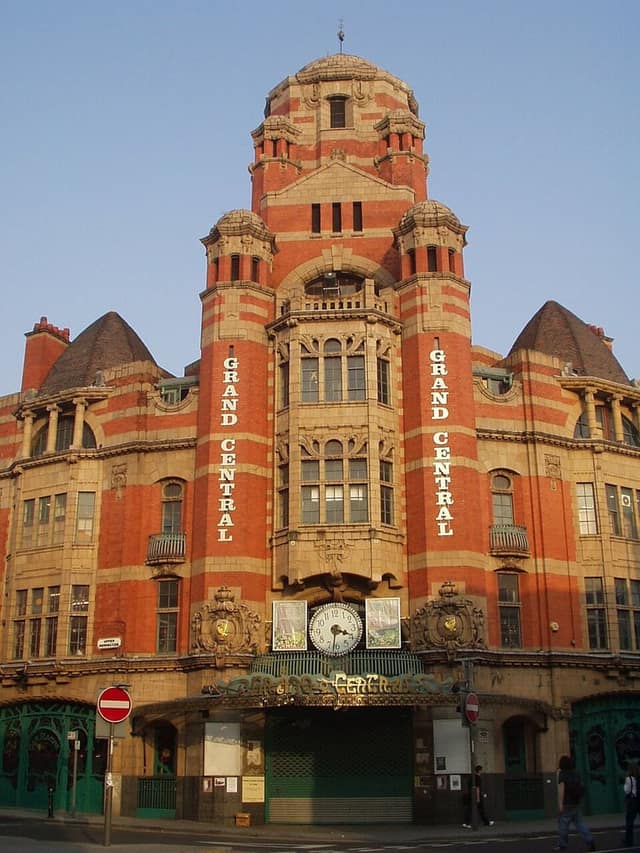 Other sight
Grade II listed building on Renshaw Street, now the site of a hotel, a hall and a food hall.
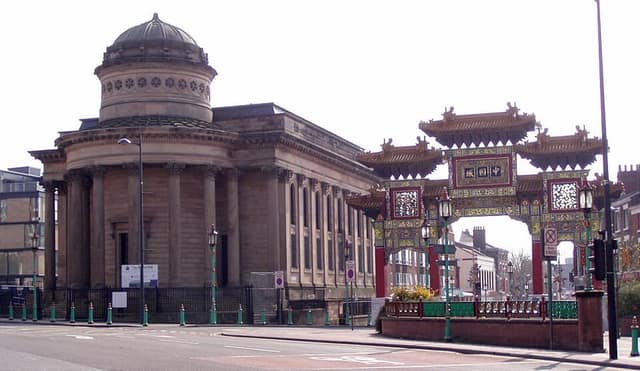 Cathedral or church
Former Congregational church on the corner of Great George Street and Nelson Street, converted to a community arts centre.
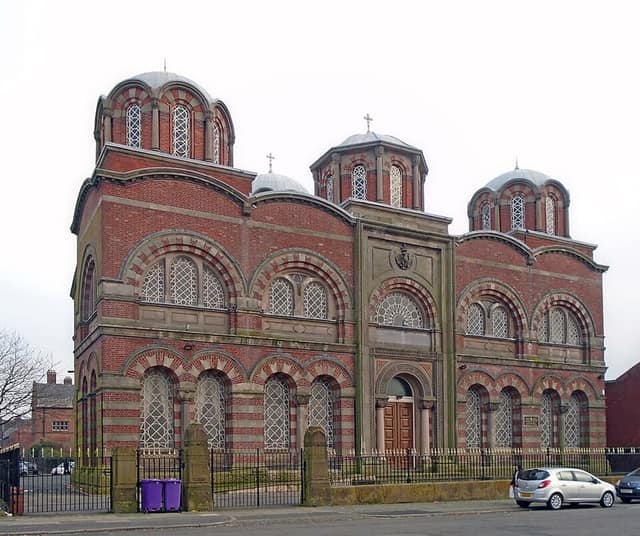 Cathedral or church
Grade II listed Neo-Byzantine church at the junction of Berkley Street and Princes Road, completed in 1870.
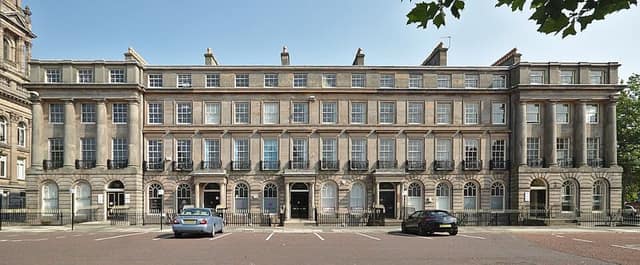 Other sight
Georgian square designed by James Gillespie Graham; Wikipedia says it has more Grade I listed buildings than anywhere outside London except Trafalgar Square.
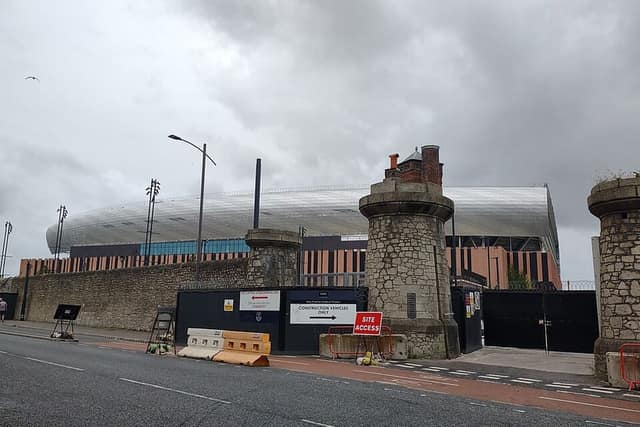 Other sight
Everton's new ground at Bramley-Moore Dock on the Mersey waterfront. The club's website lists stadium tours.
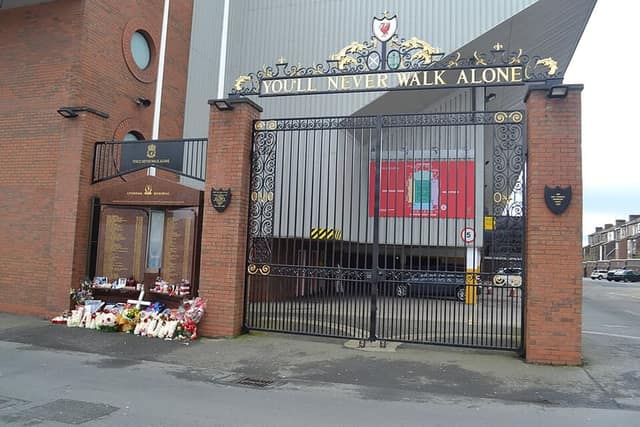 Other sight
Memorial to those who died in the Hillsborough disaster, moved in 2016 to 97 Avenue in front of the main stand, with an eternal flame.
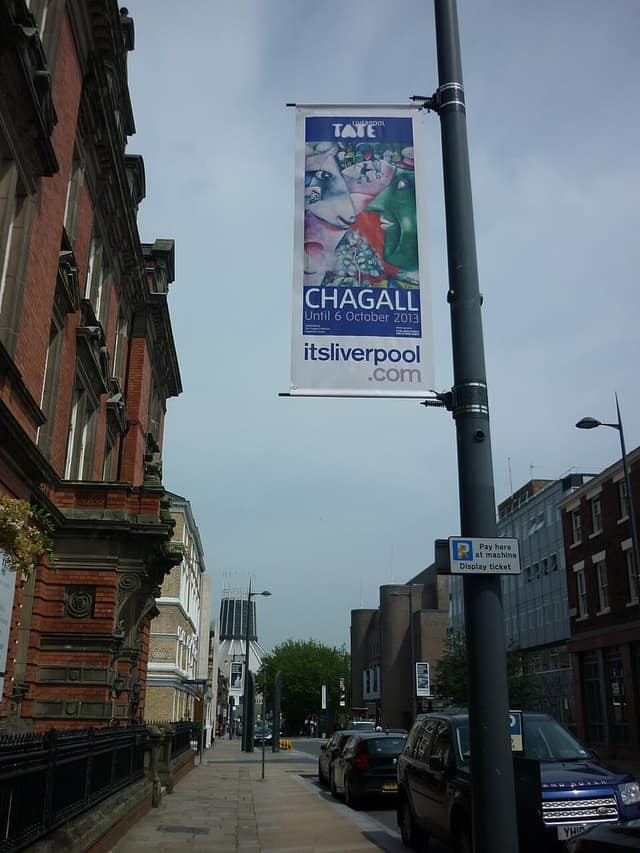 Other sight
Street running from the Metropolitan Cathedral past the Anglican Cathedral, with restaurants, hotels and bars.
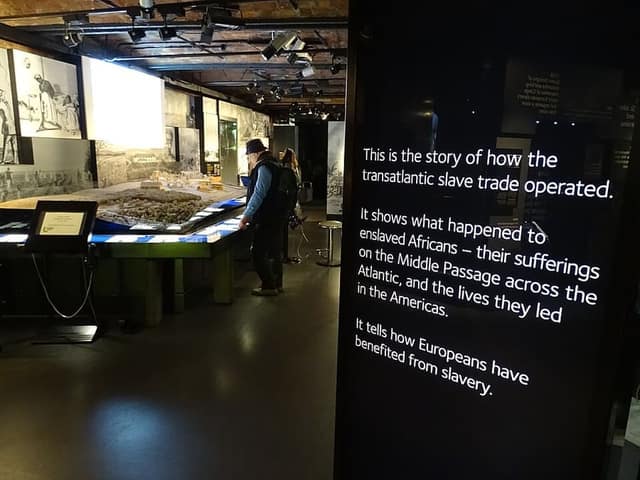 Museum
 in the Maritime Museum building on the history and legacy of the transatlantic slave trade, in three main galleries.
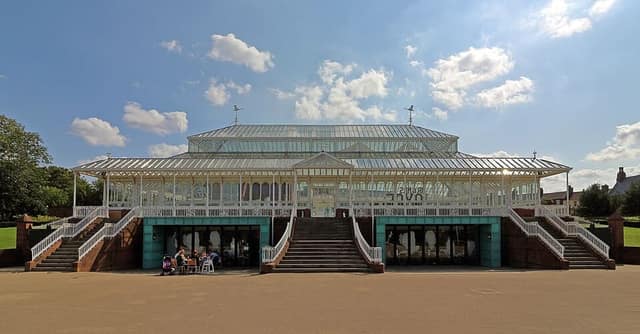 Other sight
Grade II listed conservatory of 1899 in Stanley Park, recently restored and renamed the Isla Gladstone Conservatory.
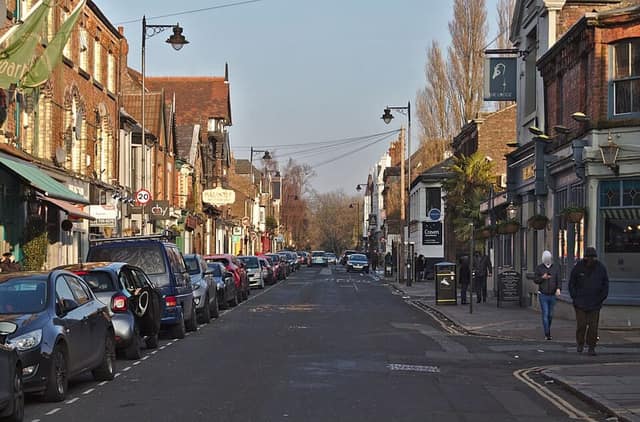 Other sight
Street noted for its cafés, bars, boutiques, music venues and bistros, with a bohemian reputation.
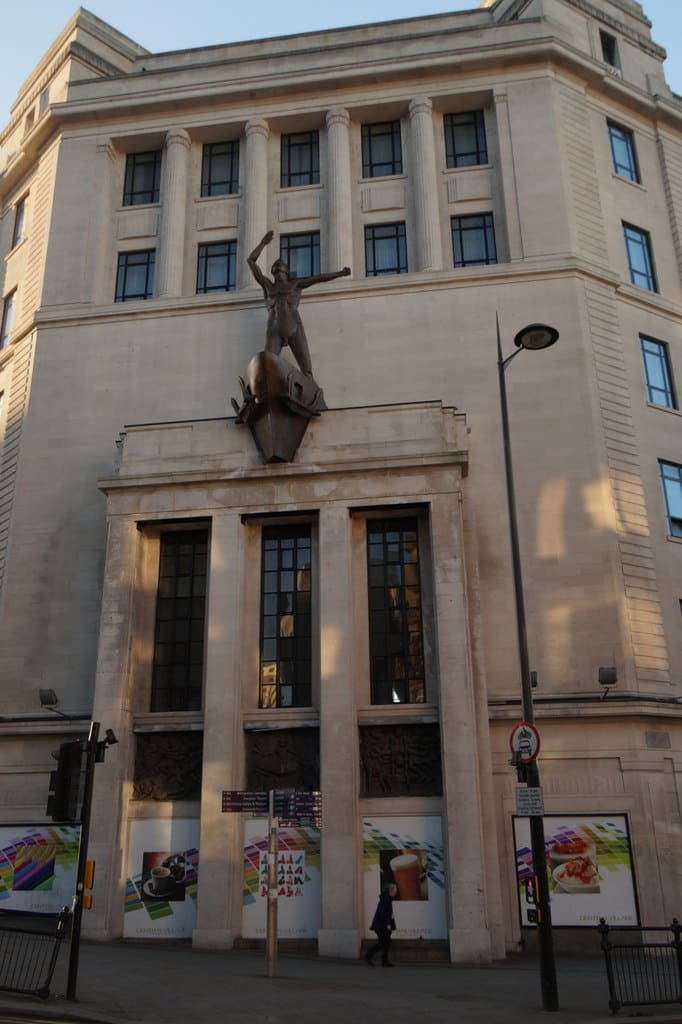 Other sight
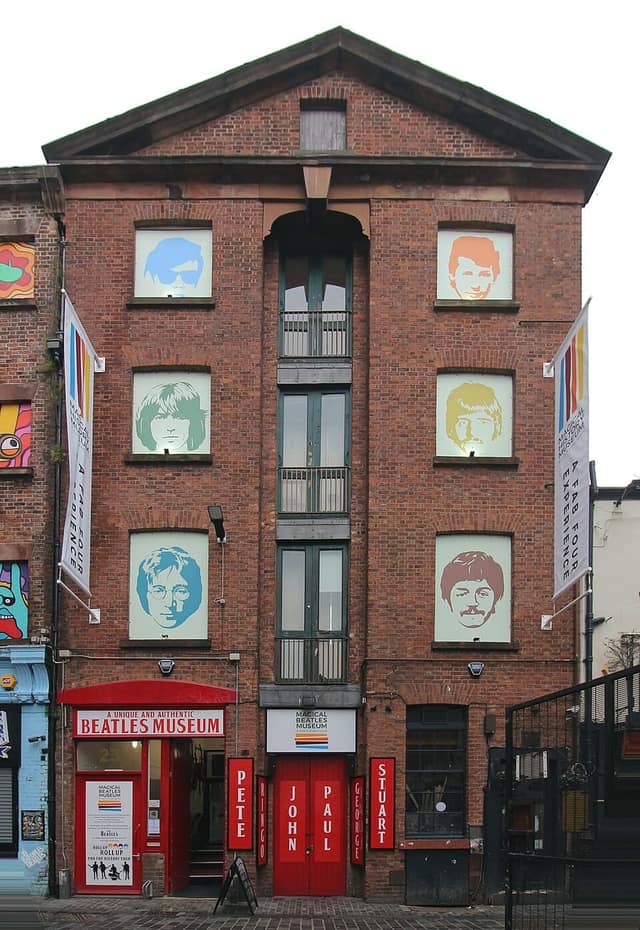 Museum
Beatles museum at 23 Mathew Street, formerly known as the Magical Beatles Museum.
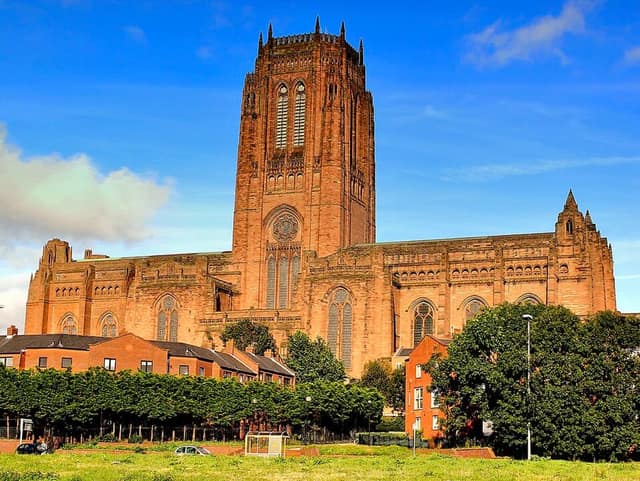 Cathedral or church
Church of England cathedral and seat of the Anglican Bishop of Liverpool.
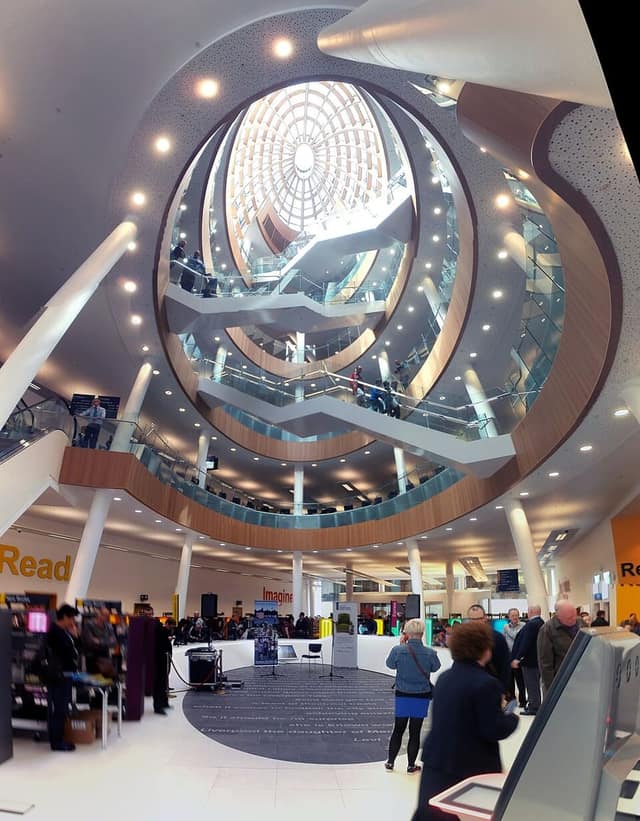 Other sight
The city's largest library, which includes the Picton Reading Room and the Hornby Library on William Brown Street.
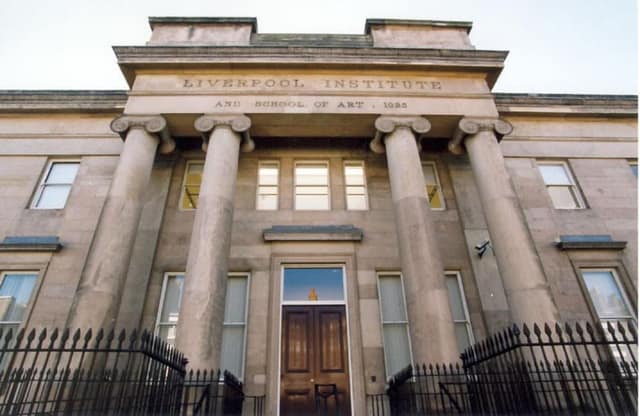 Other sight
Performing arts school set up by Paul McCartney and Mark Featherstone-Witty, opened in 1996 in the former Liverpool Institute.
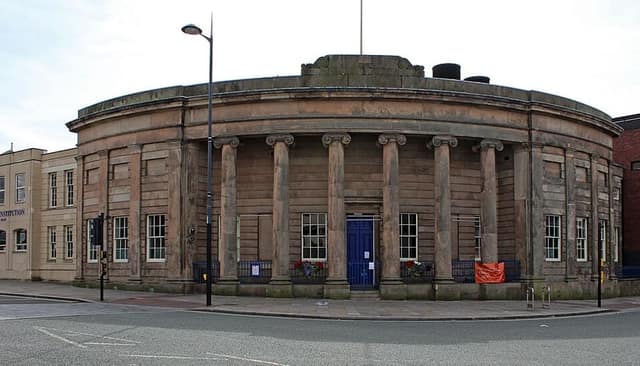 Other sight
Building of 1837 on the corner of Mount Pleasant and Hope Street, on a site used as a medical library since 1779.
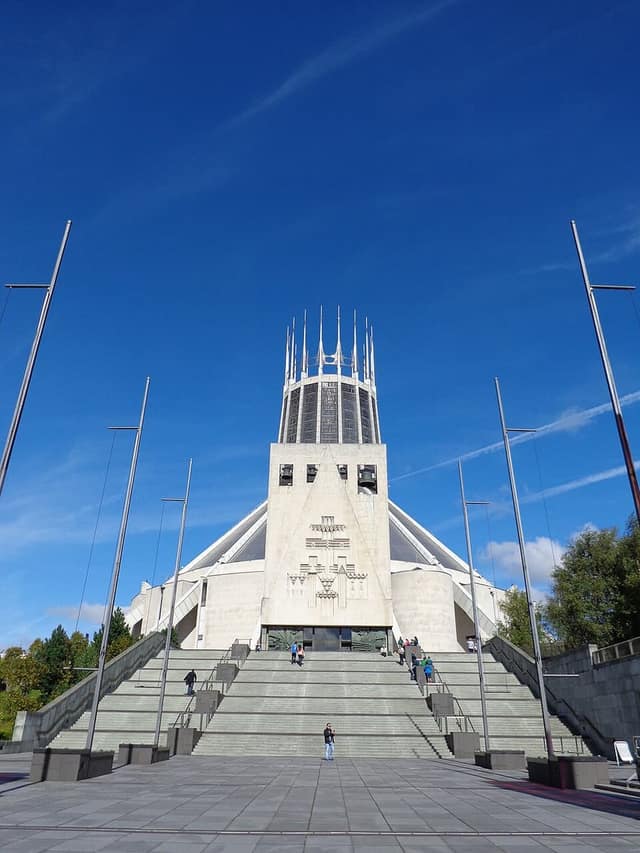 Cathedral or church
Roman Catholic cathedral of the Archbishop of Liverpool, nicknamed Paddy's Wigwam and the Mersey Funnel.
Entry: according to the venue’s own page, read 25 Oct 2026. Special exhibitions and events may be charged. Source
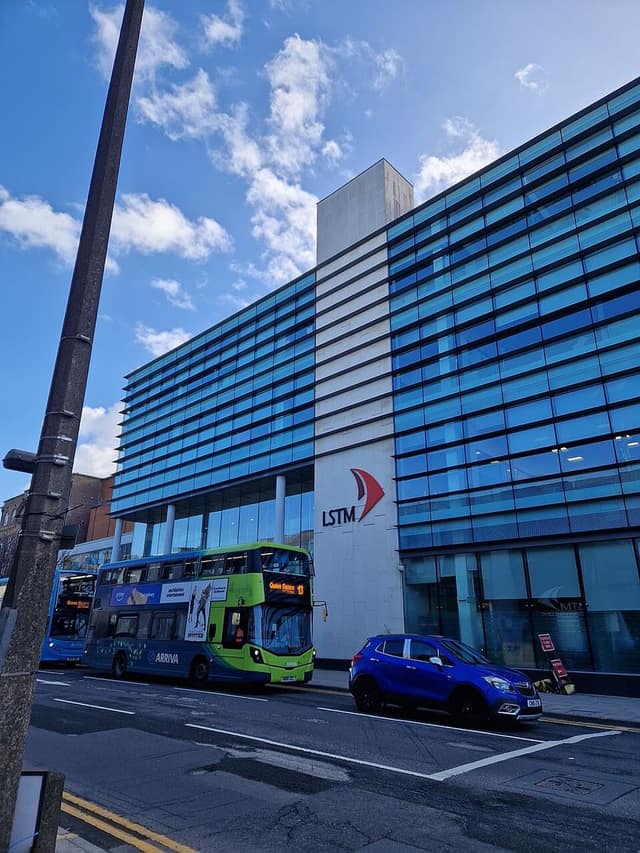 Other sight
Founded in 1898 and described by Wikipedia as the first institution dedicated to the study of tropical medicine.
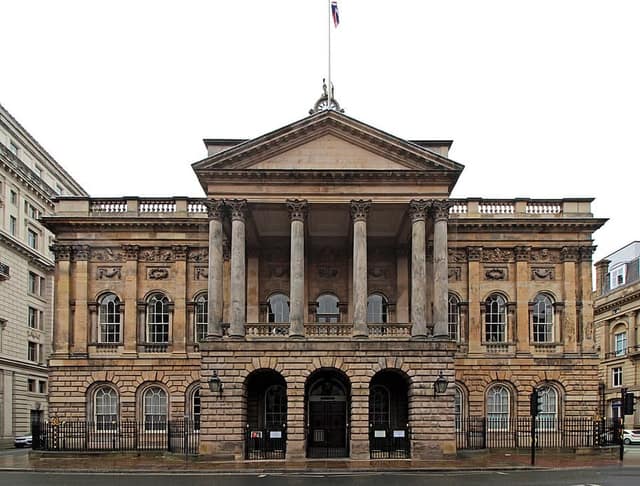 Other sight
Grade I listed Georgian municipal building where High Street meets Dale Street, Castle Street and Water Street.
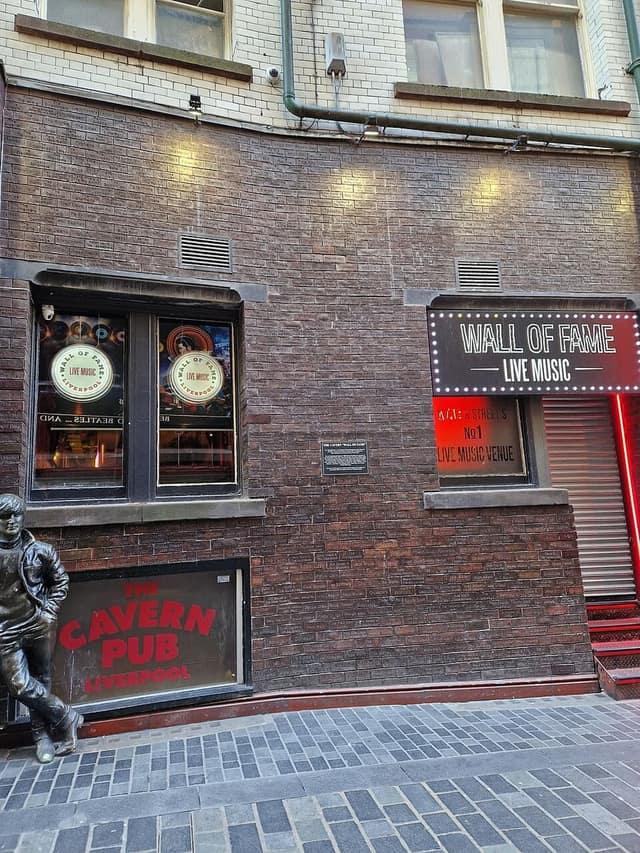 Other sight
Wall in front of the Cavern Club listing groups that played at the original club, including Liverpool acts that reached number one.
 Other sight
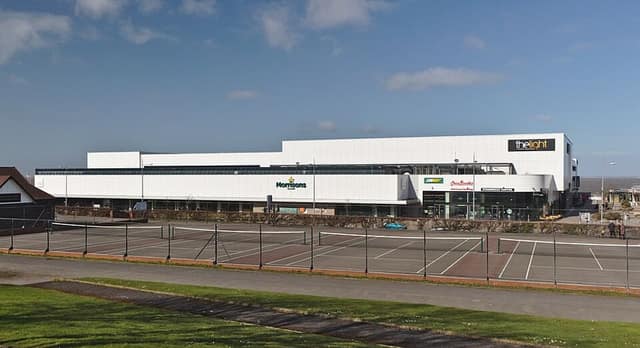
Leisure and retail development opened in 2011, with restaurants, the Light cinema and a Travelodge, according to Wikipedia.
 Other sight
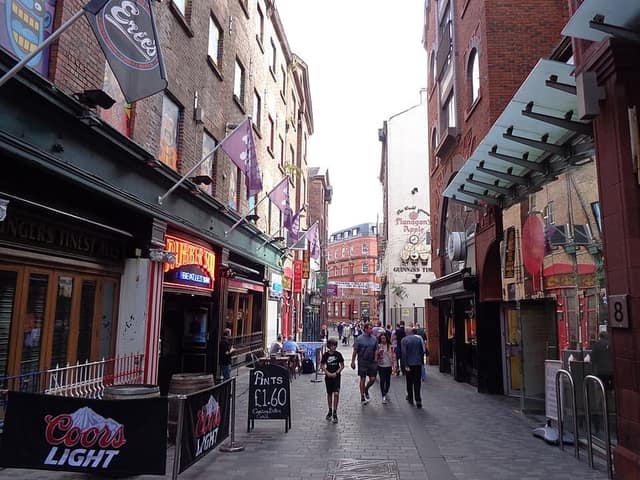
Street of the Cavern Club and nearby Beatles attractions, visited by thousands of tourists a year.
 Museum
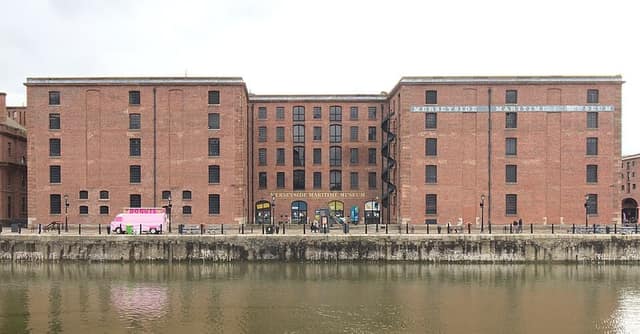
National Museums Liverpool museum on the Albert Dock, an anchor point of the European Route of Industrial Heritage.
 Museum
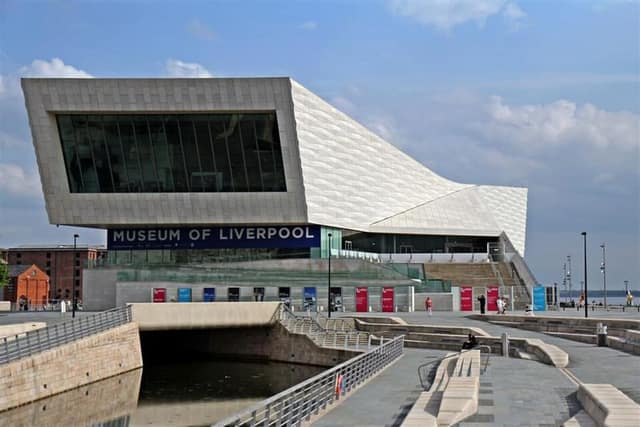
National Museums Liverpool museum telling the story of the city and its people, opened in 2011 on the waterfront.
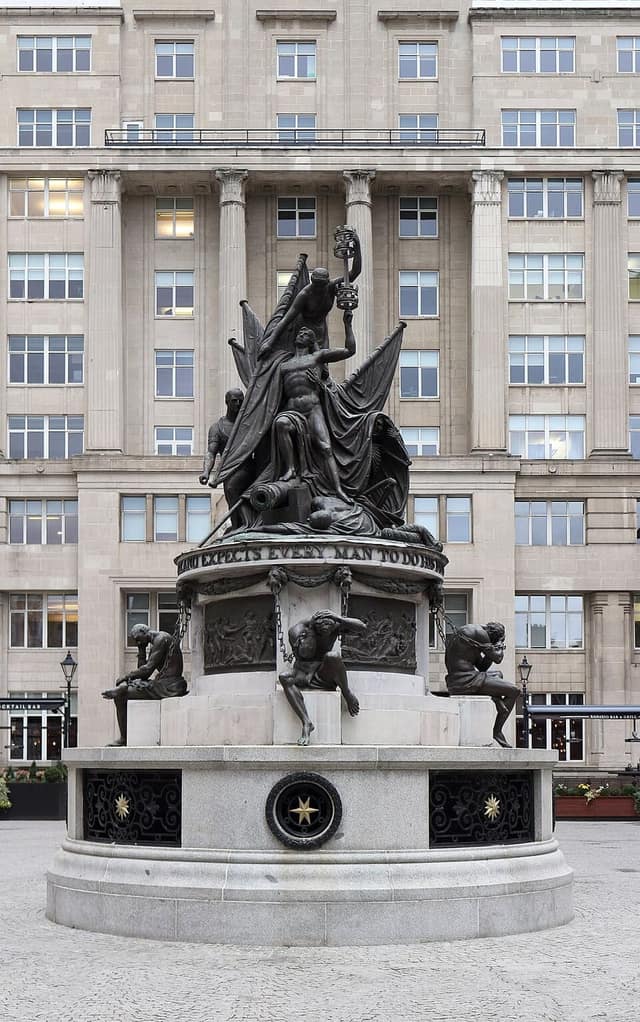 Other sight
Monument to Admiral Nelson in Exchange Flags, designed by Matthew Cotes Wyatt and sculpted by Richard Westmacott.
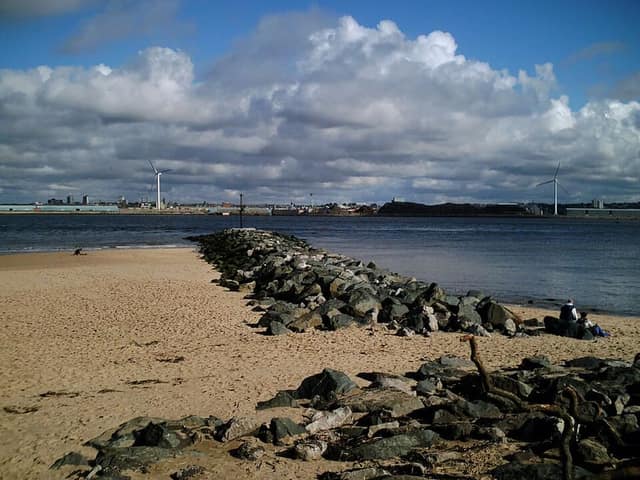 Park or nature
Sandy beaches along the Irish Sea and the Mersey mouth, with what Wikipedia calls the UK's longest promenade.
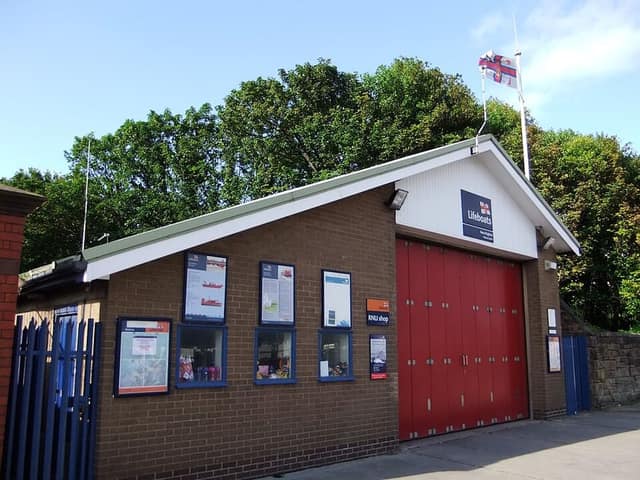 Other sight
RNLI station on Kings Parade; Wikipedia says a lifeboat was first stationed locally in 1827 and the RNLI took over in 1863.
Try a different name or type, or clear the filters. Filters that need a reported flag (step-free, kids, entry, booking) hide places we hold no report for; they do not rule them out.
By area
Each link opens the area guide with the full descriptions, photos and directions.
More about Liverpool: the Liverpool guide, free things to do and UK museums and galleries.
How the flags work
Every flag below comes from a source you can open. Where we hold no report, the list says "not stated" or shows nothing: it does not guess. Check the venue before you travel, because prices, hours and booking rules change.